
Understanding multiplication Reading Worksheets for Ages 4-7
4 filtered results
Difficulty Level
Grade
Age
-
From - To
Subject
Activity
Standards
Welcome to our “Understanding Multiplication” reading worksheets for ages 4-7! These engaging and educational resources are designed to help young learners grasp the basics of multiplication through fun and interactive activities. Featuring colorful illustrations and easy-to-follow instructions, our worksheets promote early math skills while supporting literacy development. Children will gain confidence as they explore multiplication concepts through relatable scenarios and practice exercises. Ideal for both home and classroom use, these worksheets make learning enjoyable, ensuring that kids stay motivated and engaged. Discover the joy of early math learning with our thoughtfully created multiplication reading worksheets today!
Favorites
With answer key
Interactive
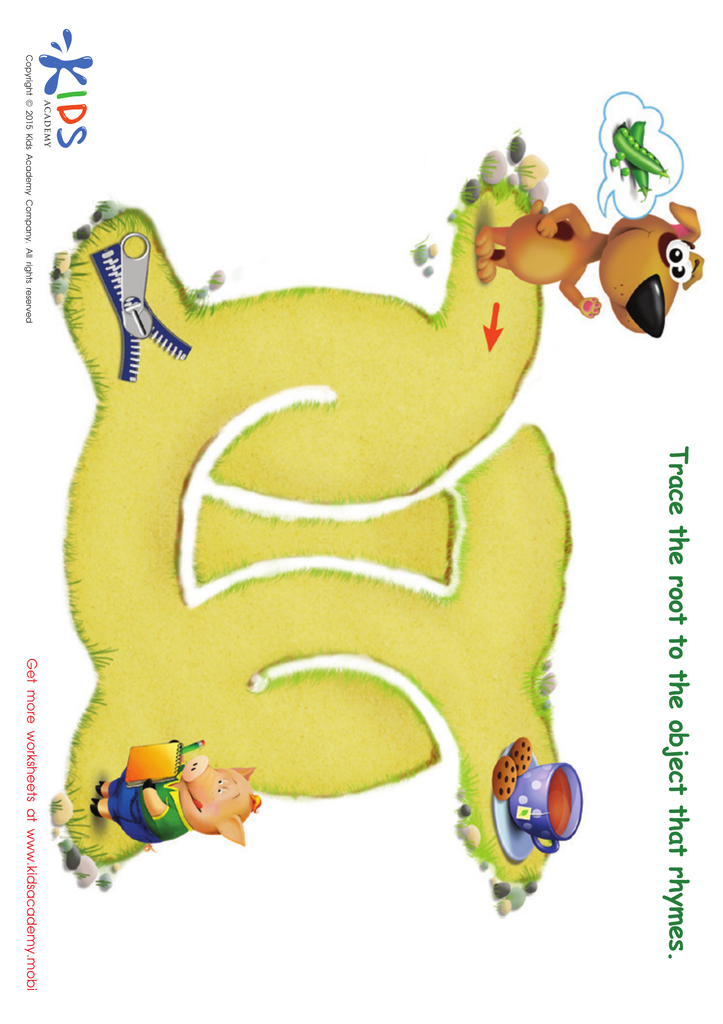
Pea Rhyming Words Worksheet
Check out our free printable worksheet that helps kids learn new words through rhyming. Your child needs to trace the root between the rhyming words and remember them better. Enjoy learning!
Pea Rhyming Words Worksheet
Worksheet
Join Kids Academy for Free
Who is primarily going to use this learning content?








Understanding multiplication in early education, particularly for children aged 4-7, is crucial for a variety of reasons. First, it lays the foundation for mathematical concepts that are built upon in later grades. Early exposure to multiplication helps children grasp the relationship between addition and multiplication, empowering them to understand the concept of groups and repeated addition, which makes math more accessible and intuitive.
Moreover, fostering a positive attitude towards math at this age encourages a lifelong love of learning and confidence in problem-solving. Engaging children with fun and relatable multiplication activities can enhance their critical thinking skills and analytical abilities. Through stories, games, and relatable scenarios, children can visualize math in their everyday lives, making it both enjoyable and practical.
Parents and teachers play a pivotal role in nurturing these foundational skills. By investing time in understanding multiplication, they help children develop a strong mathematical fluency. This proactive approach not only prepares kids for future academic success but also equips them with essential life skills like logical reasoning and perseverance. Ultimately, a solid grasp of multiplication fosters resilience and curiosity in children, beneficial traits that extend beyond mathematics. Thus, prioritizing multiplication understanding is an essential component of early childhood education.








