
Visual perception Reading Worksheets for Ages 4-7
3 filtered results
Difficulty Level
Grade
Age
-
From - To
Subject
Activity
Standards
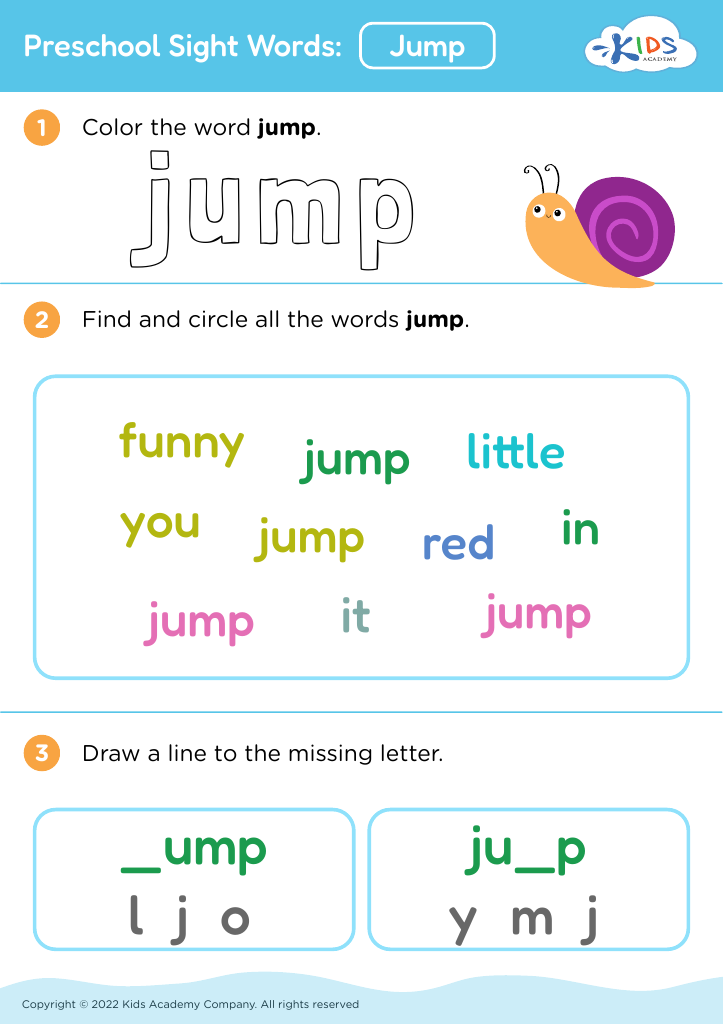
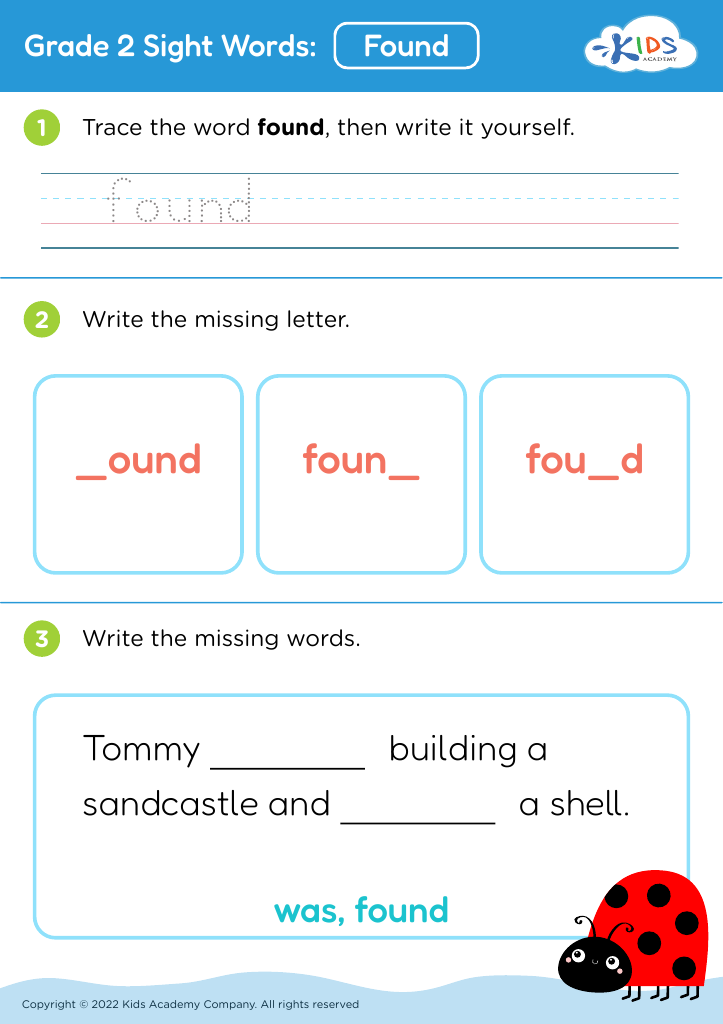
Unlock your child's reading potential with our engaging Visual Perception Reading Worksheets designed for ages 4-7. These worksheets enhance essential skills such as letter recognition, shape discrimination, and visual sequencing, making reading fun and effective. Each activity is thoughtfully crafted to capture young learners' attention, promoting cognitive development while building confidence in their reading abilities. Ideal for preschool and early elementary students, our resources cater to diverse learning styles, ensuring that every child can thrive. Explore our collection to support your child's educational journey and lay the foundation for lifelong literacy skills. Start fostering a love for learning today!
Favorites
With answer key
Interactive
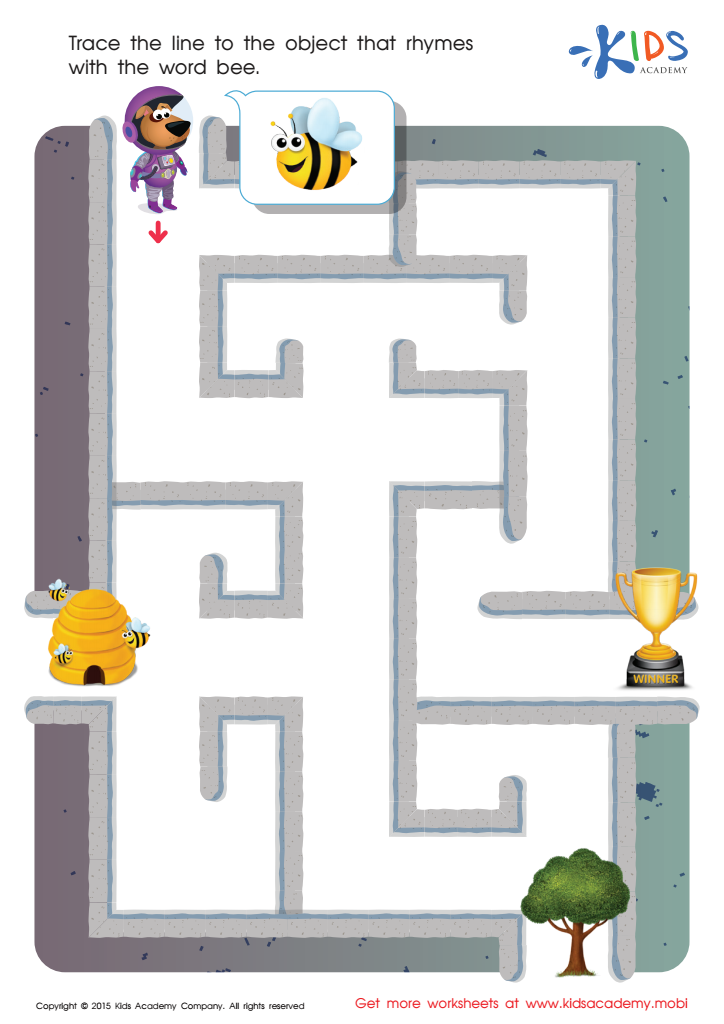
Bee Rhyming Words Worksheet
Download our new vocab builder worksheet and help our pup find rhymes. See how easy it is to trace the root between words! Make learning fun with our collection of English materials and worksheets. Get them now on our web site.
 Assign to My Students
Bee Rhyming Words Worksheet
Worksheet
Join Kids Academy for Free
Who is primarily going to use this learning content?








Visual perception is a critical skill for young learners aged 4-7, as it lays the foundation for effective reading and overall academic success. This set of abilities involves recognizing, interpreting, and making sense of visual stimuli, which is crucial for deciphering letters, words, and sentences. During these formative years, children are beginning to engage with print, and strong visual perception aids in the understanding of word shapes, letter orientation, and spacing.
Parents and teachers should prioritize developing visual perception skills because they directly impact reading fluency and comprehension. Children with weak visual perception may struggle with letter reversals, confusing similar-looking letters (e.g., b and d), or failing to notice punctuation marks. This can lead to frustration and a negative attitude towards reading.
Additionally, cultivating these skills can enhance children's ability to categorize letters and words, recognize patterns, and engage in activities such as spelling and writing. By encouraging play-based activities like puzzles, matching games, and drawing, caregivers can significantly boost visual perception. Investing time in these foundational skills not only supports literacy development but also fosters a love for learning, setting the stage for lifelong reading enjoyment and academic achievement.








