
Information retention Reading Non-Fiction Worksheets for Ages 4-7
3 filtered results
Difficulty Level
Grade
Age
-
From - To
Subject
Activity
Standards
Enhance your child's learning journey with our "Information Retention Reading Non-Fiction Worksheets" tailored for ages 4-7. Designed to foster critical thinking and comprehension skills, these engaging worksheets focus on helping young readers retain important information from non-fiction texts. Through interactive and age-appropriate activities, children will explore fascinating topics while practicing summarization and recall techniques. Each worksheet encourages curiosity and a love for learning, making it perfect for home or classroom use. Give your little ones the tools they need to become confident readers and lifelong learners with our thoughtfully crafted resources. Start their adventure in knowledge today!
Favorites
With answer key
Interactive
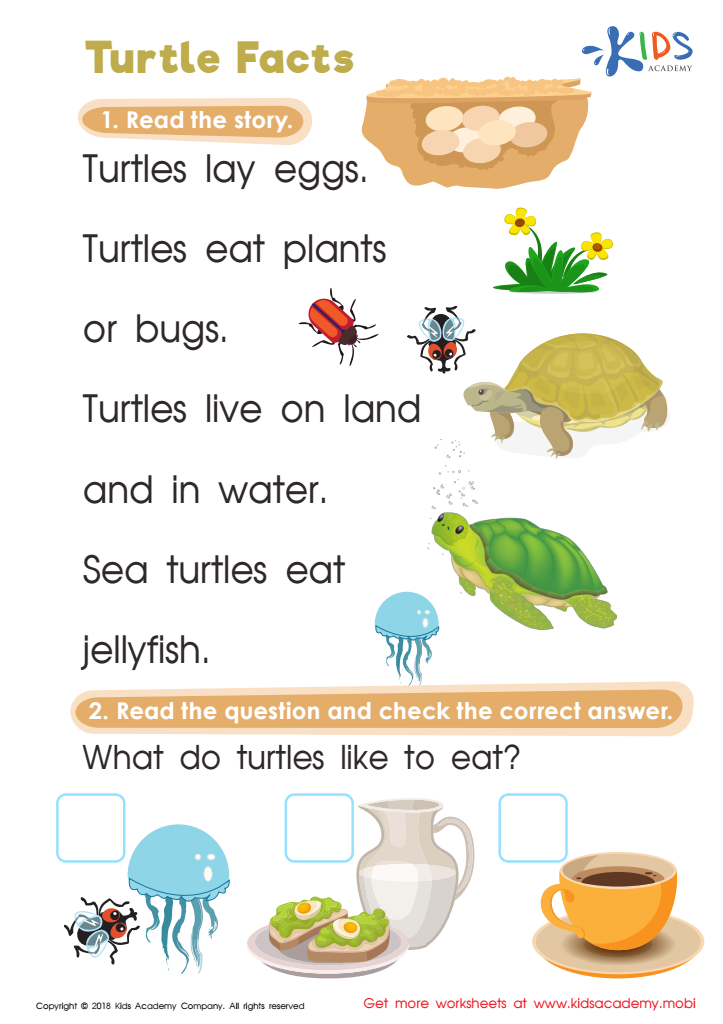
Turtle Facts Worksheet
Reading has many advantages, like being able to learn from informational texts! This worksheet teaches kids about turtles using a fun paragraph with pictures! Encourage students to read the text and use the visuals as a guide. Then, answer the question at the bottom by checking the image that matches the info they just read.
 Assign to My Students
Turtle Facts Worksheet
Worksheet
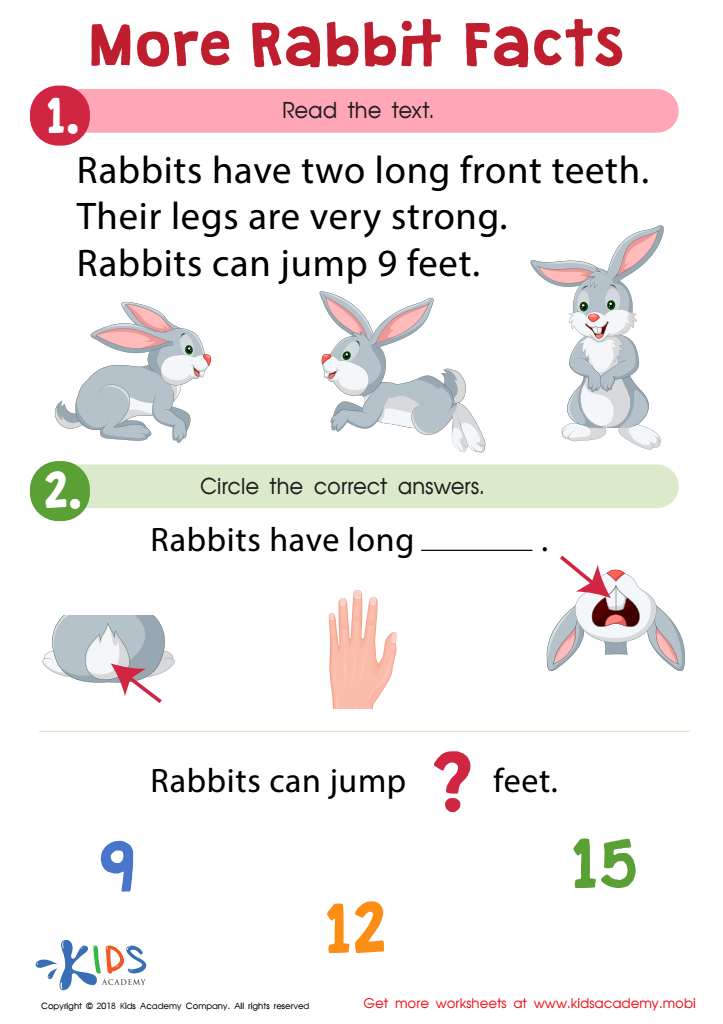
More Rabbit Facts Worksheet
Improve your child's reading comprehension skills with this fun worksheet! Read the paragraph at the top of the page, view the pictures and circle the correct answers indicating what was learned. Develop a better understanding of rabbits while learning how to recall important information from texts.
More Rabbit Facts Worksheet
Worksheet
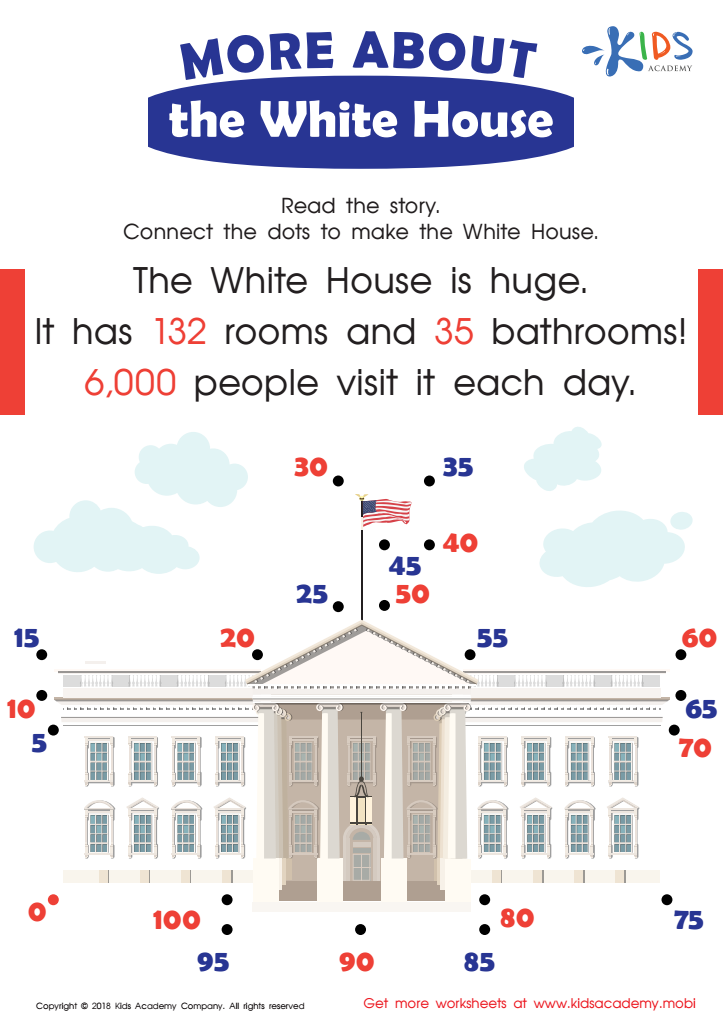
More About the White House Worksheet
The President of the United States lives in the White House, a huge building with 132 rooms and 35 bathrooms. It's home to the President's family, plus 6,000 visitors every day, and full of interesting stories. Teach your kids about it with this printout; help them connect the dots and learn more about this famous home. Learning never ends!
More About the White House Worksheet
Worksheet
Join Kids Academy for Free
Who is primarily going to use this learning content?








Parents and teachers should be deeply concerned about information retention in non-fiction reading for children aged 4-7 because this foundational skill lays the groundwork for future academic and life success. At this age, children are developing critical thinking and comprehension abilities; engaging with non-fiction helps them understand the world around them and enhances their cognitive development.
Reading non-fiction instills curiosity and supports knowledge acquisition in diverse subjects, from science to social studies. When children retain information from these texts, they develop confidence in their ability to learn and process new ideas. Strategies promoting retention—like summarizing, questioning, and connecting content to personal experiences—also foster essential literacy skills that extend beyond reading.
Moreover, in a rapidly changing world, the ability to absorb and apply factual information is crucial. Non-fiction reading can shape children’s attitudes, helping them understand differing perspectives and fostering empathy. Teachers and parents play a critical role in guiding children’s reading choices and methods, ensuring they not only engage with the material but also develop a genuine love of learning. By prioritizing information retention in non-fiction reading, caregivers pave the way for lifelong skills that will benefit children socially, emotionally, and academically.








