Fine Motor Skills Rhyming Words Worksheets for Ages 4-7
4 filtered results
-
From - To
Our fine motor skills rhyming words worksheets for ages 4-7 seamlessly blend fun and education! Designed by experts, these printables help young learners enhance their fine motor control alongside phonics skills. As children trace, color, and cut, they refine hand coordination while mastering rhyming words, an essential reading foundation. Perfect for preschool and early elementary students, each worksheet is a blend of visually engaging activities that keep kids motivated and eager to learn. Empower your child’s early literacy and motor development journey with our specially crafted resources, making learning both effective and enjoyable!
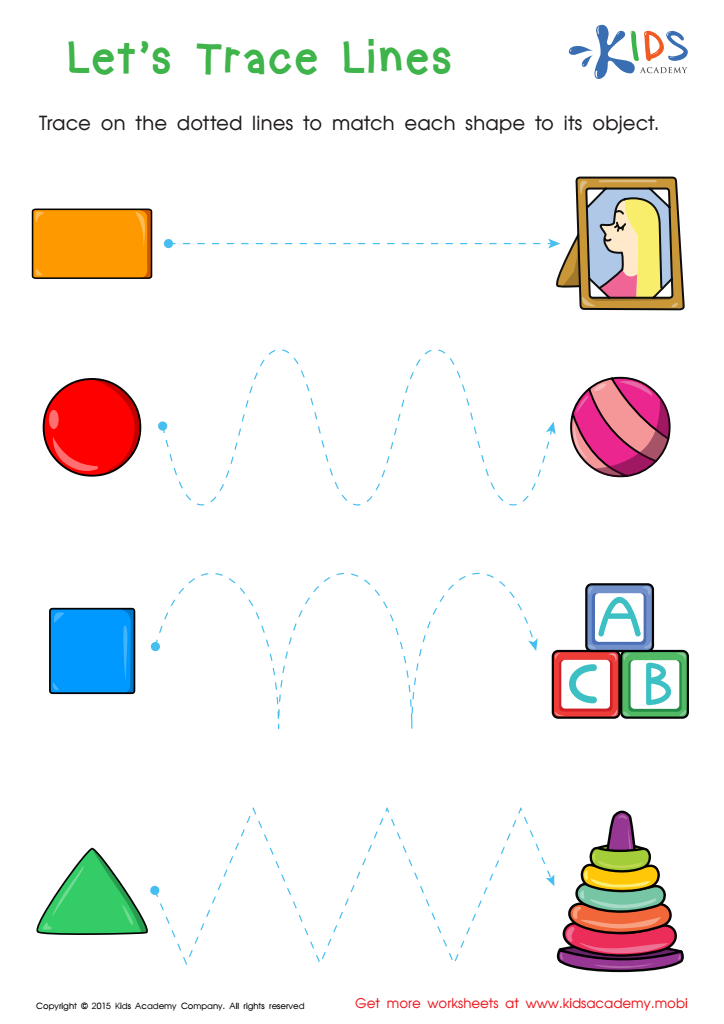
First Words: Let's Trace Lines Worksheet
 Assign to My Students
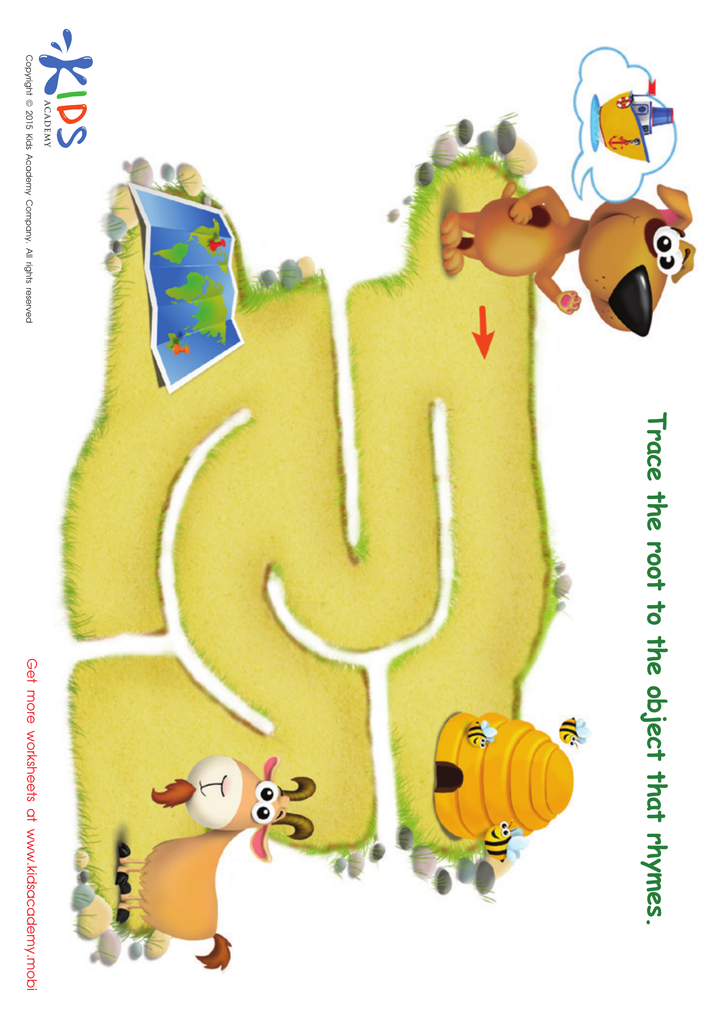
Boat Rhyming Words Worksheet
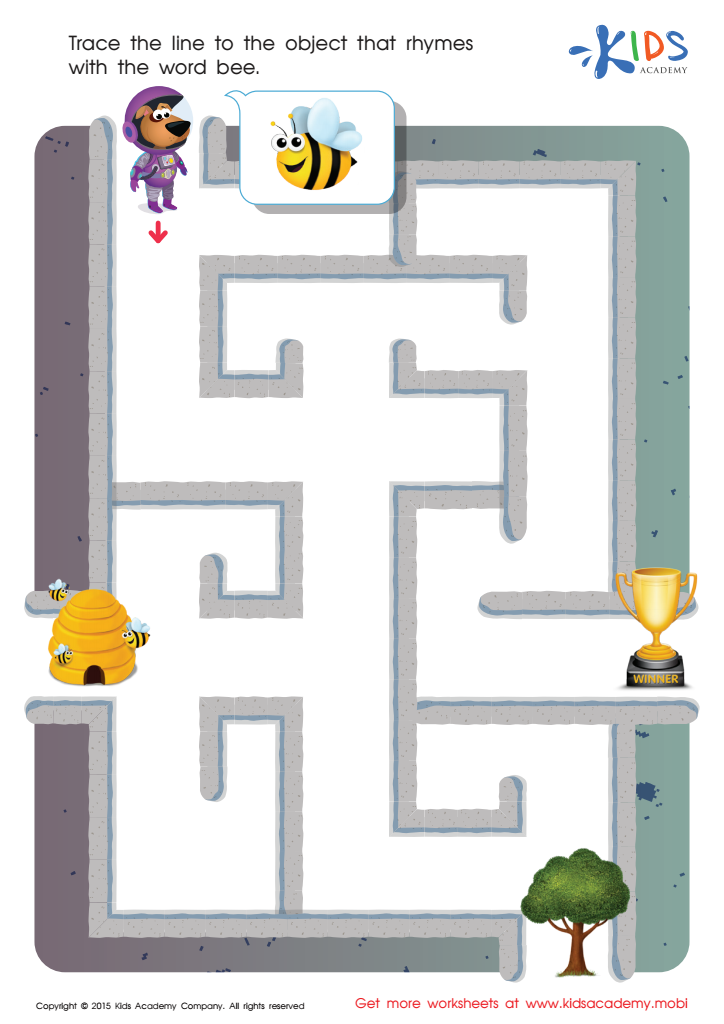
Bee Rhyming Words Worksheet
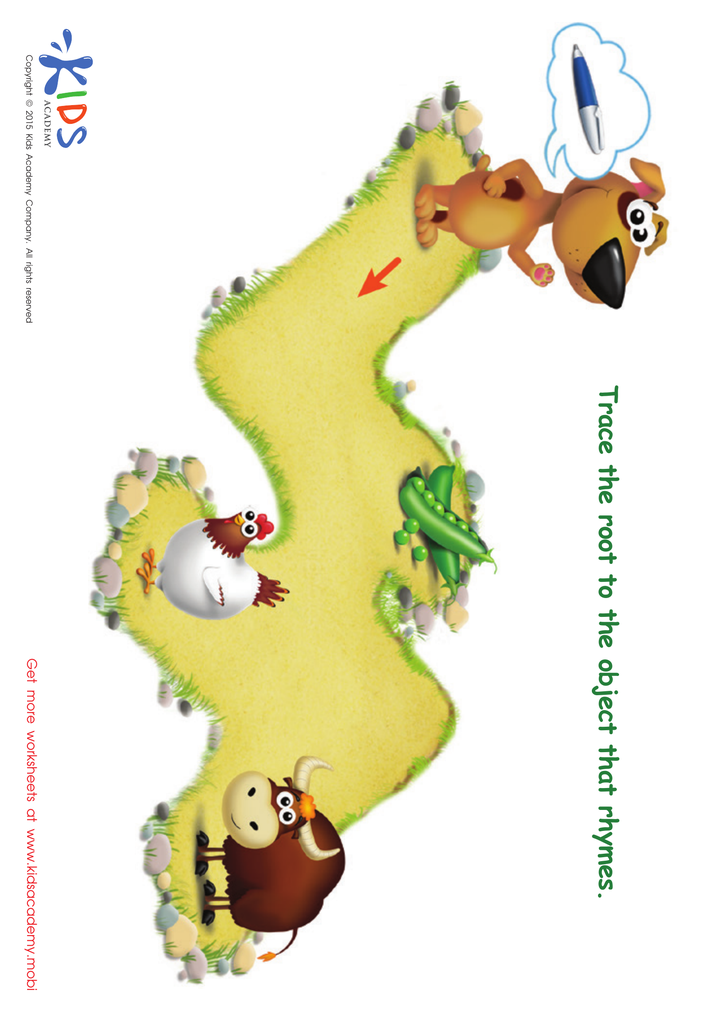
Pen Rhyming Words Worksheet


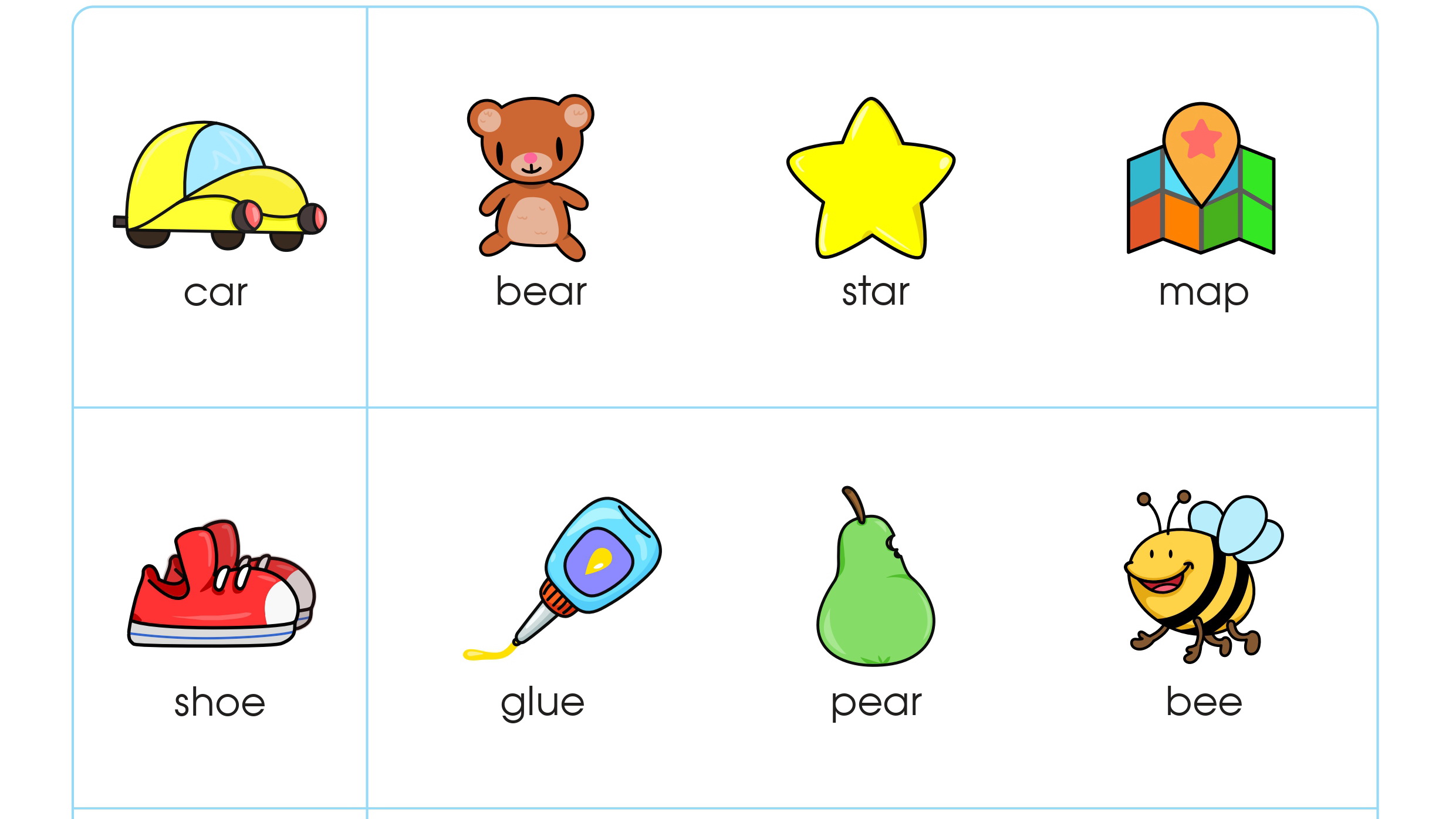





Fine motor skills and exposure to rhyming words are crucial for children ages 4-7 as they lay the foundation for various aspects of their development. Fine motor skills involve the coordination of small muscles in movements—typically involving synchronization of hands and fingers—with the eyes. These skills are essential for performing daily tasks, such as buttoning clothes, tying shoes, or holding a pencil to write. Developing fine motor skills at an early age can build independence and self-esteem in children.
Rhyming words, on the other hand, play a vital role in language and cognitive development. Understanding and practicing rhymes enhance children's phonological awareness, a critical precursor to reading. When children recognize and produce rhyming words, they begin to understand sound patterns and word structures, which are fundamental elements of literacy. This skill not only makes reading and writing more accessible but also boosts their vocabulary, listening skills, and memory.
Integrating activities that combine both objectives—such as tracing letters while singing rhymes—offers a multifaceted approach to development. This cultivates both linguistic abilities and fine motor skills simultaneously, ensuring a holistic growth that sets the stage for successful academic and life experiences. Therefore, parents and teachers should prioritize these activities to foster essential early childhood development.








