Basic arithmetic practice Sight Words Worksheets for Ages 4-7
3 filtered results
-
From - To
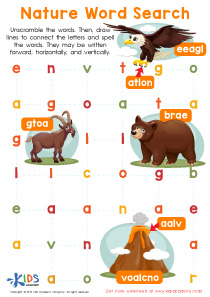
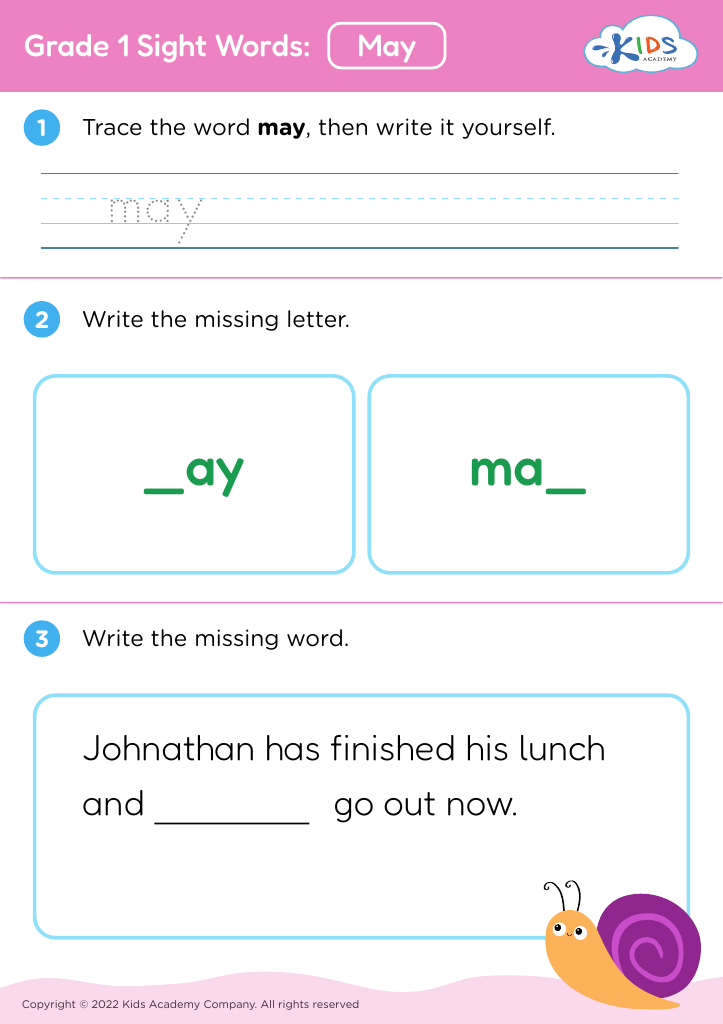
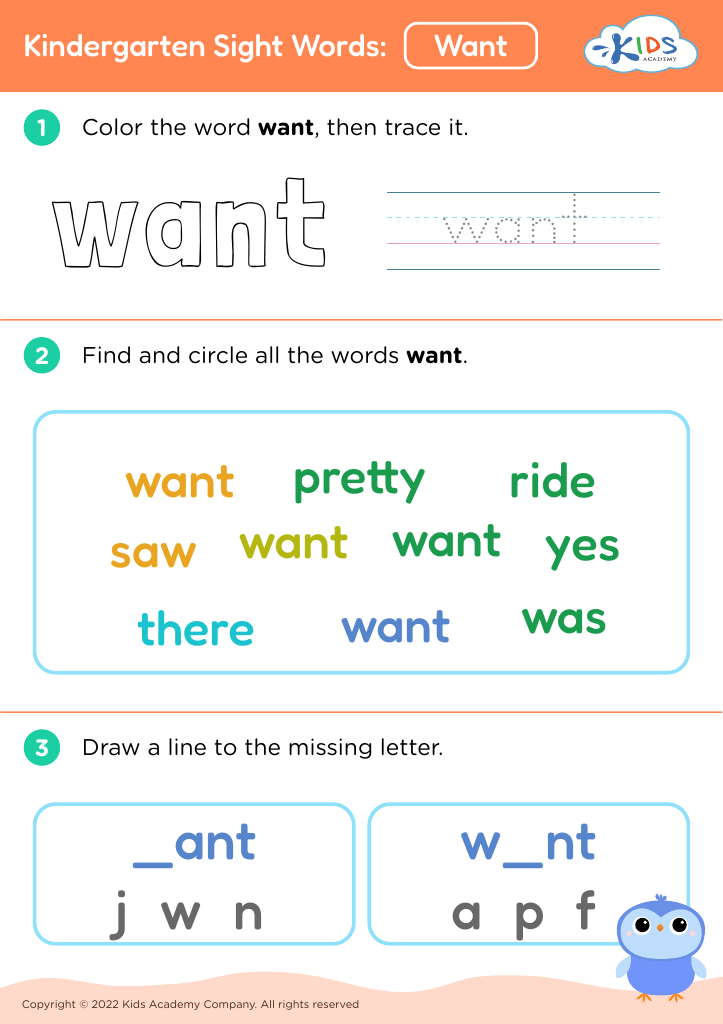
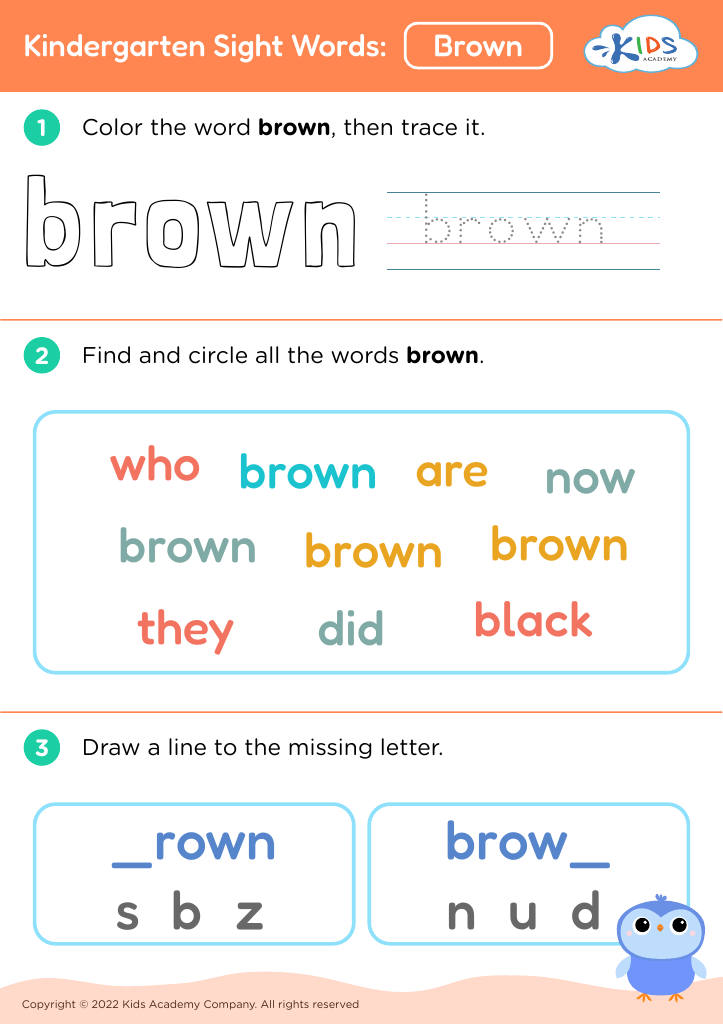
Welcome to our Basic Arithmetic Practice Sight Words Worksheets, designed for children aged 4-7! This engaging resource combines essential math skills with spelling and reading practice. Our worksheets help young learners familiarize themselves with common sight words while advancing their arithmetic abilities through fun exercises. Encourage children to recognize high-frequency words that are critical for fluent reading, all while practicing basic addition and subtraction. With colorful illustrations and interactive activities, these worksheets make learning enjoyable and effective. Perfect for at-home learning or classroom use, our worksheets promote foundational literacy and numeracy skills crucial for their academic journey. Start practicing today!







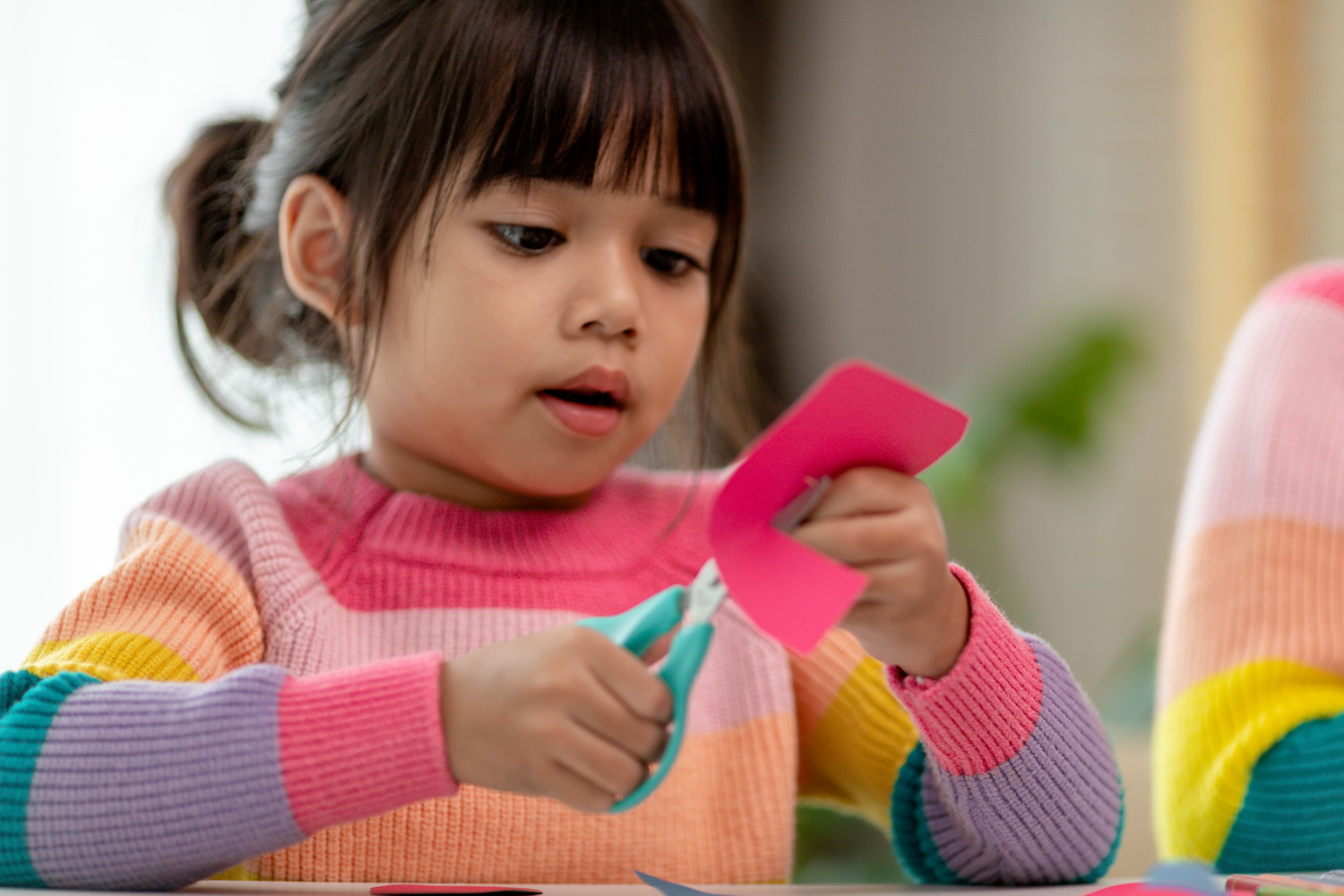
Parents and teachers should prioritize basic arithmetic practice and sight words for ages 4-7 because these skills are foundational to a child's academic success and overall development. Mastering basic arithmetic, such as addition and subtraction, promotes critical thinking and problem-solving abilities. At this stage, children develop a numeracy sense that will support their future work in math and science.
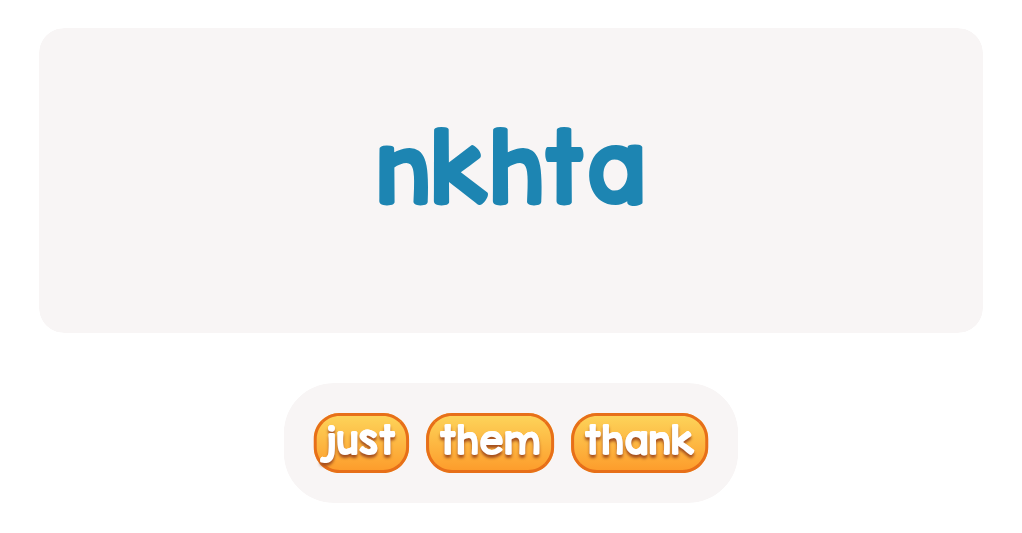
Similarly, sight words are essential for reading fluency. These words are commonly used in texts and are often irregular, meaning they cannot be easily decoded. By ensuring children can recognize these words at sight, we enhance their reading confidence and comprehension levels, ultimately fostering a love for reading.
Moreover, both arithmetic and sight words build confidence and independence in young learners. Early mastery allows children to participate meaningfully in classroom activities and discussions, enhancing their motivation and engagement. These skills also serve as a bridge for more complex concepts in later grades.
Investing time in basic arithmetic and sight word practice for children aged 4-7 will lead to a strong academic foundation. It nurtures well-rounded individuals capable of expressing themselves critically and creatively in both numerical and linguistic contexts.