Logical thinking Sight Words Worksheets for Ages 4-7
3 filtered results
Difficulty Level
Grade
Age
-
From - To
Subject
Activity
Standards
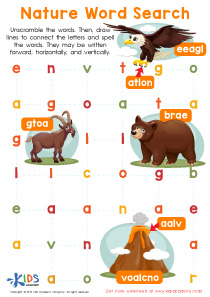
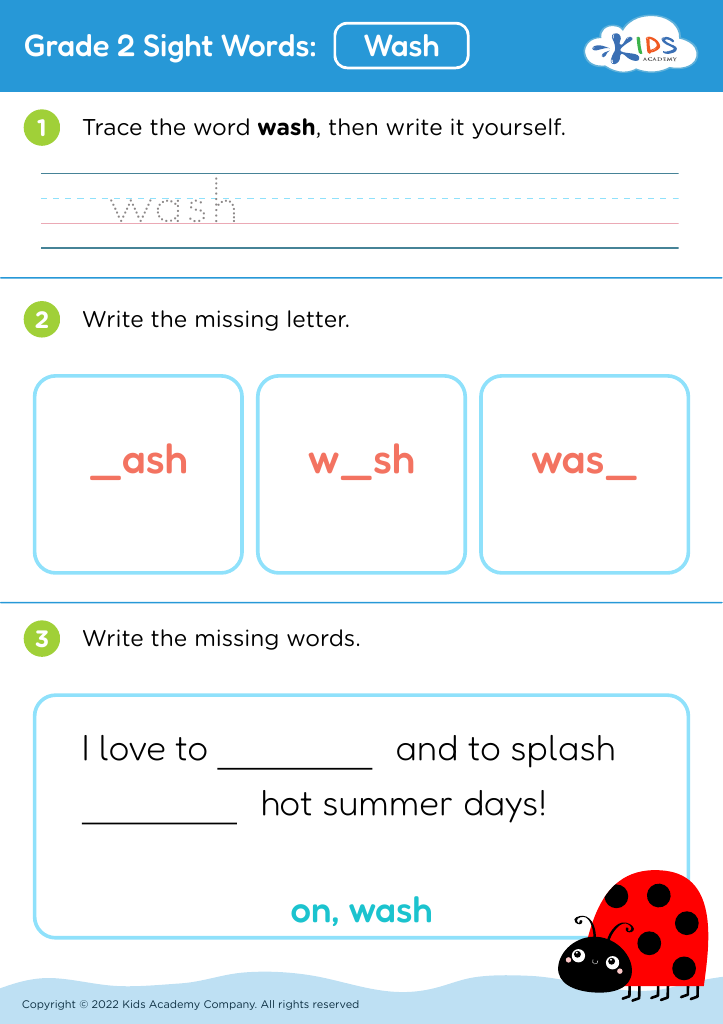
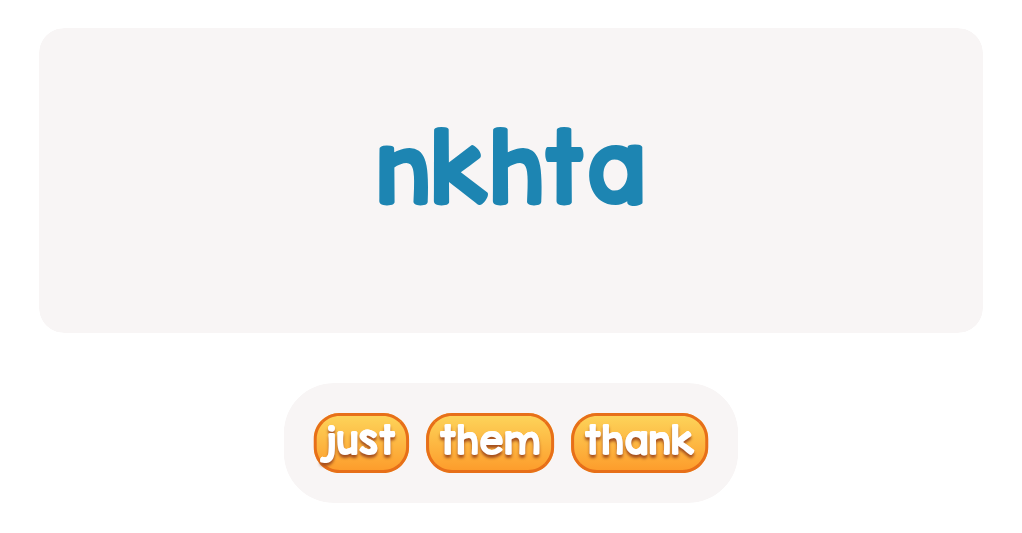
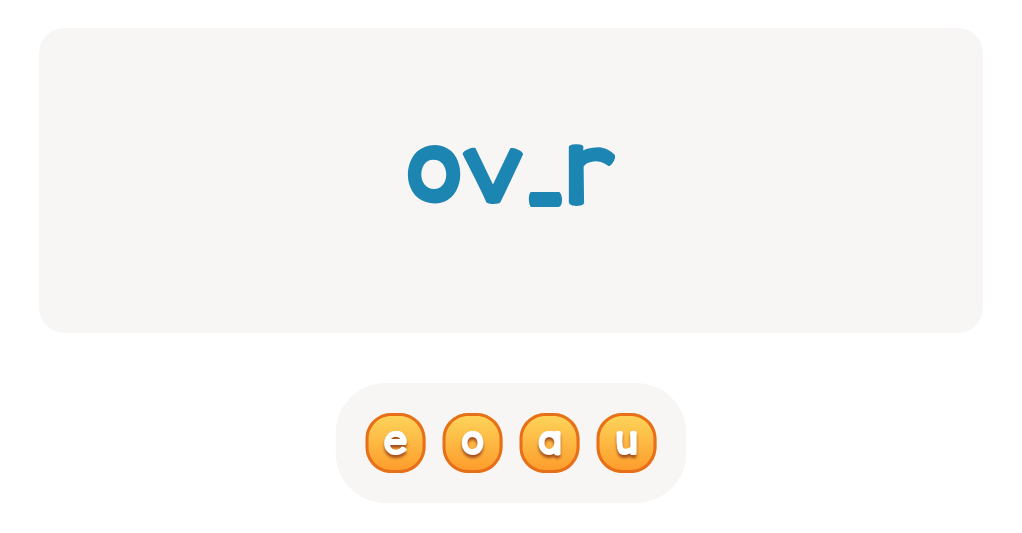
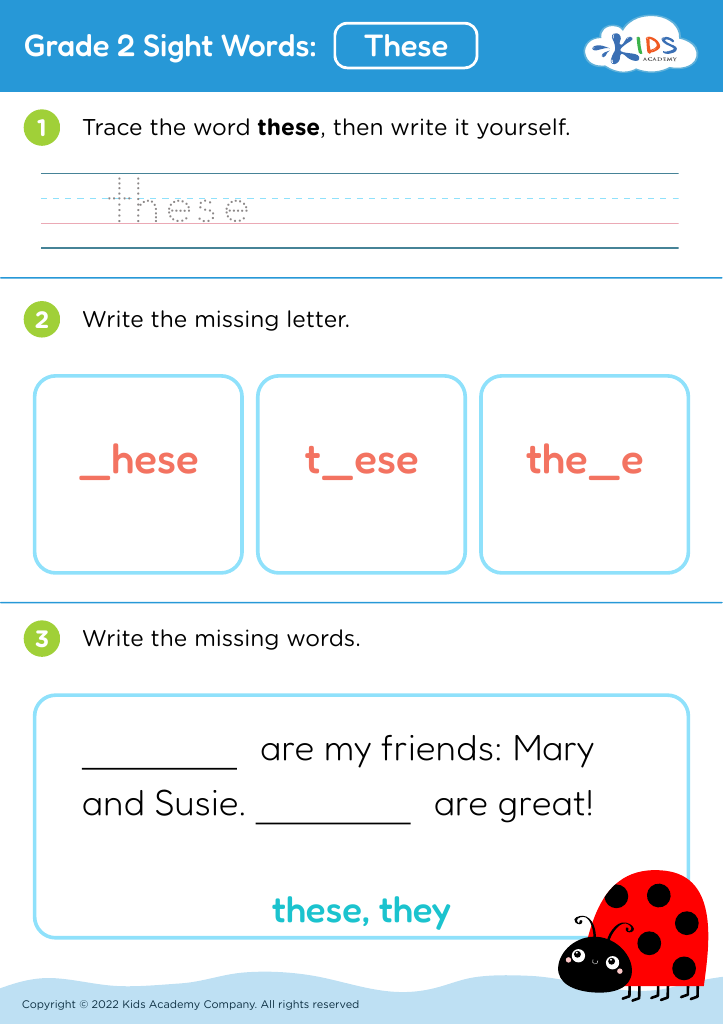
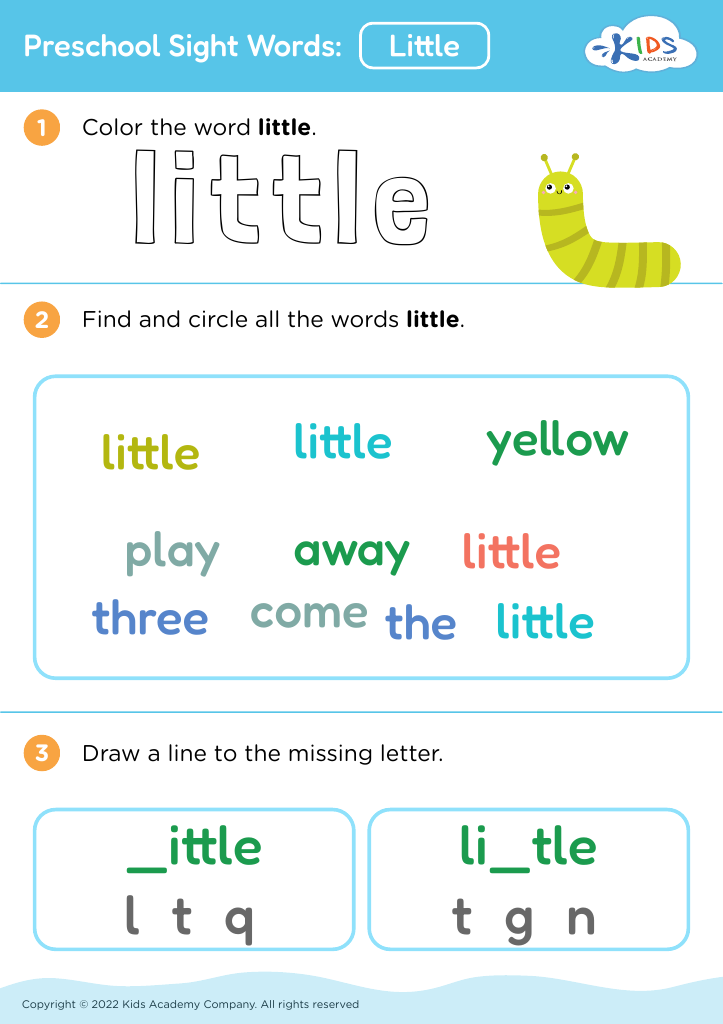
Boost your child's reading skills with our engaging "Logical Thinking Sight Words Worksheets" designed for ages 4-7. These interactive worksheets offer a unique approach to learning sight words, fostering logical thinking while enhancing vocabulary. Children will enjoy activities that challenge their problem-solving abilities through fun exercises like matching, categorizing, and word-filled puzzles. Our resources aim to make learning enjoyable, helping young learners develop the foundational skills needed for reading fluency. With easy-to-follow instructions and colorful graphics, these worksheets are perfect for both classrooms and home activities, ensuring little learners build confidence in their reading journey. Start exploring today!
Favorites
With answer key
Interactive







Join Kids Academy for Free
Who is primarily going to use this learning content?


.jpg)





Parents and teachers should prioritize Logical Thinking Sight Words for children aged 4-7 as these foundational skills are crucial for early literacy and cognitive development. Sight words, or high-frequency words that children can recognize instantly, play a significant role in reading fluency. By incorporating logical thinking into the learning of these words, children begin to develop critical reasoning skills alongside their reading abilities.
Logical thinking encourages children to make connections, predict outcomes, and understand the relationships between words and their meanings. This kind of analytical reasoning enhances comprehension, allowing children to extract information and infer context when they encounter unfamiliar words. Moreover, engaging with sight words through logical puzzles or games makes the learning process enjoyable, fostering a love for reading and reducing frustration.
Furthermore, these skills equip children with the tools to approach problem-solving scenarios both in academic settings and everyday life. By nurturing logical thinking alongside sight word mastery, parents and teachers can lay a solid foundation for lifelong learning, ensuring that children become not just proficient readers but also confident thinkers. Investing in these early skills ultimately prepares young learners for future academic challenges and enriches their overall cognitive capabilities.