Mathematical reasoning Sight Words Worksheets for Ages 4-7
6 filtered results
-
From - To
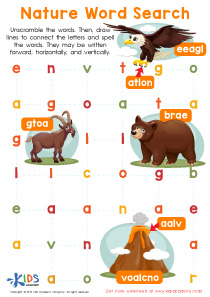
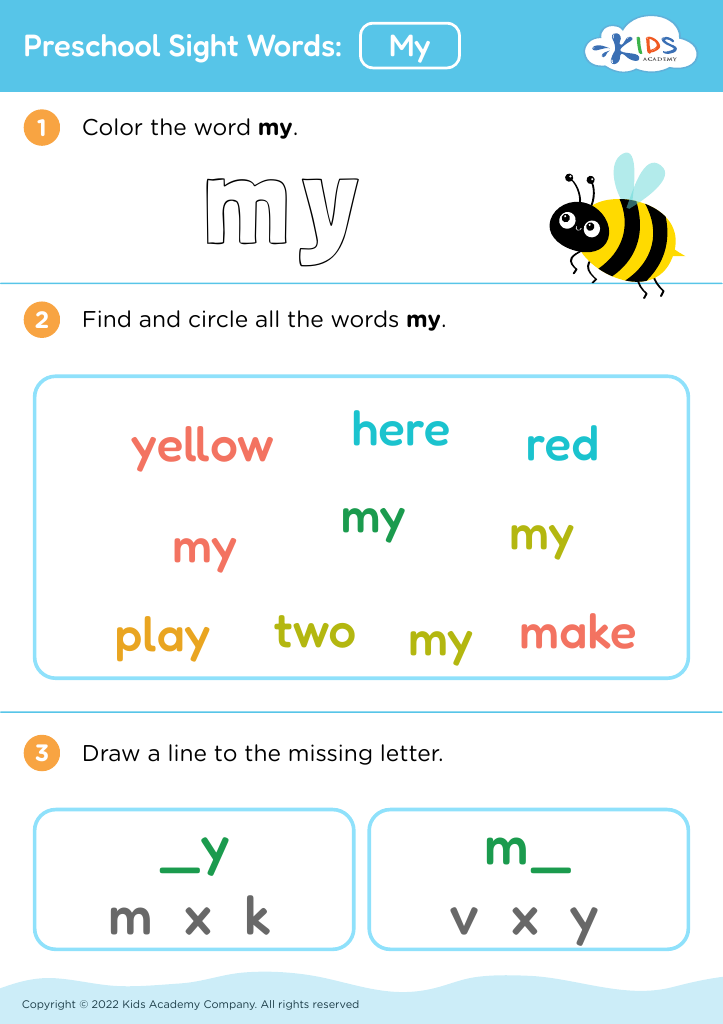
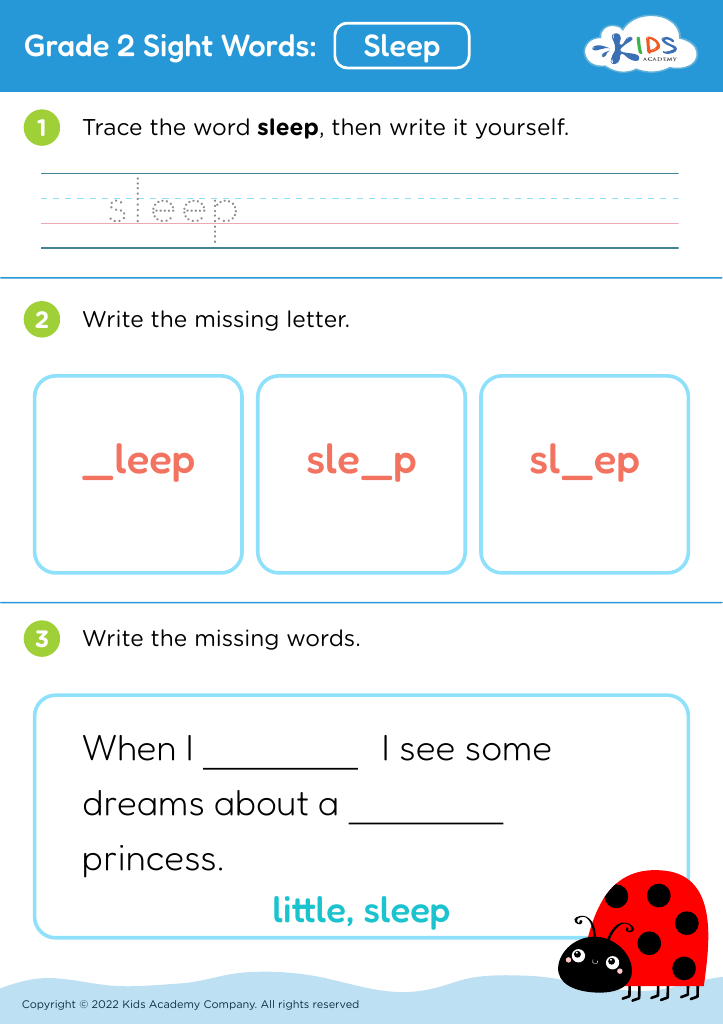
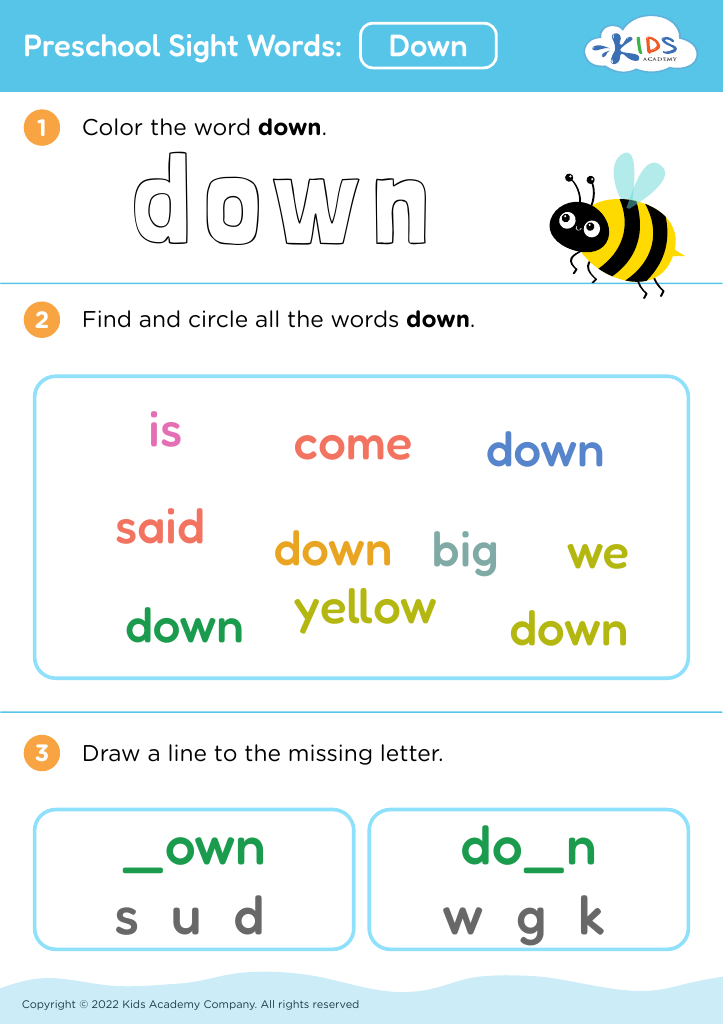
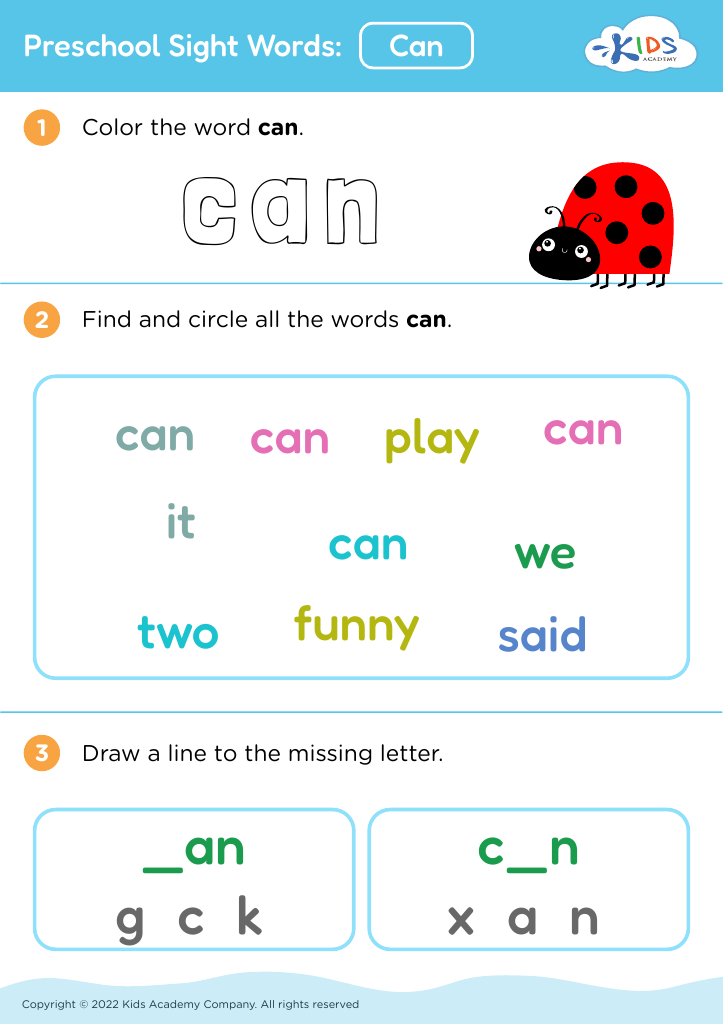
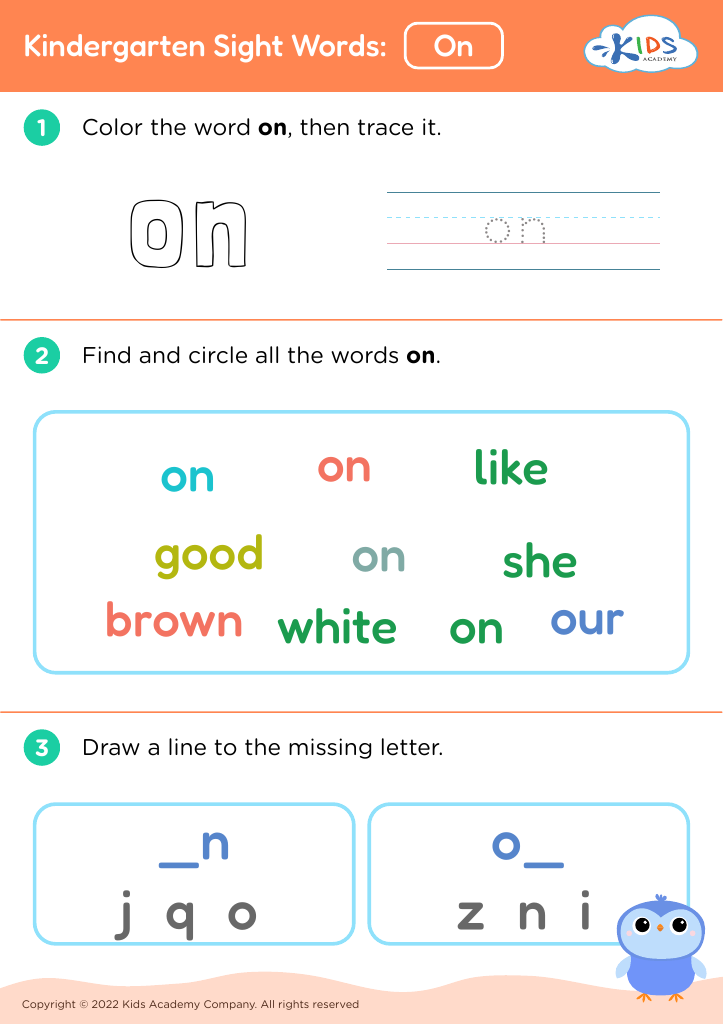
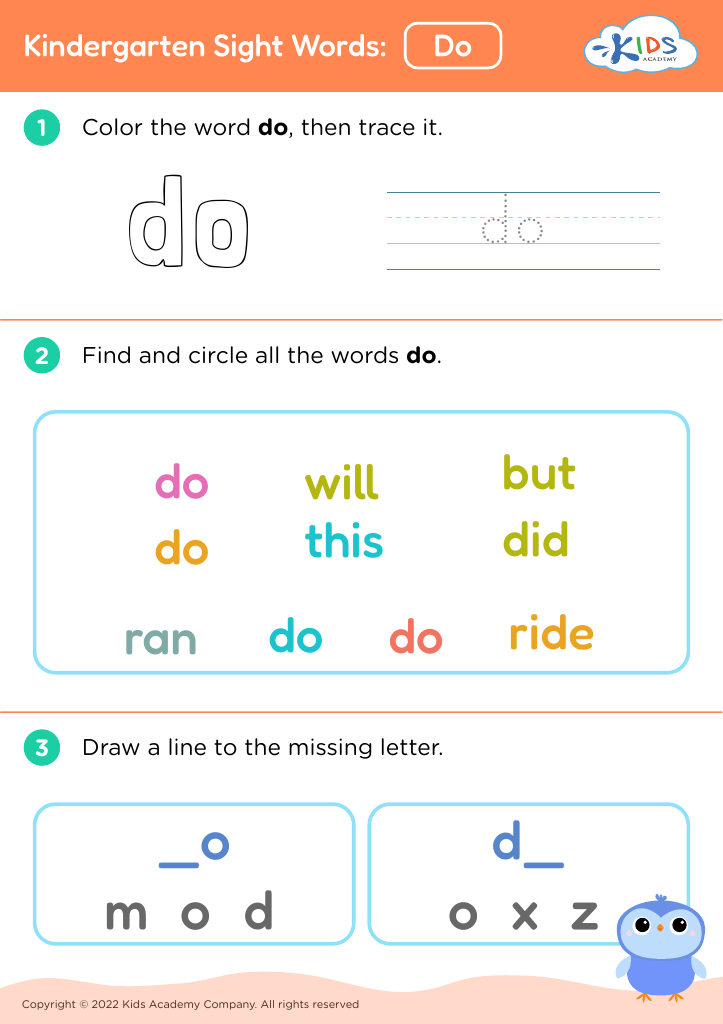
Welcome to our "Mathematical Reasoning Sight Words Worksheets" tailored for children ages 4-7! These engaging worksheets combine foundational sight word recognition with essential math skills, helping young learners develop their mathematical reasoning in a fun and interactive way. Each activity is designed to reinforce both sight word vocabulary and key math concepts, making learning enjoyable and effective. Our vibrant illustrations and age-appropriate exercises ensure that children stay motivated while enhancing their abilities. Perfect for classrooms or home learning, these worksheets support early literacy and math growth, laying a strong foundation for lifelong learning. Start exploring today!









.jpg)



Mathematical reasoning and sight words for ages 4-7 are crucial for early literacy and numeracy development, forming a strong foundation for future learning. Parents and teachers should prioritize these skills as they promote critical thinking, problem-solving, and effective communication—all essential for academic success and everyday life.
Mathematical reasoning helps young learners understand and apply mathematical concepts in real-world situations. It encourages curiosity, fostering a mindset that is essential for later success in STEAM (Science, Technology, Engineering, Arts, and Mathematics) fields. Engaging with math early enhances children’s confidence, promoting a more enthusiastic approach to learning.
Sight words, on the other hand, are essential for reading fluency and comprehension. Mastering these words enables children to decode messages quickly, allowing them to focus on understanding content rather than struggling with basic vocabulary. This not only builds literacy skills but also encourages a love for reading, which is fundamental for lifelong learning.
In summary, by caring about and promoting mathematical reasoning and sight words, parents and teachers lay the groundwork for children’s intellectual growth, boosting their overall academic performance and equipping them with skills essential for success in school and beyond.