Color recognition Songs Worksheets for Ages 4-7
8 filtered results
-
From - To
Discover our engaging Color Recognition Songs Worksheets designed for young learners aged 4-7! These fun and interactive resources combine music with education to help children master color identification in a playful way. Featuring vibrant songs and creative activities, our worksheets encourage active participation, allowing kids to learn through rhythm and rhyme. Perfect for early grade classrooms or at-home learning, they promote cognitive development and enhance listening skills. With a variety of exercises, including coloring, drawing, and singing along, children will enjoy exploring the world of colors while fostering their creativity. Illuminate learning experiences today with our printable color recognition resources!
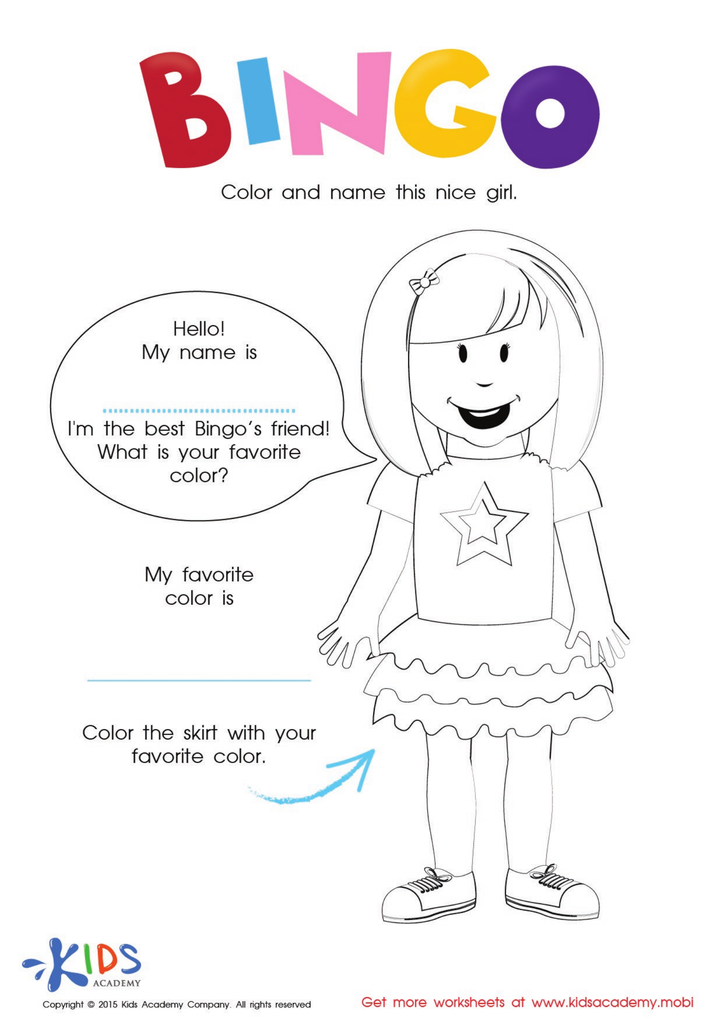
The Bingo Song: Coloring The Girl Worksheet
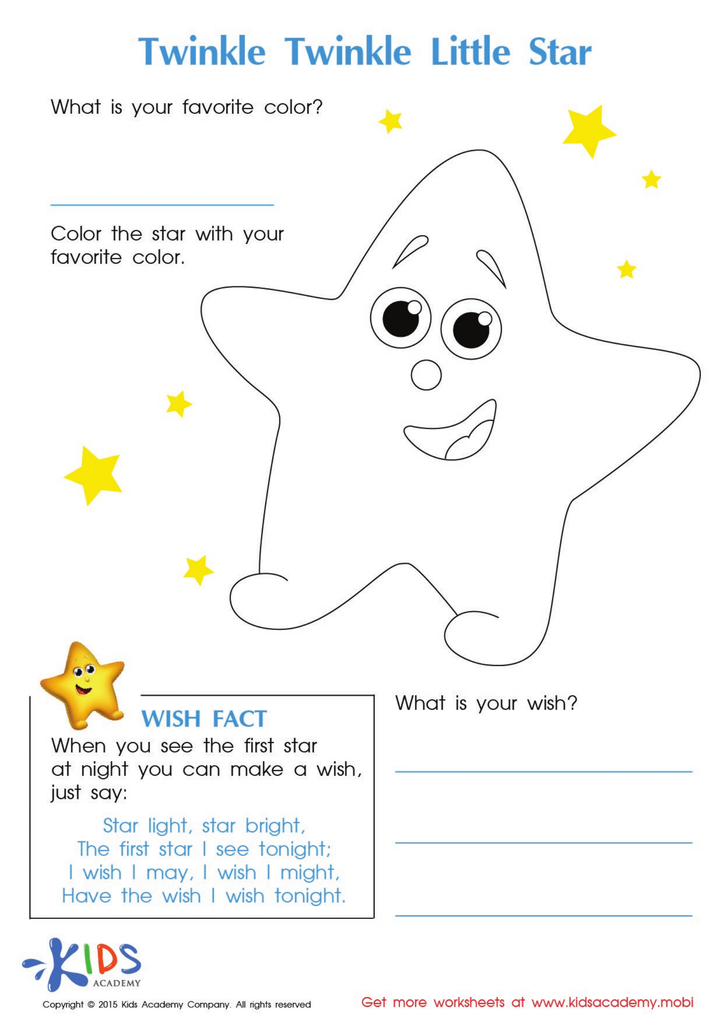
Twinkle Little Star Coloring Worksheet
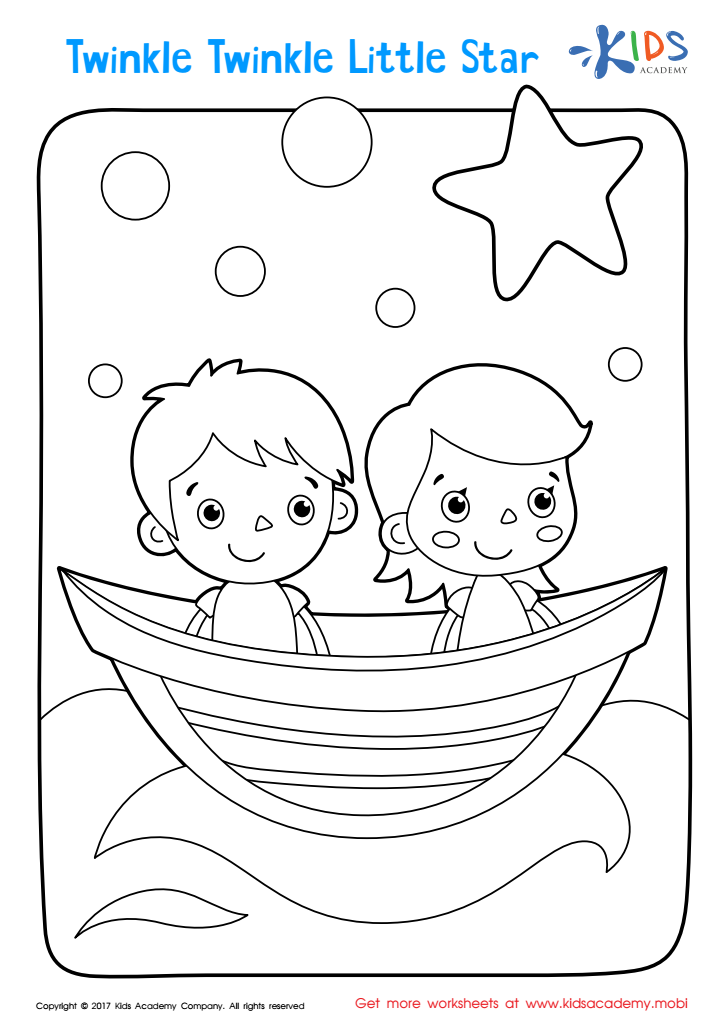
Twinkle Twinkle Little Star Coloring Page
 Assign to My Students
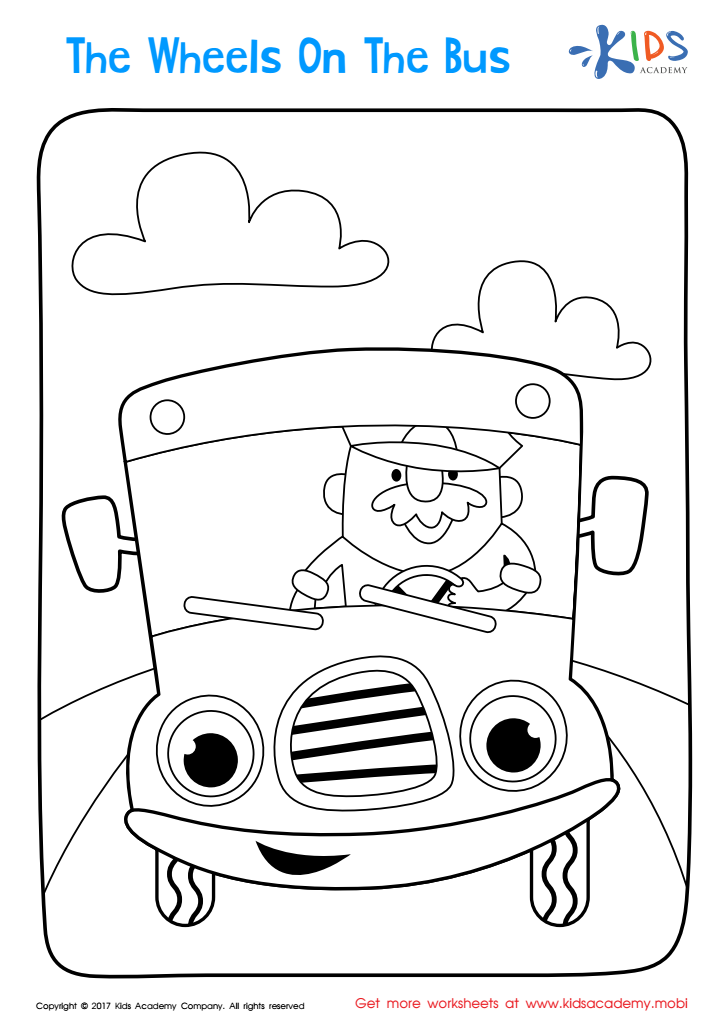
The Wheels on the Bus Coloring Page
Assign to My Students
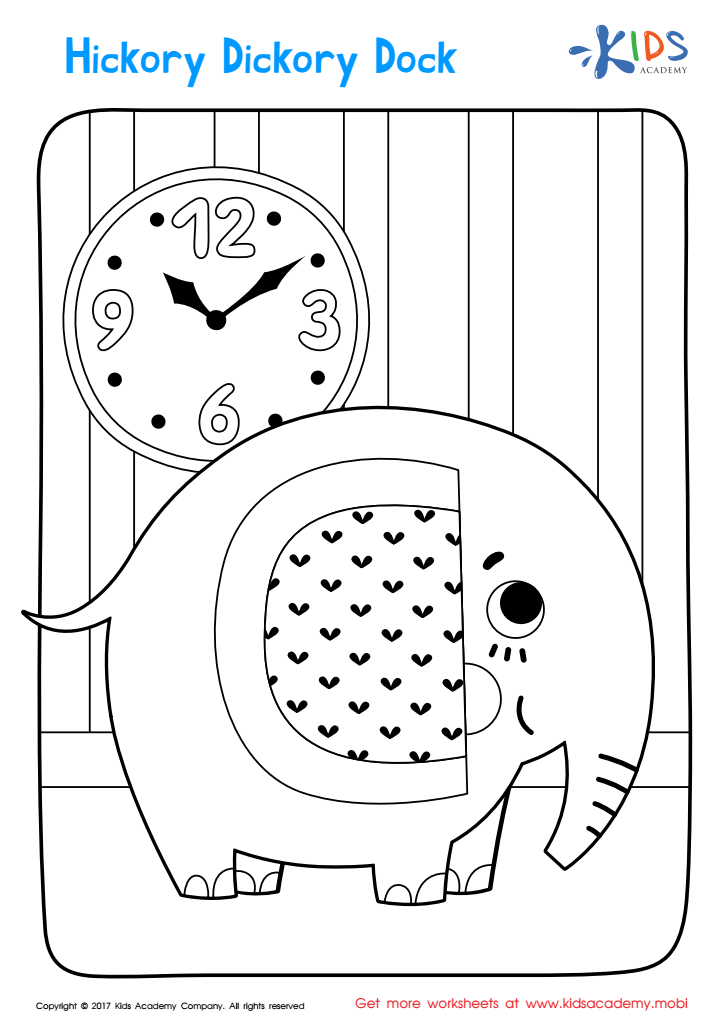
Hickory Dickory Dock Coloring Page
Assign to My Students
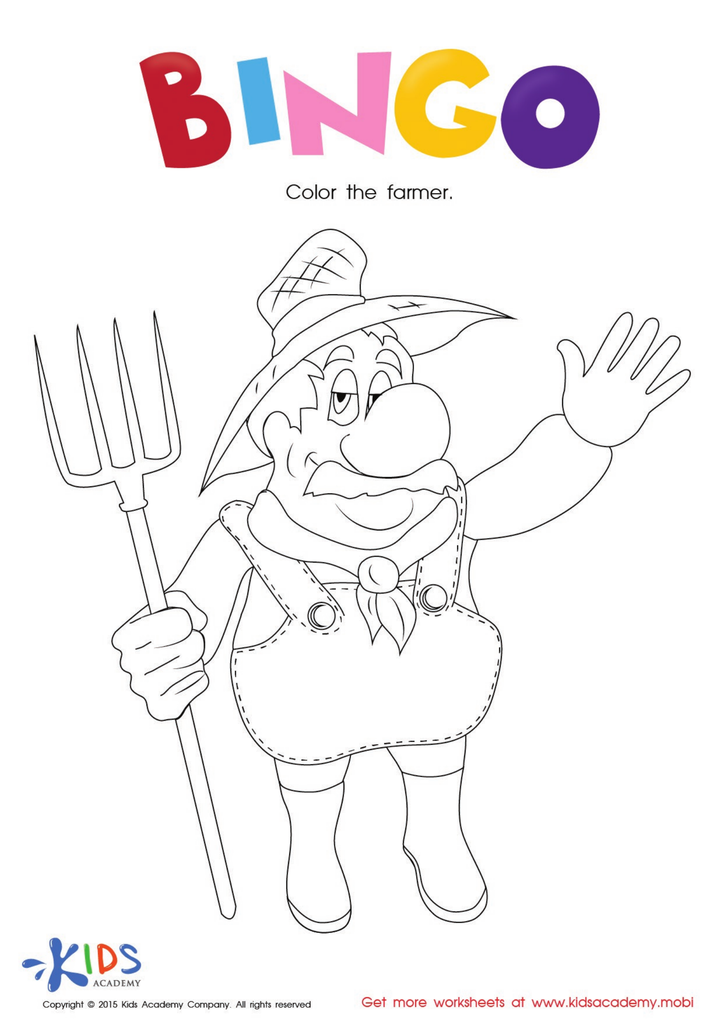
The Bingo Song: Coloring The Farmer Worksheet
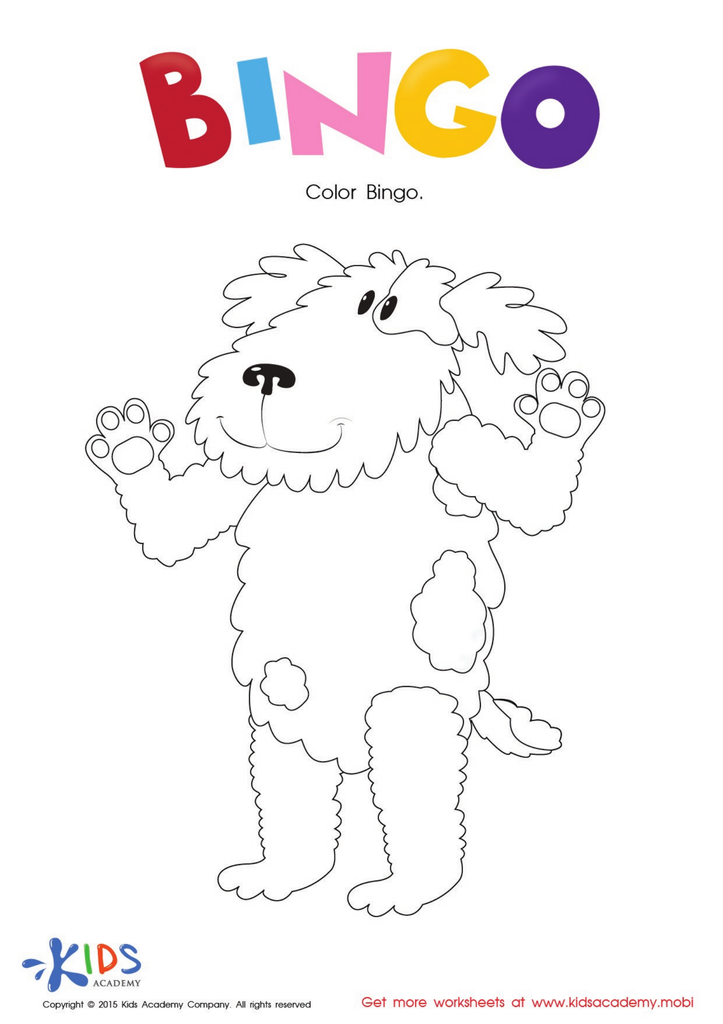
The Bingo Song: Coloring The Dog Worksheet
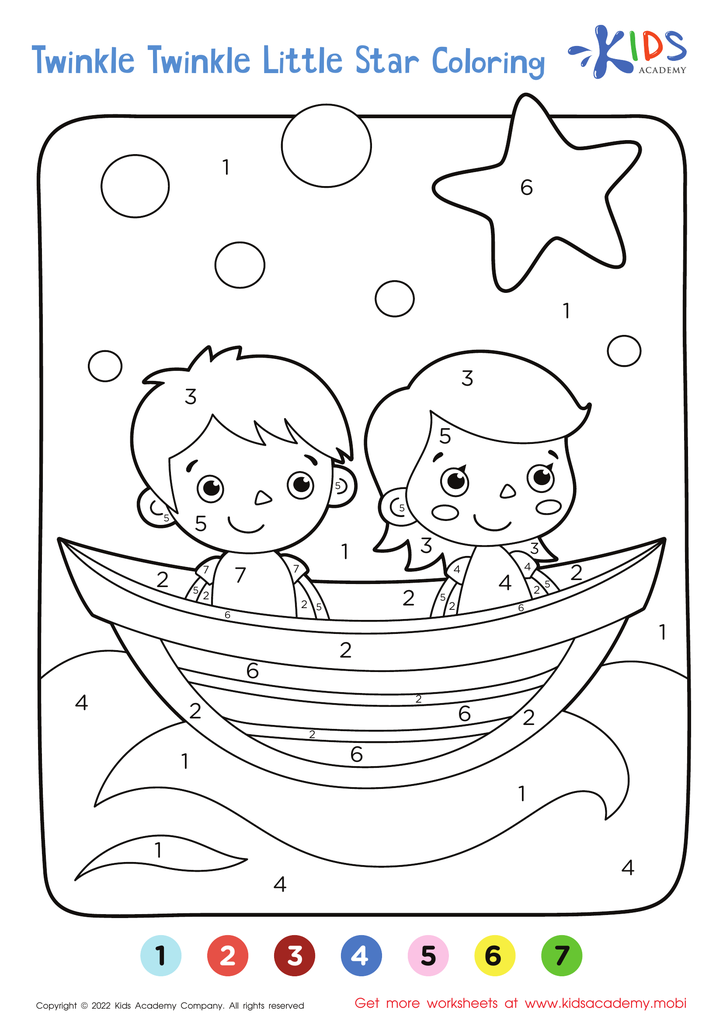
Twinkle, Twinkle, Little Star – Coloring by Numbers








Color recognition songs for ages 4-7 are essential tools in early childhood education that provide numerous benefits for young learners. These songs engage children in an enjoyable and interactive manner, making the process of learning colors exciting and memorable. By singing about colors, children experience auditory and visual stimulation, which aids in information retention.
Moreover, color recognition is a foundational skill vital for cognitive development. Understanding colors enhances a child's ability to categorize and compare objects, setting a solid groundwork for more complex concepts in math, science, and art later in life. Songs serve to reinforce these concepts through repetition and melody, making it easier for children to recall and recognize colors in their environment.
Additionally, music promotes social and emotional development. When parents and teachers incorporate color songs into group activities, they encourage cooperation, listening skills, and confidence as children sing together. This communal aspect fosters a love for learning and helps build connections between peers and adults. Ultimately, color recognition songs play a crucial role in nurturing well-rounded, engaged, and enthusiastic learners, highlighting the importance for parents and teachers to prioritize them in early education settings.








