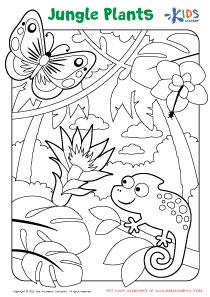
Understanding ecosystems Animals Worksheets for Ages 4-7
3 filtered results
-
From - To
Explore the fascinating world of ecosystems with our "Understanding Ecosystems Animals Worksheets" designed for ages 4-7. These engaging and interactive worksheets introduce young learners to the diverse relationships between animals and their habitats. Through fun activities, kids will identify different ecosystems, learn about animal adaptations, and understand the importance of biodiversity. Our educational resources are tailored to spark curiosity and promote critical thinking skills in young minds. Perfect for classrooms or home schooling, these worksheets make learning about the environment enjoyable and accessible. Join us in nurturing a love for nature and fostering environmental awareness in your child today!
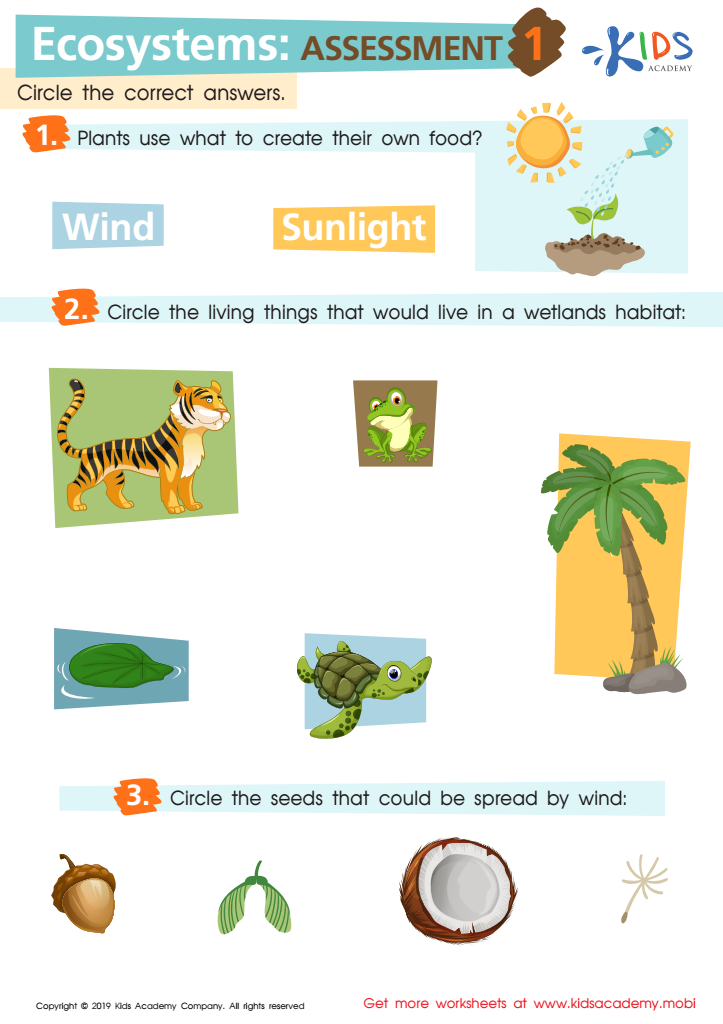
Ecosystems: Assessment 1 Worksheet
 Assign to My Students
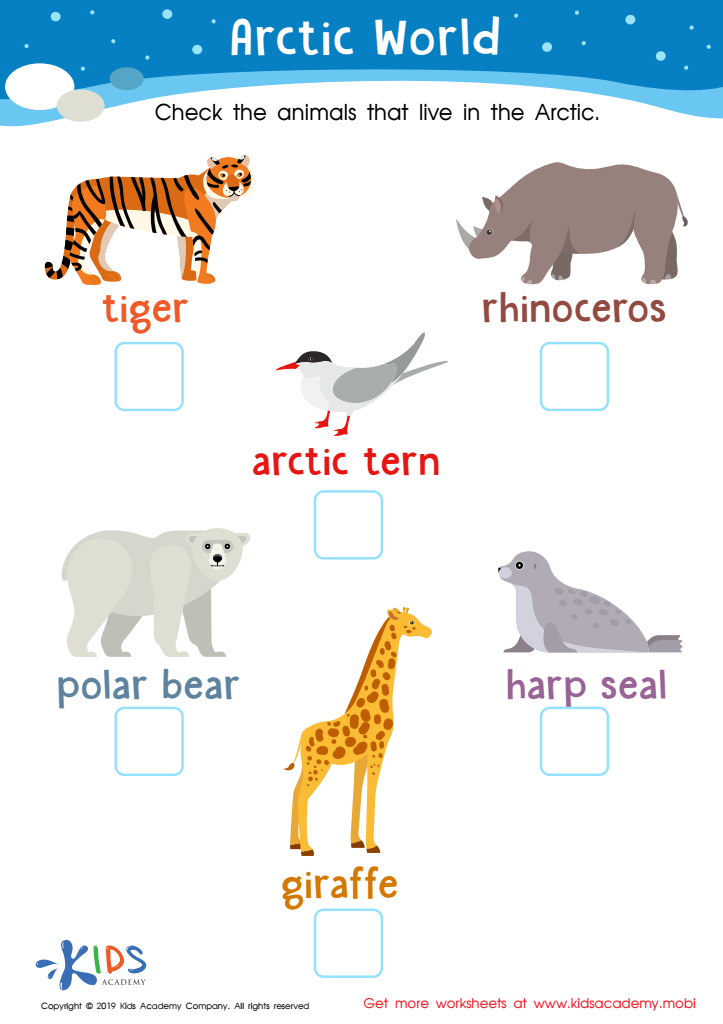
Arctic World Worksheet
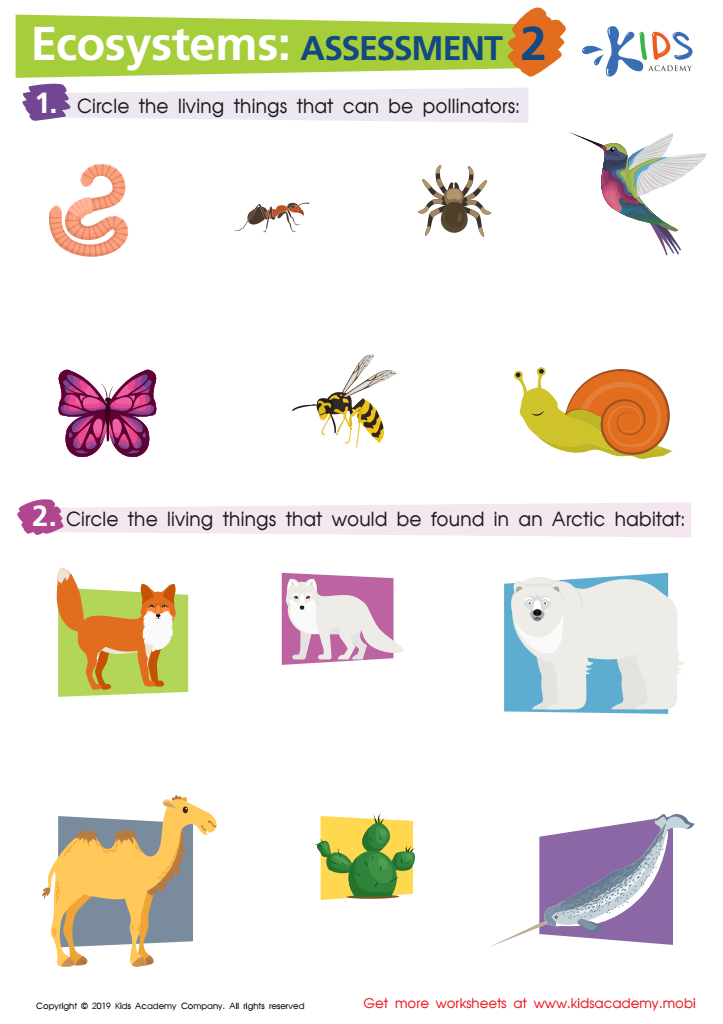
Ecosystems: Assessment 2 Worksheet







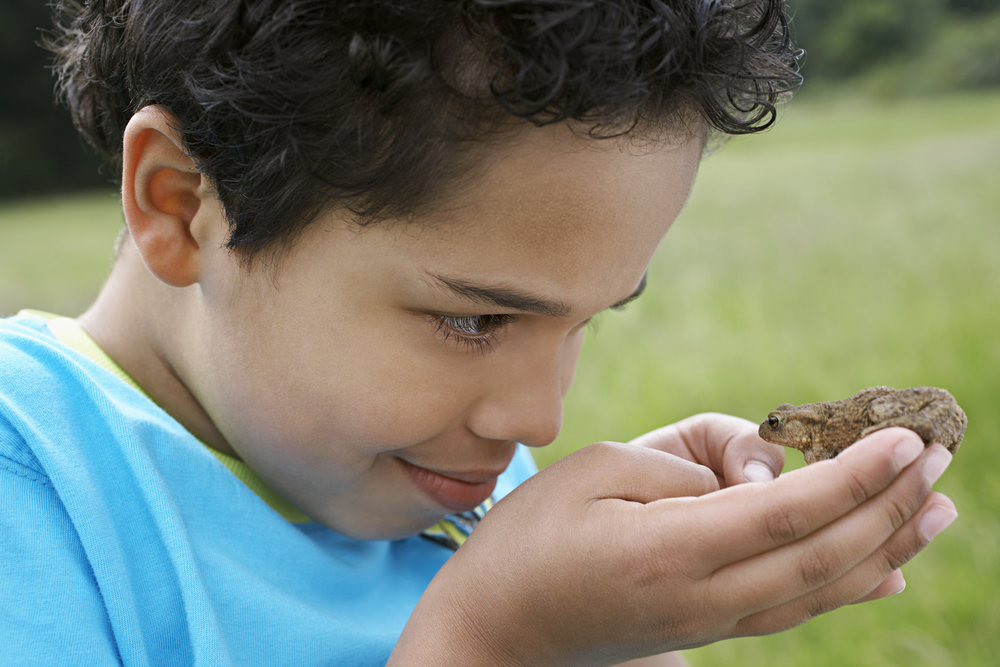
Understanding ecosystems and animals is crucial for children ages 4-7 because it lays the foundation for their awareness of the natural world and promotes curiosity. At this age, children are often very inquisitive, asking questions about plants and animals, their habitats, and their interactions. Teaching them about ecosystems encourages exploration and nurtures an appreciation for biodiversity.
Engaging with this knowledge enhances critical thinking, as children begin to recognize the interdependence of living organisms and their environments. It can spark conversations about responsibility and conservation, helping them understand the importance of respecting nature and fostering empathy towards animals.
Moreover, learning about ecosystems can be integrated into play, art, and storytelling, making it an enjoyable and impactful part of their education. Such topics also enhance language development, vocabulary expansion, and literacy skills as children describe what they learn about different ecosystems and their residents.
Ultimately, by nurturing a bond between children and the natural world, parents and teachers can help instill lifelong values of stewardship and ecological awareness, paving the way for informed future generations who appreciate and protect their environment.