Vocabulary enhancement Our Body and Health Worksheets for Ages 4-7
3 filtered results
-
From - To
Explore our engaging "Vocabulary Enhancement: Our Body and Health Worksheets" designed for children ages 4-7! These worksheets introduce young learners to essential vocabulary related to the human body and health in a fun and interactive way. Each activity focuses on reinforcing language skills while promoting an understanding of the body’s functions, healthy habits, and basic anatomy. Colorful illustrations and age-appropriate exercises keep kids motivated and eager to learn. Perfect for classrooms or at-home learning, these resources encourage curiosity and foster a love for language and science. Start enhancing your child’s vocabulary today with these exciting worksheets!
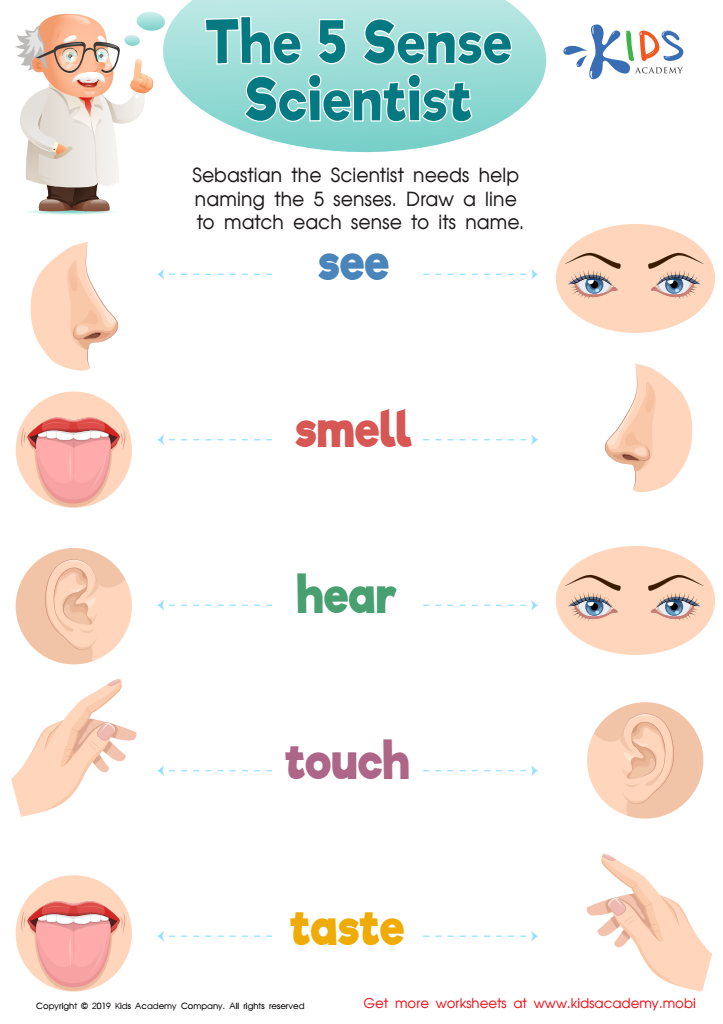
The 5 Sense Scientist Worksheet
 Assign to My Students
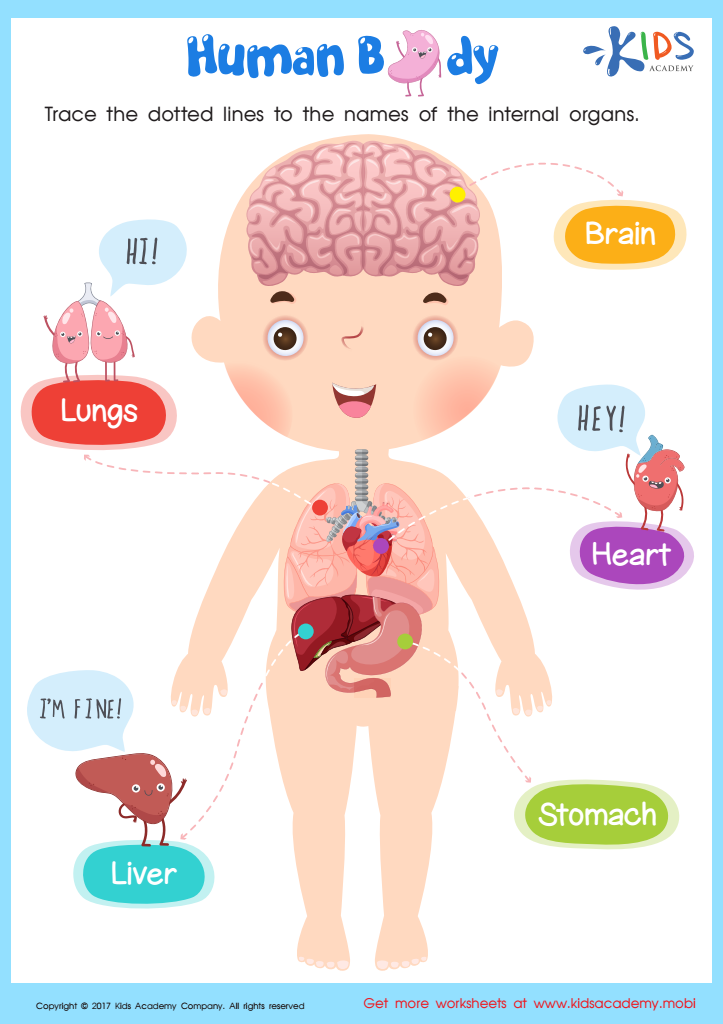
Human Body Worksheet
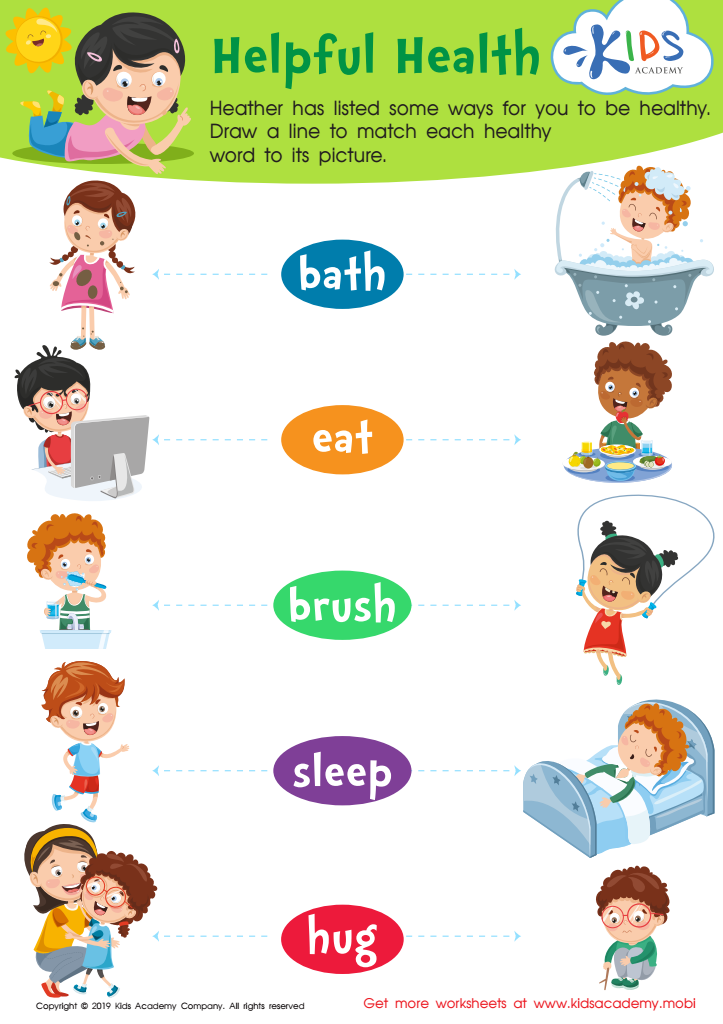
Helpful Health Worksheet



Vocabulary enhancement is crucial for children aged 4-7, particularly in the context of "Our Body and Health." At this developmental stage, children are naturally curious and eager to learn about themselves and their environment. When parents and teachers prioritize vocabulary related to body parts, functions, and health, they pave the way for comprehensive understanding and communication about health and well-being.
By introducing terms like "heart," "lungs," “exercise,” and “nutrition,” children can better articulate their feelings, experiences, and needs regarding their bodies. This knowledge fosters self-awareness and empowers them to make healthier choices as they grow. Moreover, an enriched vocabulary in this area boosts their confidence, facilitating discussions with peers, family, and healthcare professionals.
Additionally, being well-versed in health-related vocabulary strengthens literacy skills, as children learn to read, write, and engage in discussions about their well-being. Engaging activities like storytelling, songs, and hands-on projects can further reinforce these concepts, making learning enjoyable and effective.
Ultimately, increased vocabulary not only nurtures communication skills but also lays the foundation for lifelong healthy habits, helping children navigate their growth and health with a well-informed perspective. Both parents and teachers play pivotal roles in guiding this essential aspect of child development.







