Counting practice Science Worksheets for Ages 4-7
5 filtered results
-
From - To
Discover our engaging Counting Practice Science Worksheets for ages 4-7! Tailored to inspire young minds, these printable worksheets combine the excitement of science with essential counting skills. Each activity is designed to nurture curiosity and develop a strong number sense, guiding children through fun counting exercises within fascinating science themes. Ideal for curious little learners, our worksheets are perfect for home or classroom use, offering an enjoyable way to reinforce foundational math skills while sparking an interest in scientific exploration. Empower your child’s early learning journey today with our dynamic Counting Practice Science Worksheets!
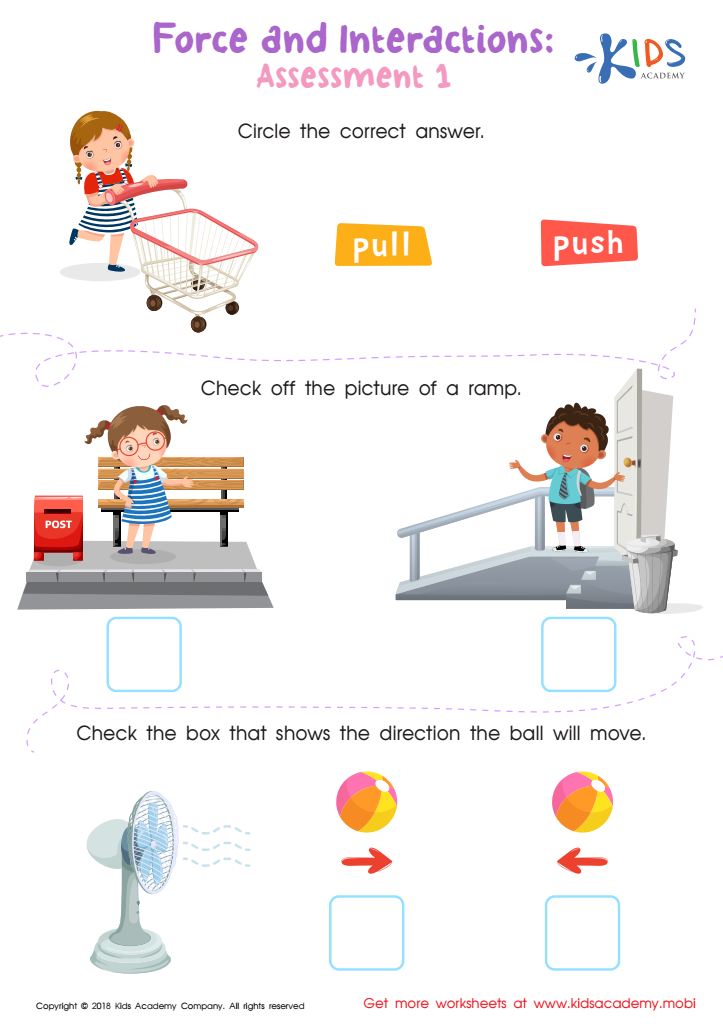
Force and Interactions: Assessment 1 Worksheet
 Assign to My Students
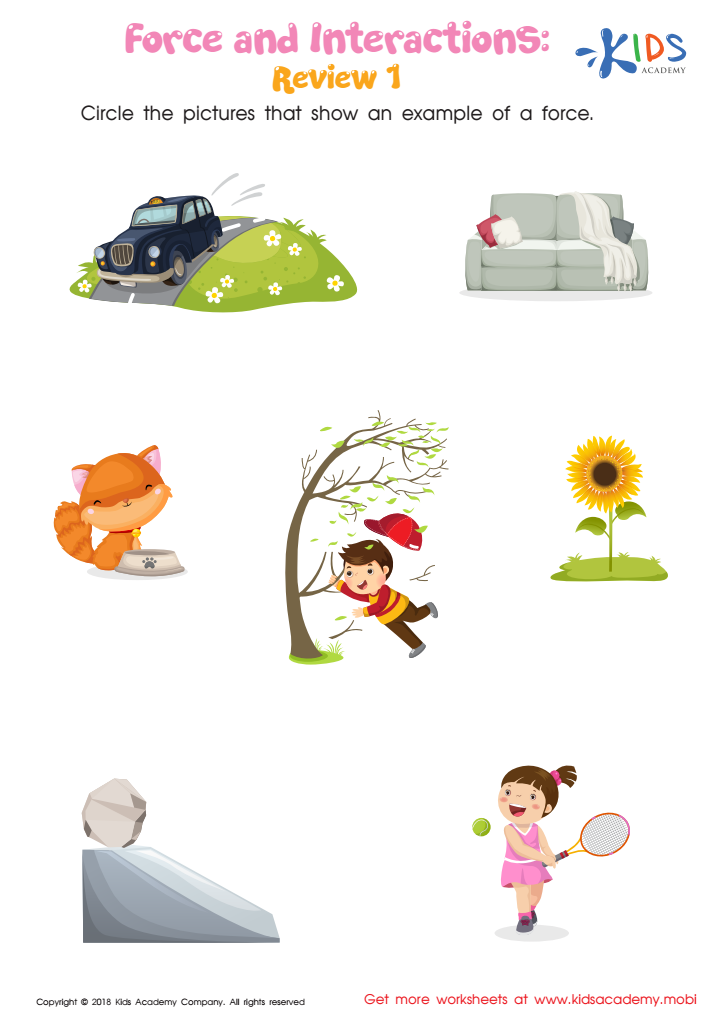
Force and Interactions: Review 1 Worksheet
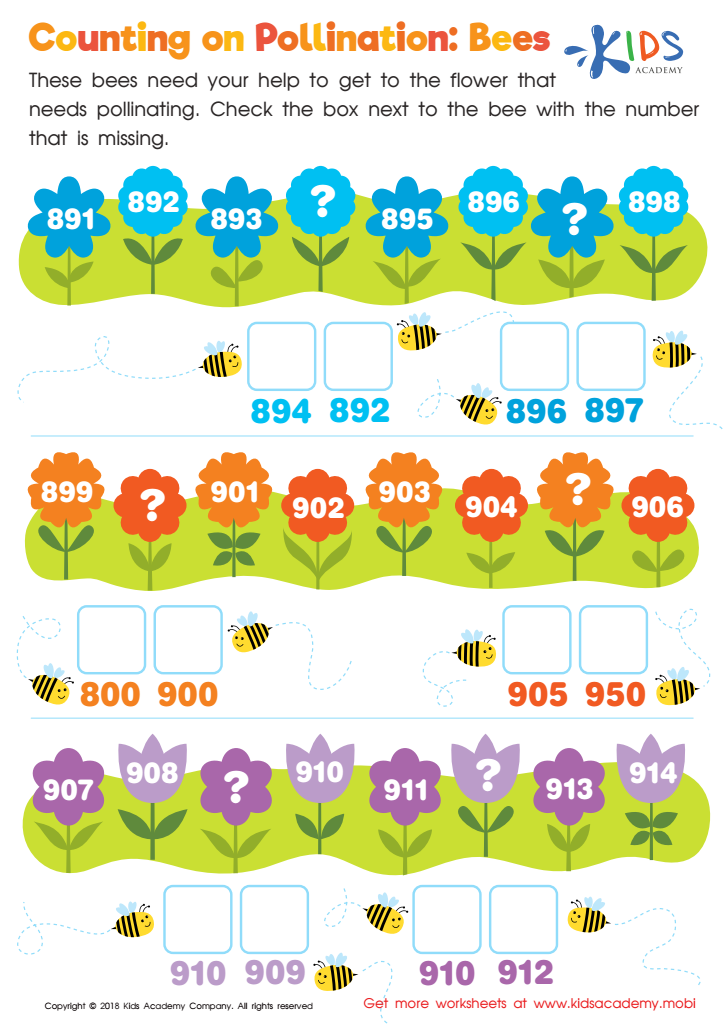
Counting on Pollination: Bees Worksheet
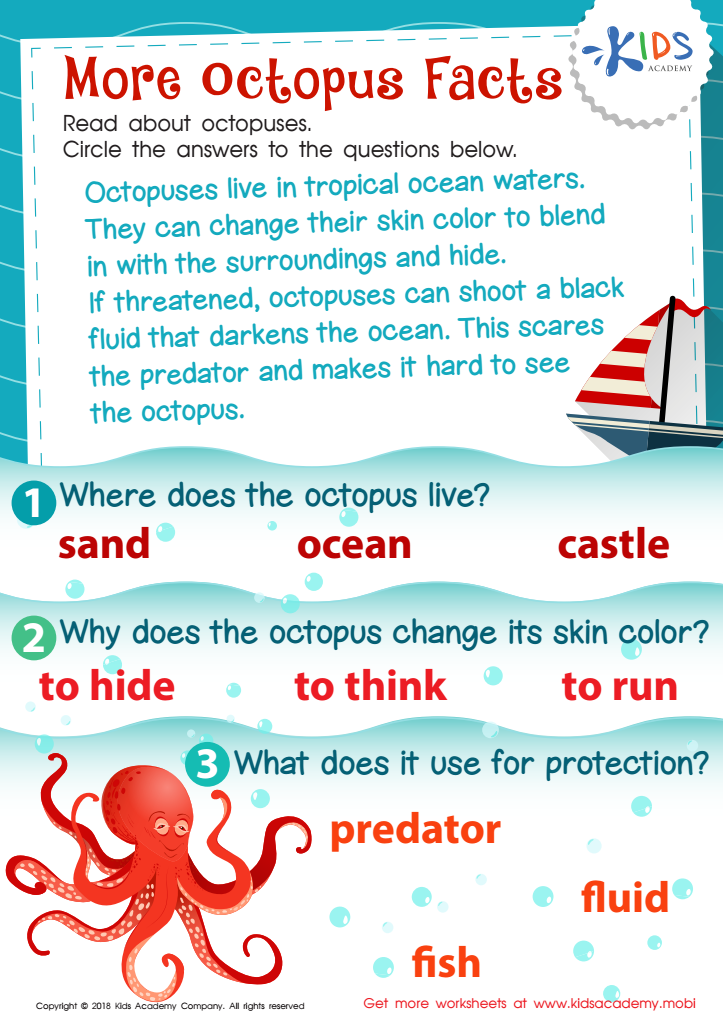
More Octopus Facts Worksheet
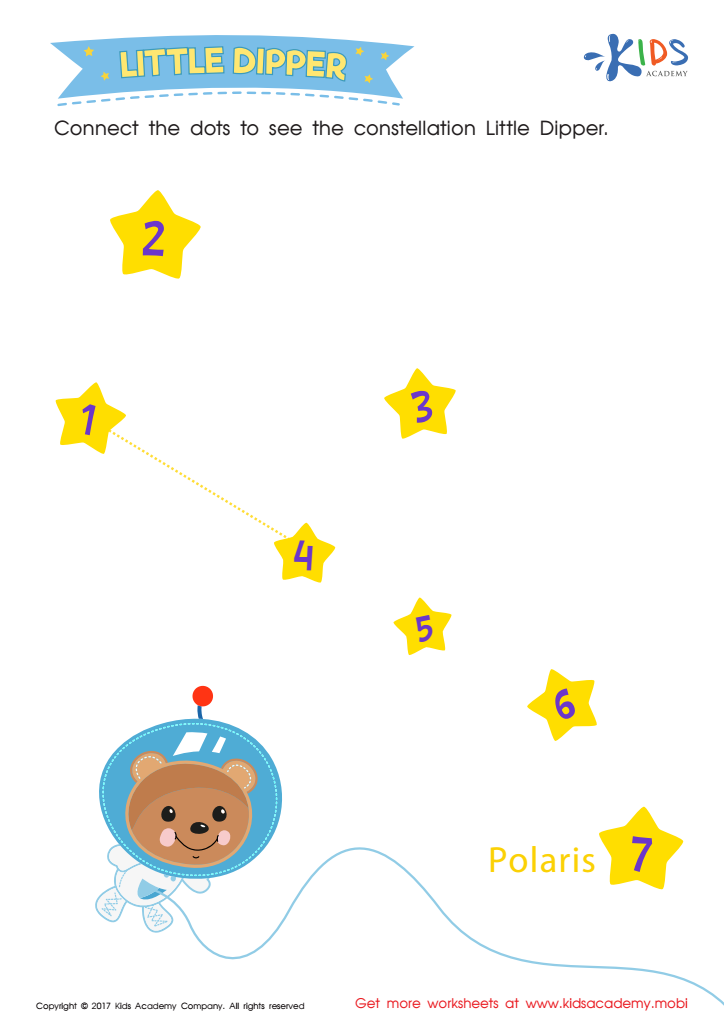








Counting practice is fundamental for children ages 4-7 as it lays the groundwork for future mathematical understanding and cognitive development. Here's why parents and teachers should prioritize it:
-
Foundation for Math Skills: Counting is a primary gateway to more complex mathematics, such as addition, subtraction, multiplication, and division. Early counting practice helps children grasp these future concepts more easily.
-
Number Sense: Developing a strong number sense at a young age means children understand the relationships between numbers, which is crucial for problem-solving and logical thinking.
-
Cognitive Development: Counting activities can improve memory, pattern recognition, and sequencing skills. They also help children develop focus and attention to detail, which can benefit overall academic performance.
-
Practical Life Skills: Counting is used in daily activities like shopping, cooking, and time management. Early familiarity with counting builds confidence and independence in these everyday tasks.
-
Positive Attitude Toward Learning: Engaging, fun counting activities can make learning enjoyable, fostering a positive attitude towards school and education in general.
Incorporating counting practice early ensures children develop strong mathematical foundations, essential cognitive skills, and practical life abilities, setting them up for long-term success both academically and personally.







