Problem-Solving Skills Community Worksheets for Ages 4-7
9 filtered results
-
From - To
Explore our engaging "Problem-Solving Skills Community Worksheets for Ages 4-7"! Designed to foster early critical thinking, these worksheets introduce young learners to essential problem-solving techniques through fun and relatable community scenarios. Children will enjoy interactive activities that enhance their ability to identify problems, brainstorm solutions, and develop logical thinking. Our carefully crafted resources promote creativity and collaboration, encouraging kids to think independently while strengthening teamwork skills. Ideal for classroom and home use, these worksheets not only enrich literacy and math skills but also build foundational social studies knowledge. Inspire your child's ability to tackle challenges with confidence and creativity today!

Community Doctors: Maze Printable
 Assign to My Students
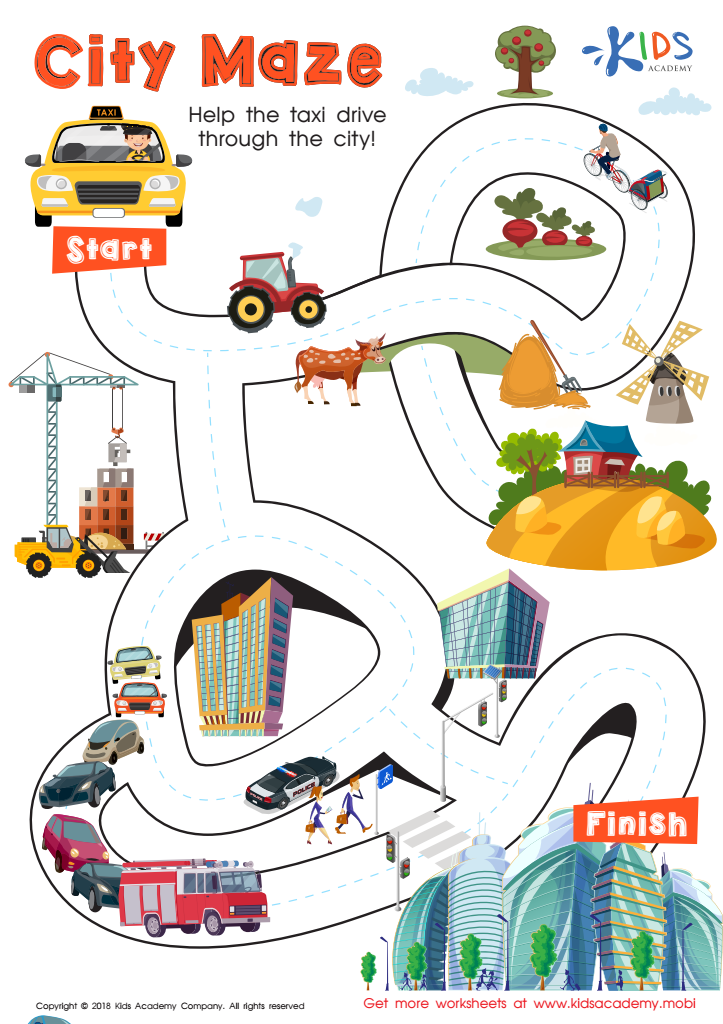
City Maze Worksheet

French Vocabulary Maze Worksheet
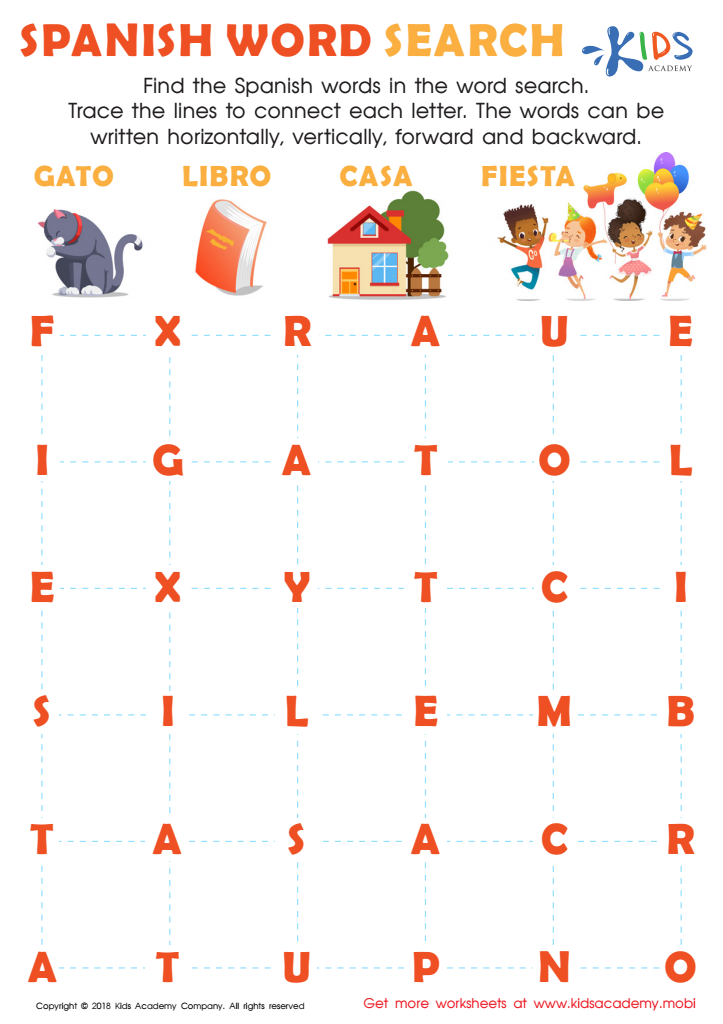
Spanish Word Search Worksheet

Towns Worksheet

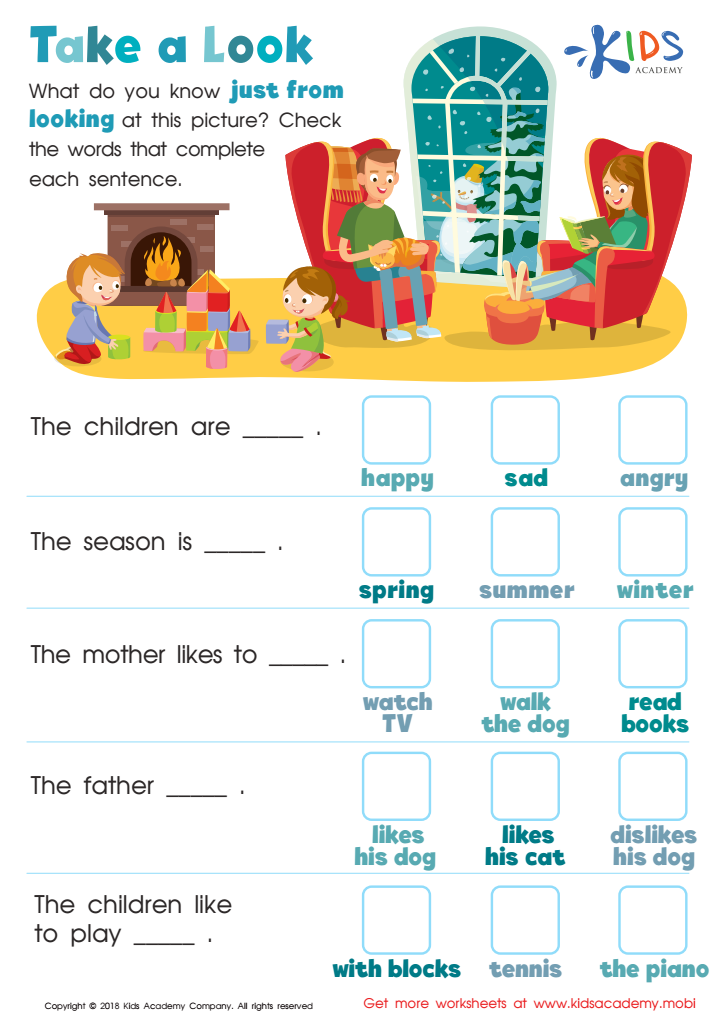
Take a Look - Part 1 Worksheet
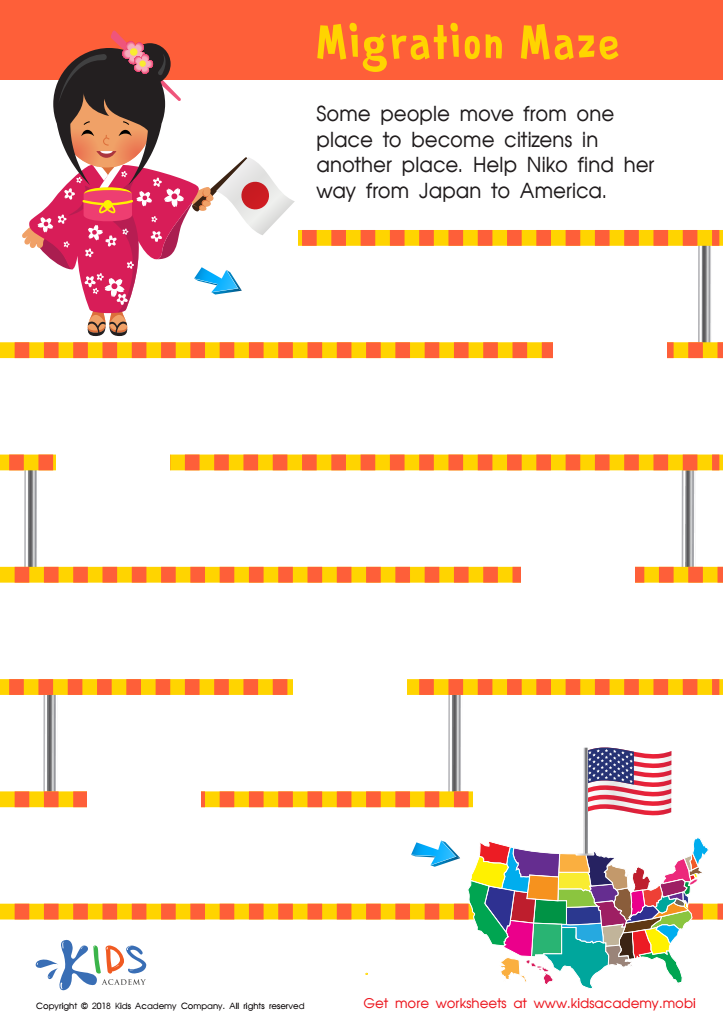
Migration Maze Worksheet
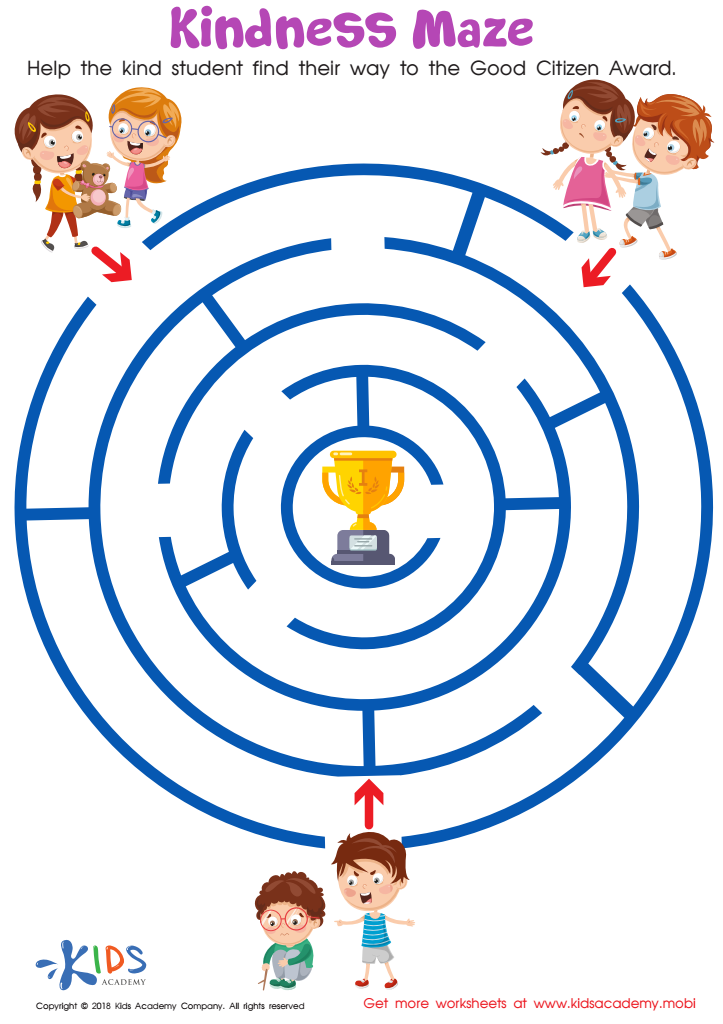
Kindness Maze Worksheet








Parents and teachers should prioritize problem-solving skills for children aged 4-7 because these foundational abilities are crucial for cognitive development and lifelong success. At this age, children are naturally curious and eager to explore their environment. Engaging them in problem-solving activities fosters critical thinking, creativity, and resilience. It encourages them to approach challenges with a positive mindset, preparing them to tackle more complex issues as they grow.
Further, developing problem-solving skills enhances social interactions and collaboration. As children work together to find solutions, they learn to communicate effectively, share ideas, and respect diverse perspectives. This collaborative spirit is essential for building strong relationships and community ties.
Additionally, fostering problem-solving skills in early childhood lays the groundwork for academic success. It empowers children to navigate their learning experiences, encouraging them to investigate, question, and seek solutions autonomously. This proactive approach translates into higher engagement and better performance in school.
Lastly, by supporting a Problem-Solving Skills Community, parents and teachers can model and reinforce positive learning environments, ensuring children feel valued and understood. This collaboration helps create a nurturing space where young children can thrive emotionally, socially, and intellectually. Encouraging these skills now will benefit them for years to come.








