Cultural awareness History Worksheets for Ages 4-7
3 filtered results
-
From - To
Discover our Cultural Awareness History Worksheets tailored for ages 4-7, designed to foster an understanding and appreciation of diverse cultures. These engaging, fun, age-appropriate worksheets introduce young learners to historical events, customs, and traditions from around the world. Children will enhance their social studies knowledge while developing key skills, such as critical thinking and empathy. Perfect for both classroom and home use, these resources support early childhood education by making cultural history accessible and enjoyable. Equip your young explorers with the tools to become informed, open-minded global citizens with our innovative and educational worksheets.
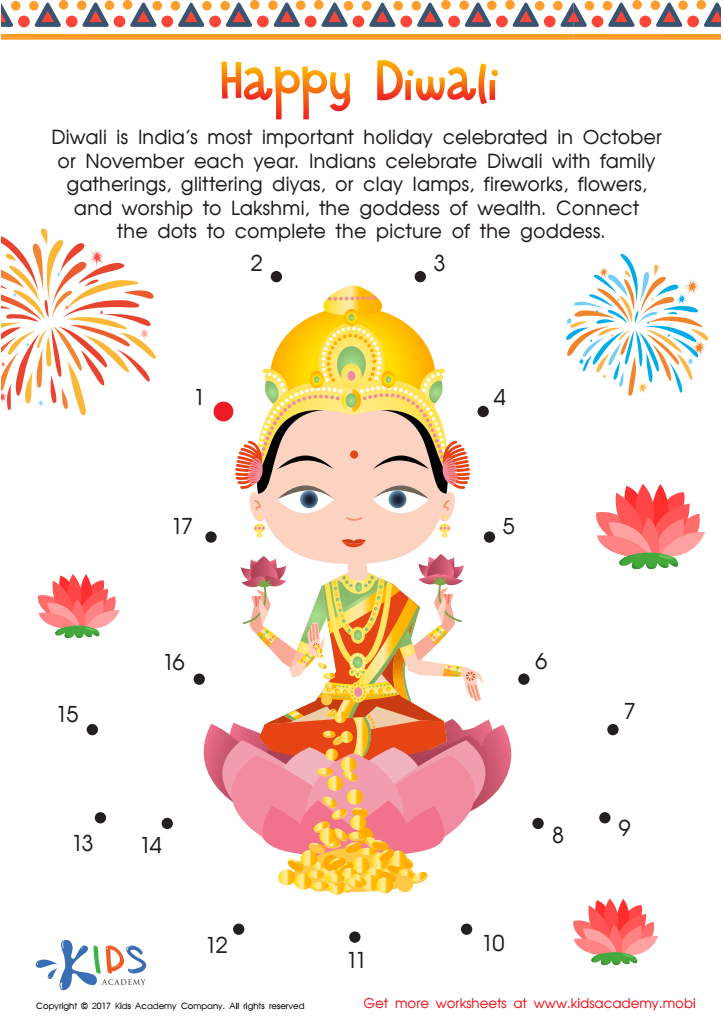
Happy Diwali Printable
 Assign to My Students
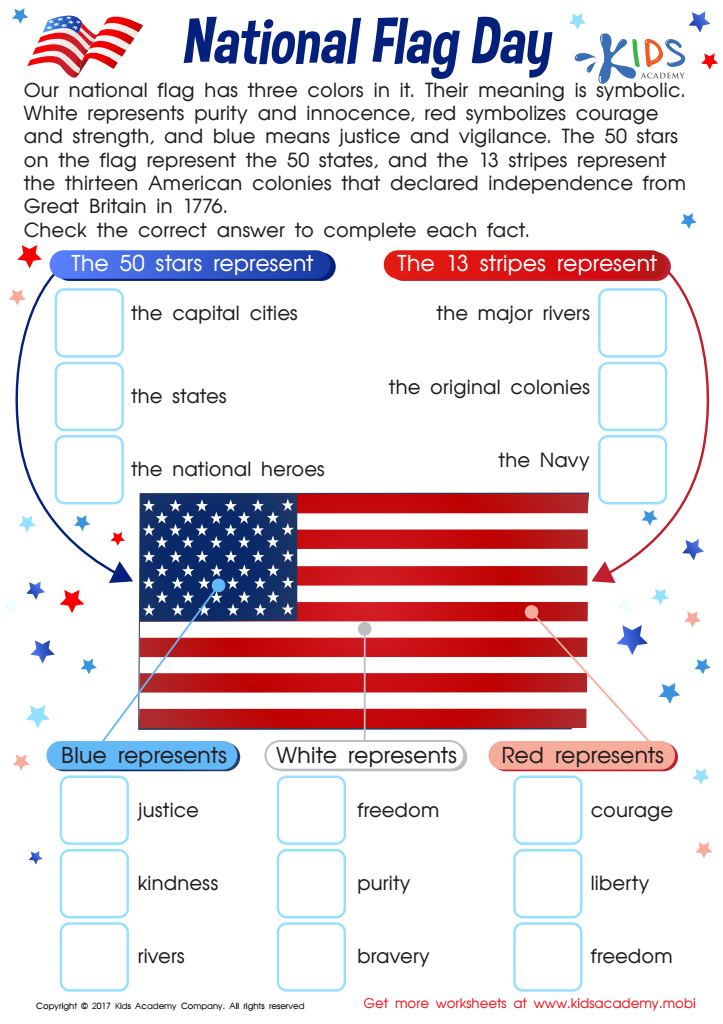
US National Flag Day Worksheet
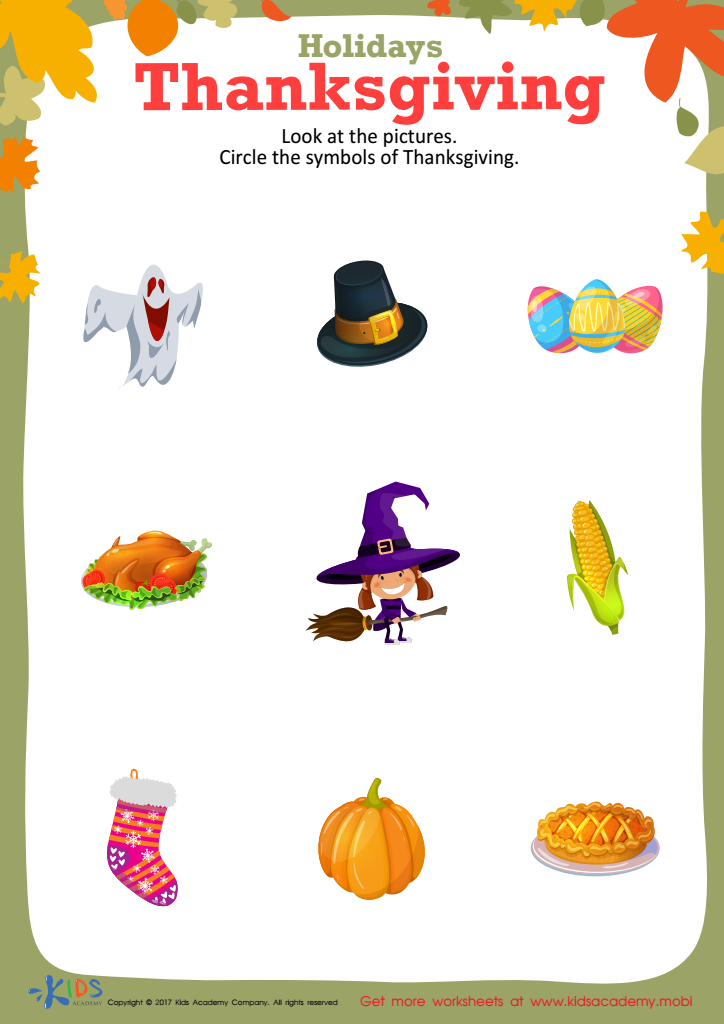
Thanksgiving Holiday Printable






.jpg)

Cultural awareness is crucial for young children aged 4-7 as it lays the foundation for empathy, respect, and open-mindedness. At this age, children are highly impressionable and are just beginning to form their understanding of the world around them. Introducing cultural awareness and history enables them to appreciate diversity and recognize the value of different traditions, languages, and lifestyles.
For parents and teachers, fostering cultural awareness promotes a more inclusive and harmonious environment. Exposure to diverse cultures helps children develop strong social skills, including effective communication and cooperation. Understanding that people have different backgrounds encourages empathy and combats prejudice.
Additionally, learning about cultural history helps children see the interconnectedness of human experiences across the globe. It teaches them that differences are not only normal but also enriching. When children grasp the broader tapestry of human culture, they are likely to feel more connected to the world and all of its inhabitants.
Educationally, culturally aware children are better prepared for future interactions in an increasingly globalized society. They become more adaptable and open to new ideas and perspectives, vital skills for lifelong learning. Parents and teachers who prioritize cultural awareness are investing in raising thoughtful, informed, and compassionate individuals.








