Color Identification World Around Us Worksheets for Ages 4-7
3 filtered results
-
From - To
Explore our engaging "Color Identification World Around Us Worksheets for Ages 4-7"! Designed to foster a love for learning, these worksheets help children recognize and name colors through fun activities involving everyday objects and vibrant imagery. Our thoughtfully crafted exercises inspire curiosity and develop essential cognitive skills, making them perfect for young learners at home or in the classroom. By identifying and coloring various items, kids enhance their visual perception and memory while having fun. Ideal for ages 4-7, our worksheets turn color identification into an exciting exploration of the world around us!
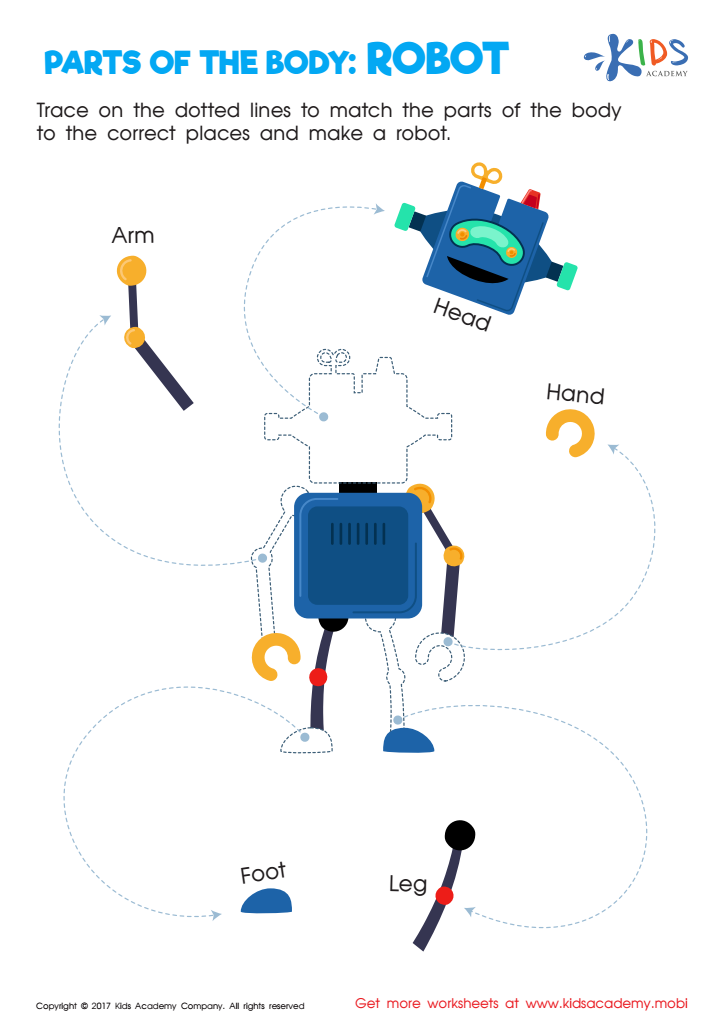
Robot Printable
 Assign to My Students
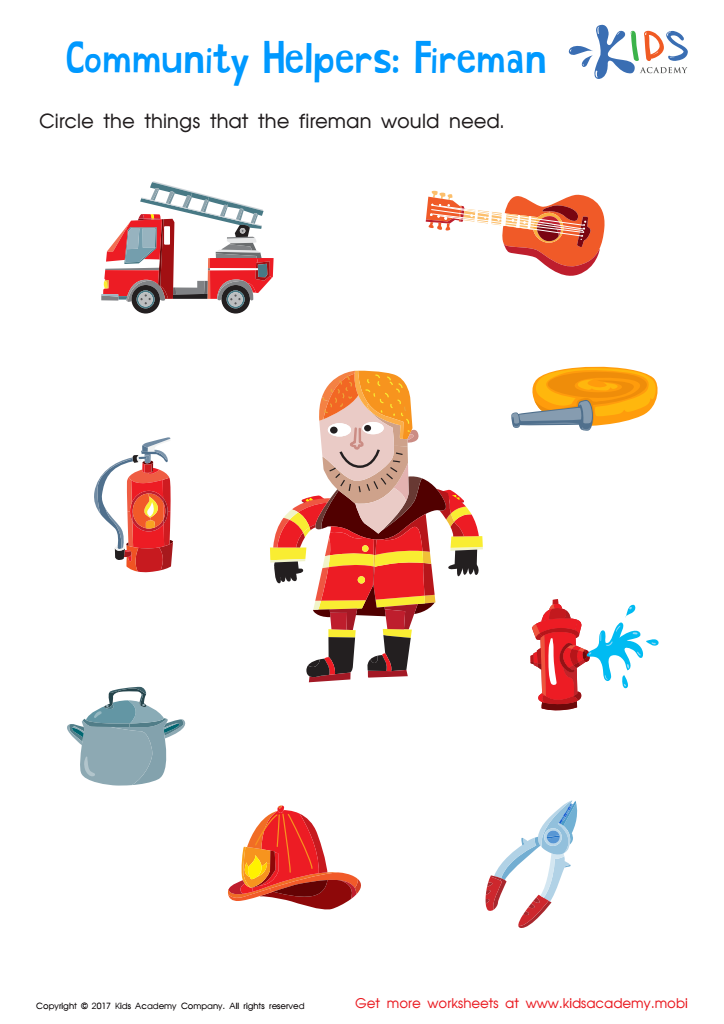
Fireman Worksheet
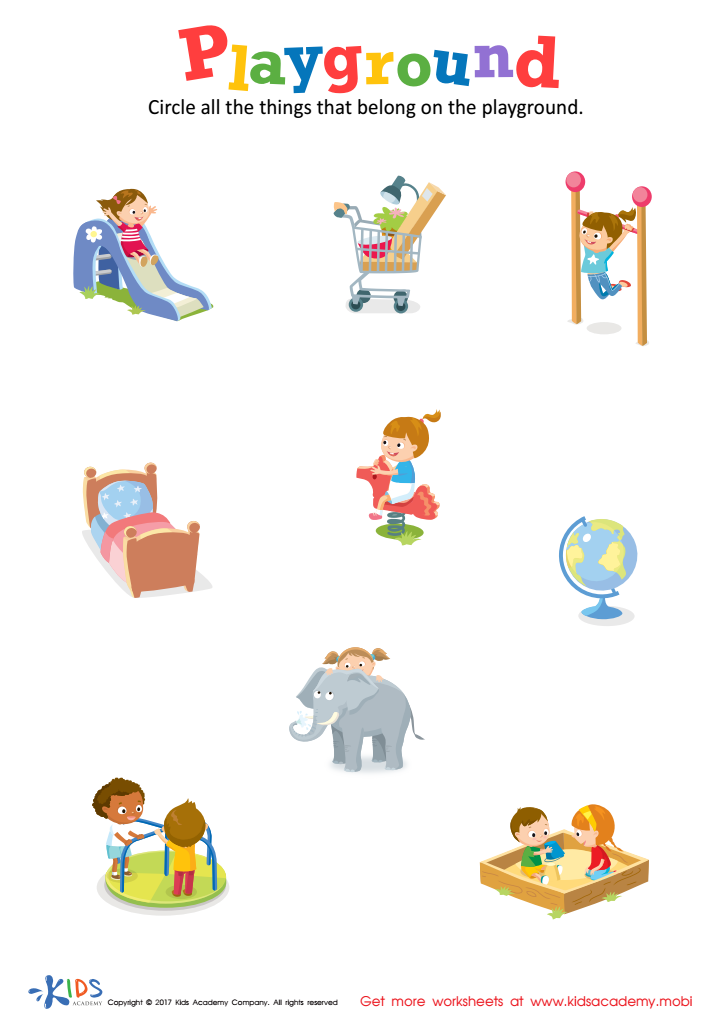
Playground Worksheet








Color identification is a fundamental skill for young children ages 4-7 that serves as a cornerstone for various aspects of cognitive development and daily functioning. Engaging in activities that reinforce color recognition helps solidify their understanding of the world around them. Parents and teachers play a crucial role in guiding this learning process, which has far-reaching benefits.
Firstly, color identification enhances cognitive development by fostering critical thinking and enhancing memory. It is linked to better organized and categorized information processing skills in the brain. Children use color as a means to differentiate and sort objects, aiding them in comprehensive learning and problem-solving abilities.
Secondly, understanding colors directly supports key educational skills, such as early literacy and numeracy. Recognizing colors is often intertwined with learning to read and write; many educational materials integrate colors to make content more engaging and understandable. Additionally, many mathematical concepts like sorting and pattern recognition rely on the ability to differentiate colors.
Moreover, social and emotional development is bolstered by learning colors. When children can correctly identify and articulate colors, it aids in effective communication, increasing their confidence and their ability to express themselves. Activities involving color recognition also foster creativity and imagination, essential tools for holistic growth.
Therefore, incorporating color identification into early childhood education prepares children for more complex concepts and enhances their overall learning experience. Parents and teachers, being primary influencers, should actively encourage and participate in activities that reinforce this critical skill, setting the foundation for future learning and development.