Word identification Writing Worksheets for Ages 4-7
6 filtered results
-
From - To
Discover our engaging Word Identification Writing Worksheets designed specifically for children ages 4-7. These worksheets provide fun and interactive ways for young learners to enhance their reading and writing skills. By identifying and practicing words through various exercises, kids build essential vocabulary, boost their confidence, and improve literacy capabilities. Each worksheet is crafted to be user-friendly and visually appealing, making learning enjoyable. Whether at home or in the classroom, these resources are perfect for reinforcing word recognition and fostering a lifelong love for reading. Explore our collection today and support your child's educational journey effectively!
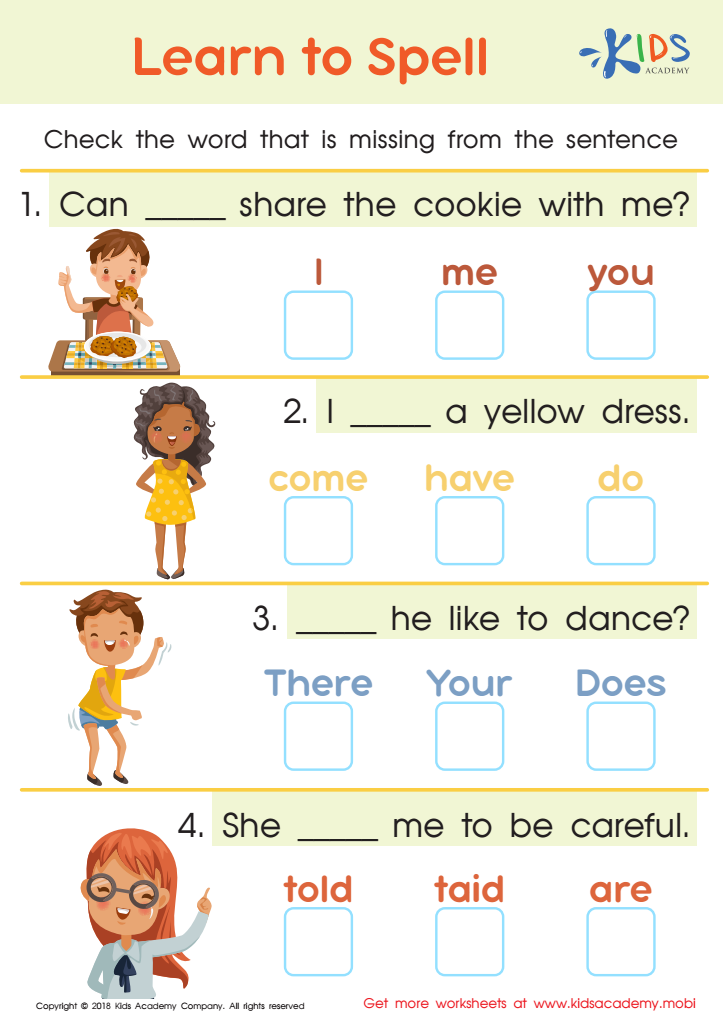
Learn to Spell Worksheet
 Assign to My Students
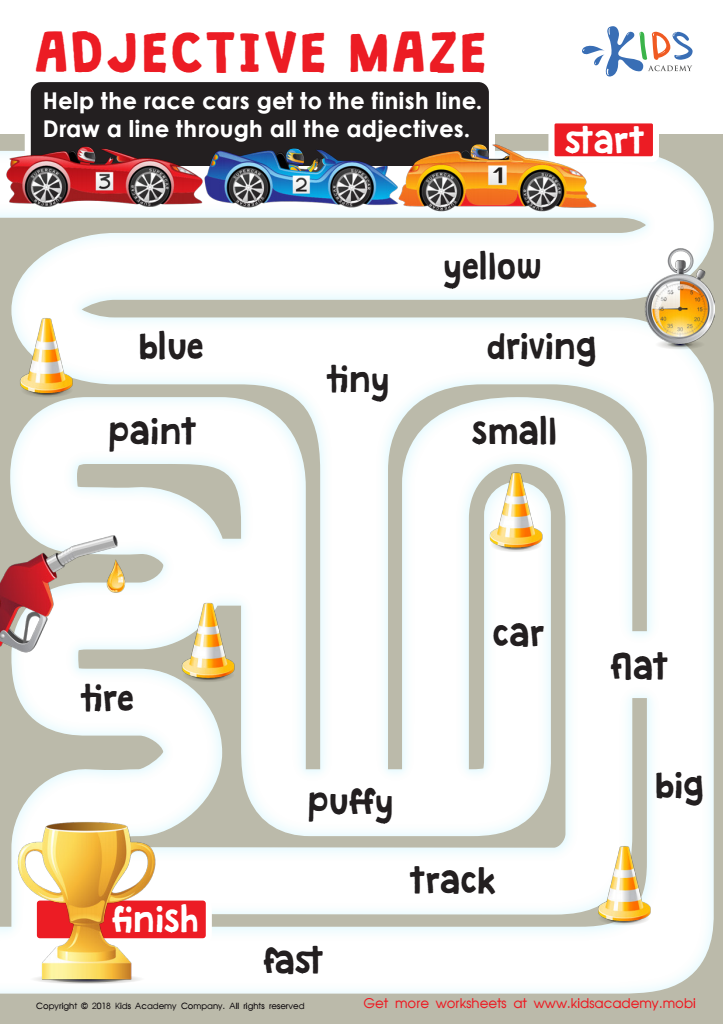
Adjective Maze Worksheet
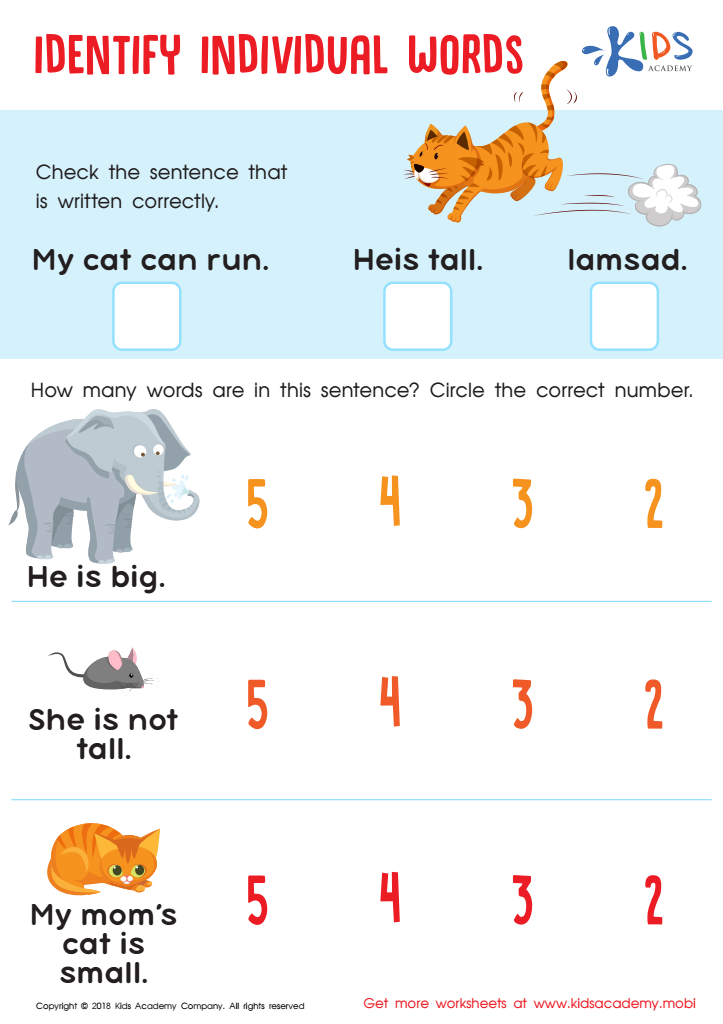
Identify Individual Words Worksheet
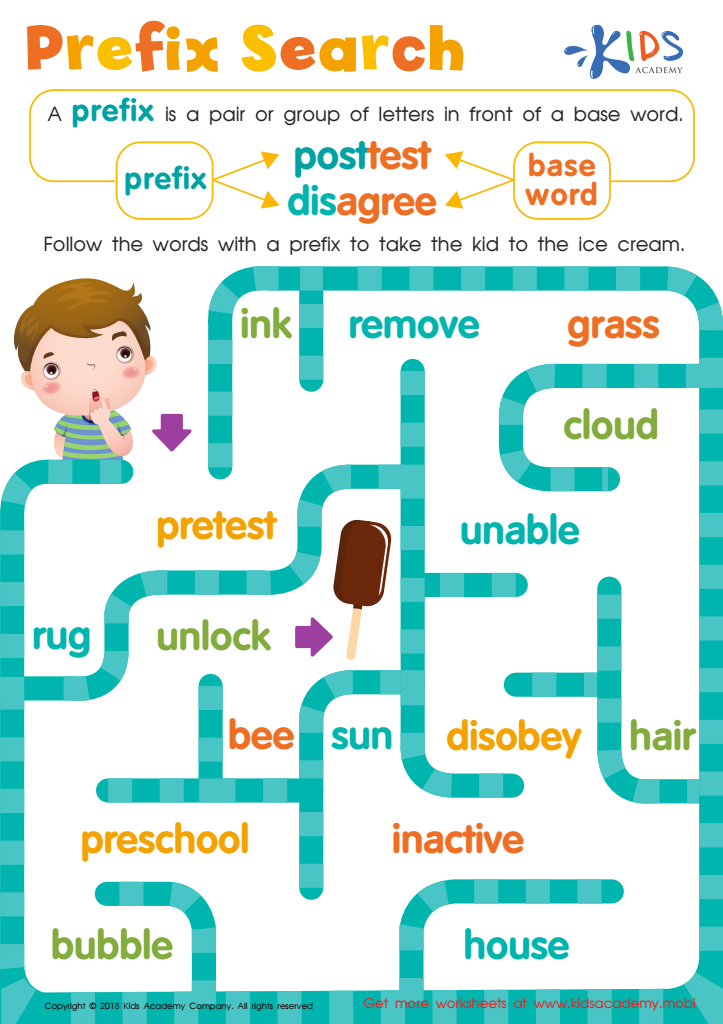
Reading: Prefix Search Worksheet
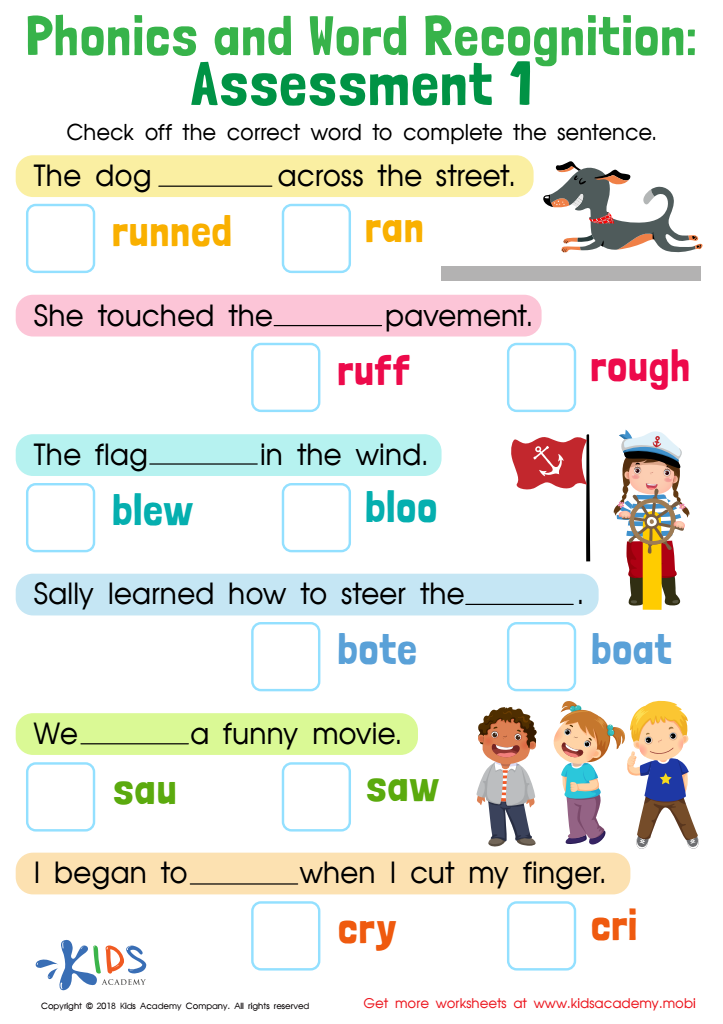
Phonics and Word Recognition: Assessment 1 Worksheet
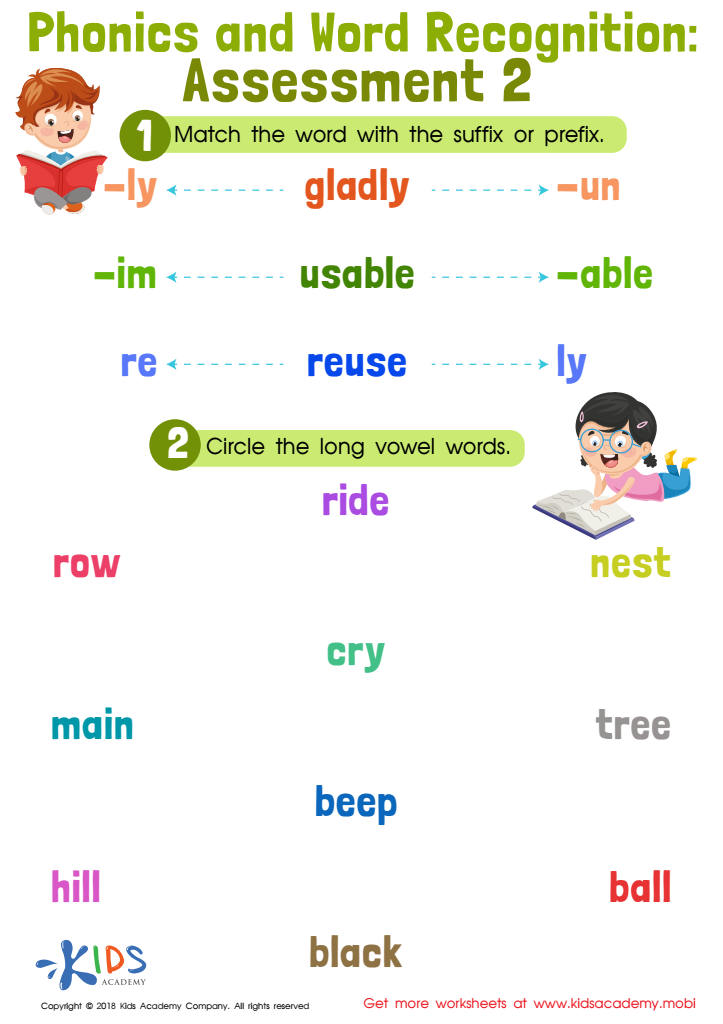
Phonics and Word Recognition: Assessment 2






.jpg)

Word identification writing is crucial for children ages 4-7 as it lays the foundation for literacy skills that will benefit them throughout their educational journey. During these formative years, children begin to explore language, learn how letters combine to form words, and develop early writing skills. By focusing on word identification, parents and teachers can foster a love for reading and writing, which directly contributes to a child's confidence and self-expression.
This stage of development is marked by the transition from phonemic awareness to actual writing. Engaging in word identification activities helps children recognize familiar words, understand sound-letter relationships, and develop vocabulary. When parents and teachers prioritize these skills, they empower children to become independent readers and writers, making literacy more enjoyable and less intimidating.
Furthermore, word identification supports cognitive development by improving memory and critical thinking skills. It encourages children to make connections between sounds and meanings, enhancing their comprehension. Learning these skills in a supportive environment—whether at home or in the classroom—cultivates a passion for learning and sets the stage for future academic achievement. Thus, investing time and resources into word identification writing is essential for the holistic development of young learners.








