Alphabet Recognition ABC Letters Worksheets for Ages 4-8 - Page 2
31 filtered results
-
From - To
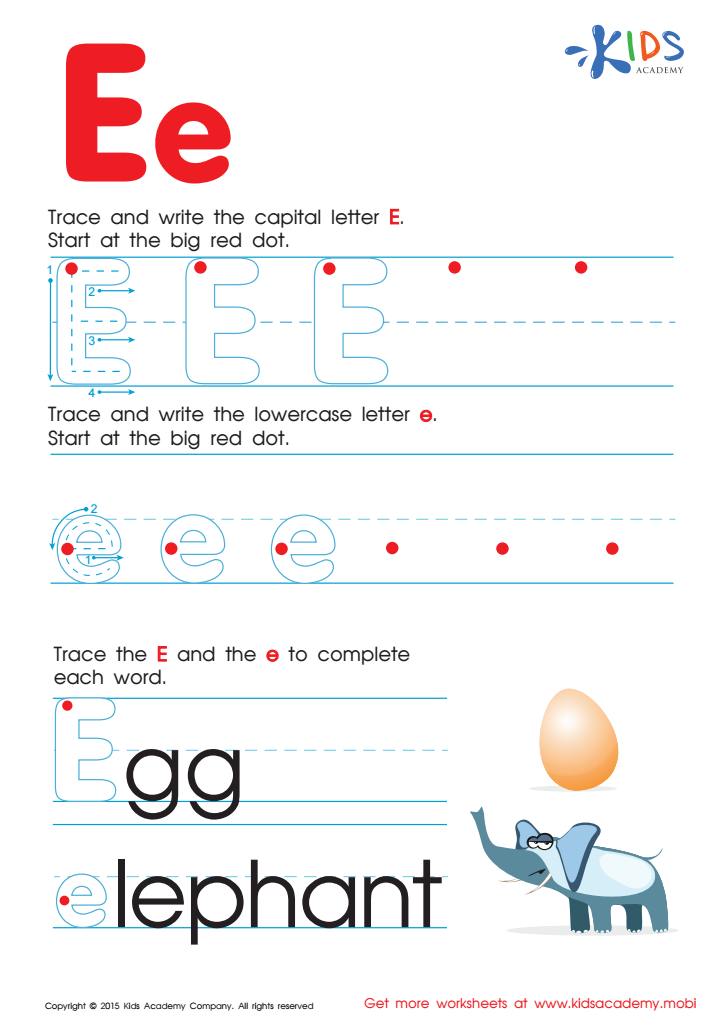
Letter E Tracing Page

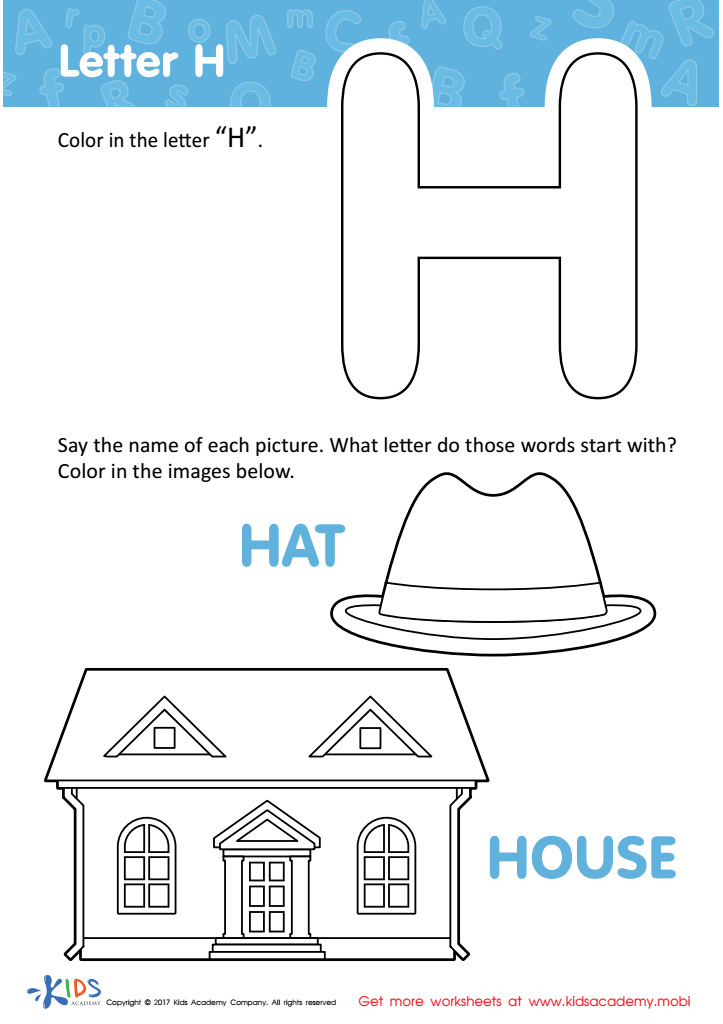
Letter H Coloring Sheet
 Assign to My Students
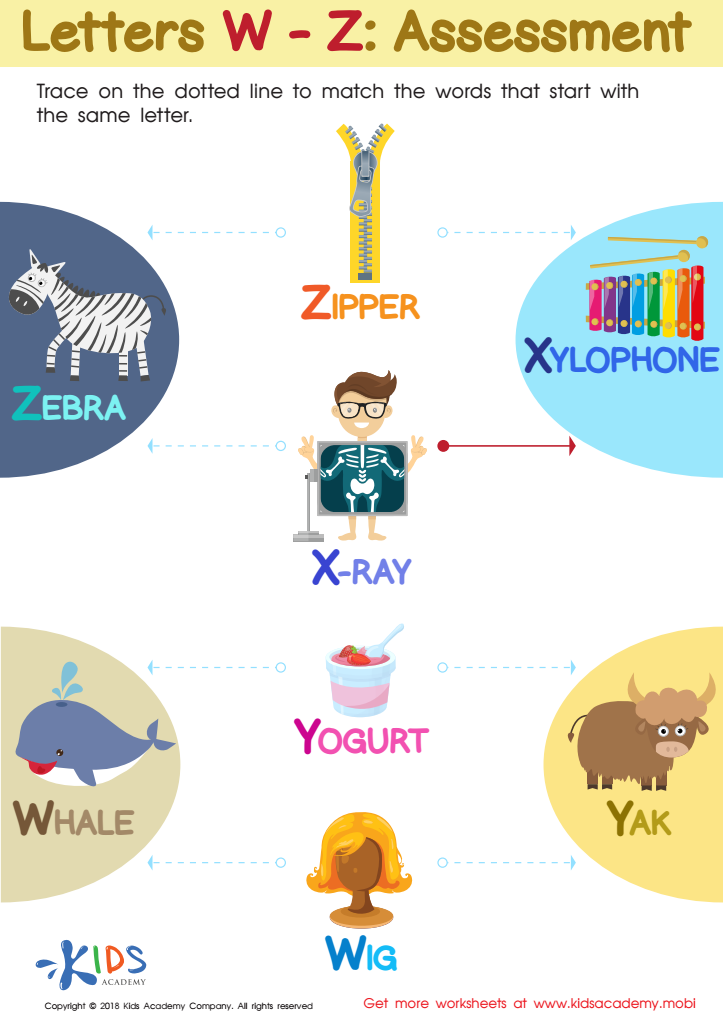
Letters W–Z Tracing Worksheet
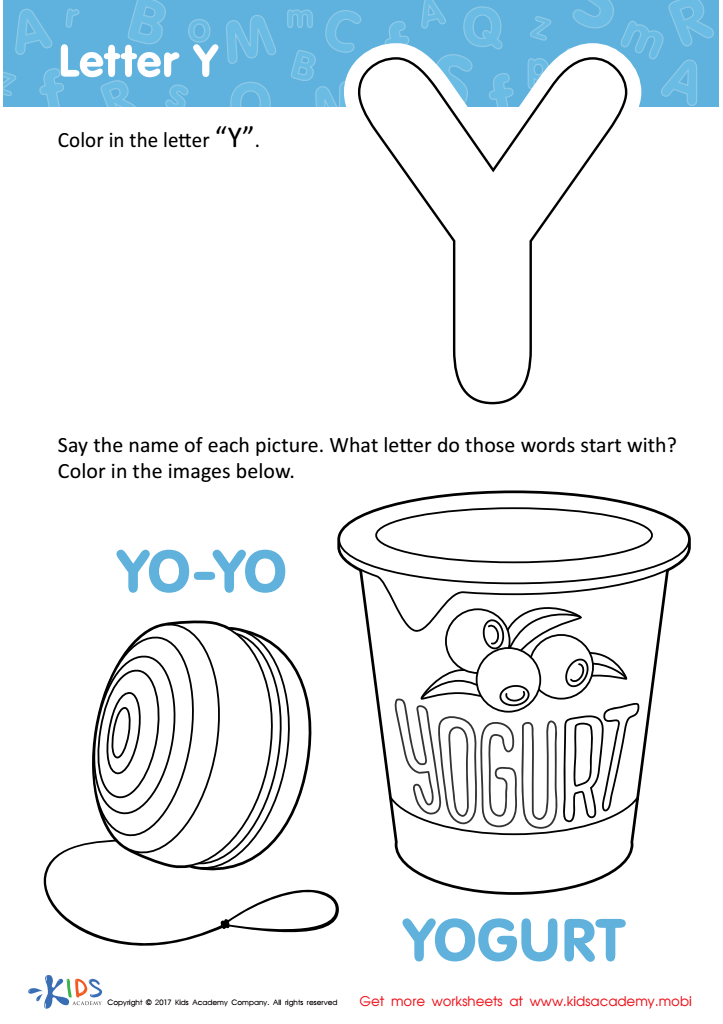
Letter Y Coloring Sheet
Assign to My Students
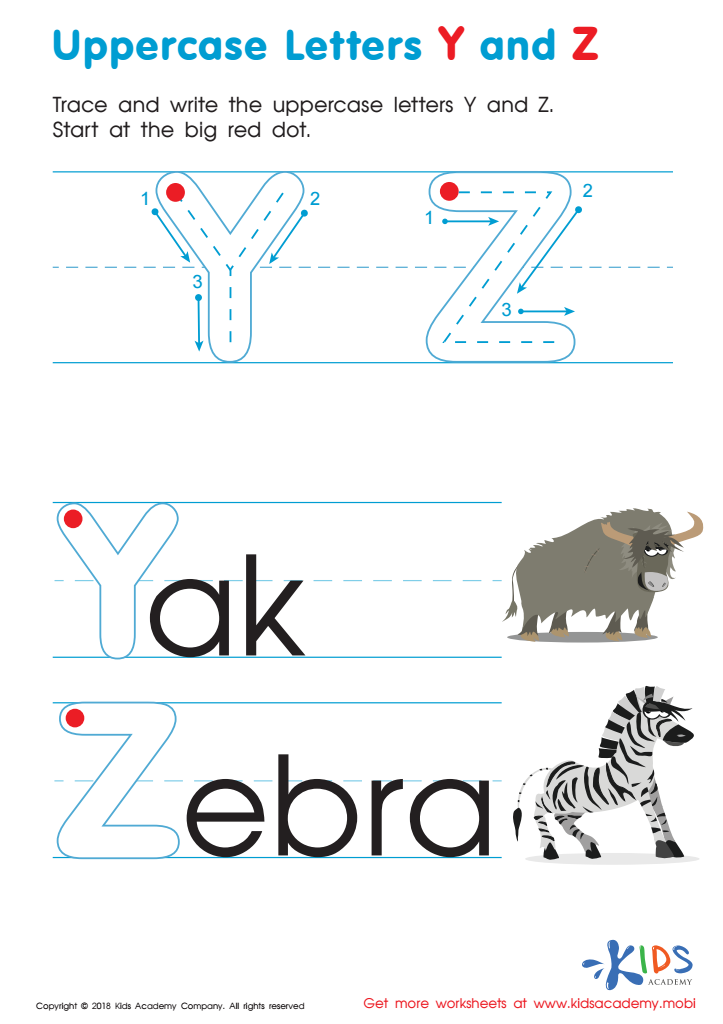
Uppercase Letters Y Z Worksheet
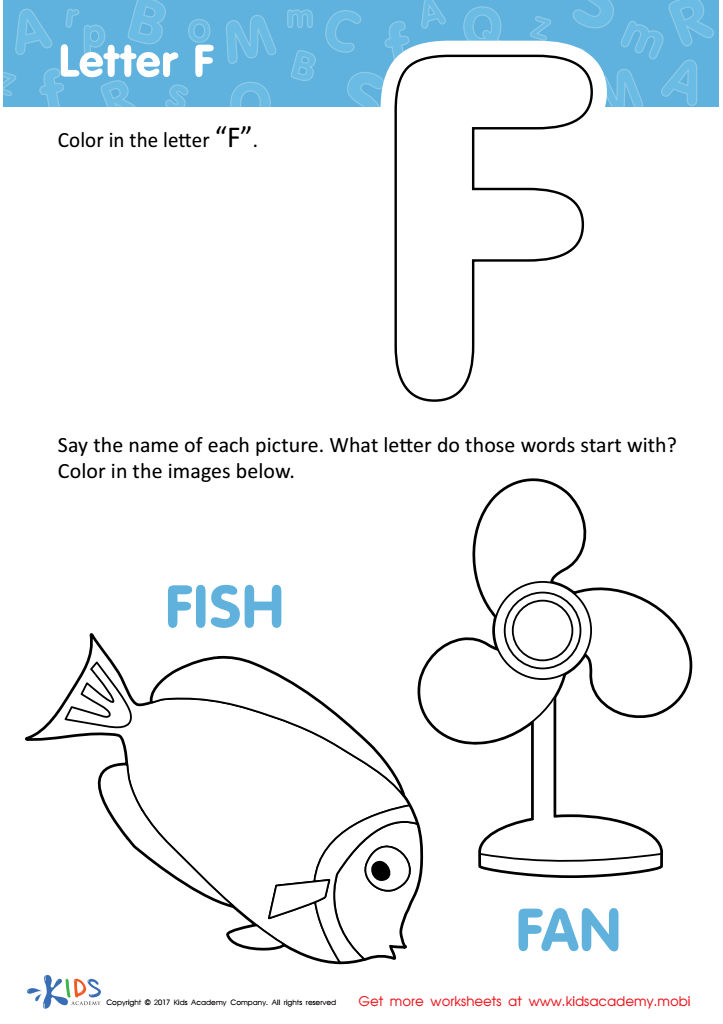
Letter F Coloring Sheet
Assign to My Students
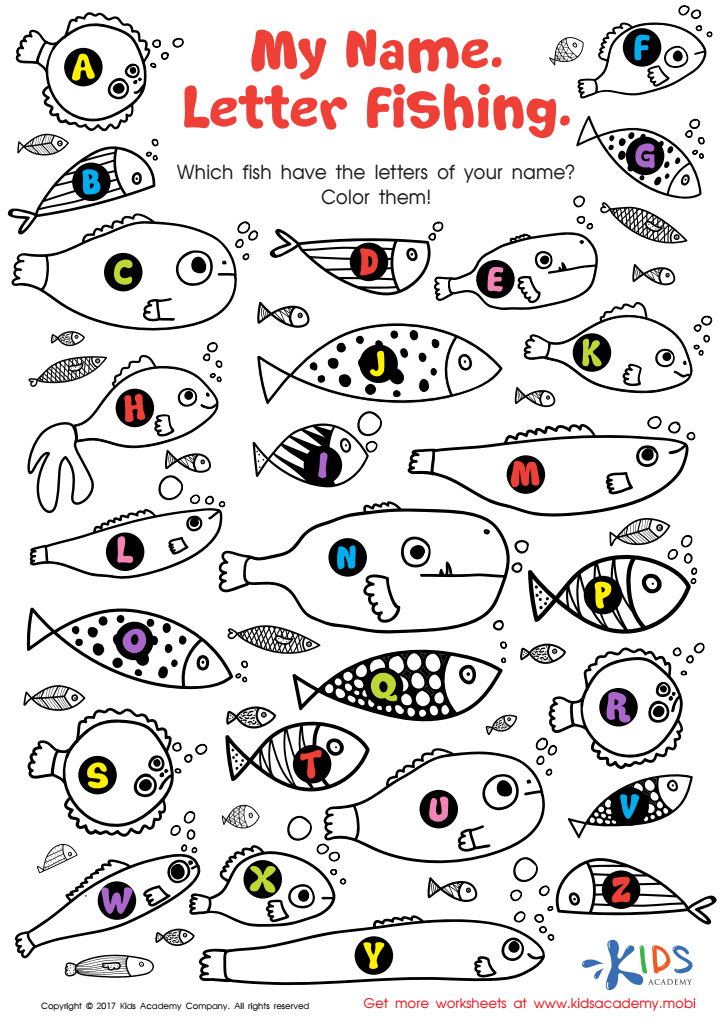
My Name: Letter Fishing Worksheet
Assign to My Students








Alphabet recognition is the foundation of early literacy, making it an essential focus for parents and teachers of children ages 4-8. Recognizing letters and their sounds is the first step in learning to read and write, skills that are crucial for success in school and beyond. When children can identify and understand letters, they can start to form words and recognize patterns in language, facilitating their reading fluency and comprehension.
Alphabet recognition activities enhance cognitive development and stimulate brain regions associated with language processing. They promote fine motor skills through writing and arts-and-crafts projects involving letters. This is also a critical period for phonemic awareness, where children distinguish sounds, aiding in accurate spelling and reading.
Parents and teachers play a vital role in creating a rich, language-filled environment. Engaging, age-appropriate alphabet games, songs, and reading sessions make learning enjoyable and instill a lifelong love of books and learning. Early proficiency in letter recognition boosts children's confidence and motivates them to explore further aspects of literacy, setting a positive trajectory for their academic journey.
In summary, prioritizing alphabet recognition equips young children with the necessary tools for literacy, cognitive growth, and a solid educational foundation, significantly impacting their future academic and personal success.







