
Letter Tracing Practice ABC Letters Worksheets for Ages 4-8
3 filtered results
Difficulty Level
Grade
Age
-
From - To
Subject
Activity
Standards
Introduce young learners to the joy of writing with our "Letter Tracing Practice ABC Letters Worksheets for Ages 4-8". These engaging worksheets help children master uppercase and lowercase letters, fostering foundational literacy skills. Perfectly tailored for little hands, our sheets offer clear guidance with dotted lines to trace, combining fun activities with essential practice. Each page is designed to boost fine motor skills, hand-eye coordination, and writing confidence. Ideal for both classroom settings and home practice, these worksheets transform learning into an enjoyable adventure. Set your kids on the path to reading and writing success today!
Favorites
With answer key
Interactive
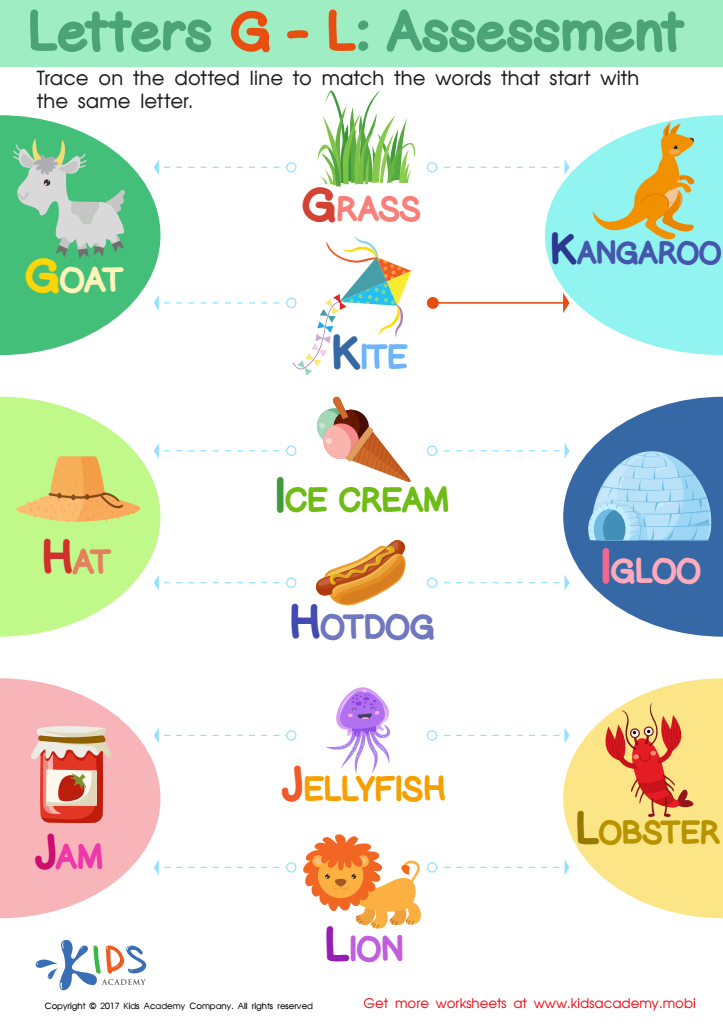
Letters G-L Worksheet
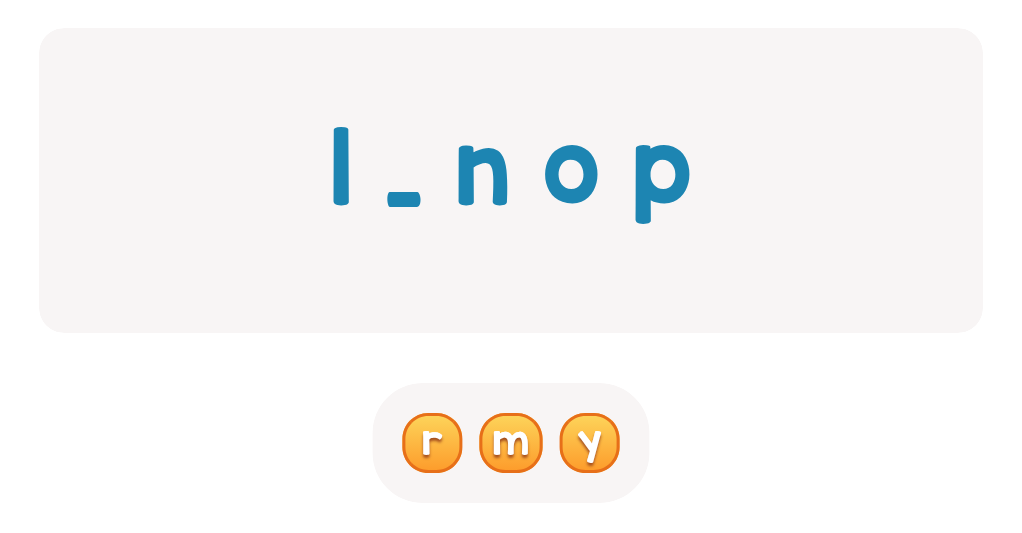
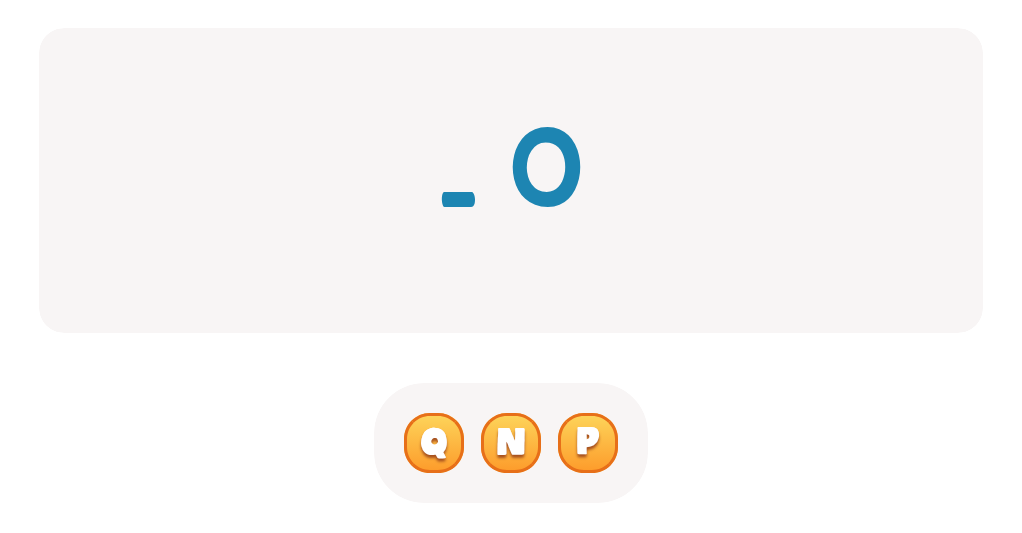
This fun worksheet helps preschoolers develop reading and phonics skills. It gets kids to match G-L words that start with the same letter, making it engaging and educational.
Letters G-L Worksheet
Worksheet






Letter F Coloring Sheet
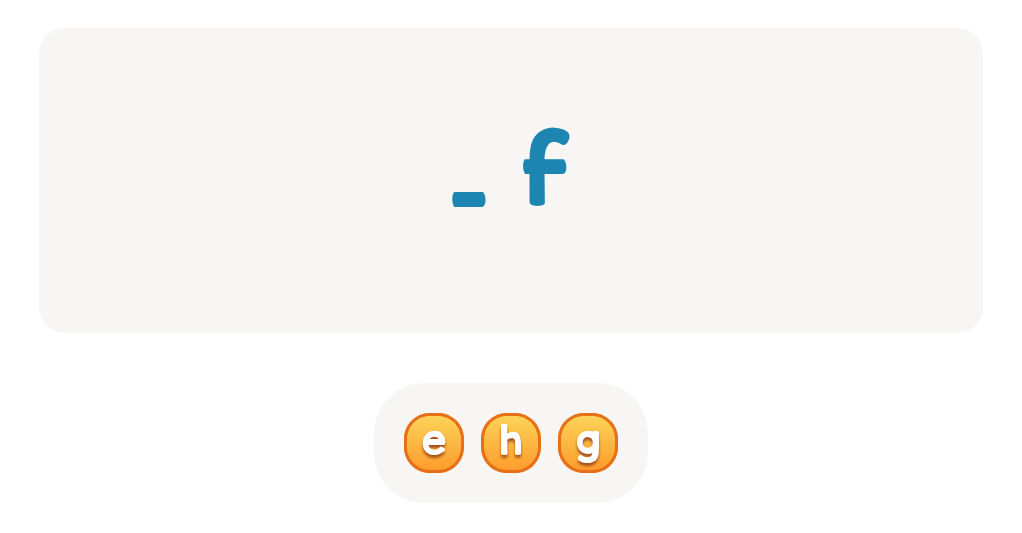
Coloring pages help kids learn to recognize letters and sounds. Our "F" page has kids color a fish and a fan. It's a great way to introduce them to the letter "F" using words they already know.
Download (PDF)
 Assign to My Students
Assign to My Students
Letter F Coloring Sheet
Worksheet
My Name: Letter Fishing Worksheet
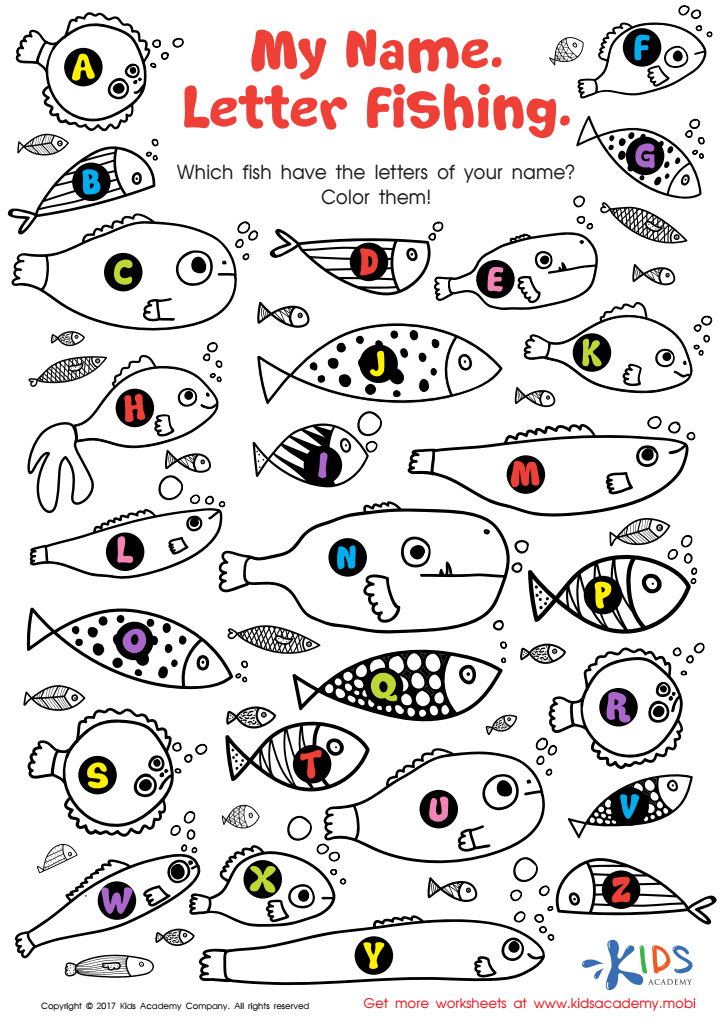
Dive into the deep sea and search for fish with a letter on them. Can you find all the letters from your name? Color your favorite fish with crayons and be creative! On the other side, use the letters you found to write your name. Have fun coloring and finding the letters of your name! (80 words)
Download (PDF)
Assign to My Students
Assign to My Students
My Name: Letter Fishing Worksheet
Worksheet
Join Kids Academy for Free
Who is primarily going to use this learning content?







Letter tracing practice is crucial for children ages 4-8 as it lays the foundational skills for literacy development. At this formative stage, their fine motor skills are still developing, and tracing helps in refining these by guiding their hand movements in controlled patterns. This is essential for handwriting proficiency, which is a key component of academic success.
Additionally, letter tracing reinforces letter recognition—a critical step in reading readiness. When children trace letters, they learn to associate shapes with sounds, familiarize themselves with the alphabet, and understand letter formation. This visual and kinesthetic exercise solidifies their understanding of phonics, making it easier for them to decode words.
Another vital aspect of letter tracing is the boost in confidence and focus it provides. Mastery of letter formation through repetition gives young learners a sense of accomplishment, motivating them to engage more deeply with reading and writing tasks. Moreover, letter tracing practice instills habits of patience and attention to detail, essential qualities for all academic endeavors.
Parents and teachers should prioritize letter tracing activities because they create a structured, enjoyable pathway for children to engage with the essentials of early literacy. By investing time in this practice, they help young learners build a robust foundation for future educational success.







