Phonics practice Consonants Worksheets for Ages 4-8
5 filtered results
-
From - To
Engage your young learners with our Phonics Practice Consonants Worksheets for Ages 4-8. These printable resources by Kids Academy are designed to make mastering consonant sounds fun and effective. Perfect for early reading development, each worksheet focuses on individual consonants, using engaging activities, colorful images, and interactive exercises. These worksheets not only boost phonemic awareness but also enhance fine motor skills as children trace, write, and identify consonant sounds within words. Ideal for both classroom and at-home learning, our worksheets provide the essential building blocks for successful, confident readers. Discover endless learning fun and achieve reading success!
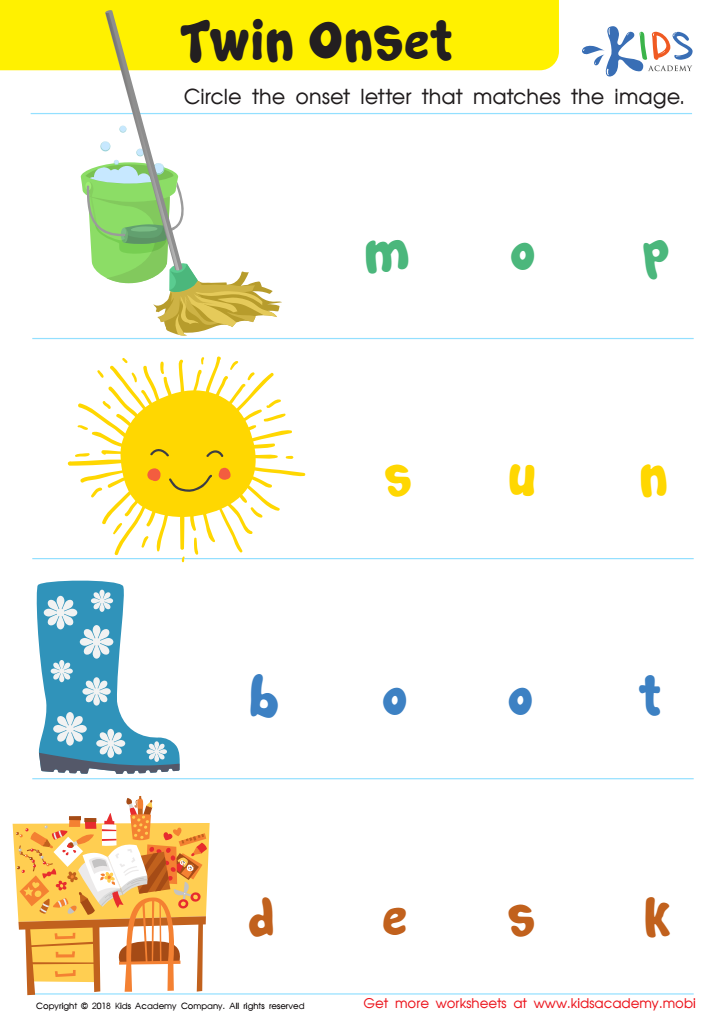
Twin Onset Worksheet
 Assign to My Students
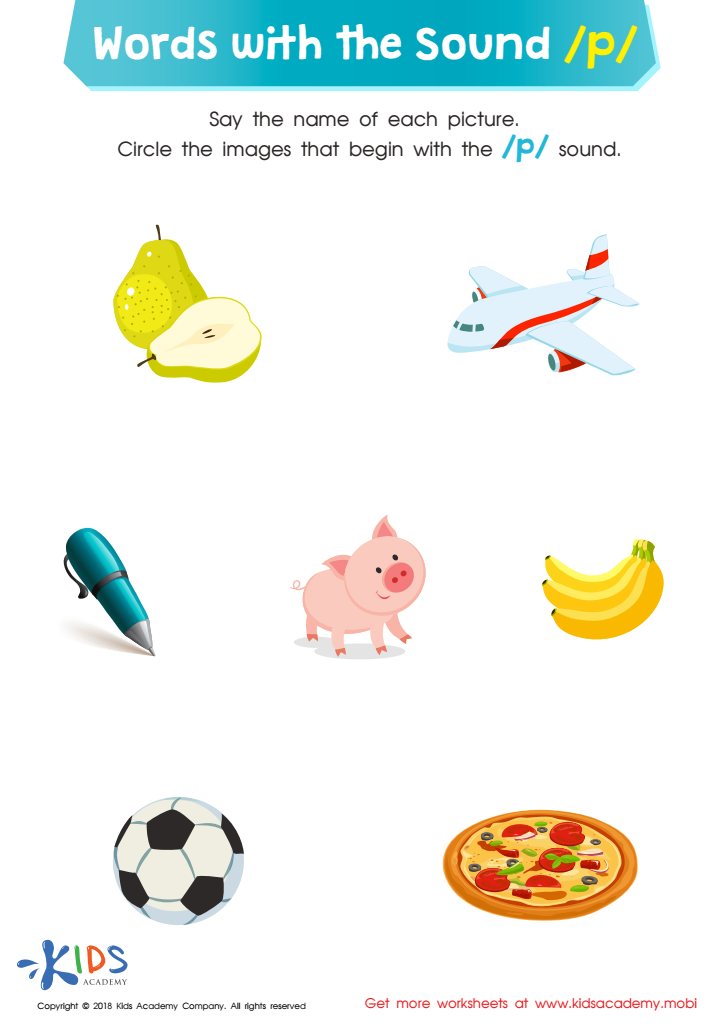
Words with sound p Reading Worksheet
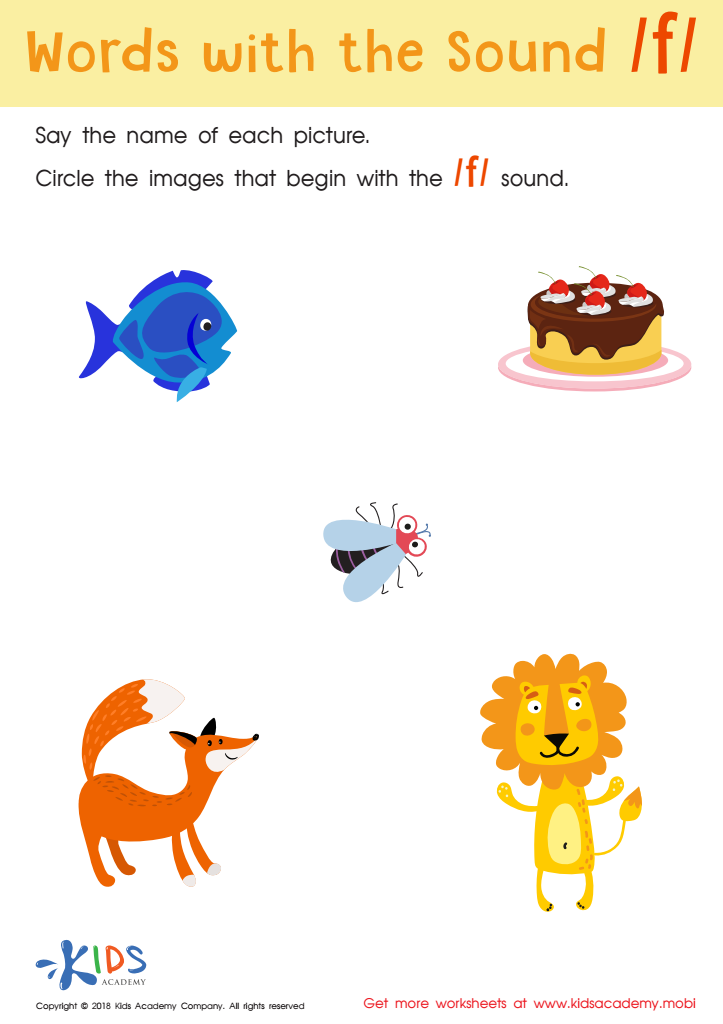
Words with sound f Reading Worksheet
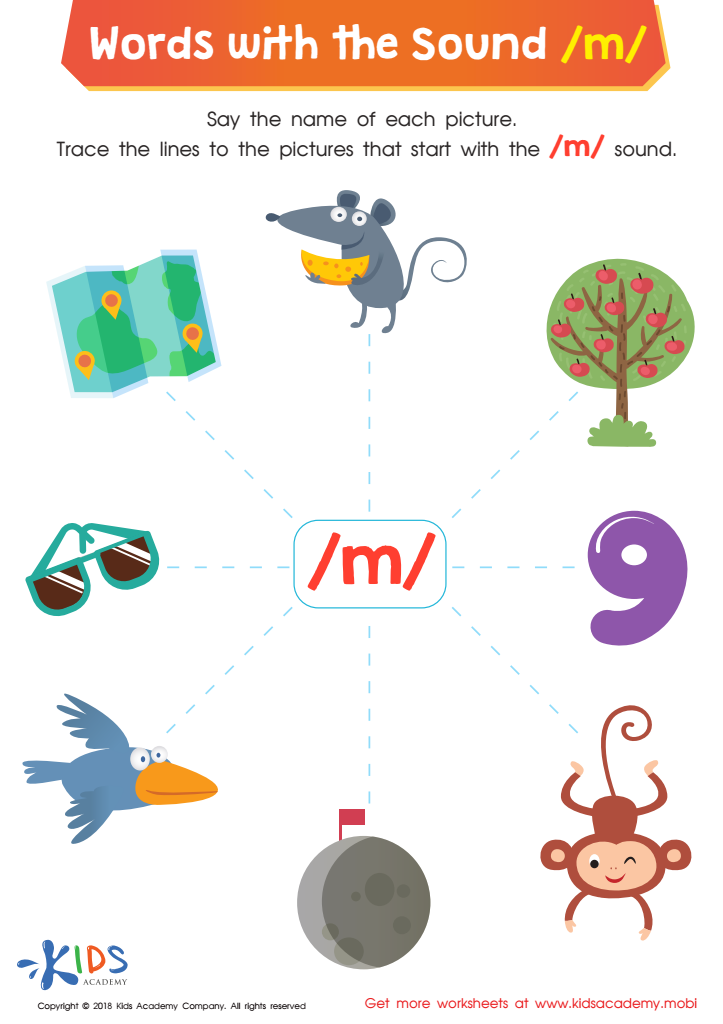
Words with Sound M Reading Worksheet
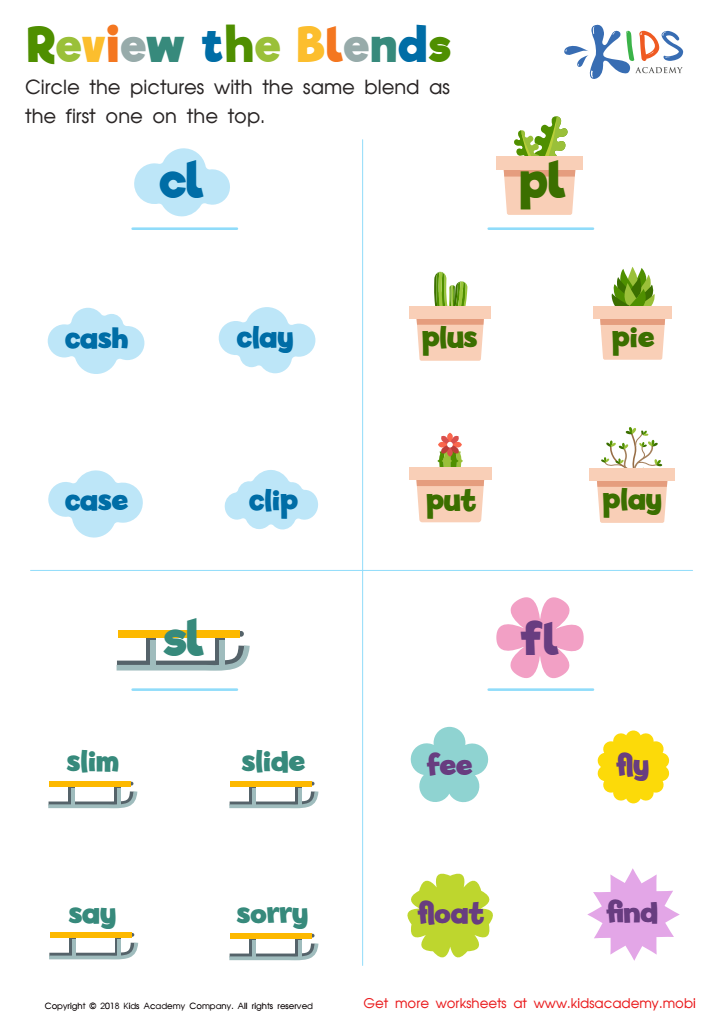
Review the Blends Worksheet



Phonics practice, particularly focusing on consonants for ages 4-8, is crucial for early reading and language development. During these formative years, children are building the foundational skills that enable them to decode words, and ultimately, read fluently. Consonants make up a significant portion of sounds in the English language, and recognizing them is essential for understanding word structure and pronunciation.
For parents and teachers, emphasizing phonics practice helps children connect the sounds of spoken language to written symbols. Phonemic awareness, or the ability to hear and manipulate individual sounds in words, is strengthened through consistent practice with consonants. This aids in the development of reading skills, including word recognition, vocabulary, and comprehension.
Early mastery of consonants also helps prevent future reading difficulties. By ensuring children can accurately identify and pronounce consonants, parents and teachers set the stage for successful interaction with more complex texts. Additionally, engaging in phonics activities, like playful reading games and interactive lessons, makes learning enjoyable, boosting a child's confidence and interest in reading.
In summary, phonics practice with consonants is a critical component in early education that supports literacy development, fosters a love for reading, and provides essential skills for academic success.







