Phonics recognition Elementary Phonics Worksheets for Ages 4-8
4 filtered results
-
From - To
Unlock the power of reading with our "Phonics Recognition Elementary Phonics Worksheets for Ages 4-8!" Perfect for young learners, these engaging worksheets help children understand the sounds and letters of the alphabet, promoting strong reading skills. Each worksheet is designed to be fun and effective, featuring vibrant illustrations and interactive activities. Whether kids are just beginning their reading adventure or reinforcing their phonics knowledge, these worksheets are ideal for guiding them step-by-step. Foster a love for reading in your child and build a strong foundation for literacy with our expertly crafted phonics recognition worksheets.
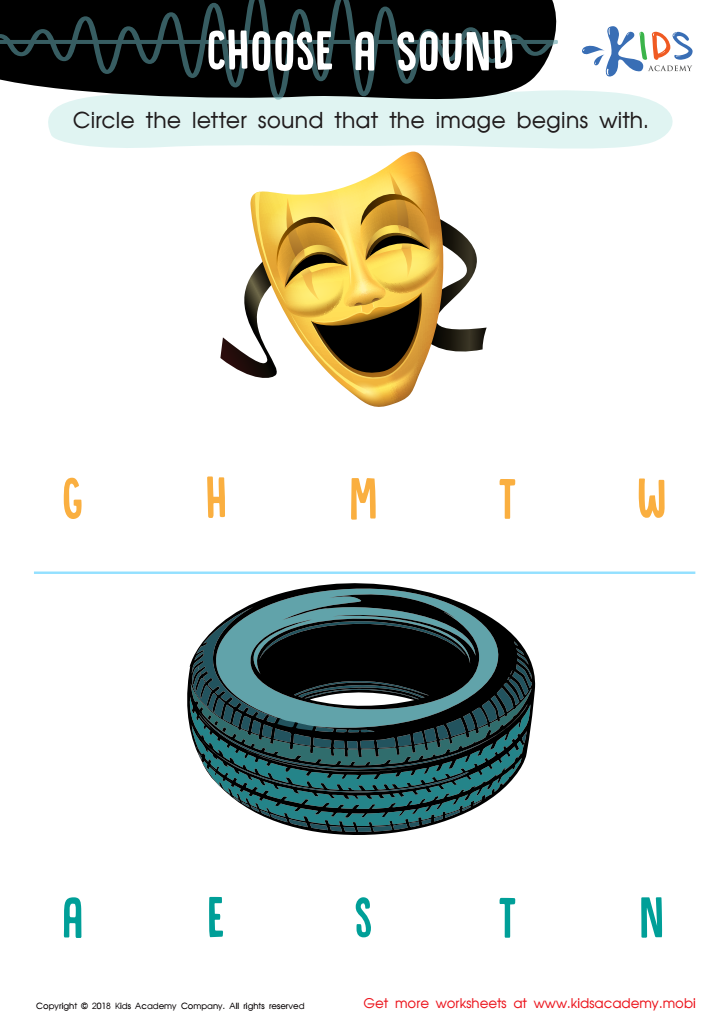
Choose a Sound Worksheet
 Assign to My Students
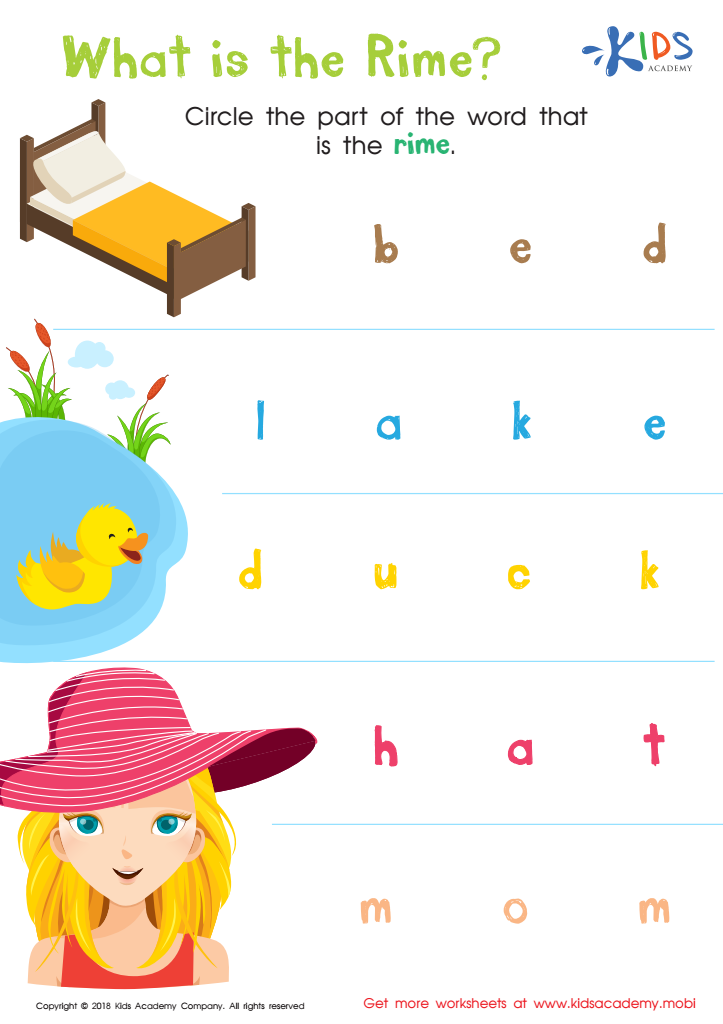
What Is the Rime? Worksheet
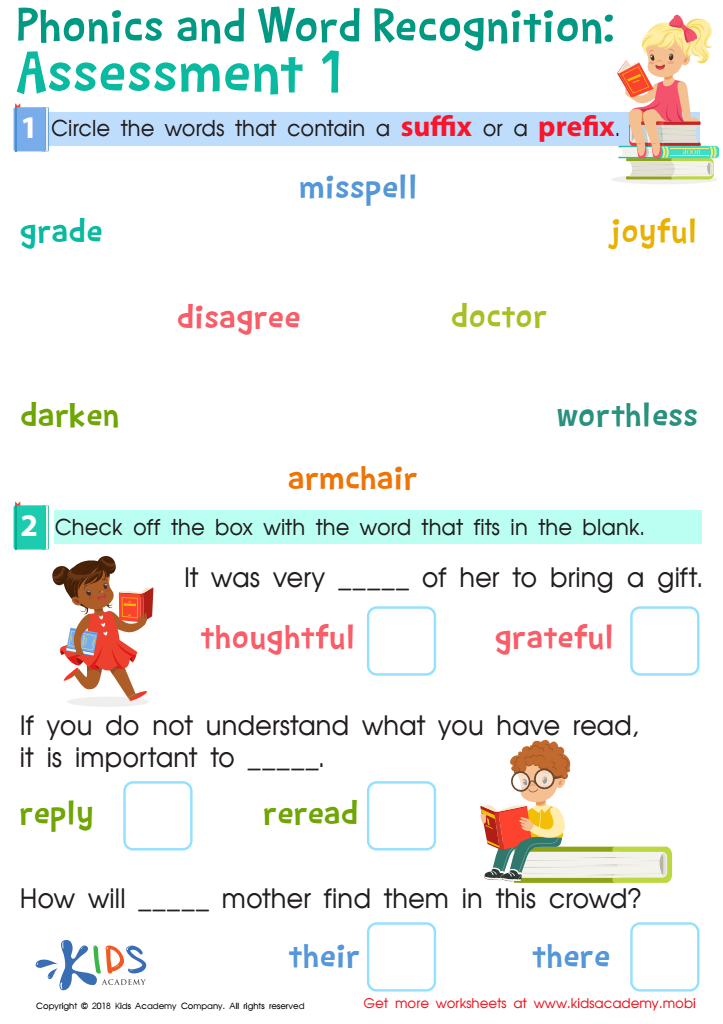
Phonics and Word Recognition: Assessment 1 Worksheet
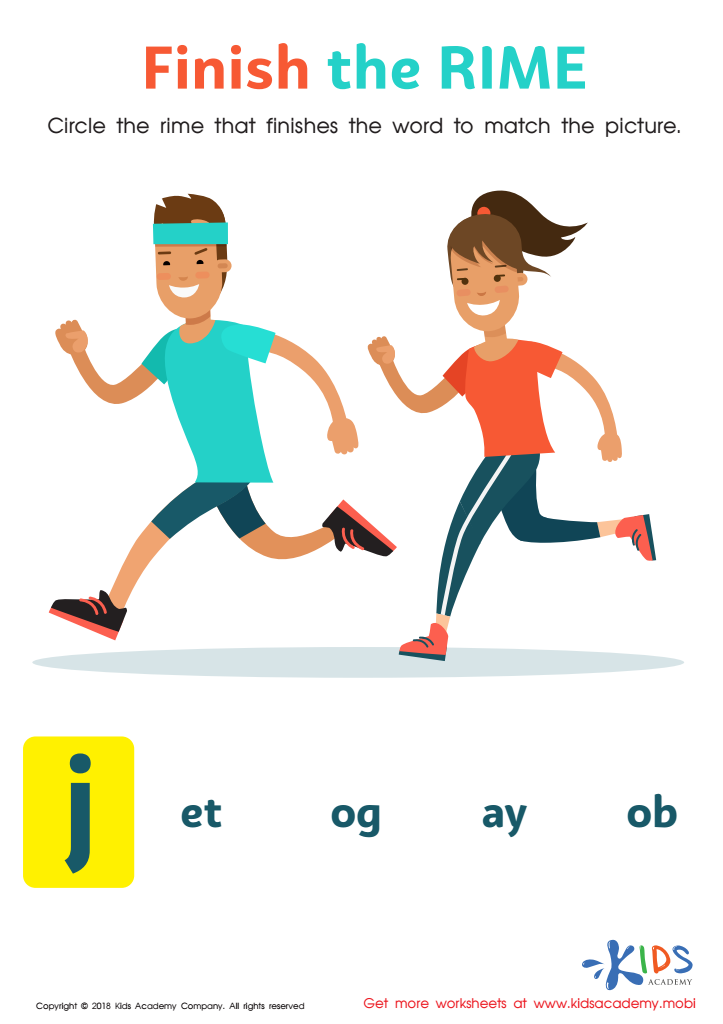
Finish the Rime Worksheet




Phonics recognition is crucial for young learners aged 4-8 because it lays the foundational groundwork for reading and literacy. At its core, phonics teaches children the relationships between letters and the sounds they represent. By understanding these relationships, children develop the ability to decode new words, which boosts both reading and spelling abilities.
For parents and teachers, prioritizing phonics recognition ensures that children are equipped with essential tools to become proficient readers. Early phonics instruction helps prevent reading difficulties, reduces frustration, and builds confidence. A strong phonics foundation also supports the development of critical thinking and comprehension skills, as children can effortlessly decode words and focus on understanding the meaning of the text.
Moreover, this early stage is a prime time for cognitive development. Engaging children in phonics activities enhances their brain's neural pathways involved in language processing, which in turn facilitates easier and more effective learning experiences throughout their academic journey.
Investing time and resources into phonics education at a young age provides long-term benefits. It empowers children to enjoy reading independently, fosters a love for books, and opens doors to a world of knowledge and imagination. Therefore, both parents and teachers should prioritize phonics recognition to set a strong foundation for lifelong learning and academic success.







