Motor skills development Alphabet Worksheets for Ages 4-8
6 filtered results
-
From - To
Our Motor Skills Development Alphabet Worksheets tailored for ages 4-8 are designed to enhance your child's fine motor skills while learning the alphabet! Engaging and interactive, these worksheets combine tracing, coloring, and cutting activities that encourage hand-eye coordination and dexterity. As children trace letters and work with various activities, they gain confidence and improve their handwriting skills, setting a solid foundation for their educational journey. Perfect for classroom use or at-home learning, these worksheets make learning fun and effective. Dive into a world of creativity and skill-building with our thoughtfully crafted resources that nurture young minds!

Letter H Tracing Page
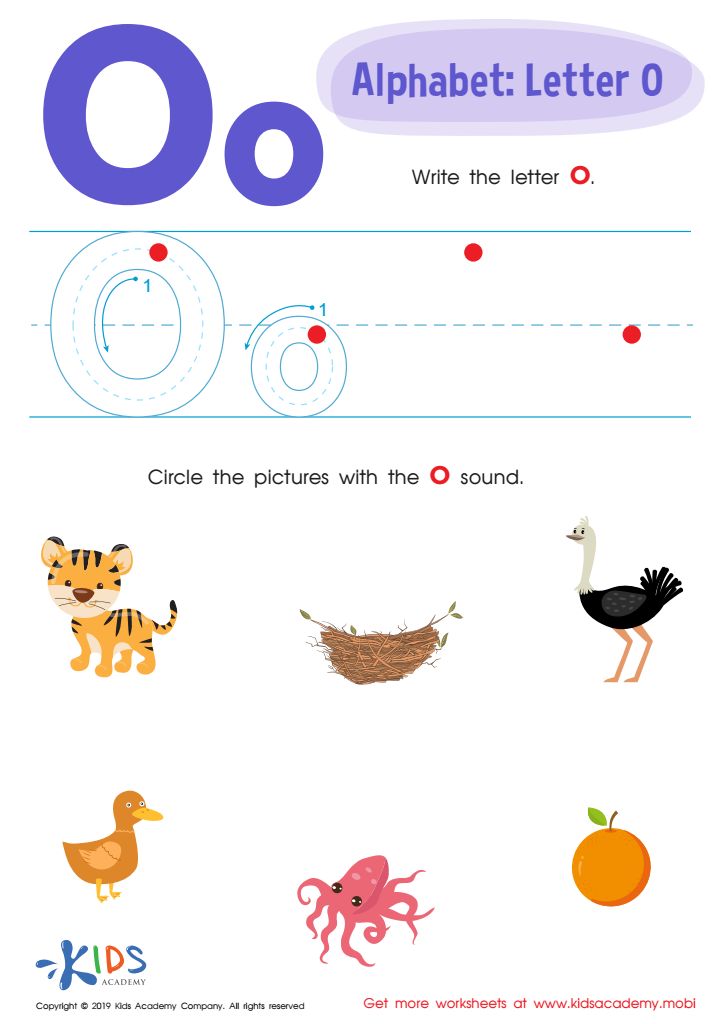
Letter O Tracing Worksheet
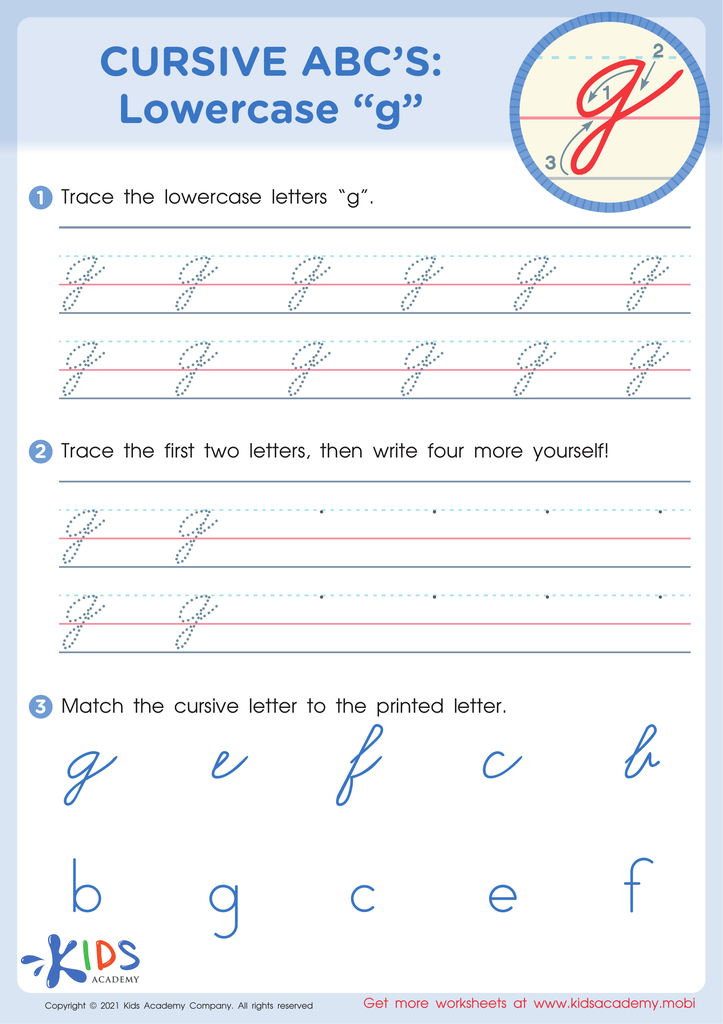
Cursive ABCs: Lowercase g

Letter O Coloring Sheet
 Assign to My Students

Letter B Tracing Page
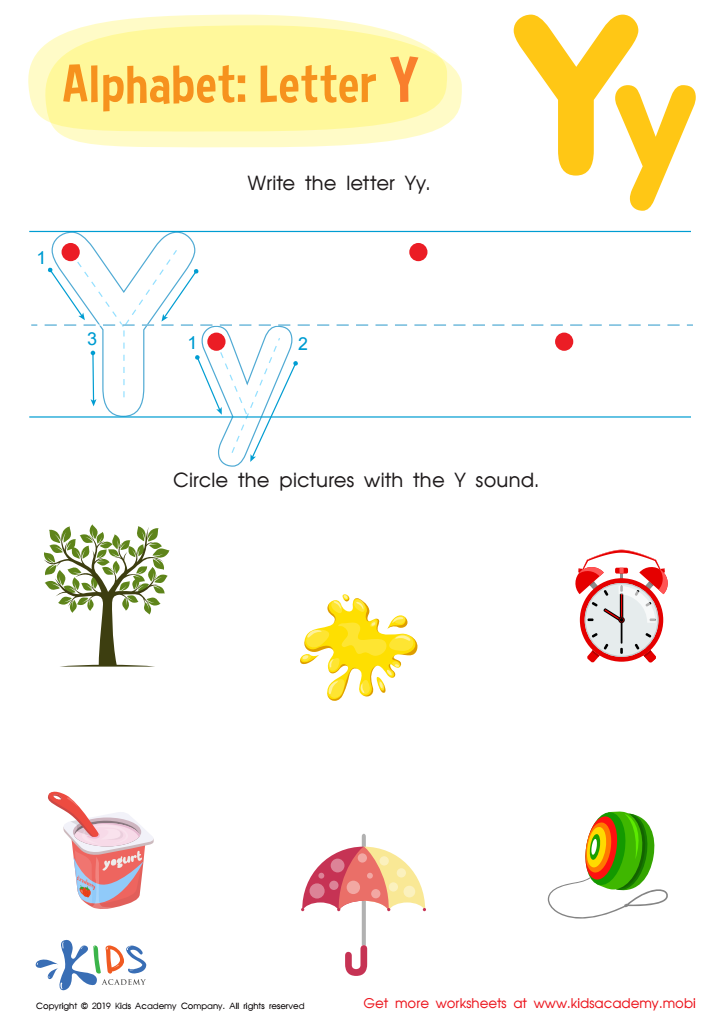
Letter Y Tracing Worksheet








Motor skills development is vital for children aged 4-8 as it is closely linked to their overall growth, learning, and confidence. During this stage, children refine their fine and gross motor skills, which significantly impacts their ability to engage in daily activities, from writing and tying shoelaces to running and playing sports.
Teachers and parents should prioritize motor skills development because these abilities form the foundation for academic success; proficient fine motor skills are essential for handwriting, while gross motor skills aid in physical education and overall health. Confident movers tend to participate more actively in class, encouraging social interactions and team-building skills.
Moreover, motor skills development directly supports cognitive growth. Engaging in physical activities can enhance focus, memory, and problem-solving abilities. When children work on their motor skills, they learn discipline and perseverance, valuable traits for lifelong learning.
Finally, early intervention is critical. If children struggle with motor skills, it may impact their self-esteem and social relationships. By nurturing these skills through structured play and activities, parents and teachers can help children build a strong, well-rounded foundation, ensuring they feel capable and confident as they prepare for further education and life challenges.







