Phonics development Alphabet Worksheets for Ages 4-8
5 filtered results
-
From - To
Enhance your child's reading skills with our engaging Phonics Development Alphabet Worksheets designed for ages 4-8! Our carefully crafted worksheets introduce fundamental phonics concepts, helping young learners recognize letters and sounds while mastering essential early literacy skills. Each activity is fun and interactive, making learning enjoyable at home or in the classroom. With activities that promote sound-letter correspondence, rhyming, and blending, your child will build a strong foundation for future reading abilities. Download our printable worksheets conveniently, and watch your little ones gain confidence and enthusiasm as they embark on their phonics journey. Start nurturing their love for reading today!
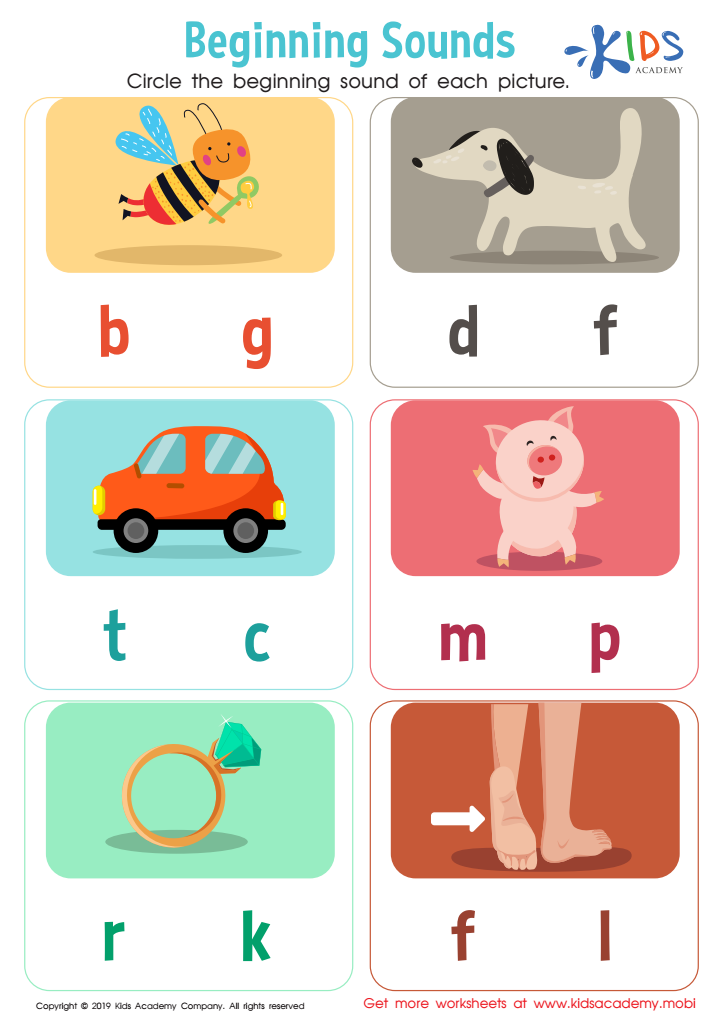
Beginning Sounds Worksheet
 Assign to My Students
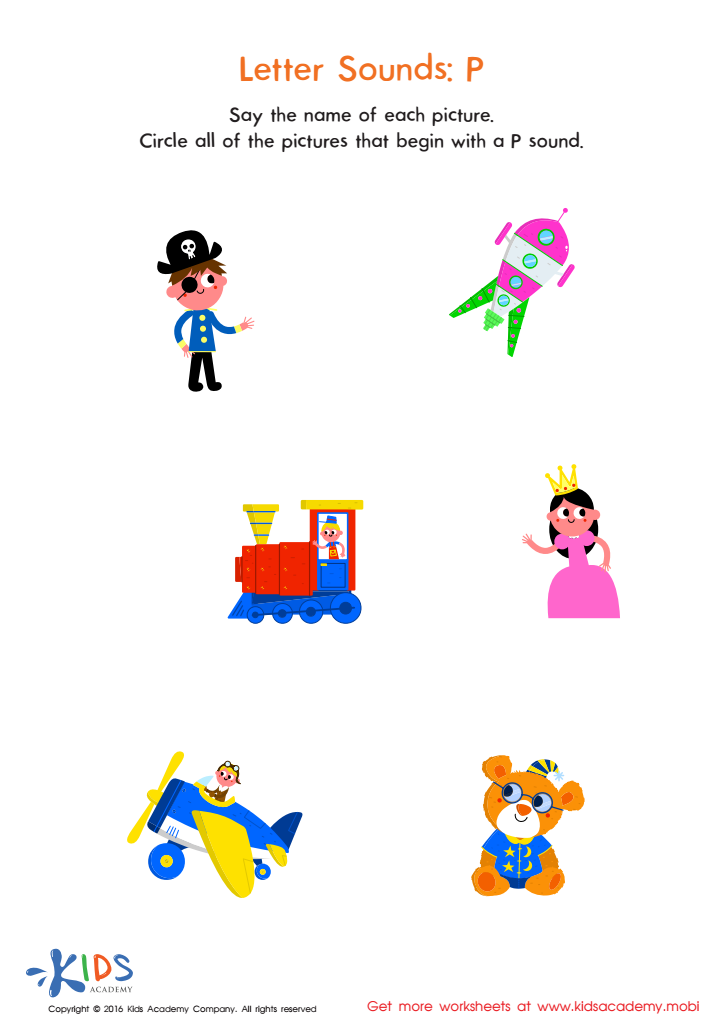
Letter P Sound Worksheet
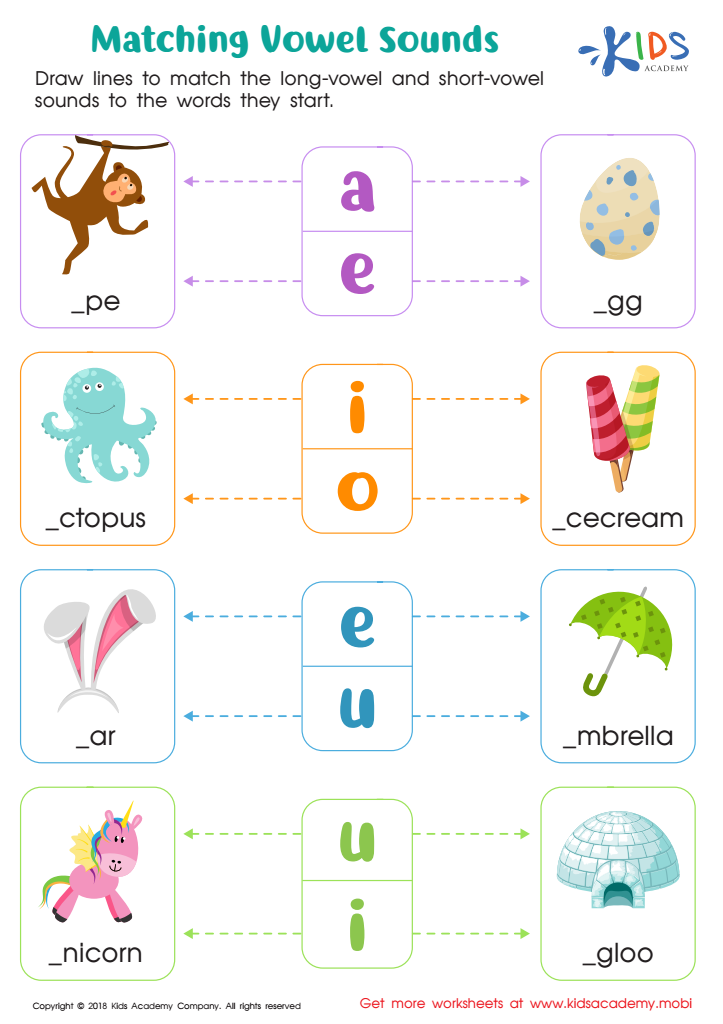
Matching Vowel Sounds Worksheet
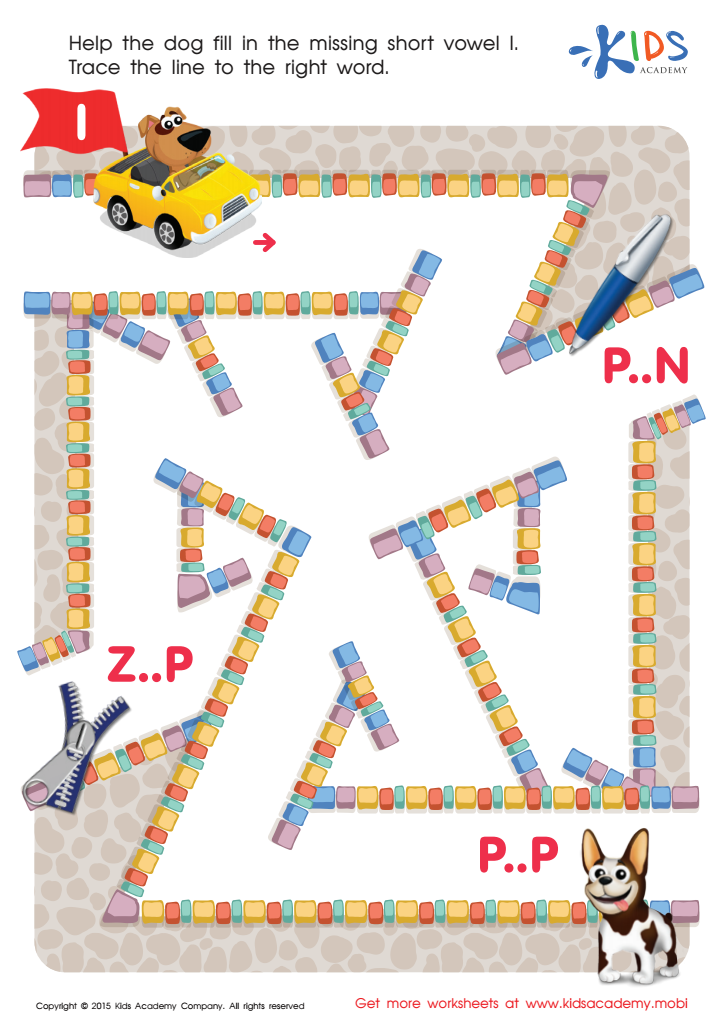
Short Vowel Sound I Worksheet
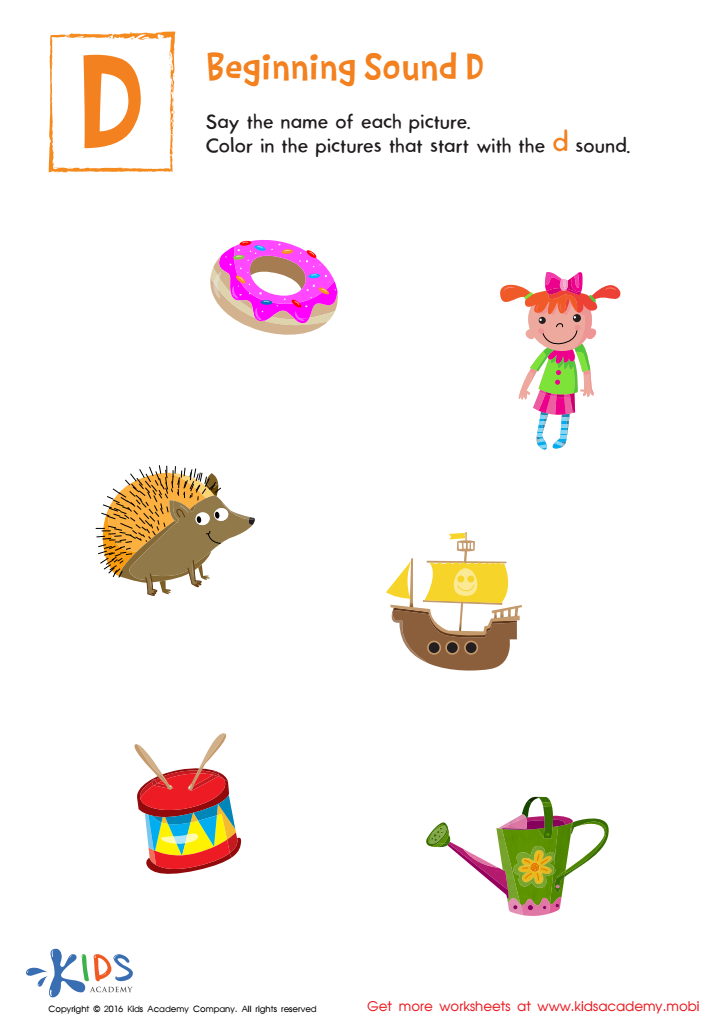
Beginning Sound D Worksheet







Phonics development is crucial for children aged 4-8 as it serves as the foundation for reading and writing skills. During this stage, children learn the relationship between letters (graphemes) and sounds (phonemes), enabling them to decode words. Understanding phonics enhances reading fluency, comprehension, and vocabulary, which are essential for academic success across all subjects.
Parents and teachers should prioritize phonics instruction because it supports the cognitive and language development crucial to this age group. Early mastery of phonics can also instill a love for reading, as children gain confidence in their ability to tackle books independently. Additionally, phonics instruction can help address learning difficulties such as dyslexia, allowing for early intervention that can mitigate future struggles.
Engaging children in phonics activities, such as songs, rhymes, or interactive games, can make learning enjoyable and effective. The skills mastered during this period lay the groundwork not only for literacy proficiency but also for developing critical thinking and problem-solving abilities.
Ultimately, fostering strong phonics skills in young learners equips them with the tools they need to explore the written world and contributes to their overall academic and personal growth. Therefore, both parents and teachers should actively care about and promote phonics development during these formative years.







