Phonics improvement Alphabet Worksheets for Ages 4-8
6 filtered results
-
From - To
Enhance your child's reading skills with our engaging Phonics Improvement Alphabet Worksheets, designed specifically for ages 4-8. These worksheets focus on phonetic awareness, helping young learners recognize sounds associated with letters and develop essential literacy skills. Featuring fun, interactive activities like tracing, matching, and identifying letters, our resources make learning exciting and effective. Perfect for use at home or in the classroom, these printable worksheets provide kids with vital practice in blending sounds and reading simple words. Foster a love for reading early on, ensuring your child builds a strong foundation for future academic success with our phonics worksheets!
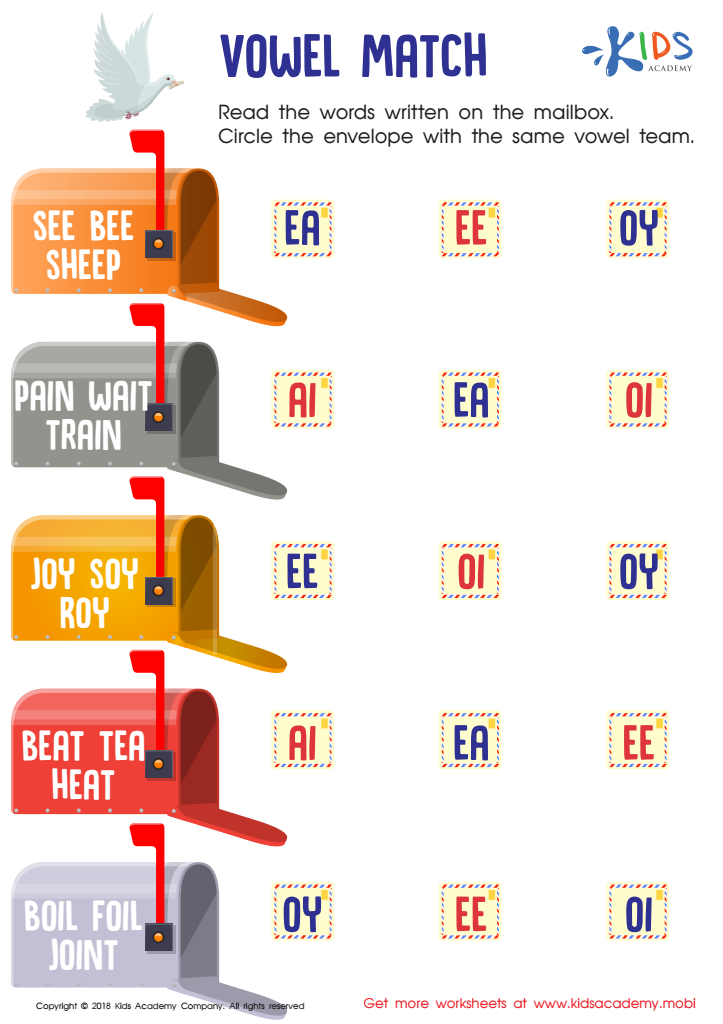
Vowel match Worksheet
 Assign to My Students
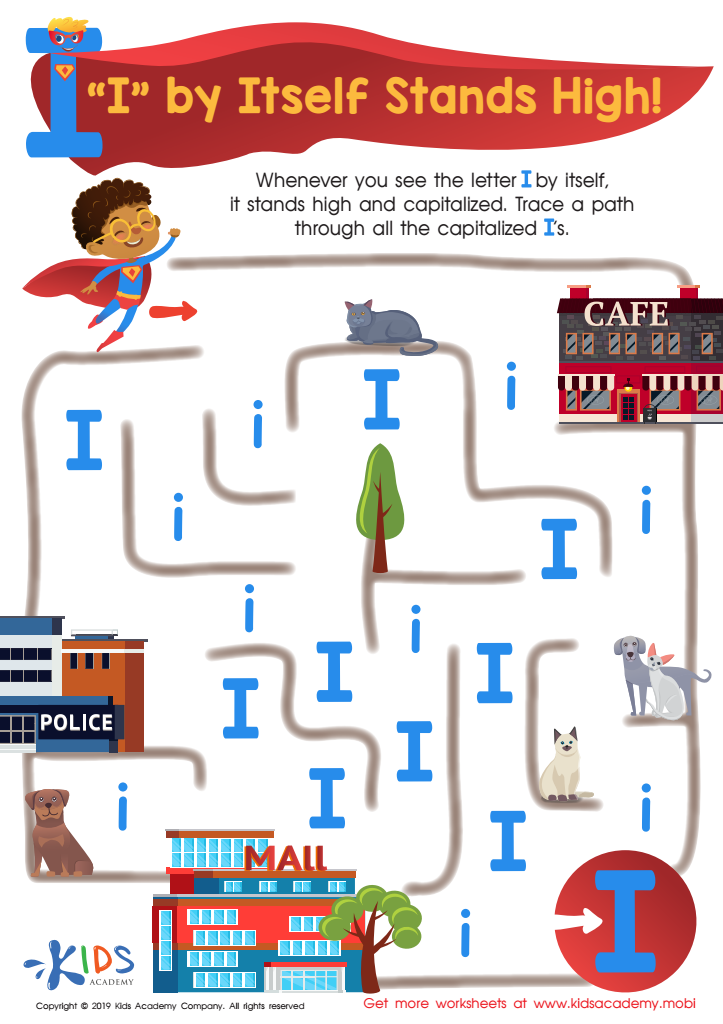
I Stands High Worksheet
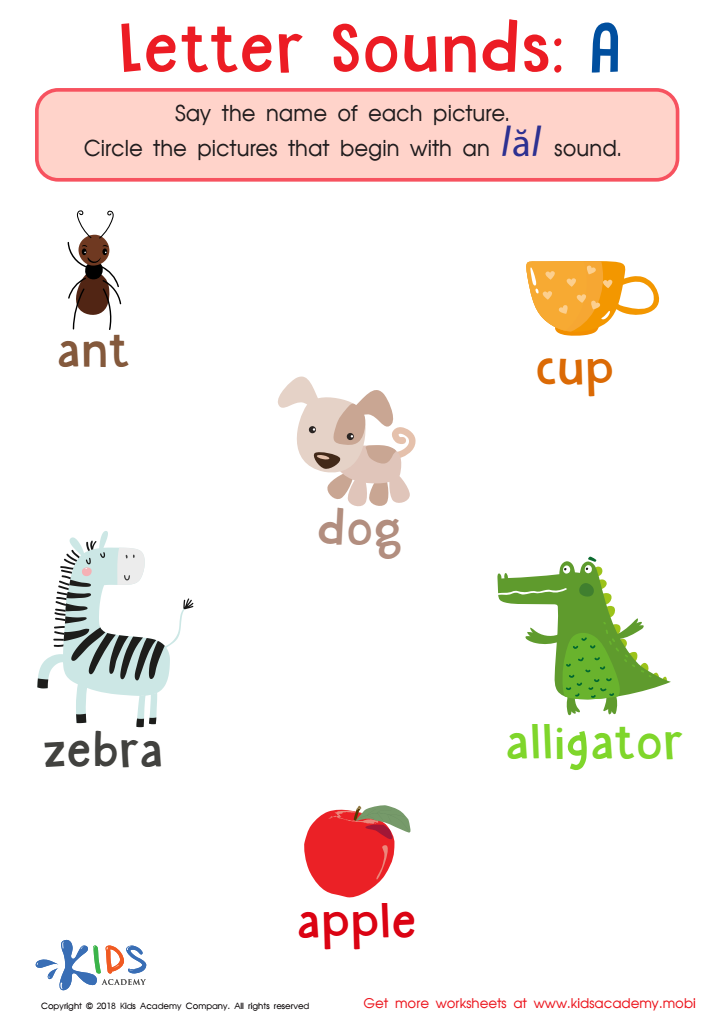
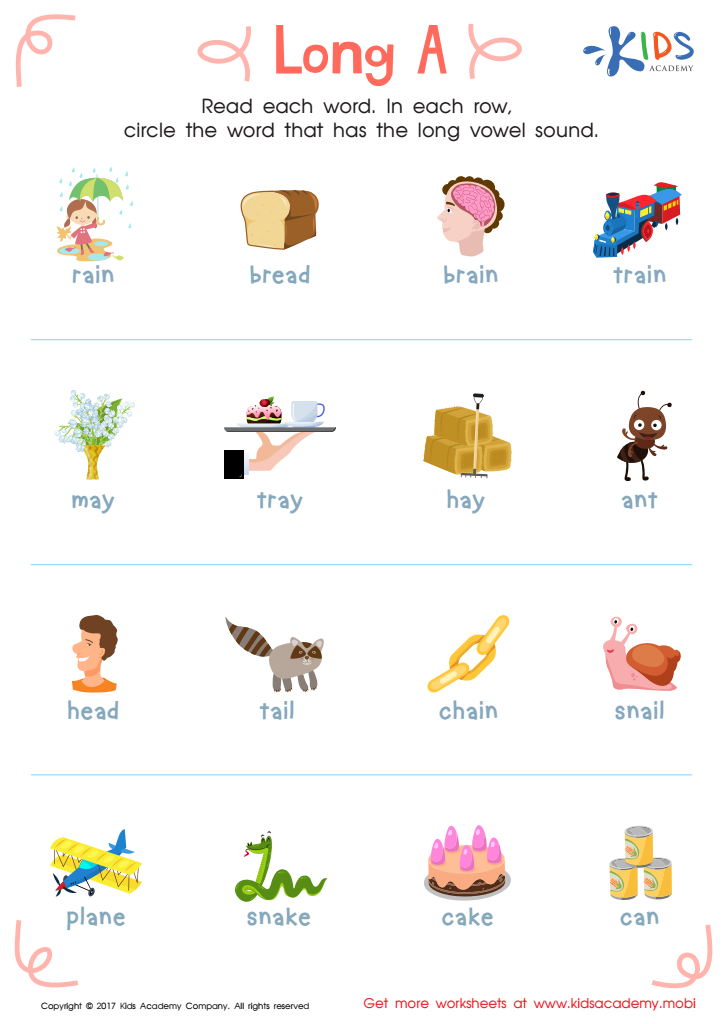
Letter A Sounds Worksheet
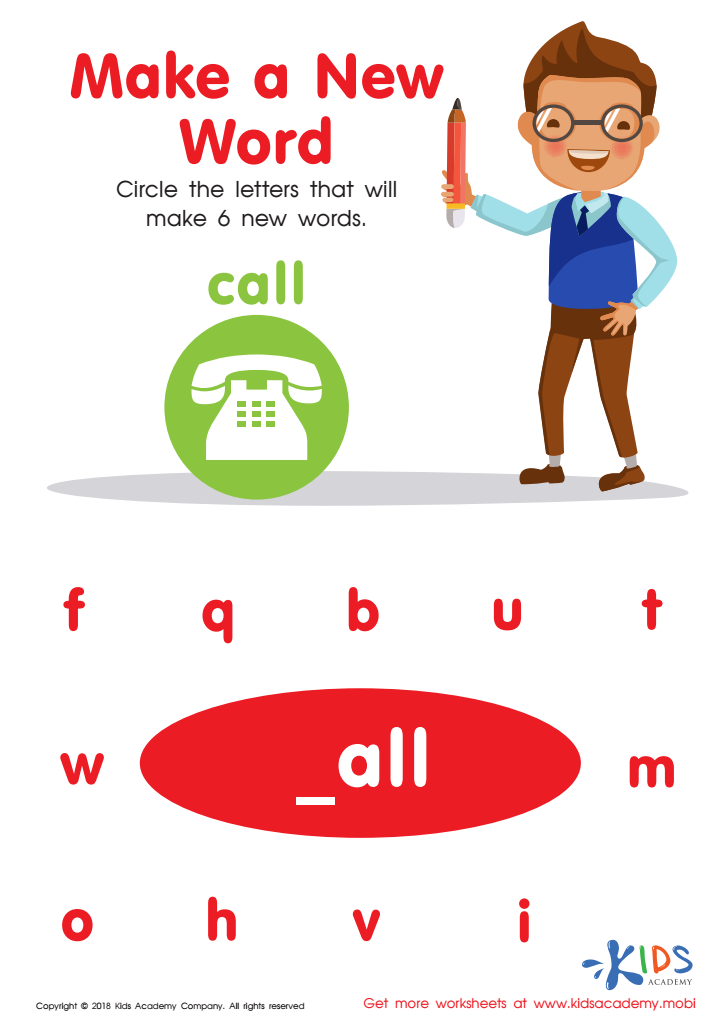
Make a New Word Worksheet
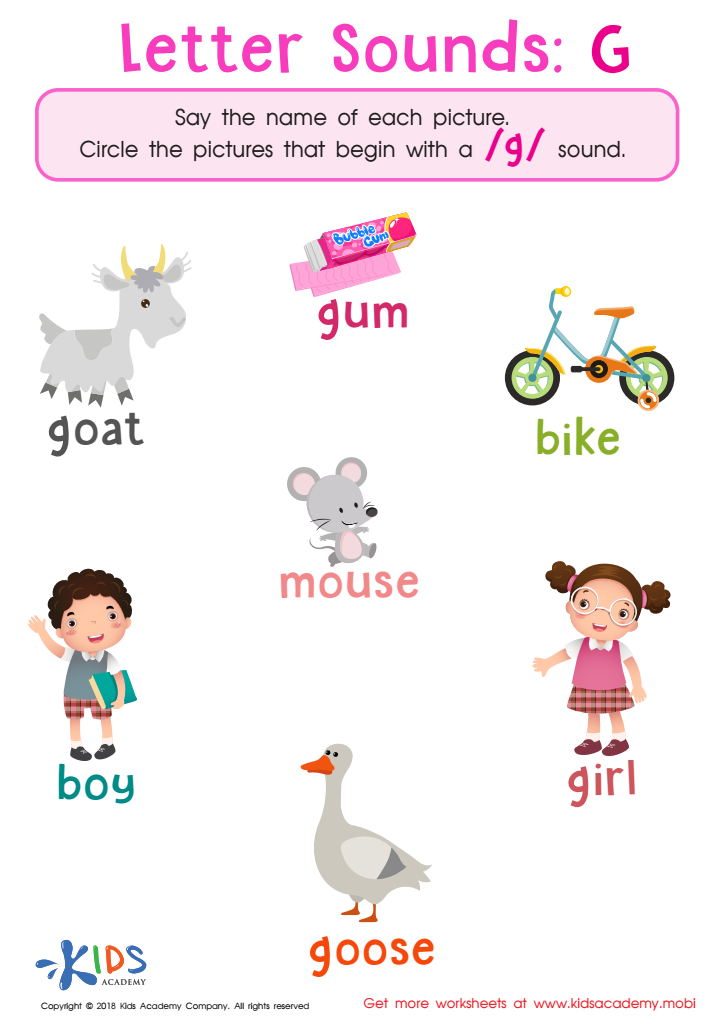
Letter G Sounds Worksheet







Phonics is a fundamental building block in early literacy, serving as a bridge between spoken language and written text. For children aged 4-8, mastering phonics is essential for developing reading and writing skills. Understanding the relationship between letters and sounds enables children to decode new words, promoting confidence and independence as young readers.
When parents and teachers prioritize phonics improvement, they set the foundation for academic success. Children who grasp phonics early tend to have stronger reading comprehension skills, which can enhance all areas of learning, including math and science. Furthermore, early phonics instruction fosters a love for reading, helping to cultivate lifelong learners.
Additionally, phonics provides children with the tools to become effective communicators. By understanding how to blend sounds and recognize patterns in words, they develop better vocabulary and writing skills.
Finally, phonics learning can be incredibly impactful for those with learning difficulties or dyslexia. Early intervention through phonics-based instruction can significantly improve their literacy outcomes. By fostering a strong phonics foundation, parents and teachers contribute to creating an environment where children thrive academically and personally. Thus, prioritizing phonics is vital for nurturing confident, capable learners.







