Reading development Alphabet Worksheets for Ages 4-8
5 filtered results
-
From - To
Empower your child’s reading journey with our engaging Alphabet Worksheets for Ages 4-8. Designed to boost reading skills, these expertly crafted worksheets focus on recognizing letters, phonics, and sound blending, ensuring a strong reading foundation. Each worksheet turns learning into an enjoyable activity, using colorful illustrations and fun exercises perfect for early readers. Ideal for both classroom and home use, our resources support skill development essential for future academic success. Enjoy fostering your child’s love for reading with our activities tailored to inspire confidence and growth in young learners. Start this joyous learning adventure today!
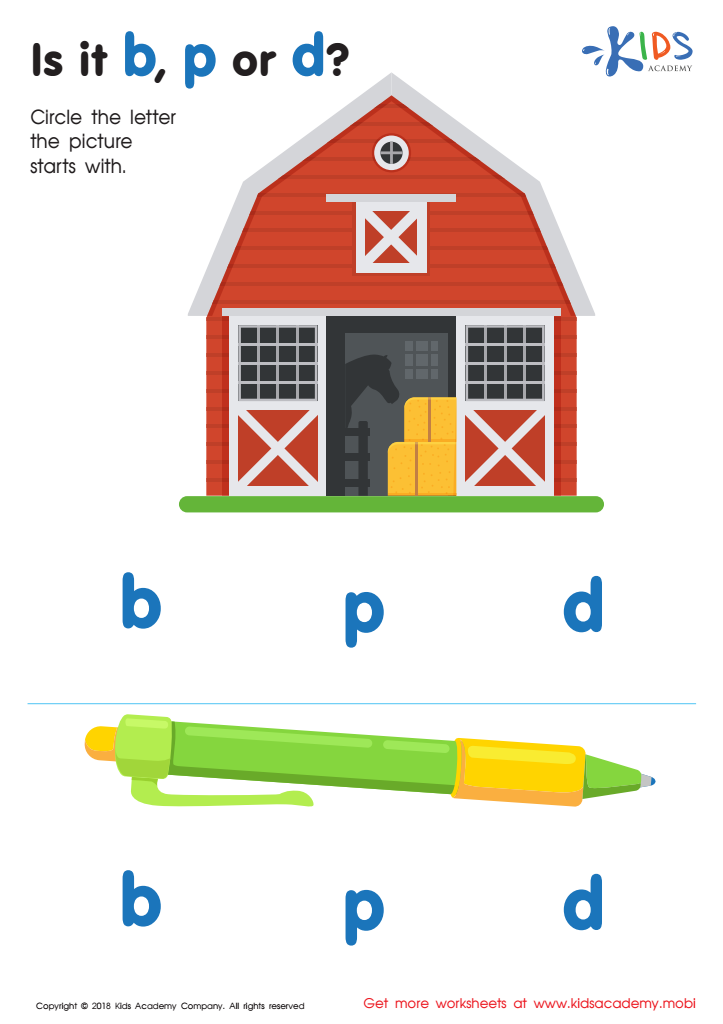
Is it b, p or d? Worksheet
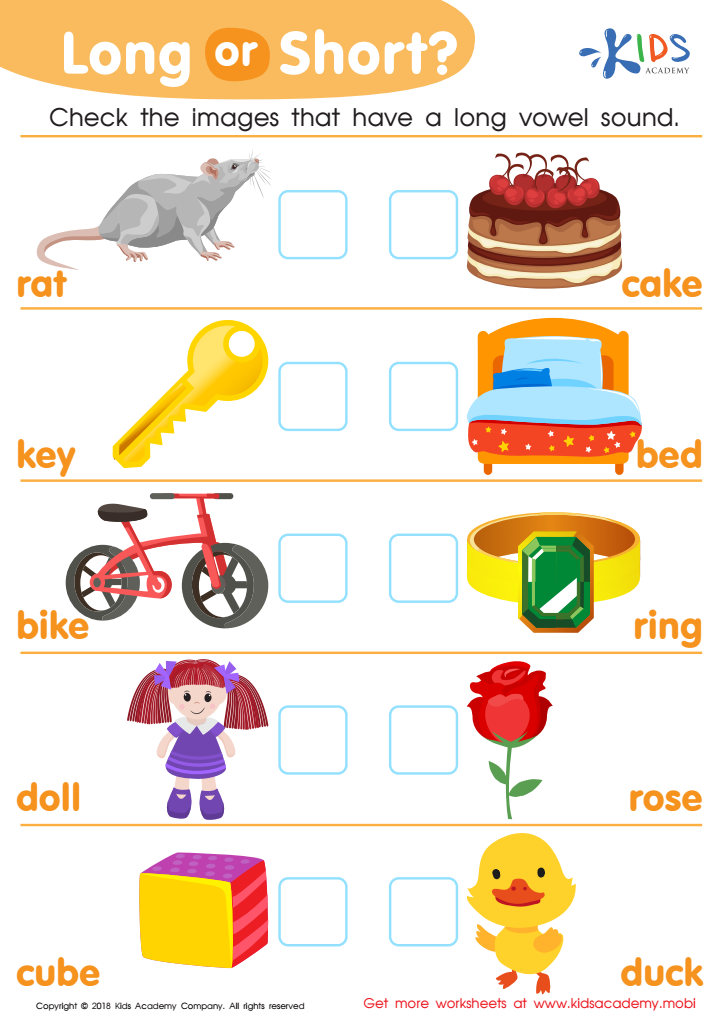
Long or Short Reading Worksheet
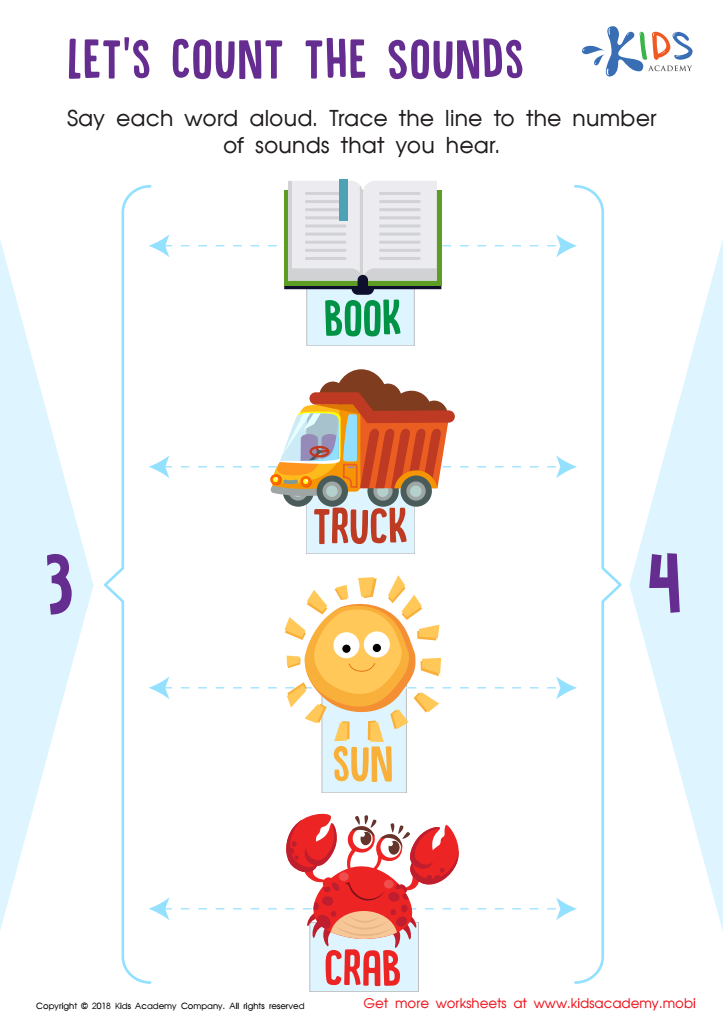
Let's Count the Sounds Worksheet
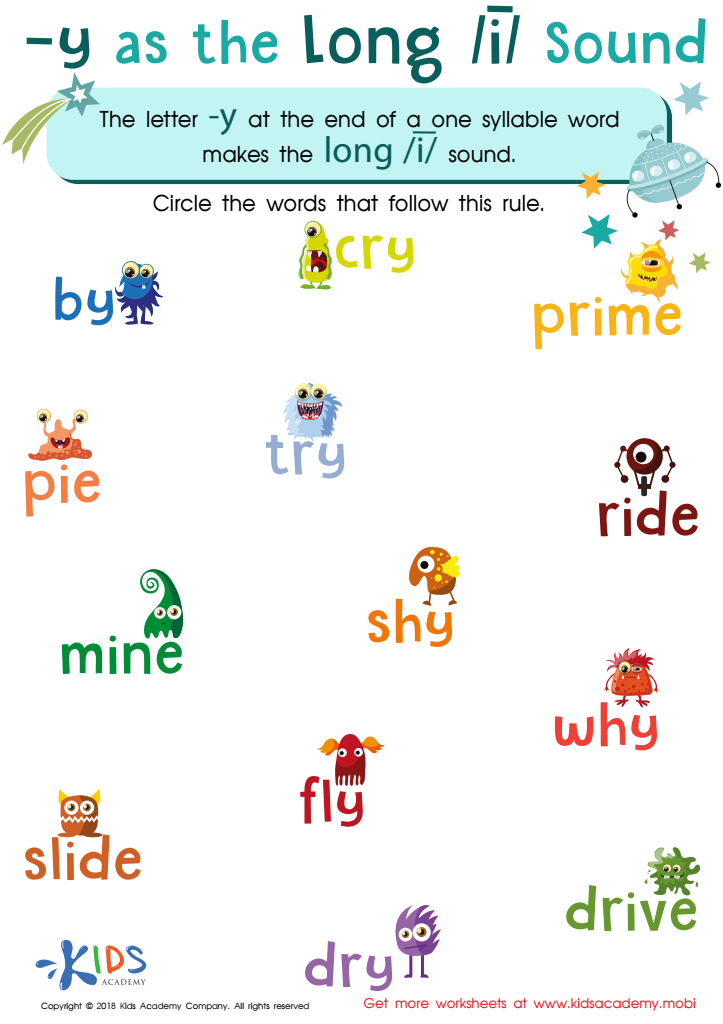
Reading: Y as Long I Worksheet
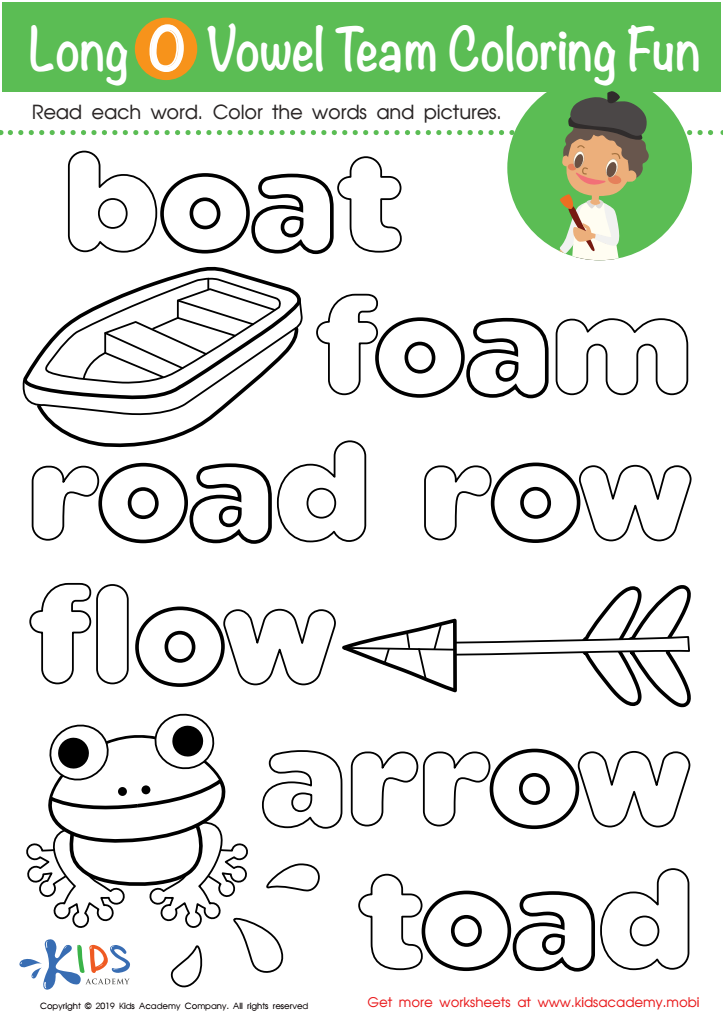
Long O Vowel Team Coloring Worksheet
 Assign to My Students






Parents and teachers should pay close attention to reading development and the alphabet for children ages 4-8 because these early years are a critical window for literacy acquisition. During this period, children's brains are highly receptive to learning language, forming essential neural connections that will support reading and writing skills for their entire lives. Knowledge of the alphabet is a foundational aspect of literacy; it is more than just learning letters. When children get familiar with the alphabet, they also begin to understand phonemic awareness, the concept that words are made up of smaller sound units (phonemes).
Studies continually show that early alphabet knowledge is strongly correlated with later reading success. Children who can recognize and manipulate letters are better positioned to decode words, comprehend texts, and develop vocabulary. Additionally, developing strong early literacy skills promotes critical thinking, improves communication abilities, and lays the groundwork for academic achievement across all subjects. Teachers and parents are vital in nurturing these skills; engaging children in direct alphabet instruction, reading aloud, interactive games, and rich verbal interactions can greatly enhance their learning experience. Thus, fostering alphabet and reading development during ages 4-8 ensures children's smoother transition into more complex literacy tasks, setting them up for long-term educational and personal success.







