Fine Motor Skills Letter E Worksheets for Ages 4-8
3 filtered results
-
From - To
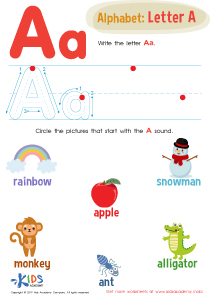
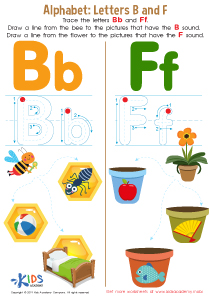
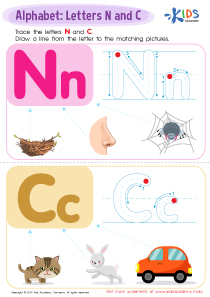
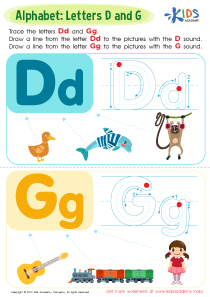
Boost your child's fine motor skills with our engaging "Letter E Worksheets for Ages 4-8". Designed to enhance precision and coordination, these interactive printables introduce the letter "E" through fun tracing, coloring, and matching exercises. Each activity promotes hand-eye coordination, pencil grip, and writing posture, making learning both effective and enjoyable. Ideal for little learners, our worksheets offer a playful yet educational approach to mastering the alphabet while developing essential motor skills. Turn practice time into an adventure, and watch your child’s confidence soar as they conquer the letter "E". Download now and start learning today!
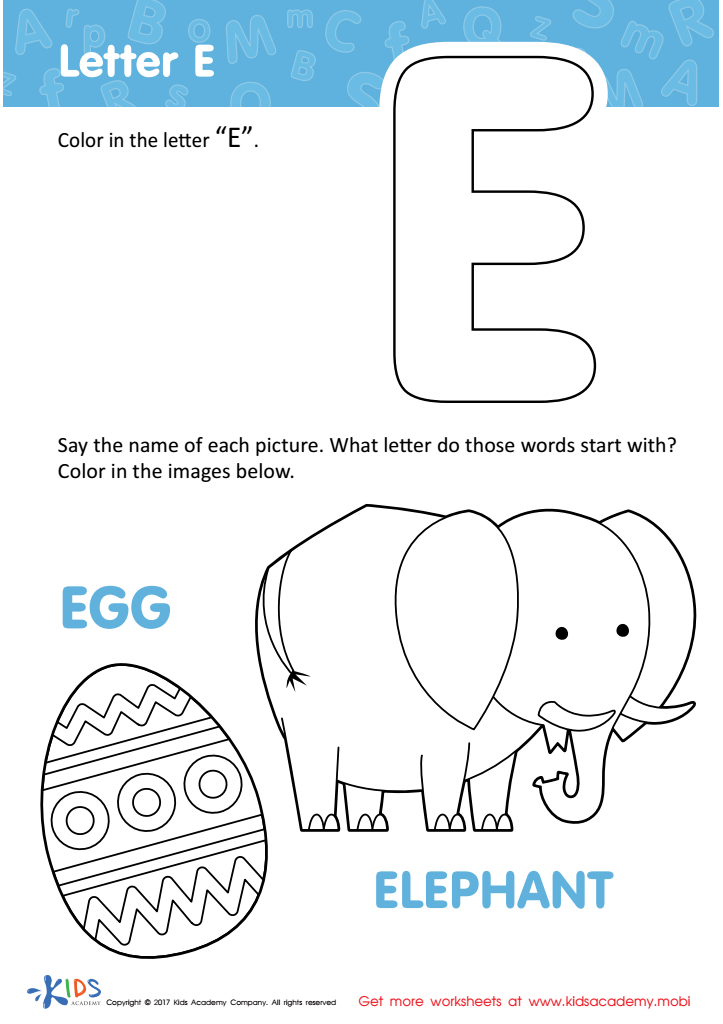
Letter E Coloring Sheet
 Assign to My Students
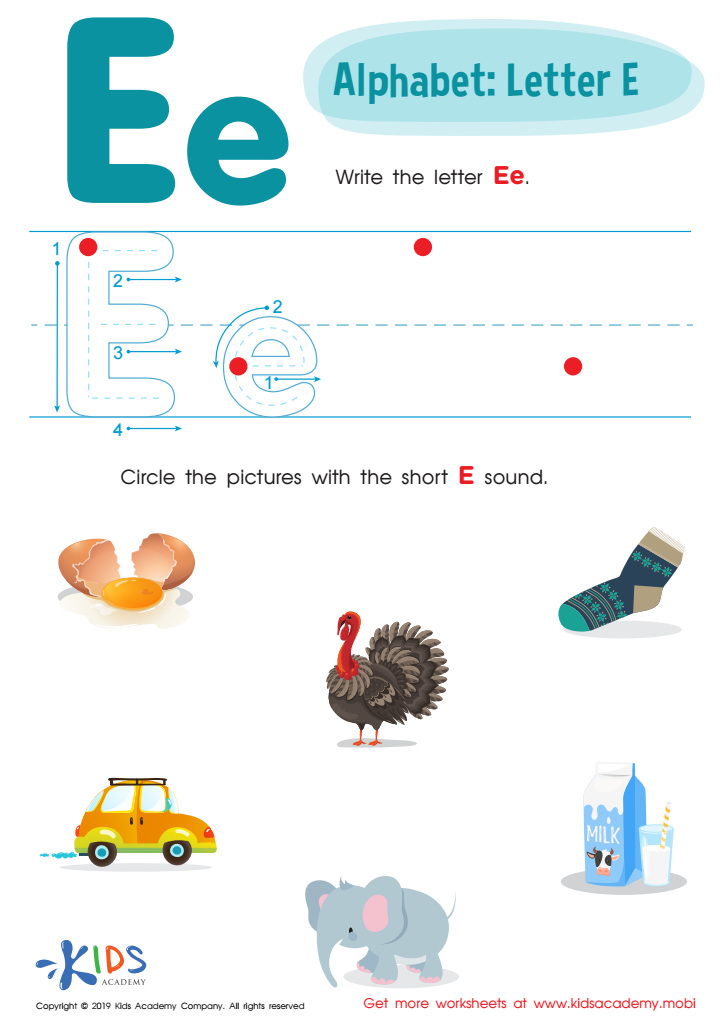
Letter E Tracing Worksheet

Letter E Tracing Page







Developing fine motor skills, especially through activities like forming the letter "E," is crucial for children aged 4-8 due to its impact across various aspects of their growth. Fine motor skills involve small muscle movements, particularly those controlling the fingers, hands, and wrists. By practicing the letter "E," children enhance their hand-eye coordination, precision, and manual dexterity, foundational skills essential for academic and daily life activities.
These skills are significant for learning to write neatly and legibly, with the letter "E" serving as an accessible yet challenging practice letter. The repetitive strokes required to form this letter help children develop control over the writing instrument and strengthen their fingers. This early proficiency lays a strong foundation for more complex writing tasks, fostering educational success.
Furthermore, fine motor development supports independence in self-care tasks like buttoning clothes, using utensils, and tying shoelaces. It's also linked to cognitive development; as children manipulate objects, they enhance their problem-solving abilities and spatial awareness. From an emotional perspective, succeeding in fine motor tasks boosts self-esteem and fosters perseverance.
In summary, emphasizing fine motor skills through activities like crafting the letter "E" equips children with critical skills that aid academic performance, daily living, and confidence, forming a well-rounded base for future development.