Handwriting practice Letter Recognition Worksheets for Ages 4-8 - Page 2
40 filtered results
-
From - To
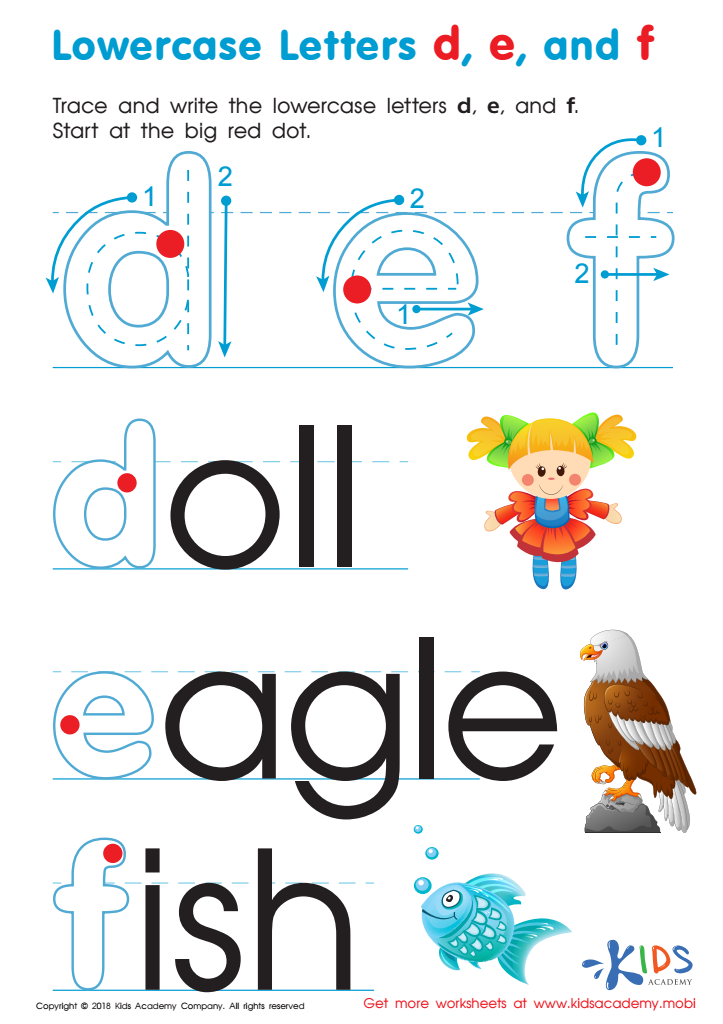
Lowercase Letters d e f Worksheet
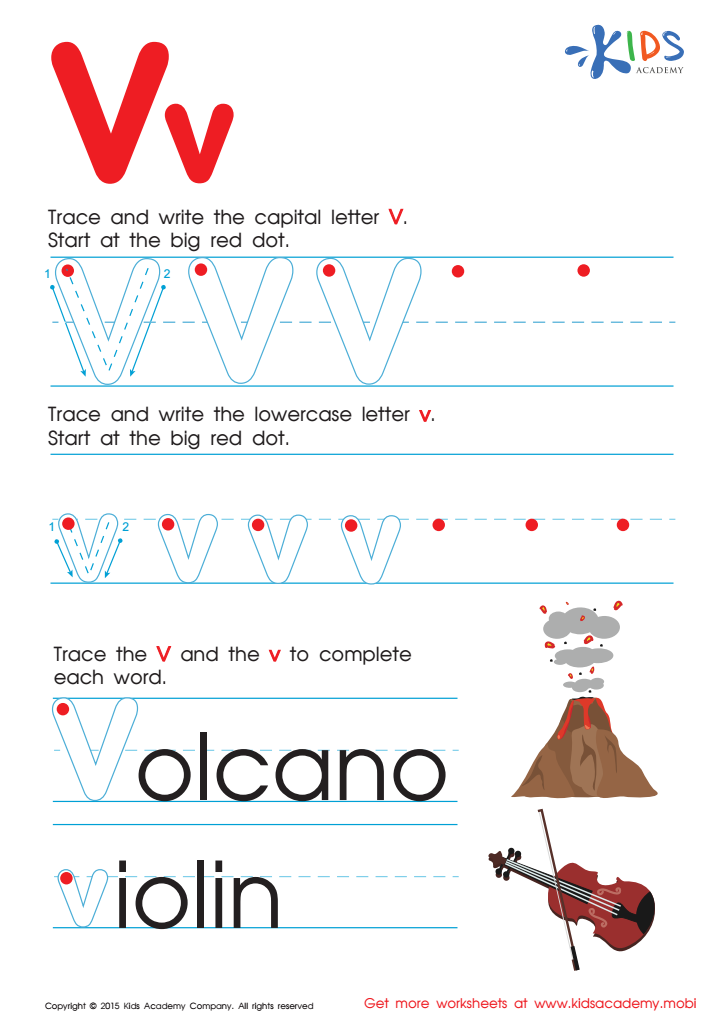
Letter V Tracing Page
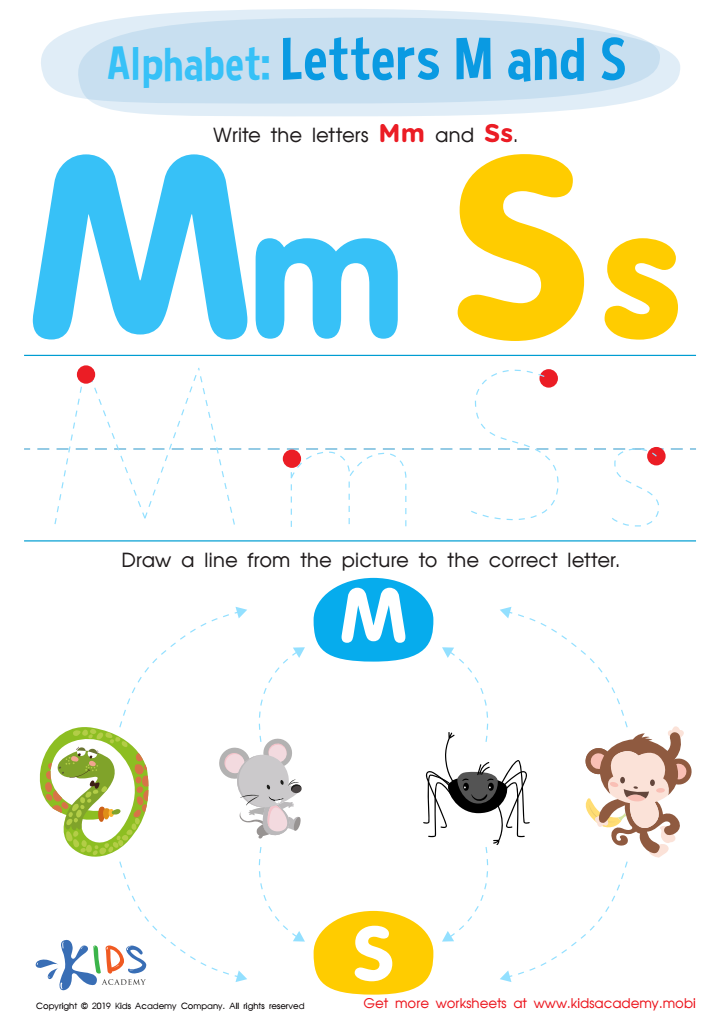
Letters M and S Tracing Worksheet
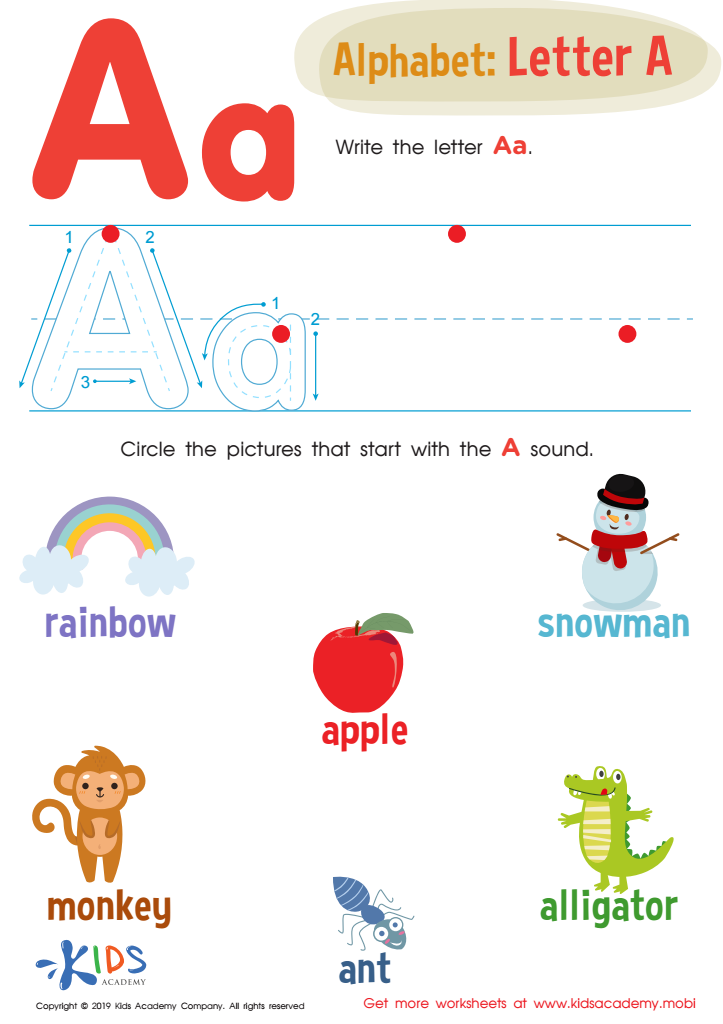
Letter A Tracing Worksheet
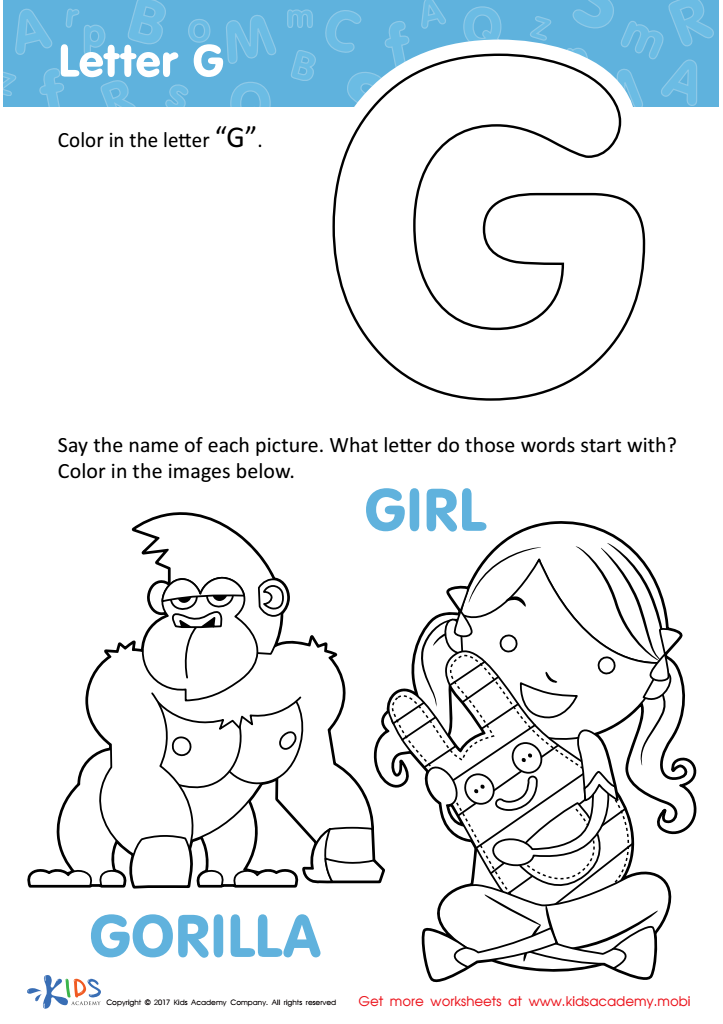
Letter G Coloring Sheet
 Assign to My Students
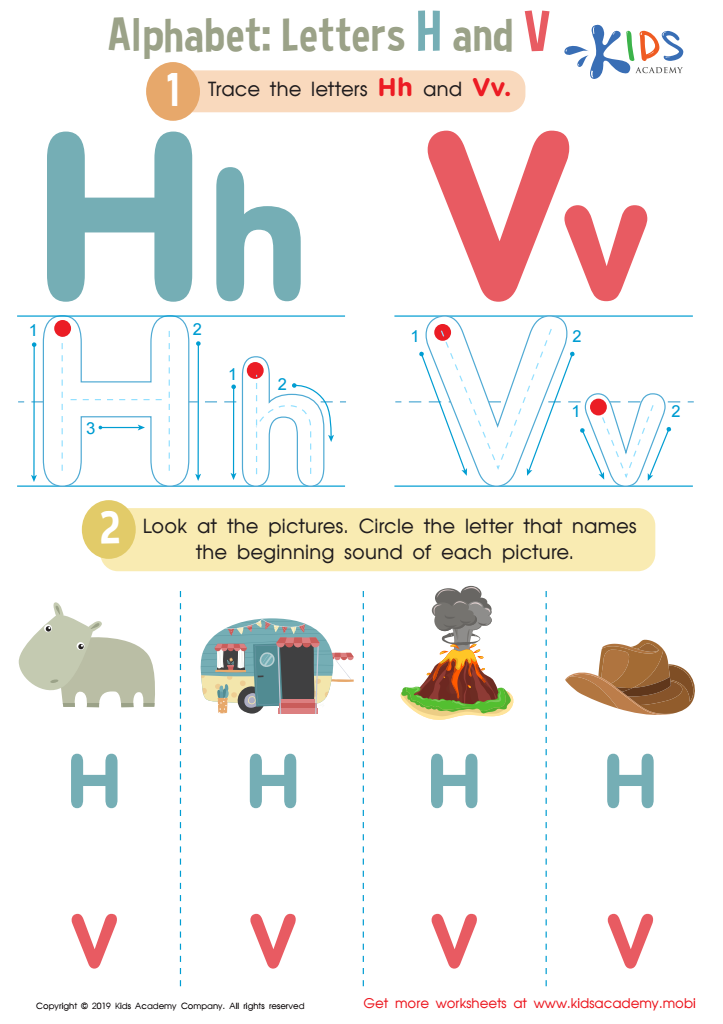
Letters H and V Tracing Worksheet
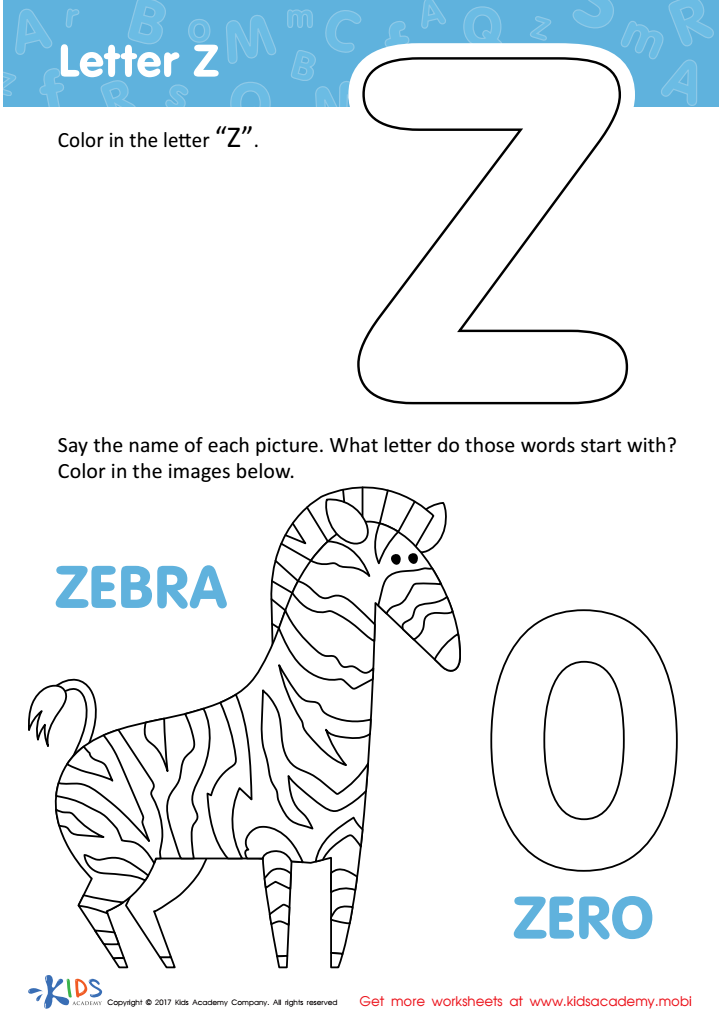
Letter Z Coloring Sheet
Assign to My Students
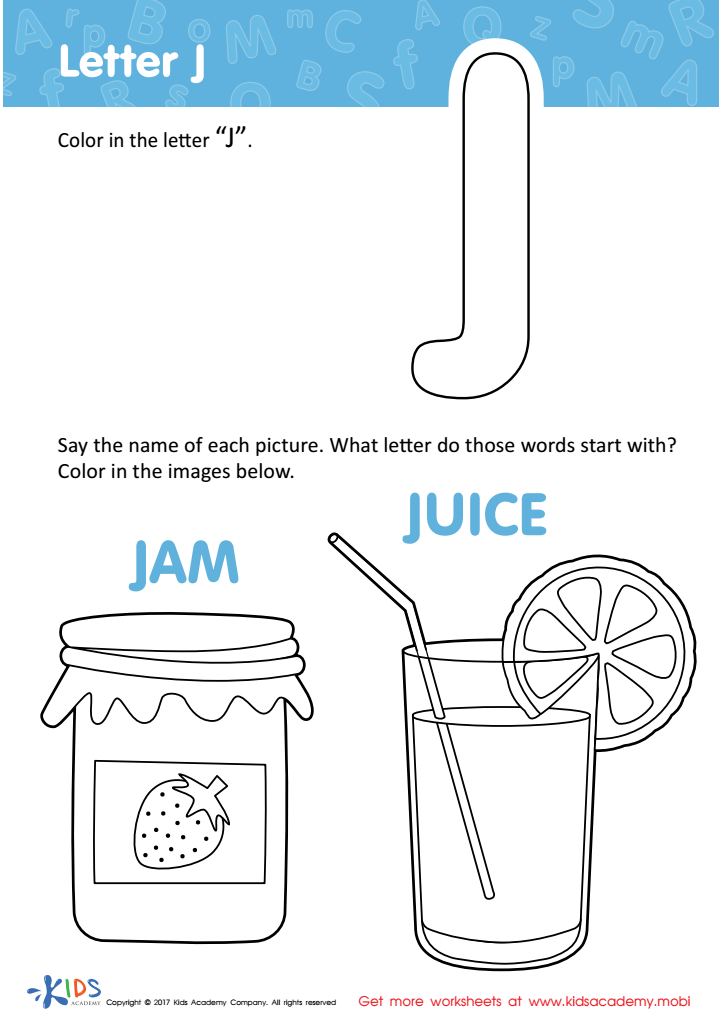
Letter J Coloring Sheet
Assign to My Students
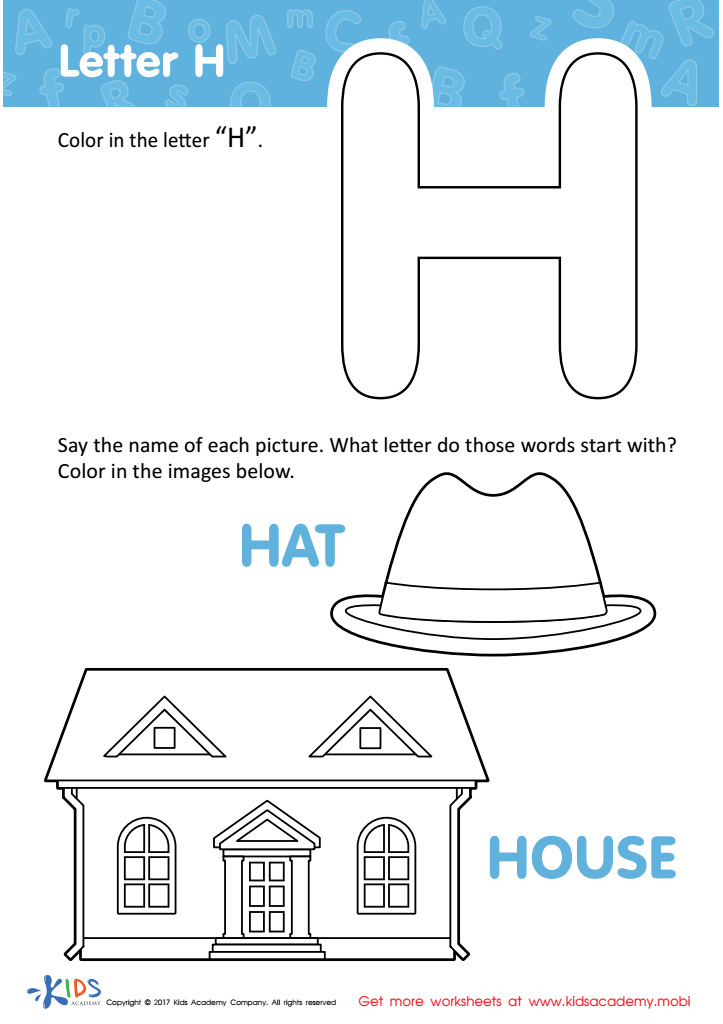
Letter H Coloring Sheet
Assign to My Students
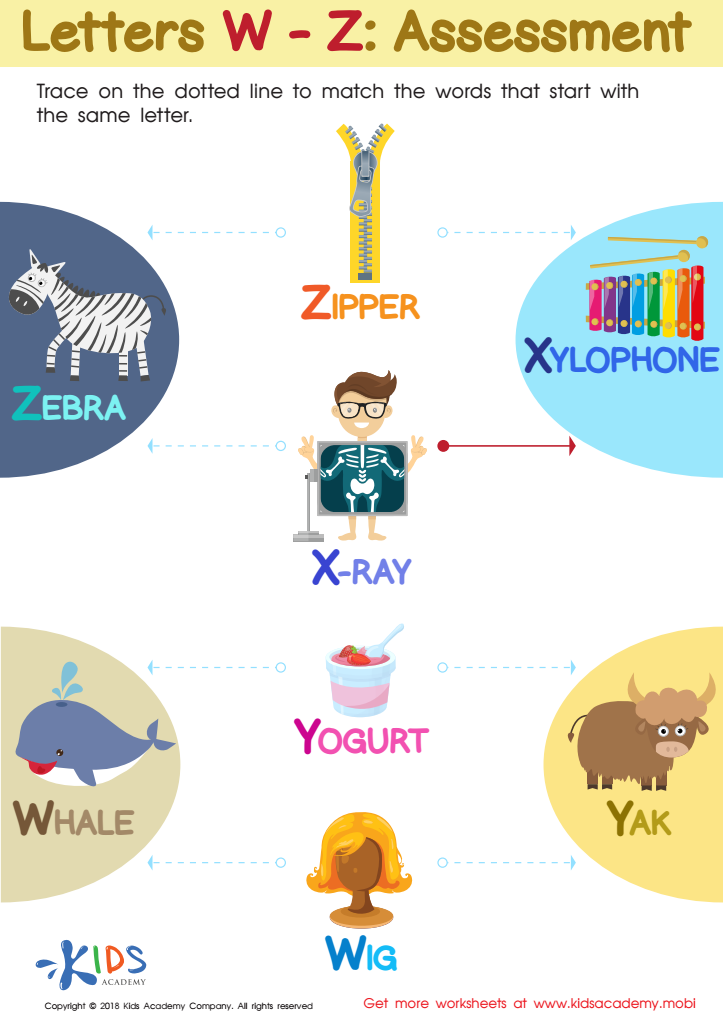
Letters W–Z Tracing Worksheet
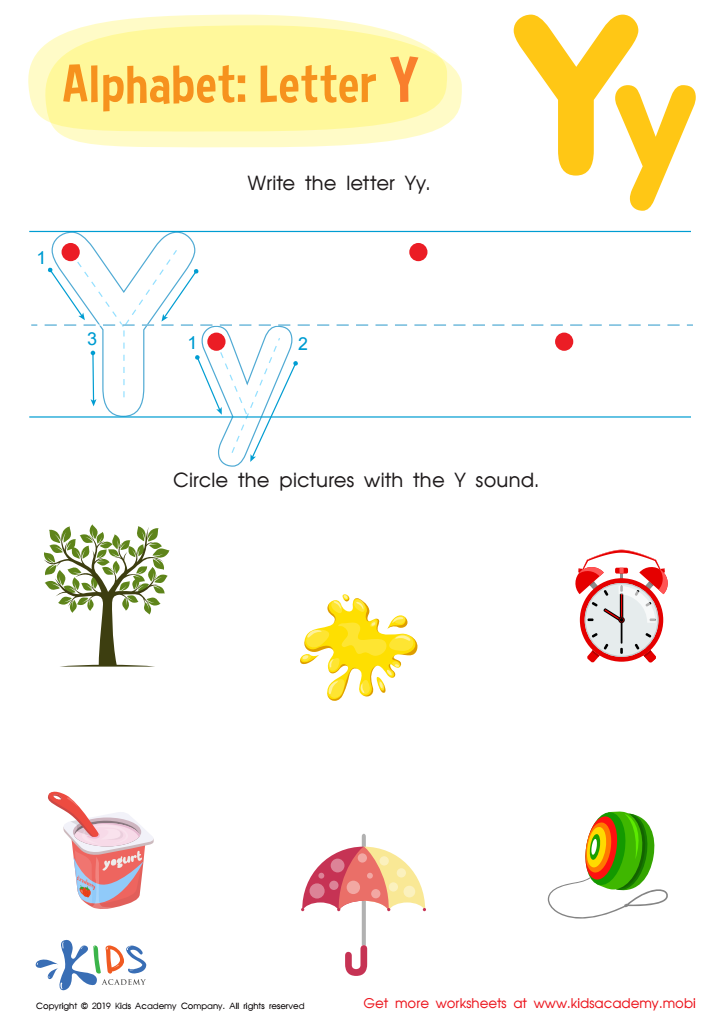
Letter Y Tracing Worksheet
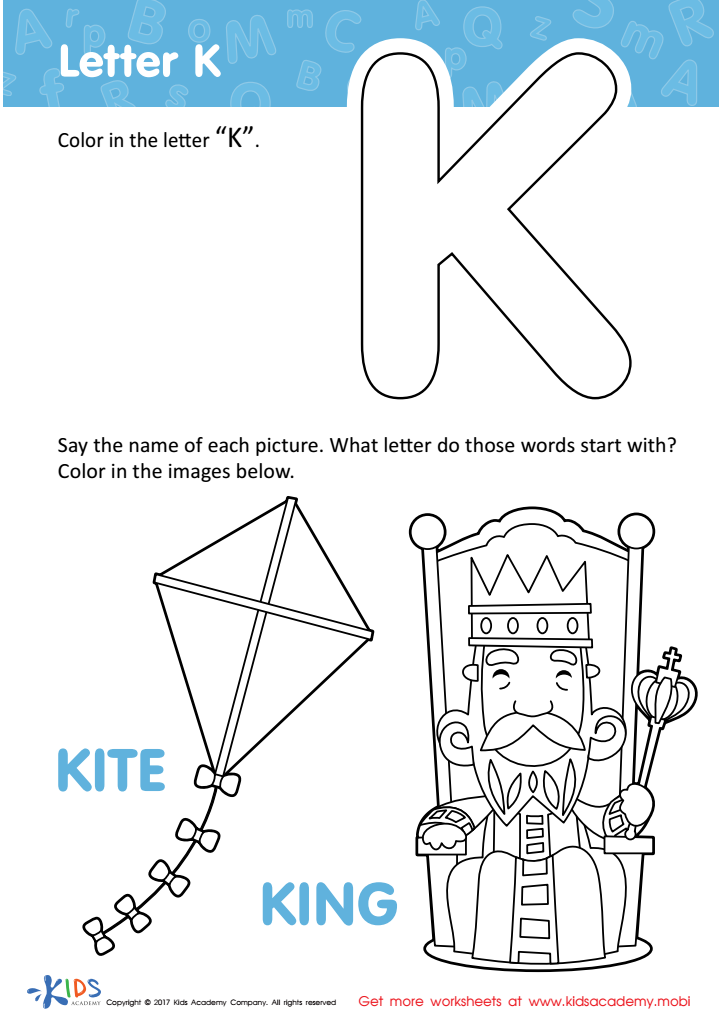
Letter K Coloring Sheet
Assign to My Students

Lowercase Letters g h i Worksheet
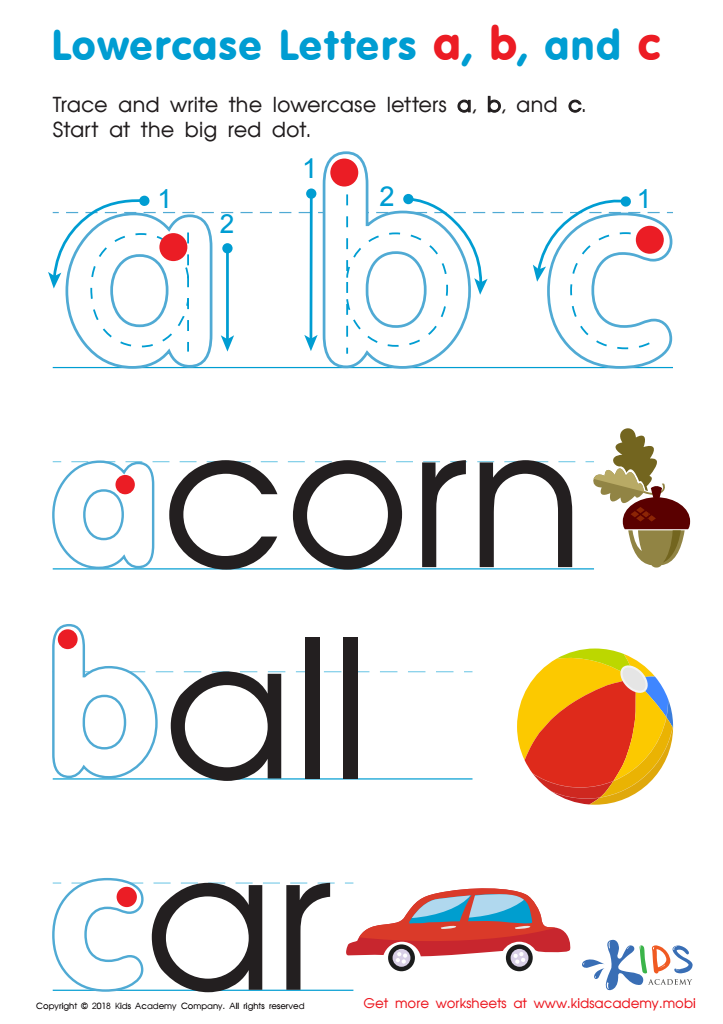
Lowercase Letters a b c Worksheet
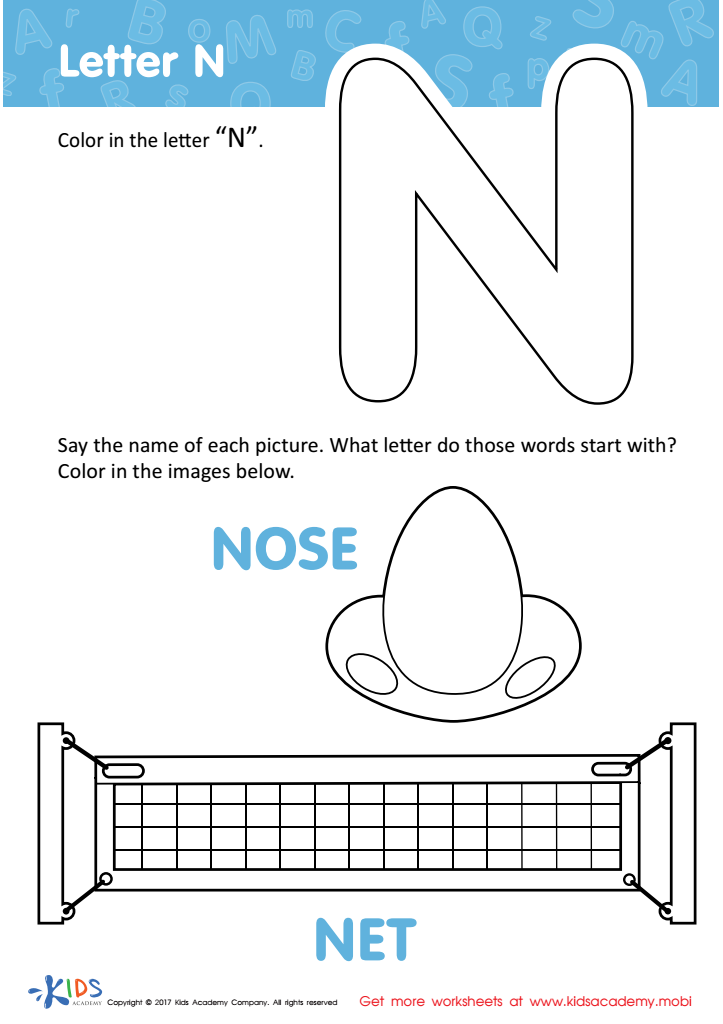
Letter N Coloring Sheet
Assign to My Students
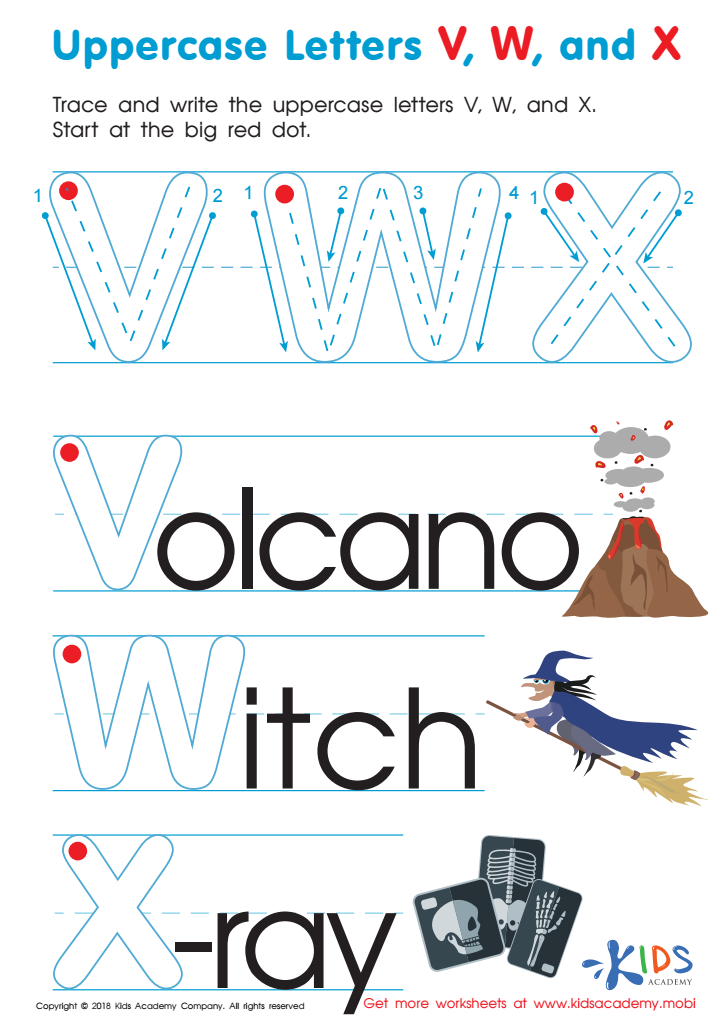
Uppercase Letters V, W, and X Worksheet








Handwriting practice and letter recognition are crucial skills for children aged 4-8, significantly impacting their cognitive development and academic success. For young learners, developing fine motor skills through handwriting activities not only enhances their ability to write but also improves hand-eye coordination and dexterity. When children learn to form letters correctly, they are better equipped to express their thoughts and ideas on paper.
Moreover, letter recognition lays the foundation for reading and literacy. Understanding the shapes and sounds of letters helps children decode words, an essential step for fluent reading. As parents and teachers engage children in fun and interactive handwriting exercises that promote letter recognition, they also nurture a love for learning and literacy.
Early intervention and practice in these areas can prevent future difficulties in spelling, writing, and reading comprehension. This is particularly important as leaders of educational settings increasingly focus on standardized testing in early grades.
By prioritizing handwriting practice and letter recognition, parents and teachers equip children with the necessary tools to build confidence, creativity, and communication skills. The benefits extend beyond academics, influencing a child's overall self-confidence and willingness to engage fully in their education.







