Phonics Skills Letter Recognition Worksheets for Ages 4-8
8 filtered results
-
From - To
Our "Phonics Skills Letter Recognition Worksheets for Ages 4-8" are designed to help young learners master the alphabet through engaging activities. These worksheets enhance early reading skills by combining letter recognition with interactive exercises. Each printable sheet offers a variety of tasks, including tracing, matching, and identifying letters, to build a solid foundation for phonics. Perfect for both classroom and at-home learning, our collection is tailored to make letter learning fun and effective. Empower your child's literacy journey with structured, age-appropriate worksheets from Kids Academy, ensuring they develop confidence and competence in their reading abilities.
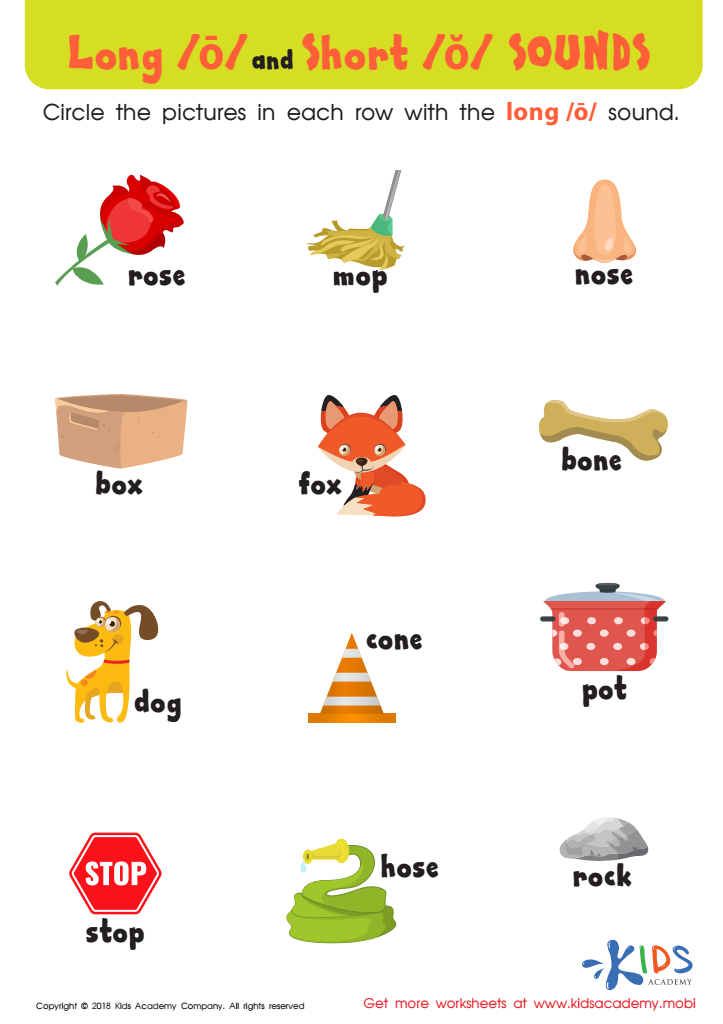
Reading: Long O and Short O Sounds Worksheet
 Assign to My Students

Short Vowels /e/, /i/, and /u/ Worksheet
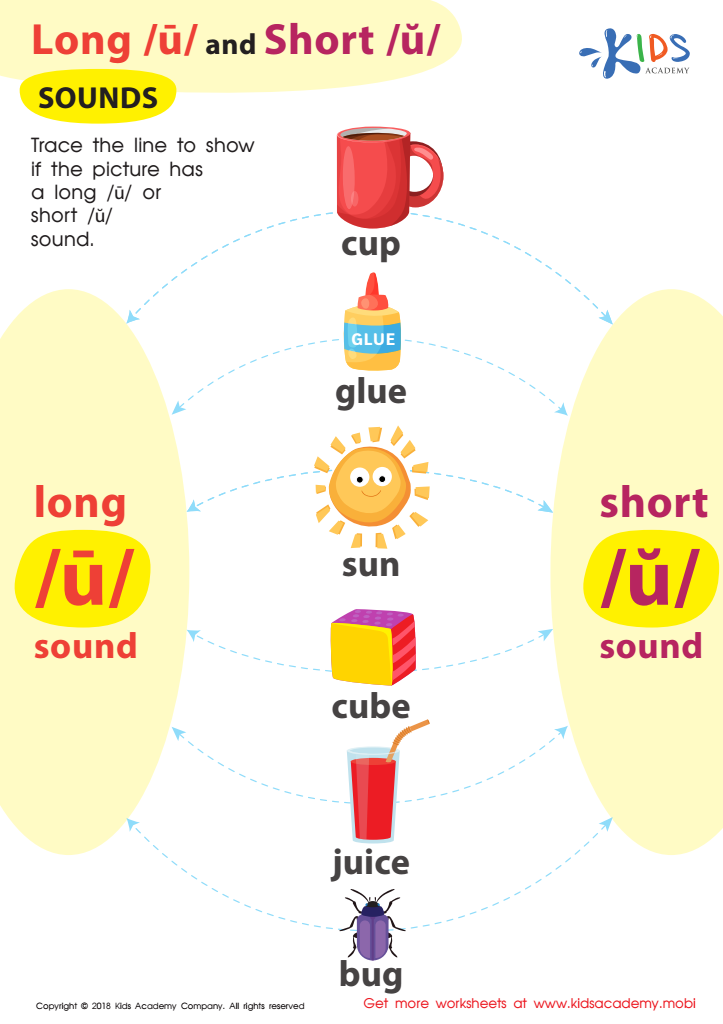
Reading: Long U and Short U Sounds Worksheet
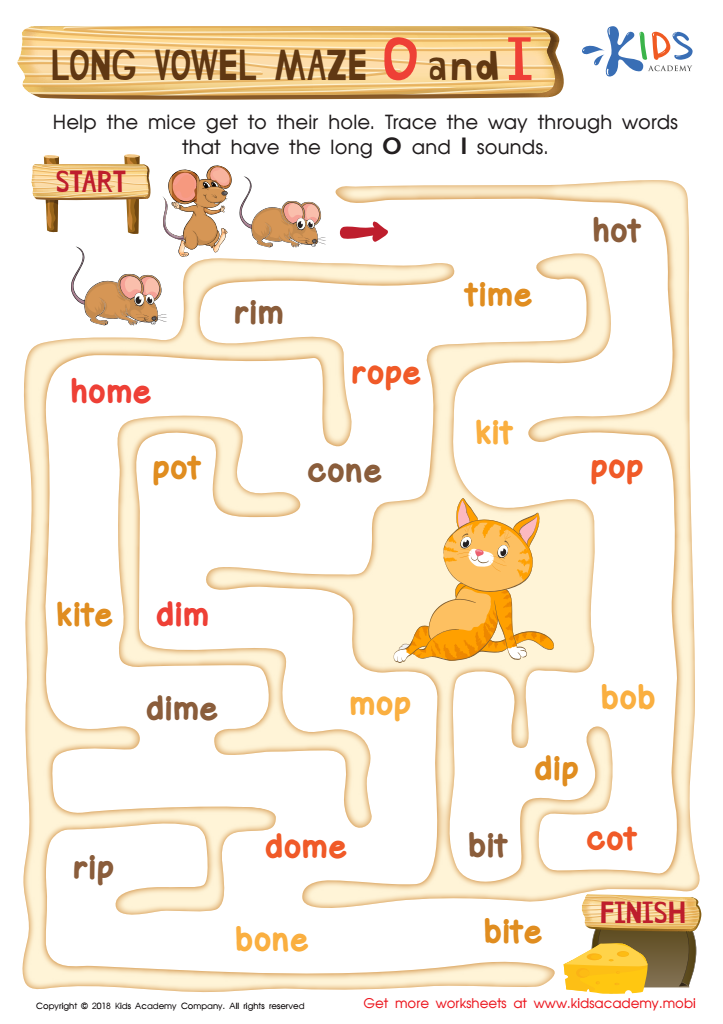
Long Vowel Maze /o/ and /i/ Worksheet
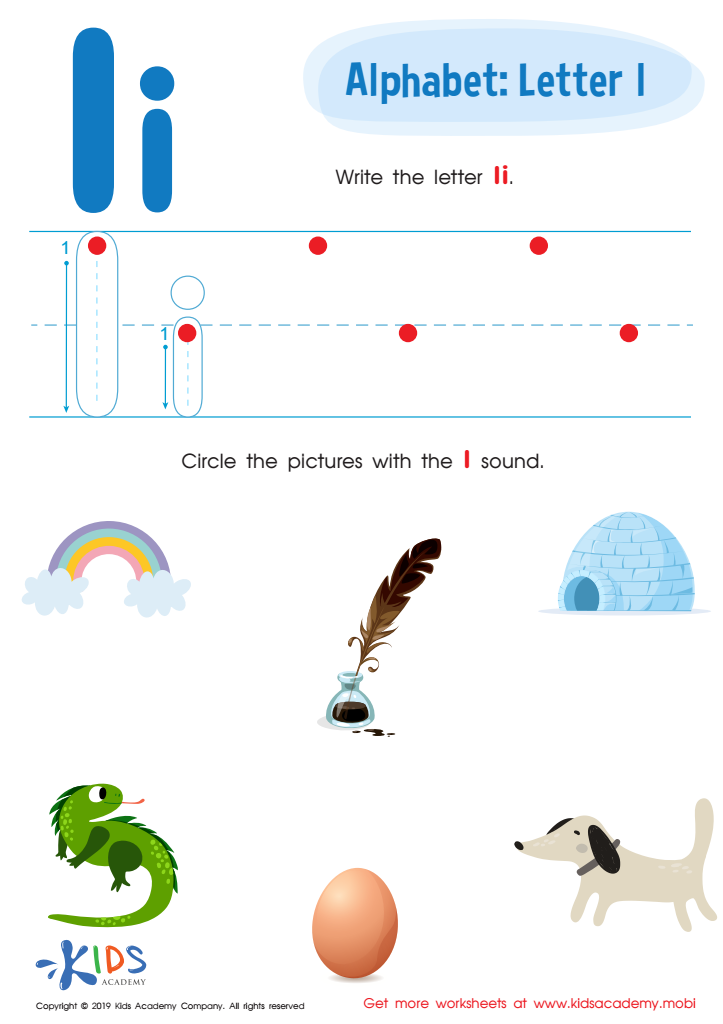
Letter I Tracing Worksheet
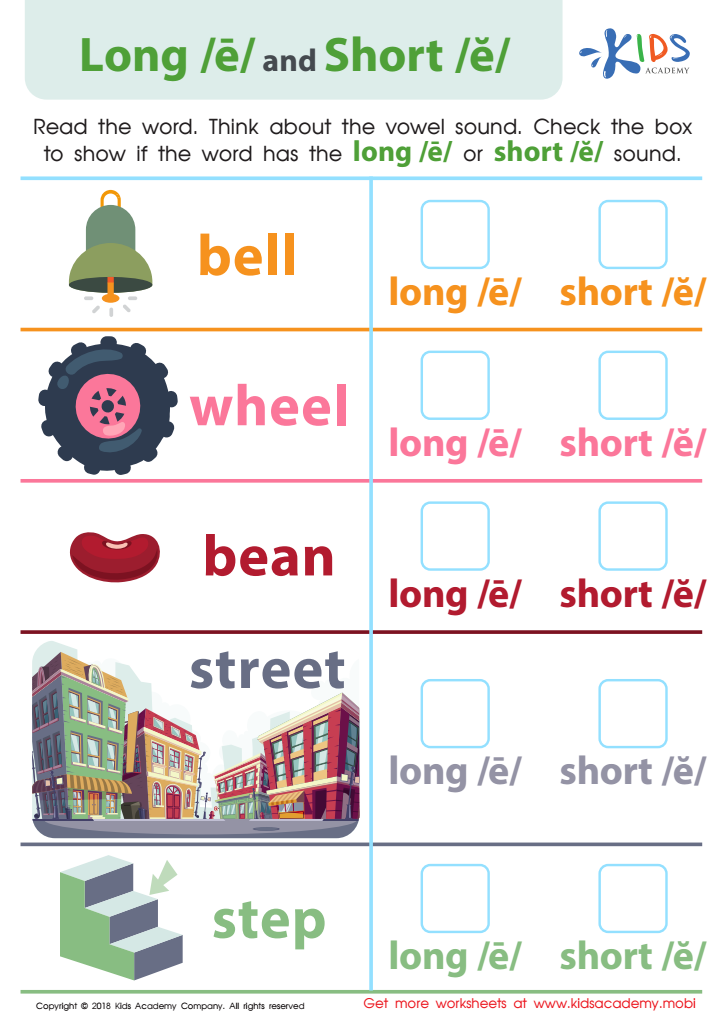
Reading: Long E and Short E Worksheet
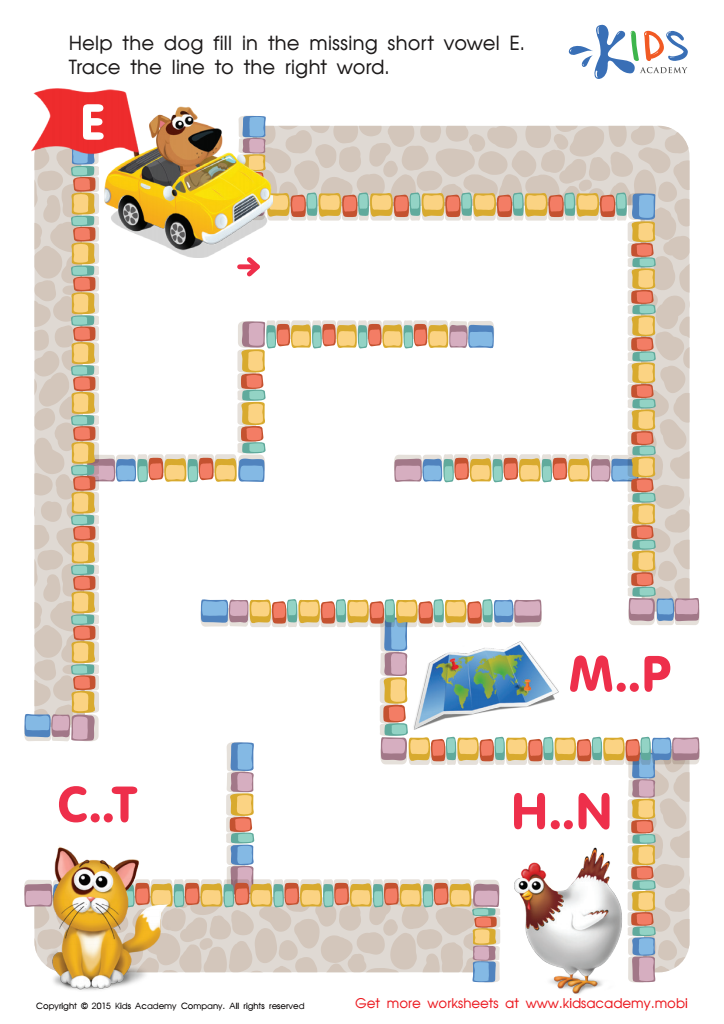
Short Vowel Sound E Worksheet
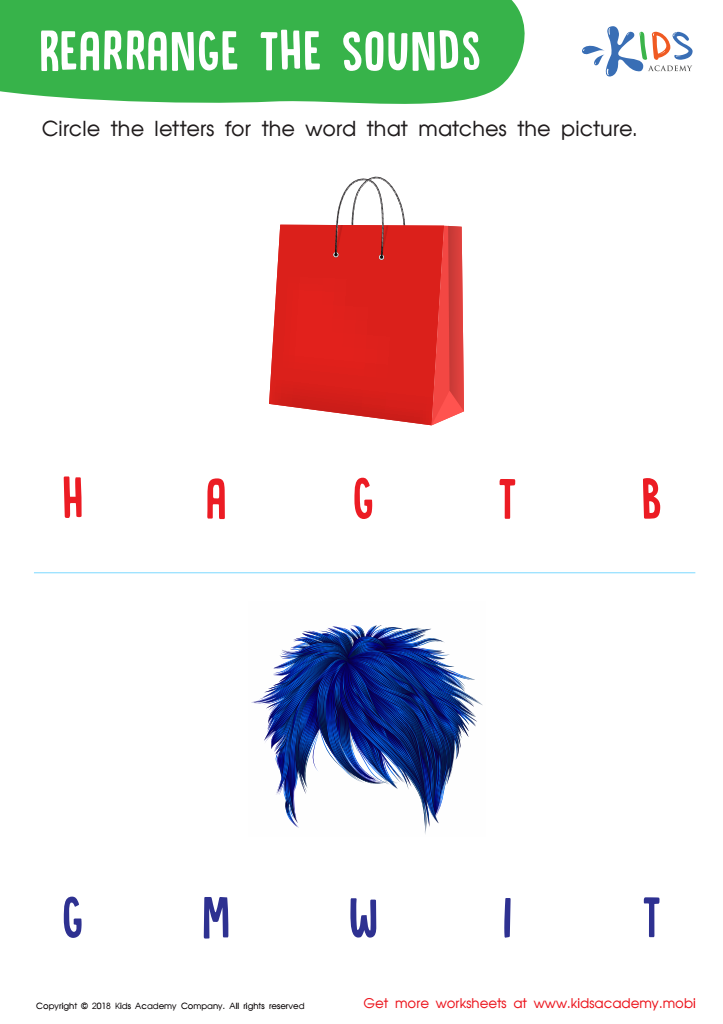
Rearrange the Sounds Worksheet








Phonics skills and letter recognition are foundational components of early literacy, essential for children aged 4-8. At this critical developmental stage, children are naturally curious and capable of absorbing new information rapidly. Phonics involves understanding the relationship between letters and sounds, providing children with the tools to decode, read, and spell words accurately.
Early mastery of phonics skills directly supports reading fluency, a pivotal element in ensuring academic success. Children who are proficient readers tend to excel in other subjects, as literacy skills underpin much of the learning process. Furthermore, letter recognition is the precursor to phonics; children first learn to identify letters by their shapes and names before associating them with specific sounds. Without this foundational knowledge, future reading comprehension and writing ability may be compromised.
Moreover, difficulty in reading and spelling can impact a child's self-esteem and academic performance. By placing emphasis on phonics and letter recognition, parents and teachers can provide children with the confidence and capabilities needed to thrive in educational settings. In essence, these skills are not just about learning to read and write; they unlock a child's potential for lifelong learning, critical thinking, and effective communication. Early intervention and consistent practice in these areas set the stage for a more successful and enjoyable learning journey.







