Color Identification Phonics Worksheets for Ages 4-8
5 filtered results
-
From - To
Unlock your child's creativity and literacy with our Color Identification Phonics Worksheets designed specifically for ages 4-8. These engaging worksheets help young learners explore colors while reinforcing essential phonics skills. Featuring vibrant illustrations and interactive activities, children will enjoy identifying colors and associating them with letters and sounds. Ideal for early grade teachers and parents alike, our resources provide a fun and effective way to develop foundational reading and cognitive skills. Perfect for at-home practice or classroom use, these printable worksheets foster a love for learning while promoting educational growth in a colorful, imaginative environment. Start your child's learning adventure today!
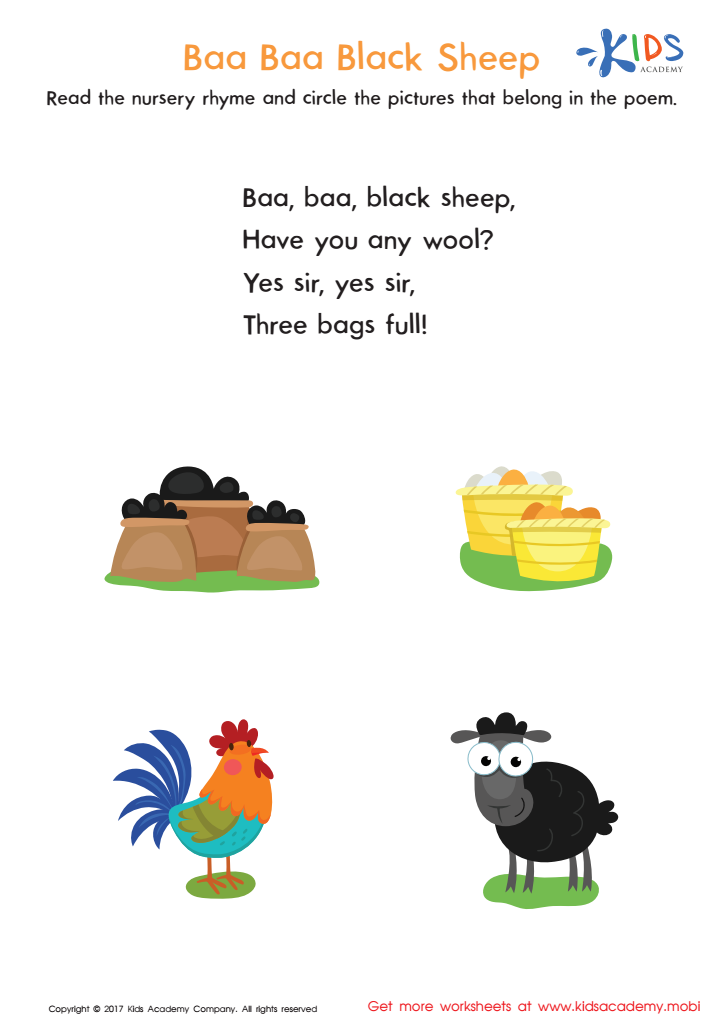
Baa Baa Black Sheep Printable
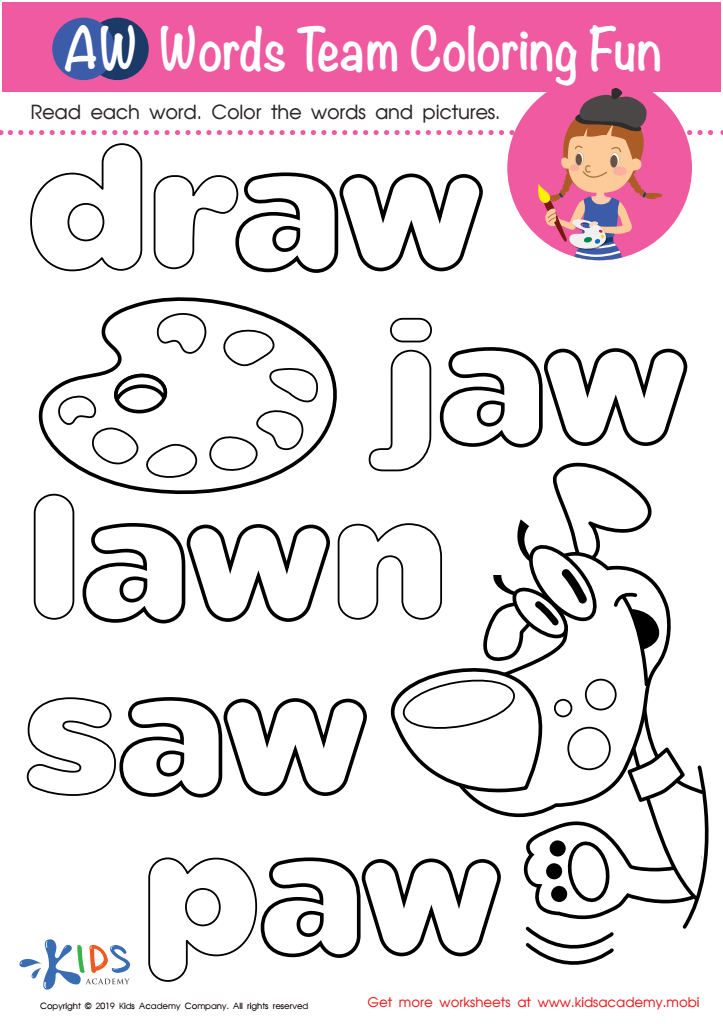
AW Words Team Coloring Fun Worksheet
 Assign to My Students
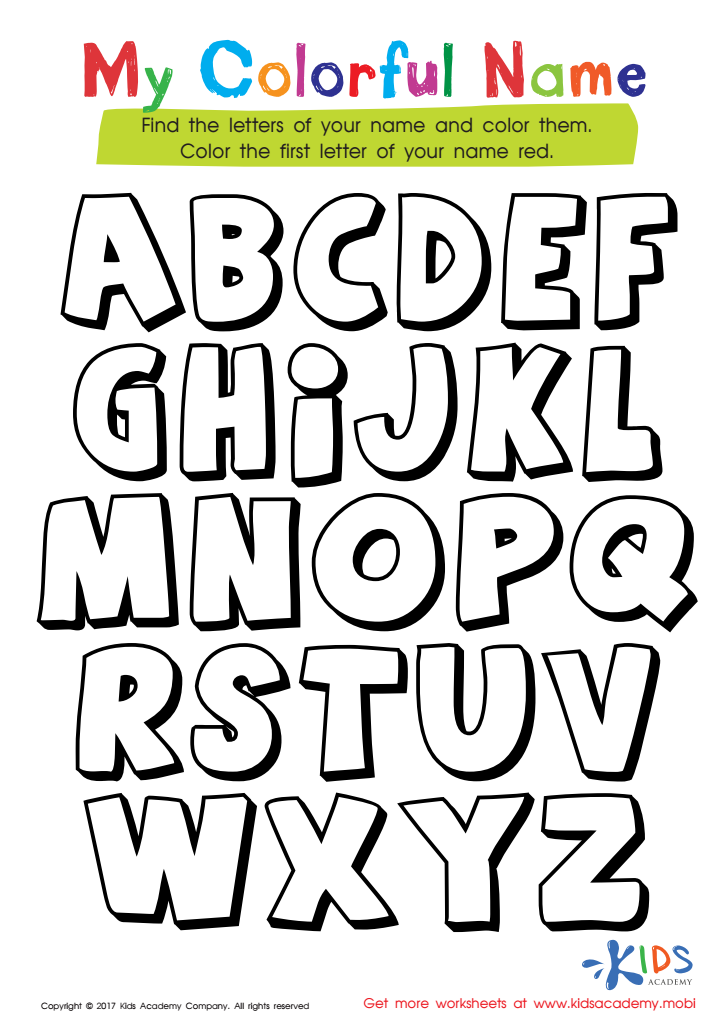
My Colorful Name Worksheet
Assign to My Students
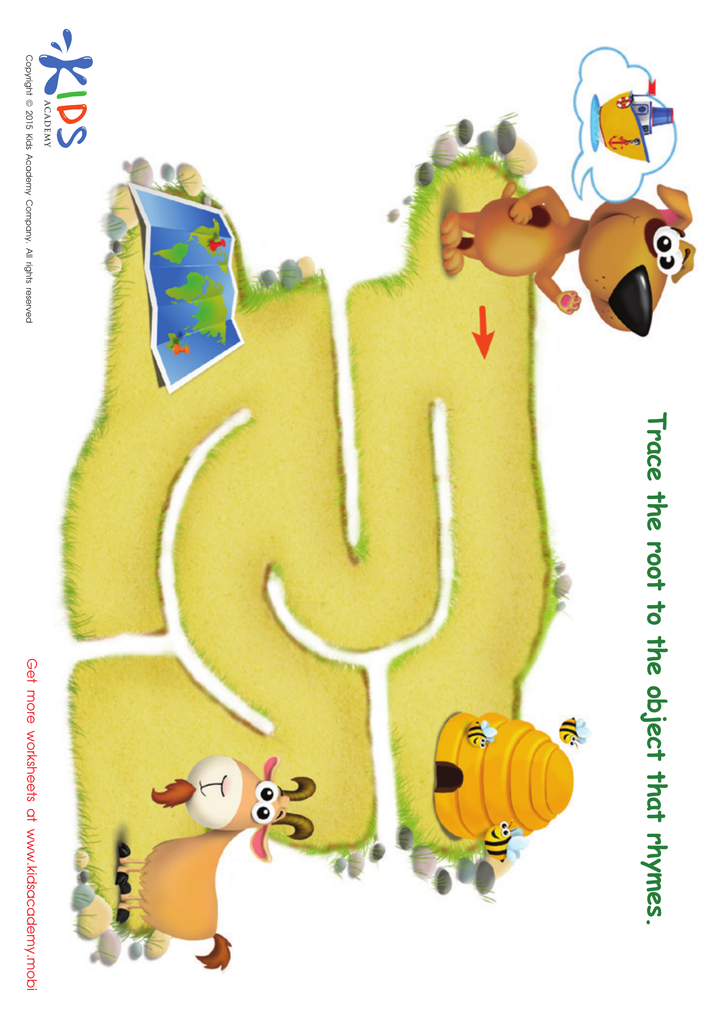
Boat Rhyming Words Worksheet
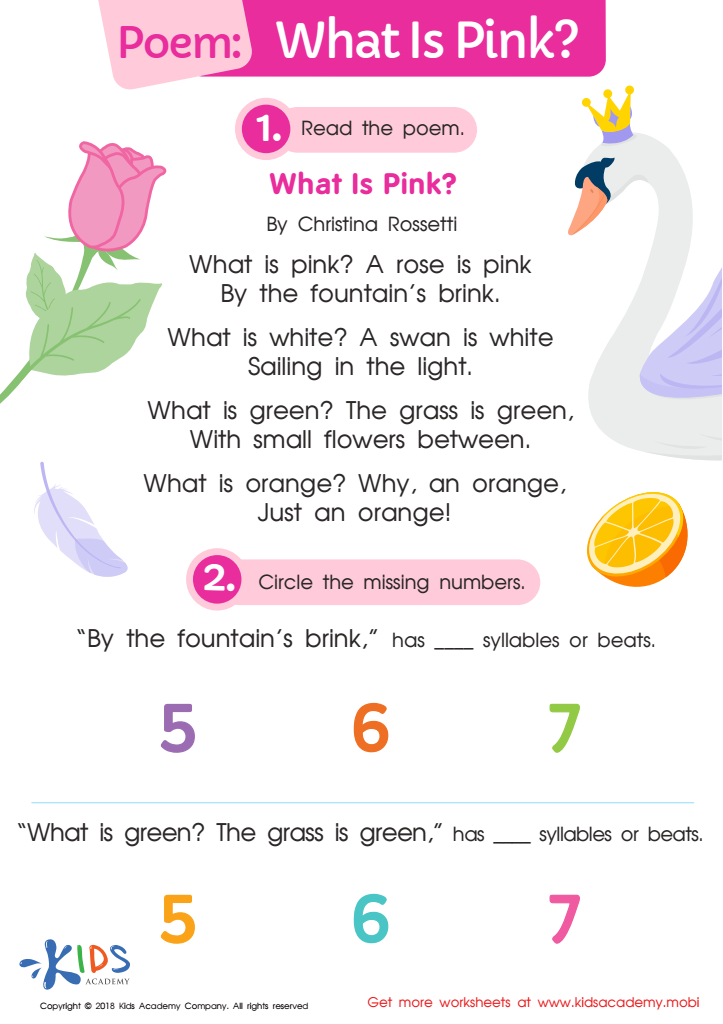
Poem: What Is Pink? Worksheet








Color Identification Phonics is crucial for children ages 4-8 as it lays the foundation for their literacy development. At this early stage, children's brains are particularly receptive to learning, making it an ideal time to introduce fundamental skills such as color recognition intertwined with phonics, which aids in letter and sound association.
Understanding colors is a vital aspect of early childhood education, enhancing visual perception and cognitive skills. When combined with phonics, children engage multiple senses, making the learning process more dynamic and enjoyable. This multifunctional approach to learning not only helps in letter identification and decoding words but also fosters creative thinking.
Moreover, activities that include both color identification and phonics encourage children's language development. As they describe colors and sounds, their vocabulary expands, paving the way for reading fluency.
Additionally, recognizing colors has practical benefits in real-life situations, improving children's ability to communicate and interact with their environment. Therefore, both parents and teachers should prioritize Color Identification Phonics, ensuring a well-rounded educational experience that nurtures future academic success and encourages a lifelong love for learning.







