Hand-eye Coordination Phonics Worksheets for Ages 4-8
5 filtered results
-
From - To
Enhance your child's learning experience with our Hand-eye Coordination Phonics Worksheets designed for children aged 4-8! These engaging worksheets blend phonics practice with fun motor skills activities that improve hand-eye coordination. Each worksheet features vibrant illustrations and interactive tasks that captivate young learners while building essential literacy skills. As children trace letters and match sounds with corresponding images, they develop their fine motor skills alongside their phonics knowledge. Perfect for homeschooling, classroom activities, or supplemental learning, our worksheets offer a hands-on approach that makes learning to read enjoyable. Explore a world of fun and education today to boost your child's confidence!
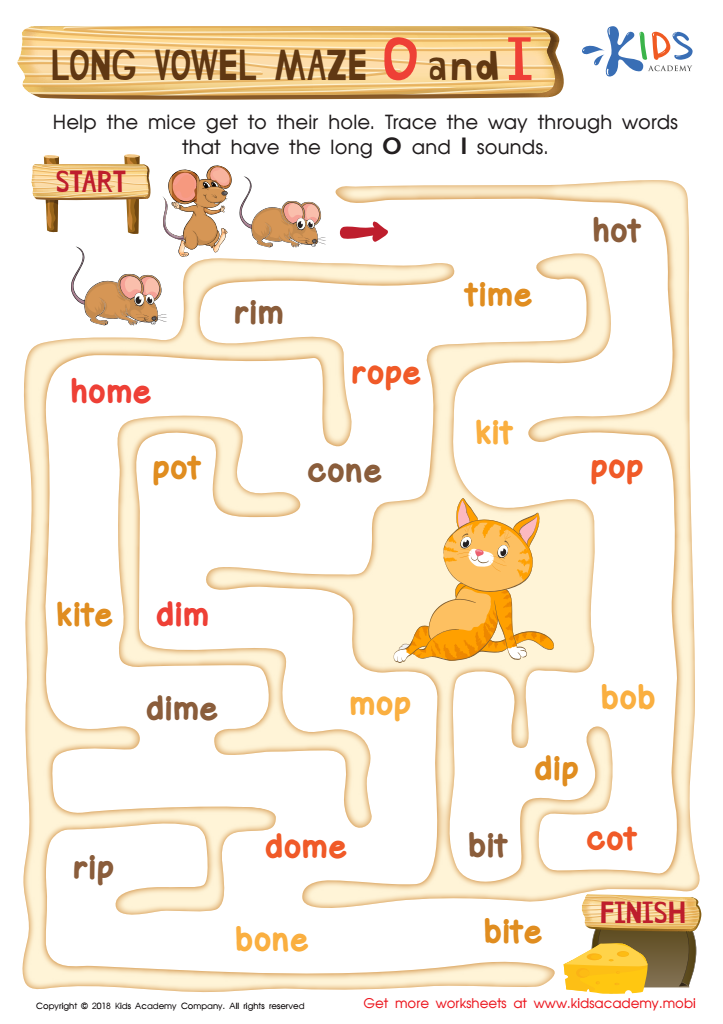
Long Vowel Maze /o/ and /i/ Worksheet
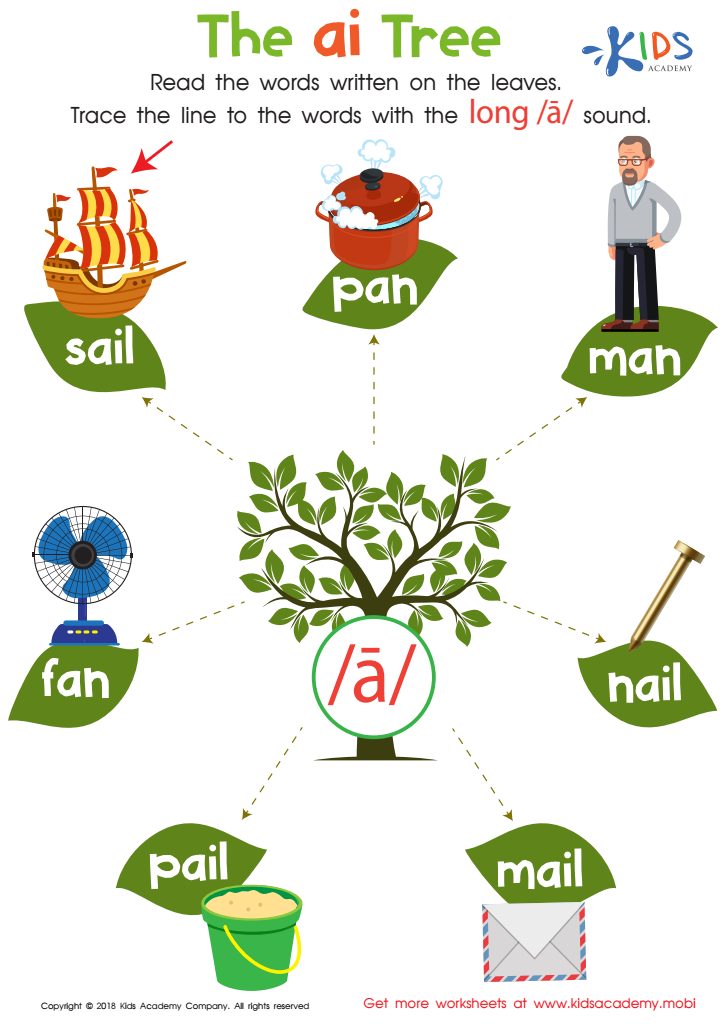
The AI Tree Worksheet

Long and Short U Worksheet
 Assign to My Students
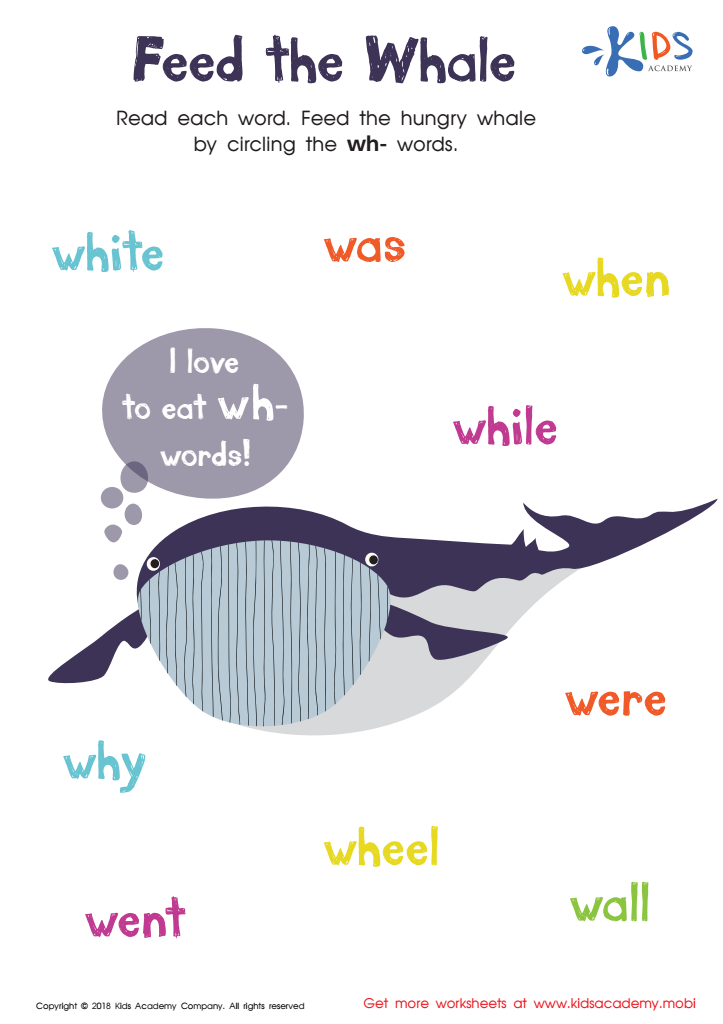
Feed the Whale Worksheet
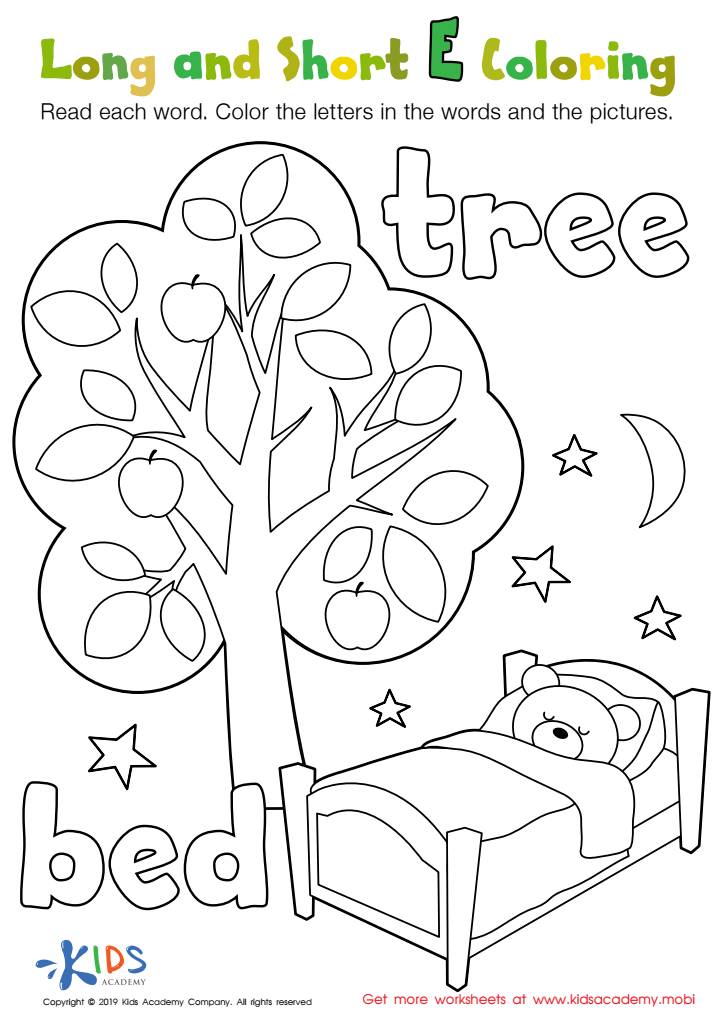
Long and Short E Worksheet
Assign to My Students








Hand-eye coordination phonics is an essential skill for children aged 4-8, as it bridges the gap between physical abilities and cognitive development. This stage of learning involves not only recognizing letters and sounds but also developing the fine motor skills required for reading and writing. Parents and teachers should care about this because foundation skills in hand-eye coordination enhance children's overall literacy and academic confidence.
As children learn phonics, they simultaneously practice eye-tracking and hand movements, crucial for reading fluency and handwriting. Improved hand-eye coordination allows for smoother transitions from letter recognition to writing, facilitating a deeper understanding of phonetic concepts and aiding memory retention.
Additionally, children often develop a greater interest in learning when they engage in activities that incorporate these skills. Interactive games and hands-on activities that reinforce hand-eye coordination create a fun and motivating environment for learning phonics, helping to instill a lifelong love for reading.
Fostering these skills early on not only promotes academic success but also supports social development and self-esteem as children find joy and satisfaction in their growing abilities. Therefore, active involvement from parents and teachers is vital to nurture and guide this critical aspect of a child's development.







