Phonics improvement Phonics Worksheets for Ages 4-8
5 filtered results
-
From - To
Boost your child's reading skills with our Phonics Improvement Phonics Worksheets for Ages 4-8! Perfect for young learners, these engaging and educational worksheets focus on enhancing phonetic understanding, helping kids recognize letters, sound out words, and develop strong foundational reading skills. Designed by experts, each worksheet features fun activities such as matching games, sound recognition exercises, and letter tracing. Whether at home or in the classroom, these worksheets are an excellent resource for supporting your child’s literacy journey and ensuring they become confident readers. Discover effective and enjoyable phonics practice tailored to early learners!
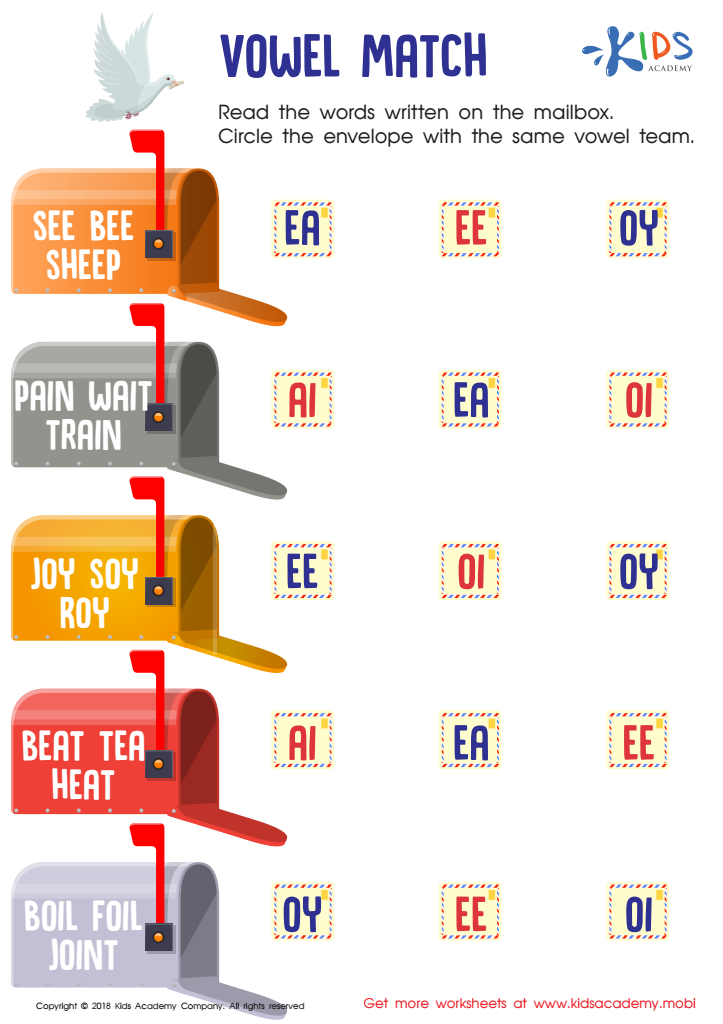
Vowel match Worksheet
 Assign to My Students
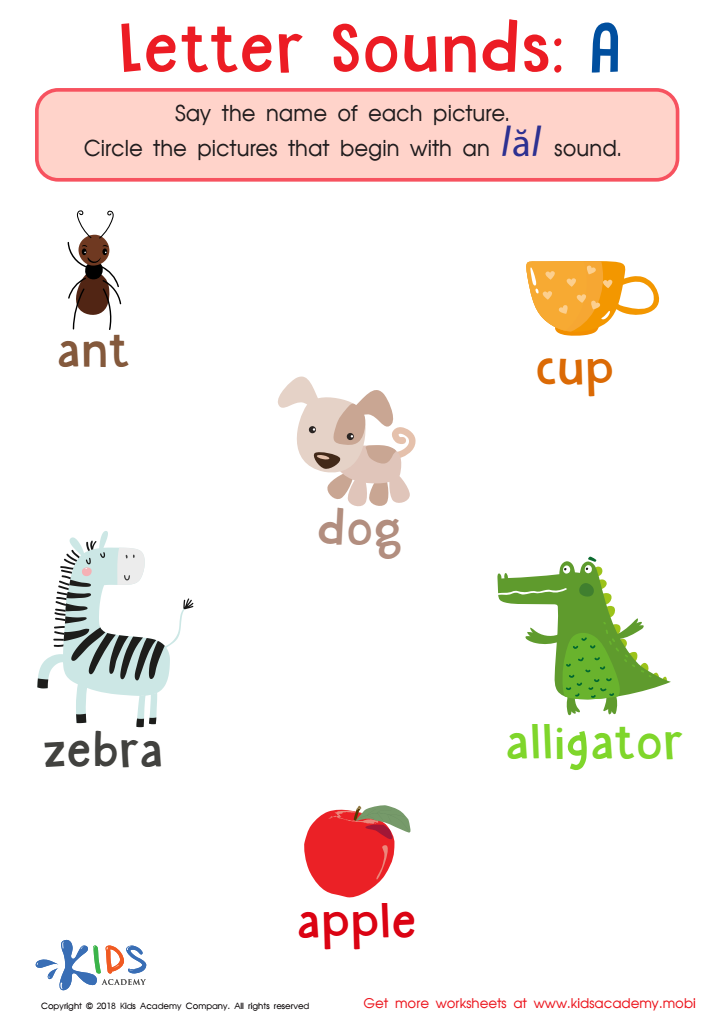
Letter A Sounds Worksheet
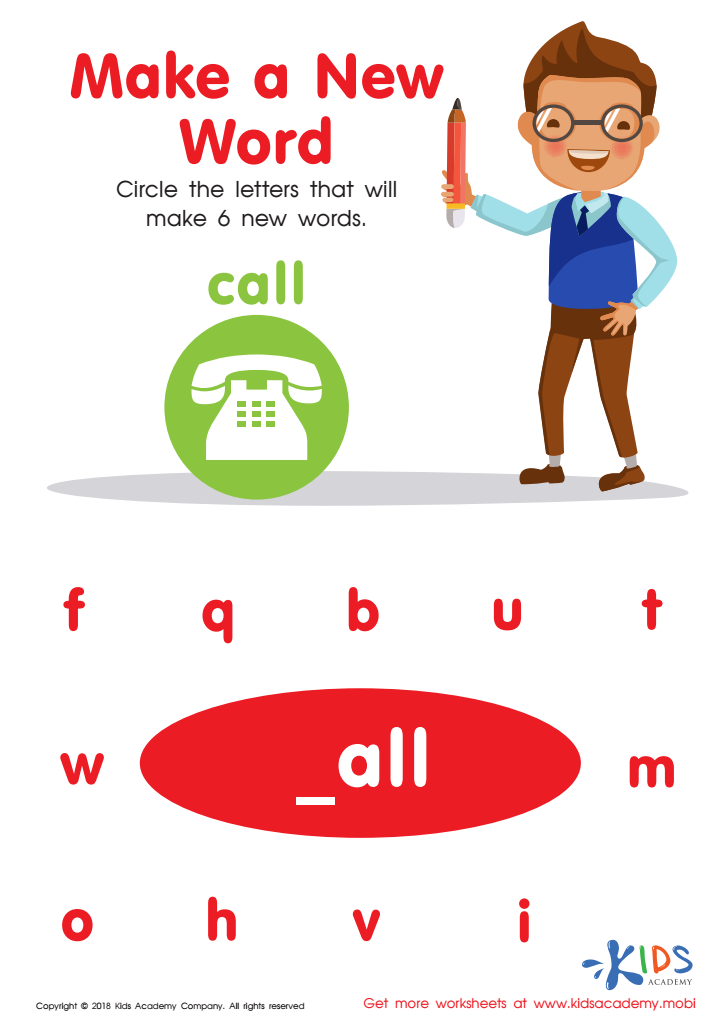
Make a New Word Worksheet
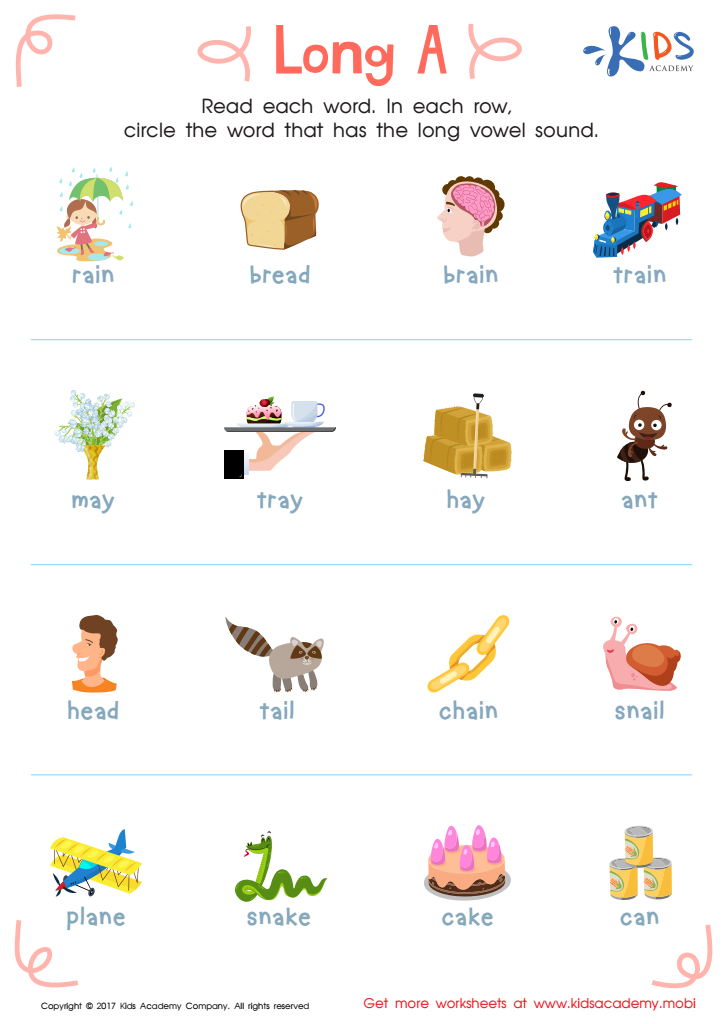
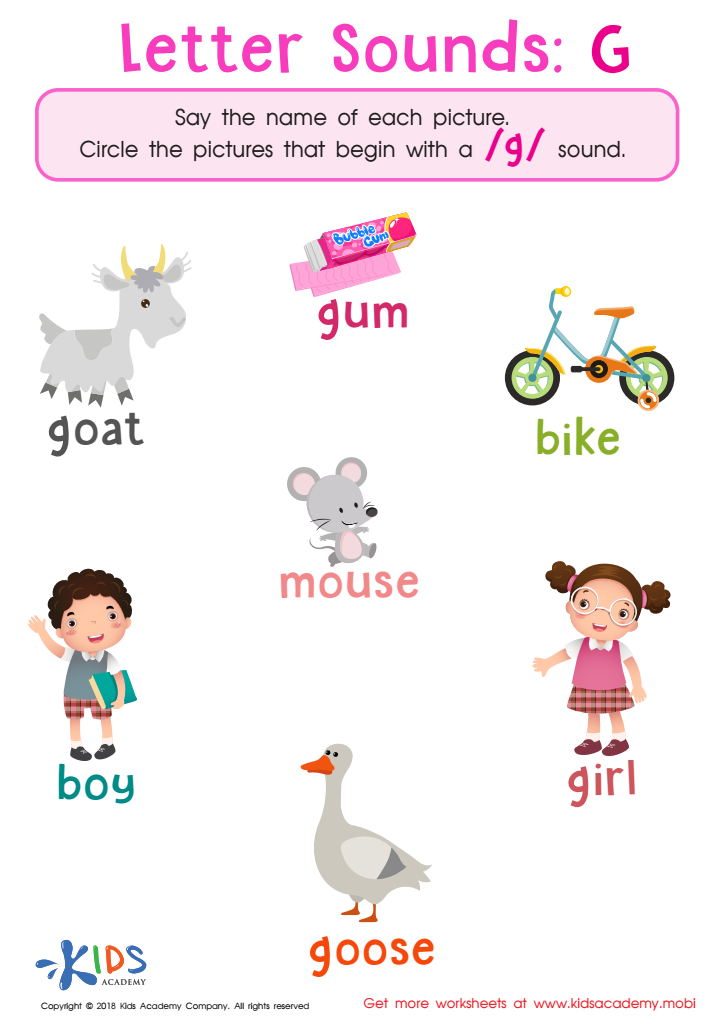
Letter G Sounds Worksheet








Phonics is the relationship between letters and sounds, forming the foundation of reading and writing skills for children aged 4-8. Parents and teachers should prioritize phonics improvement because it equips young learners to decode words effectively, fostering fluent reading. When children understand the sound-letter relationship, they can confidently approach unfamiliar words, enhancing their reading comprehension and overall literacy.
Investing in phonics sets the stage for academic success, as reading proficiency is crucial for learning across all subjects. Strong phonics skills provide children with the tools to decode new vocabulary and concepts they encounter in science, social studies, and math. Additionally, developing these skills early can prevent reading difficulties that could hinder academic progress and self-esteem.
Moreover, phonics instruction supports writing development. Children who can decode words can also encode them more effectively, leading to better spelling and writing capabilities. Through well-rounded literacy skills developed from strong phonics foundations, children can communicate their ideas clearly and confidently.
In summary, focusing on phonics improvement for ages 4-8 is essential as it builds the groundwork for literacy, supports academic achievement, and enhances communication skills. By emphasizing phonics, parents and teachers help children become proficient readers and confident learners, setting them up for long-term educational success.







