Alphabet Recognition Tracing Letters Worksheets for Ages 4-8 - Page 2
28 filtered results
-
From - To
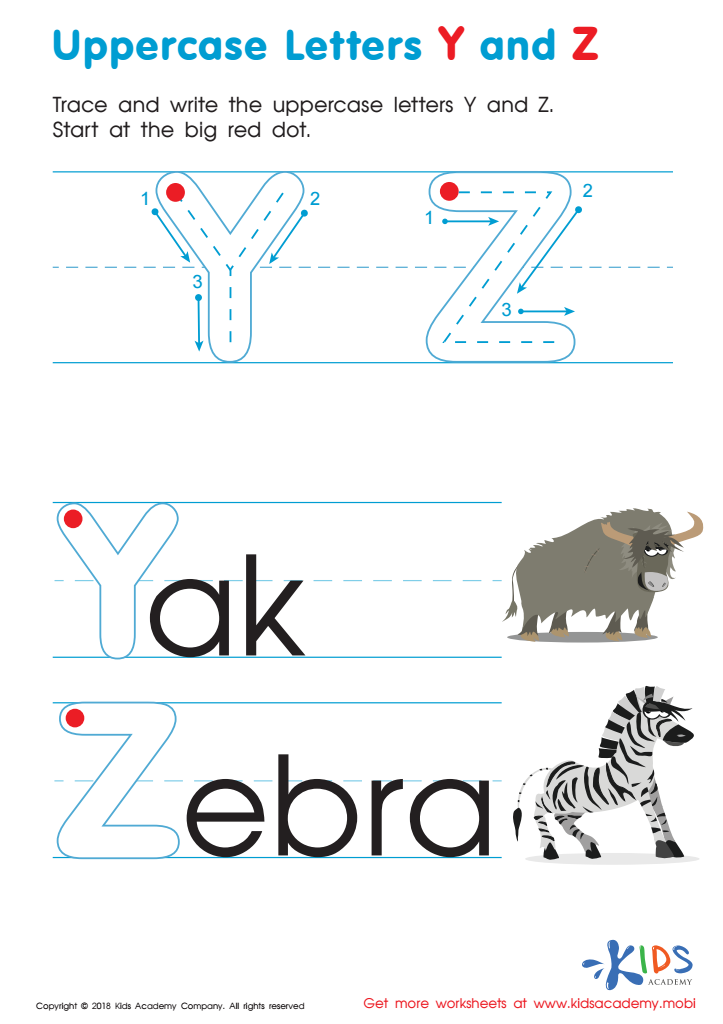
Uppercase Letters Y Z Worksheet
 Assign to My Students
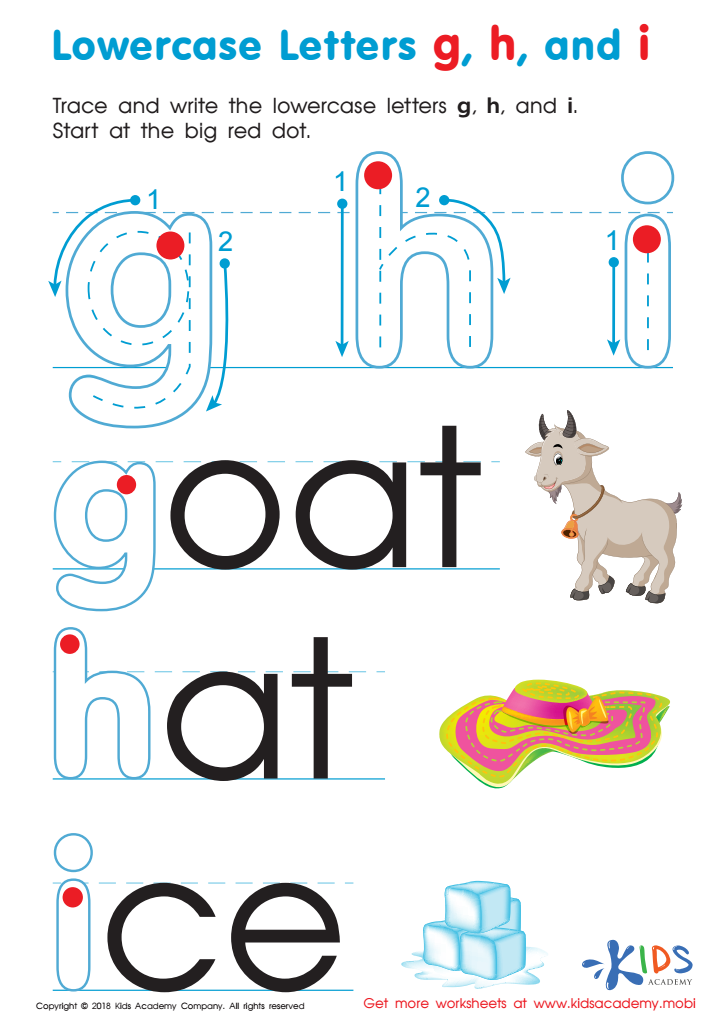
Lowercase Letters g h i Worksheet
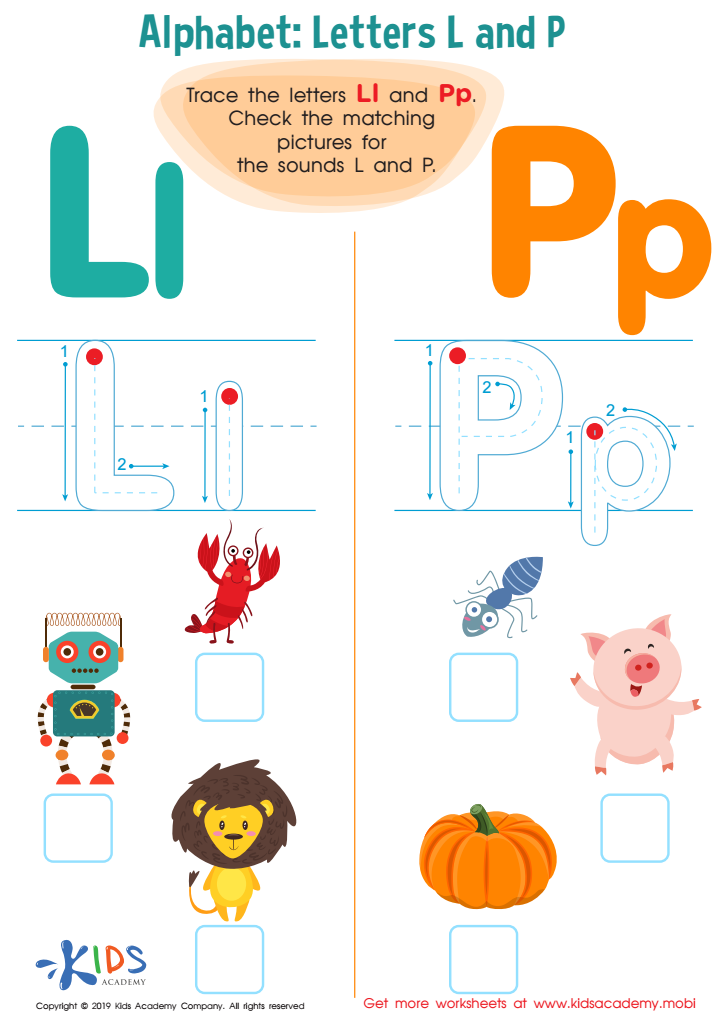
Letter L and P Tracing Worksheet
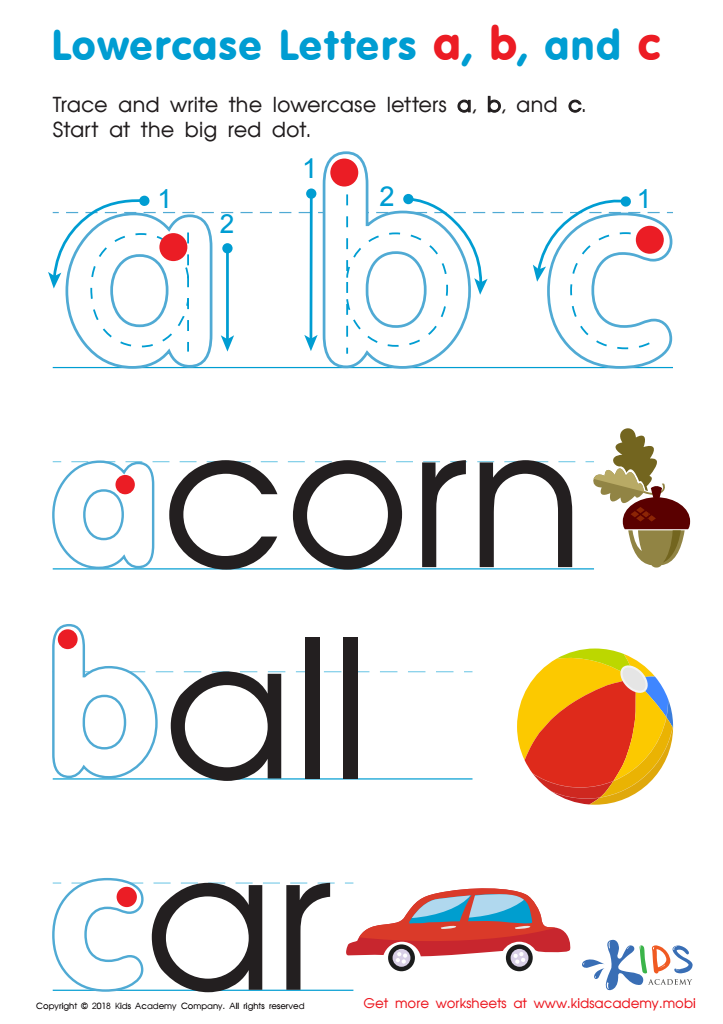
Lowercase Letters a b c Worksheet








Alphabet recognition and tracing letters are foundational skills crucial for early childhood development, particularly for children aged 4-8. At this formative stage, young learners are rapidly acquiring cognitive and motor skills that serve as the building blocks for future academic success. Parents and teachers should prioritize these activities because they lay the groundwork for literacy, which is essential for nearly all aspects of learning.
When children recognize and trace letters, they strengthen their understanding of the alphabet, developing the ability to identify and differentiate each letter visually and audibly. This familiarity is vital for phonemic awareness, which aids in reading fluency and comprehension later on. Tracing letters, specifically, improves fine motor skills and hand-eye coordination as children practice controlling movements required for writing.
Additionally, structured alphabet recognition and tracing activities foster a positive educational experience. By engaging in these practices, children build their confidence and develop a sense of accomplishment, nurturing a lifelong love of learning. Early mastery of these fundamental skills eases the transition to reading and writing independently, reducing frustration and potential learning delays.
Therefore, parents and teachers should invest time and effort into alphabet recognition and tracing exercises for children aged 4-8. This foundational focus helps ensure children are well-prepared for more complex literacy skills, setting them up for long-term success in their educational journey.








