Hand-eye Coordination Tracing Letters Worksheets for Ages 4-8
6 filtered results
-
From - To
Our "Hand-eye Coordination Tracing Letters Worksheets for Ages 4-8" are designed to enhance your child’s fine motor skills and early literacy. These engaging resources make learning fun, focusing on tracing letters to improve hand-eye coordination. Perfect for young learners aged 4-8, the worksheets provide an essential foundation for writing and cognitive development. With colorful, age-appropriate designs, children can practice and perfect their letter formation skills at their own pace. Boost your child's confidence and classroom readiness with our expertly crafted tracing worksheets, tailored to provide the support and practice every young learner needs.
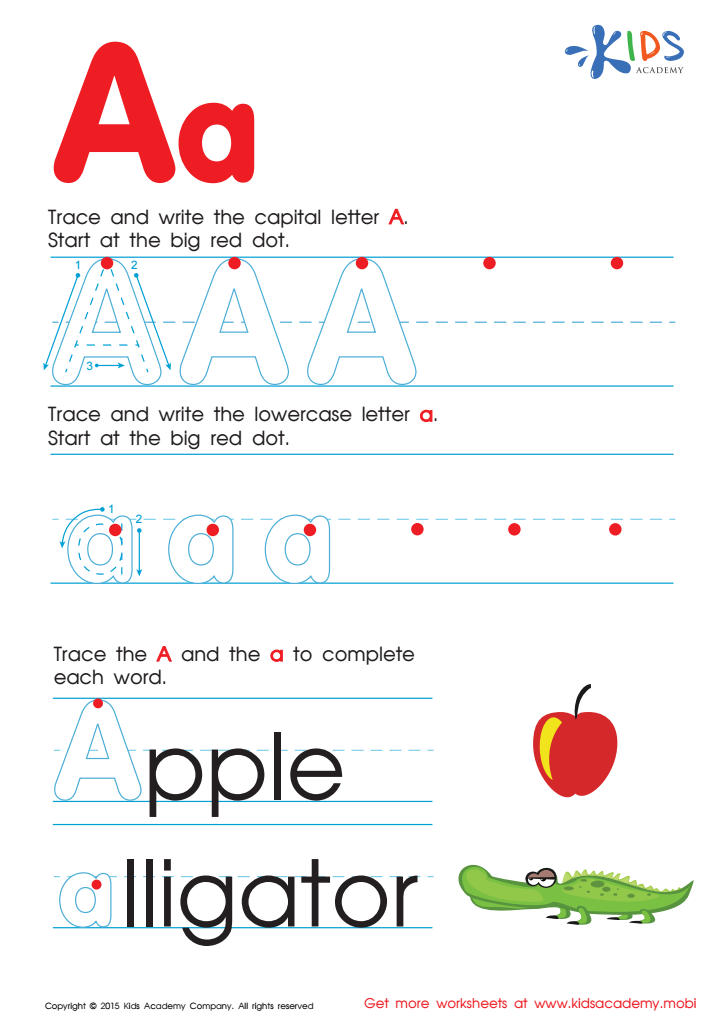
Letter A Tracing Page
 Assign to My Students
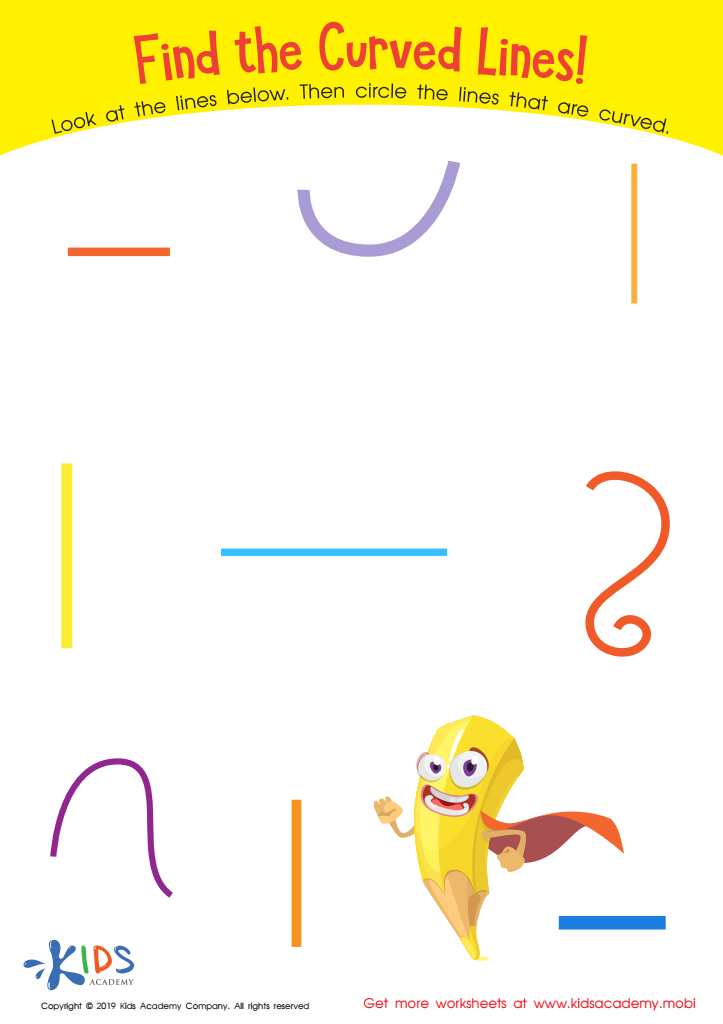
Find the Curved Lines! Worksheet
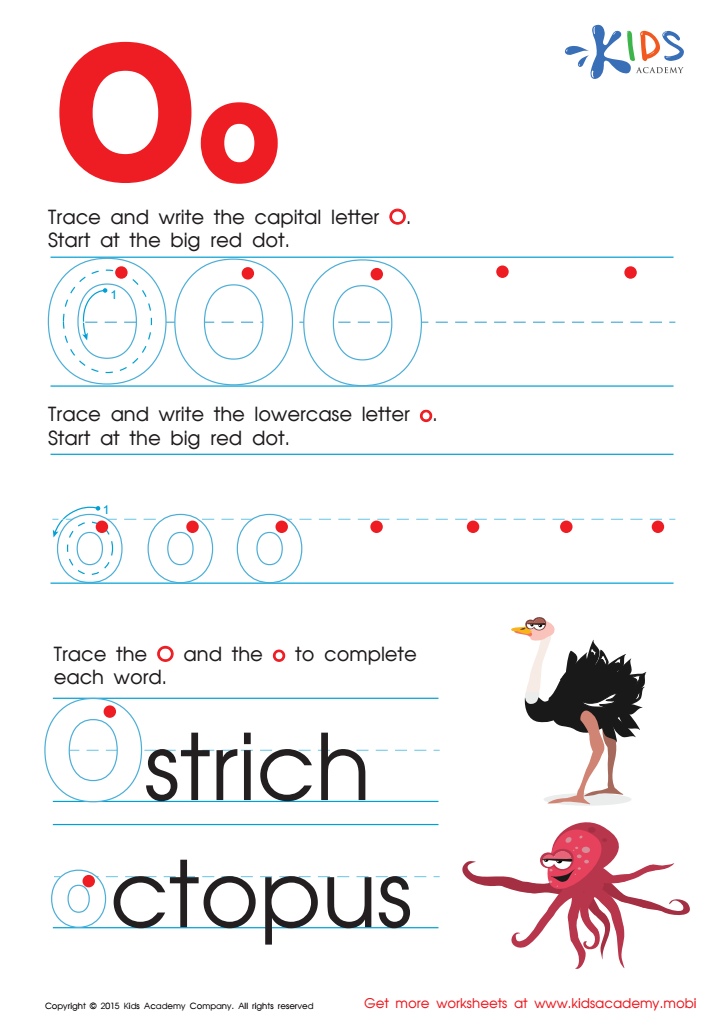
Letter O Tracing Page

Letter P Tracing Page

Letter H Tracing Page
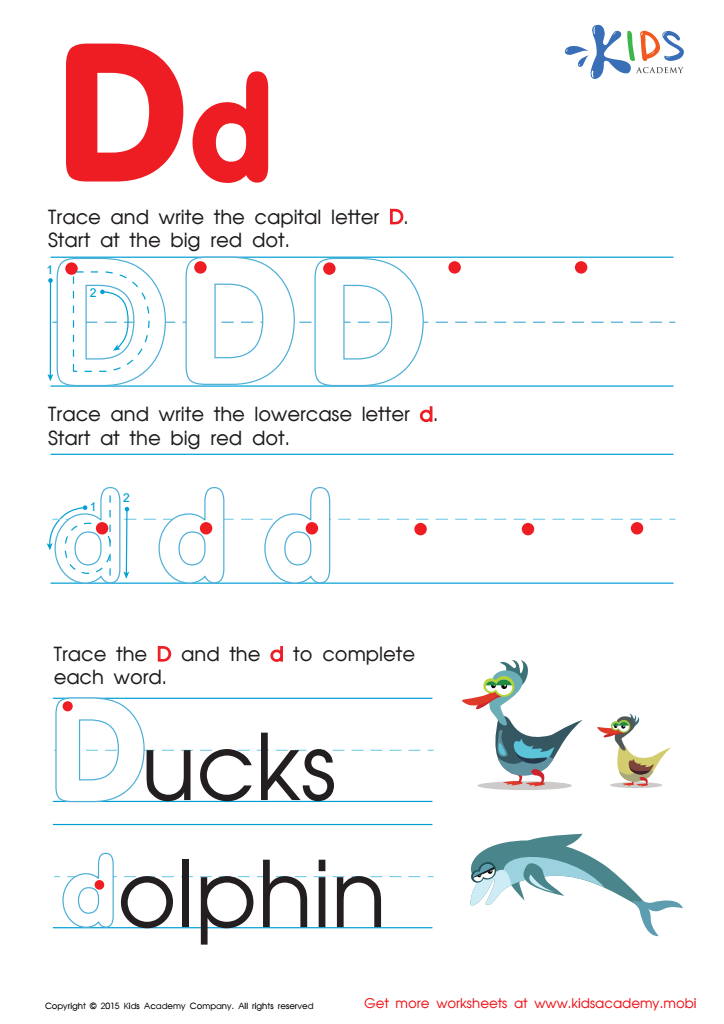
Letter D Tracing Page








Hand-eye coordination is a crucial developmental skill that forms the foundation for many daily activities and complex skills children will need throughout their lives. One effective way to enhance this skill in children ages 4-8 is through tracing letters. During this period, children are highly receptive to learning new skills, and integrating hand-eye coordination exercises can significantly benefit their overall growth.
Tracing letters is more than just a pre-writing activity; it intricately combines visual perception with fine motor control. When children trace letters, they must visually follow a pattern while simultaneously guiding their hand to reproduce the shape. This coordinated effort sharpens their neural connections, promoting better focus, attention, and cognitive processing.
For parents and teachers, prioritizing this activity can yield numerous benefits. It prepares children for the physical act of writing, making the future transition to independent writing smoother and less frustrating. Enhanced hand-eye coordination also supports other life skills, such as tying shoelaces, using utensils, and even playing sports. Furthermore, succeeding in tracing activities can boost a child's confidence and enthusiasm for learning, fostering a positive educational environment. Therefore, incorporating hand-eye coordination exercises through tracing letters is a vital, enriching practice that supports a child's holistic development.








