Problem-Solving Skills Upper & Lowercase Letters Worksheets for Ages 4-8
3 filtered results
-
From - To
Enhance your child's literacy and critical thinking with our Problem-Solving Skills Upper & Lowercase Letters Worksheets, designed specifically for ages 4-8. These engaging printable resources provide young learners with enjoyable activities that not only teach letter recognition and proper casing but also foster essential problem-solving abilities. Through fun puzzles, matching games, and interactive exercises, children will develop their analytical skills while reinforcing their understanding of the alphabet. Our worksheets are tailored to support early childhood education, making them an ideal tool for teachers and parents alike. Empower your child's learning journey today by exploring our innovative problem-solving activities!
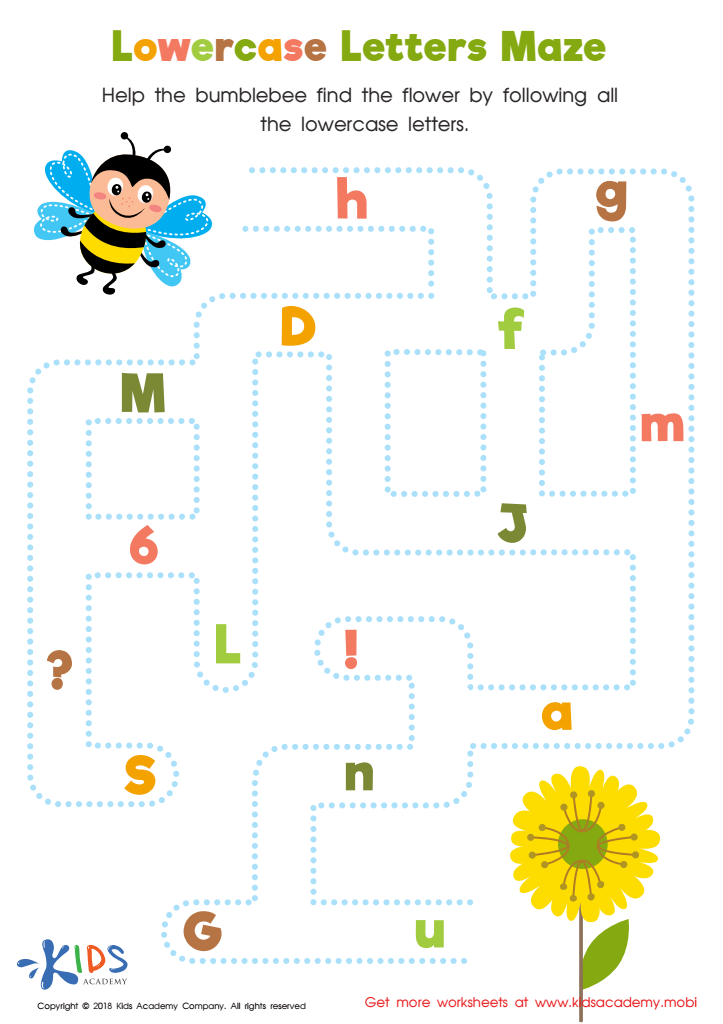
Lowercase Letters Maze Worksheet
 Assign to My Students

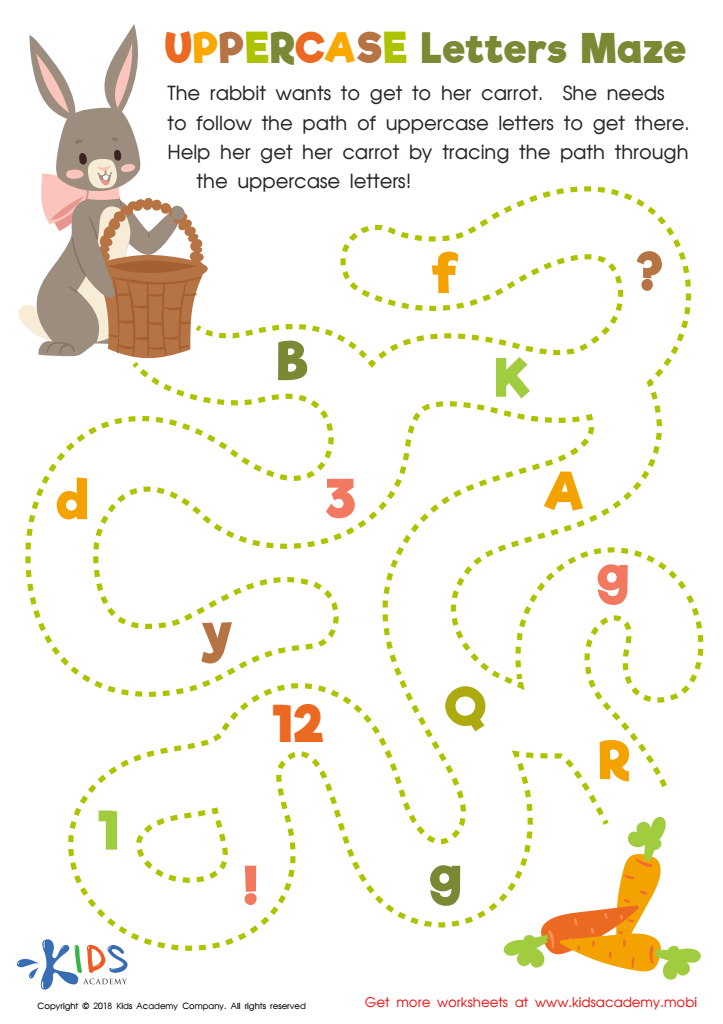
Uppercase Letters Maze Worksheet
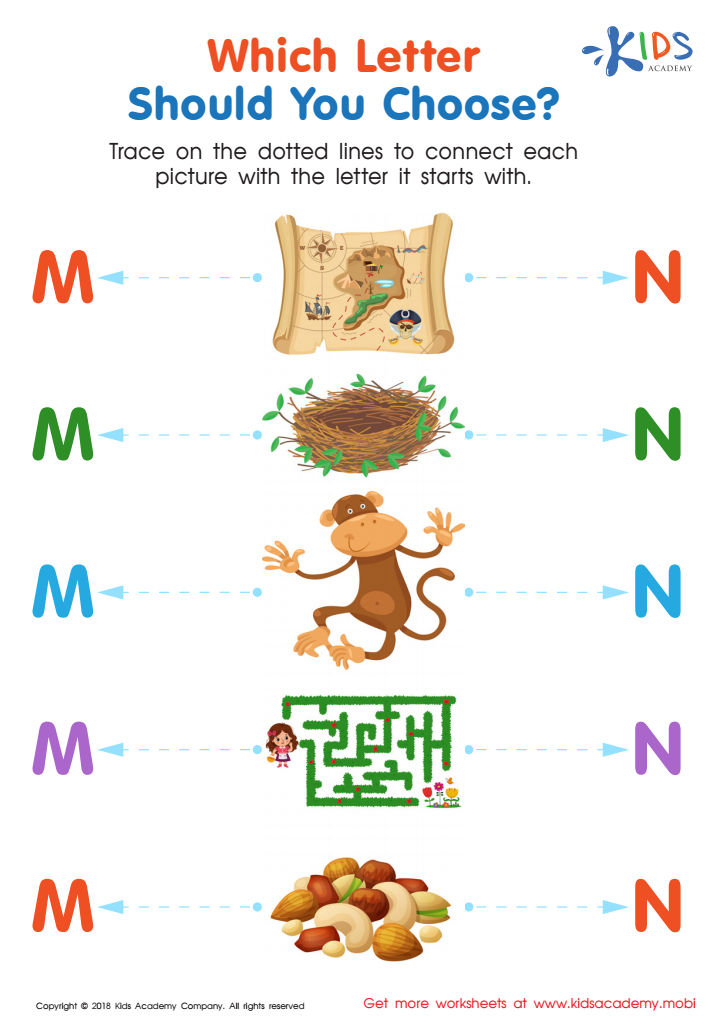
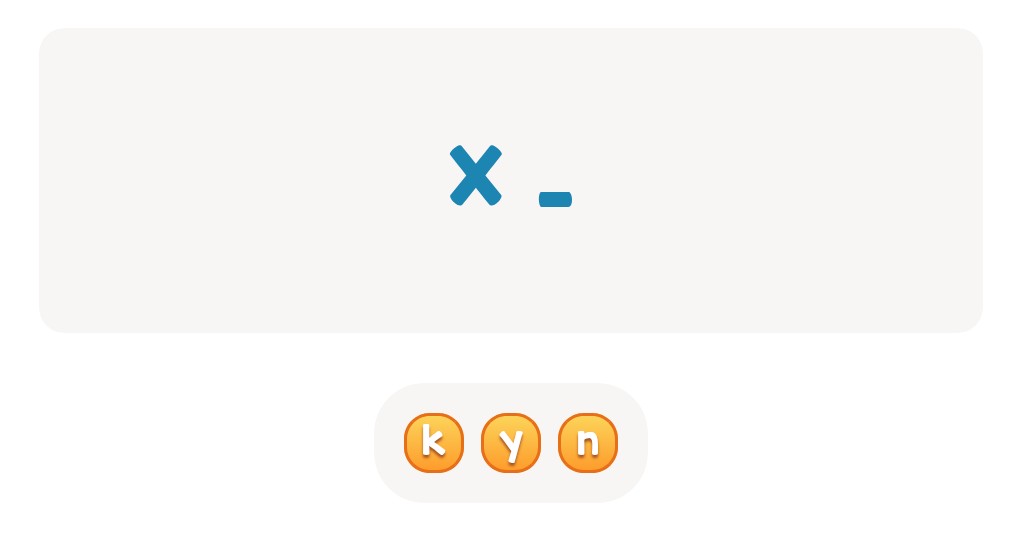
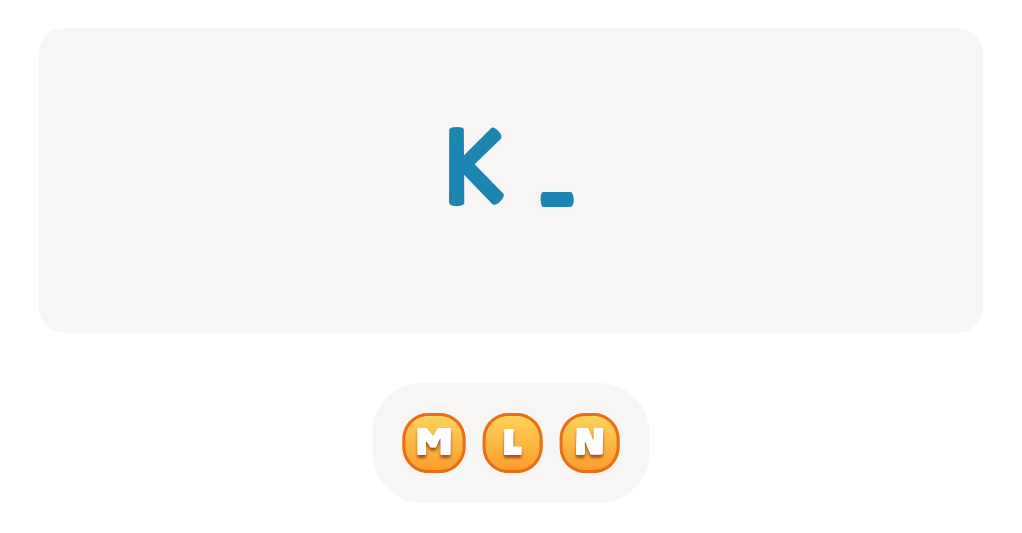
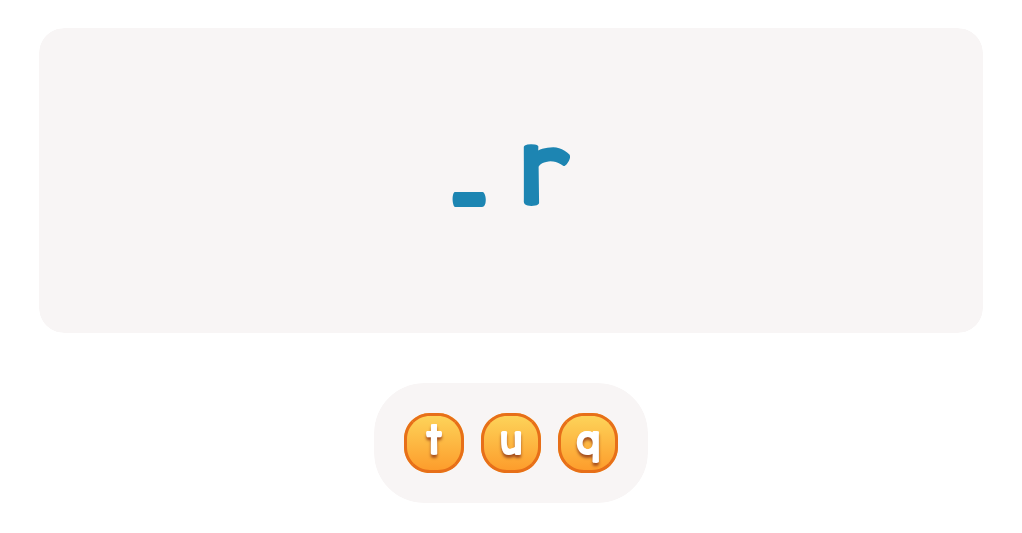
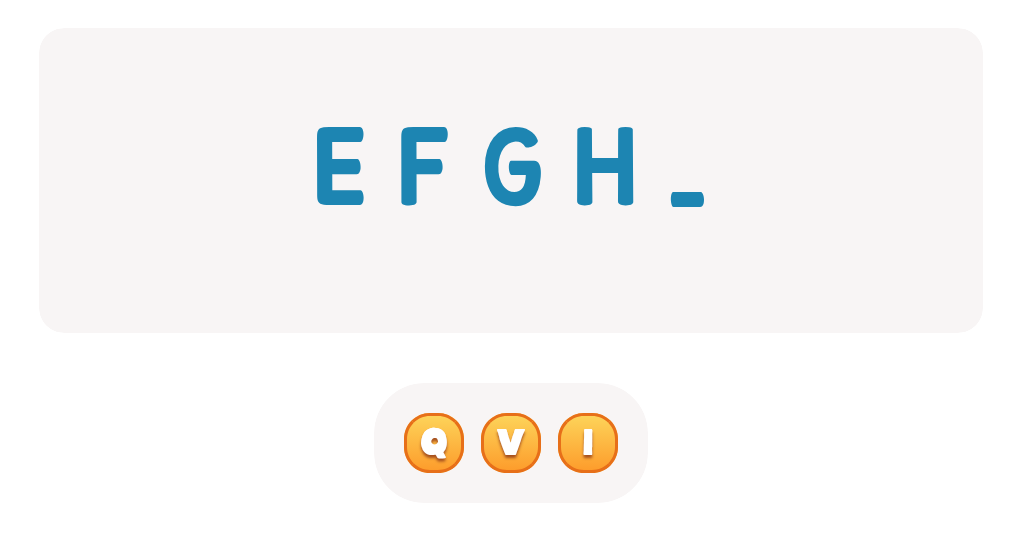
Which Letter Should you Choose? Worksheet






Problem-solving skills, particularly in the context of learning uppercase and lowercase letters, are crucial for children aged 4-8. First, these skills foster cognitive development, encouraging kids to think critically and independently as they navigate the complexities of the alphabet. As they recognize patterns, make connections between letters and sounds, and learn to form words, they enhance their literacy skills significantly.
Additionally, understanding uppercase and lowercase letters plays a vital role in effective communication. Being knowledgeable about letter forms enables children to read and write with confidence, which is foundational for academic success. Problem-solving activities around letter recognition, such as puzzles or games, make learning engaging and interactive, promoting a love for language.
Moreover, fostering these skills promotes social and emotional development. As children work collaboratively to decode words or find letters in playful challenges, they enhance teamwork, resilience, and patience, preparing them for future academic and life scenarios.
Ultimately, parents and teachers should prioritize problem-solving in letter recognition not just for literacy, but for nurturing well-rounded individuals capable of navigating future complexities. Instilling these skills early ensures a smoother transition into more advanced educational concepts, helping children build a solid foundation for lifelong learning.







