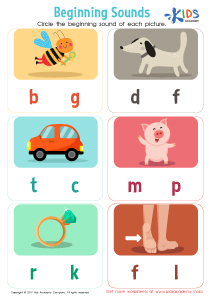
Cognitive Development Vowels Worksheets for Ages 4-8
3 filtered results
-
From - To
Enhance your child's cognitive development with our engaging Vowels Worksheets for ages 4-8. Designed by educational experts, these printable worksheets make learning vowels fun and effective. Each activity focuses on key cognitive skills such as memory, pattern recognition, and problem-solving. Perfectly suited for early learners, the exercises vary from letter identification to simple word formation, helping kids to build a solid foundation in literacy. Our worksheets are tailored to keep young minds stimulated and foster confidence in their reading abilities. Ideal for both classroom use and homeschooling, make vowel learning an exciting adventure today!
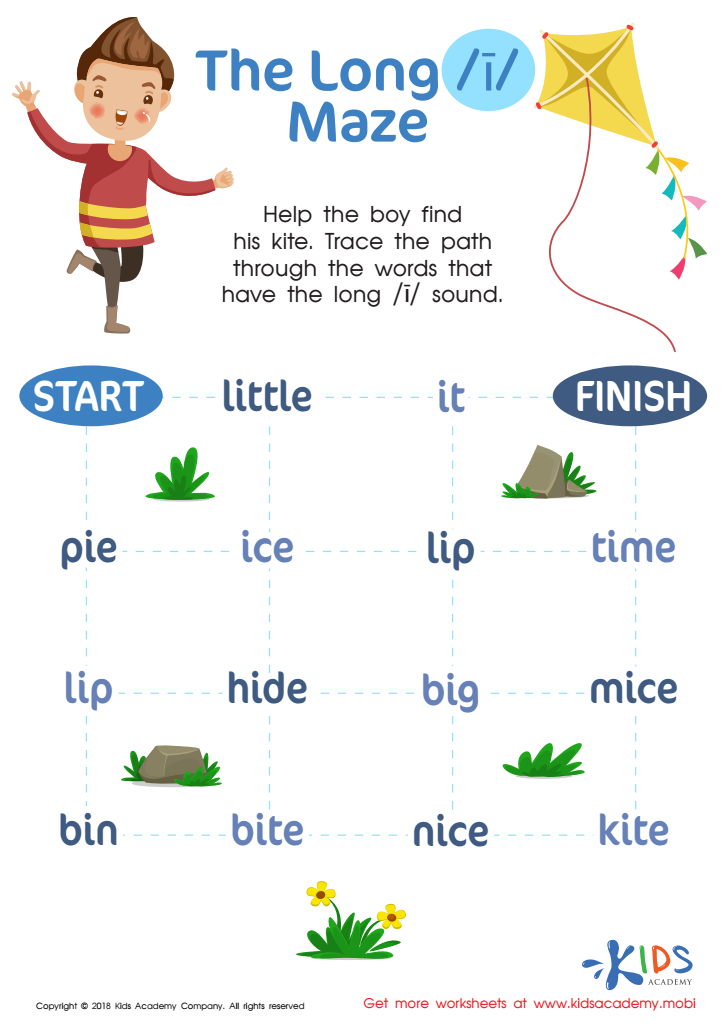
The Long I Maze Reading Worksheet
 Assign to My Students
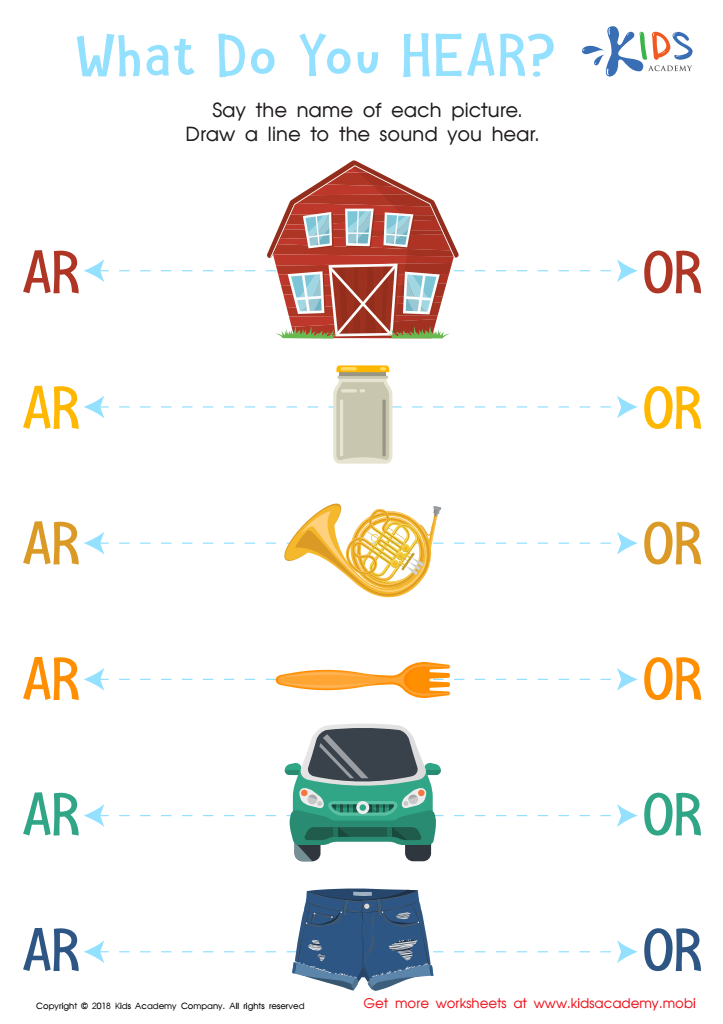
What do you hear Worksheet
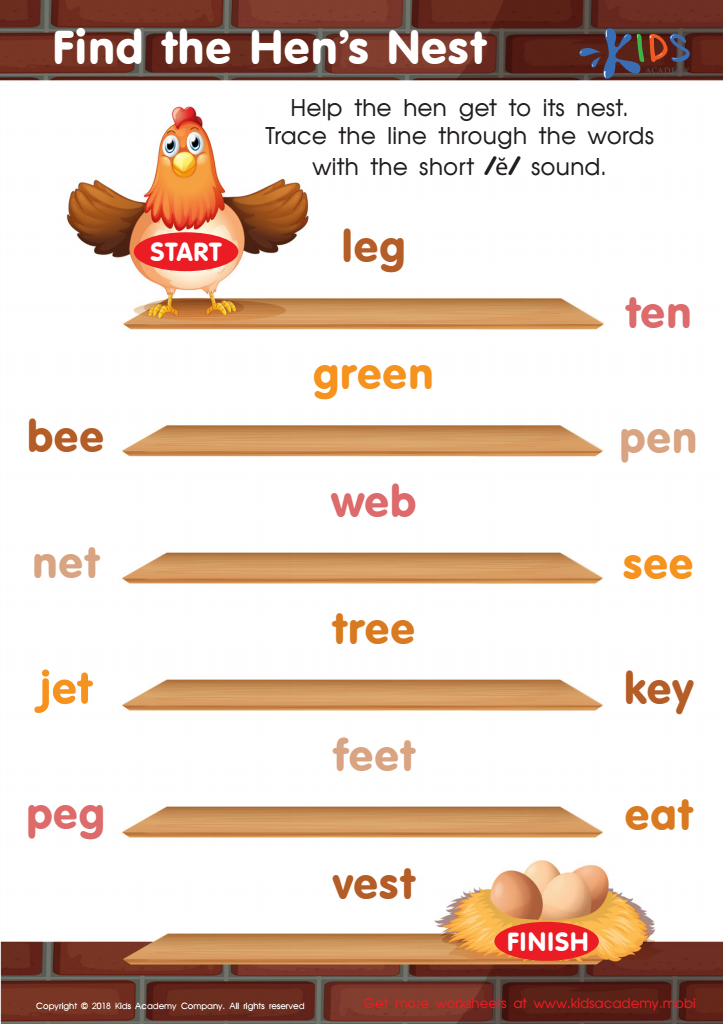
Find Hens Nest Reading Worksheet





Cognitive development in young children is a crucial aspect of their overall growth and learning. Focusing on cognitive development, particularly the learning of vowels, between ages 4 and 8 offers significant benefits. Vowels form the core sounds in language and are essential in decoding words, a fundamental skill in early reading. Mastery of vowel sounds boosts phonemic awareness, which is the ability to hear, identify, and manipulate sounds in words. This awareness is a strong predictor of future reading success.
For children within this age group, understanding vowels enhances their ability to build a rich vocabulary, improve pronunciation, and develop better listening skills. It aids in their ability to distinguish words and sounds, which is critical for effective communication. When parents and teachers pay attention to vowel learning, children can develop stronger word recognition and reading fluency, resulting in greater confidence and academic achievement.
Additionally, early mastery of vowel sounds contributes to the brain’s ability to process and interpret complex language patterns, fostering critical thinking and problem-solving skills. A solid foundation in vowel sounds not only supports immediate educational outcomes but also sets the stage for a lifelong love of reading and learning. Thus, prioritizing cognitive development in this area is essential for educators and parents alike.