International Chess Day Worksheets for Ages 4-8
6 filtered results
-
From - To
Celebrate International Chess Day with engaging worksheets designed for ages 4-8! Our fun and educational resources encourage creativity and critical thinking while introducing young learners to the fascinating world of chess. Featuring colorful coloring pages, puzzles, and basic chess concepts, these worksheets provide an enjoyable way for children to develop their problem-solving skills and enhance their concentration. Each activity fosters a love for chess, making it accessible and fun for young minds. Perfect for classroom use or at home, our International Chess Day worksheets inspire budding strategists to explore and enjoy this timeless game while honing essential skills. Download today!
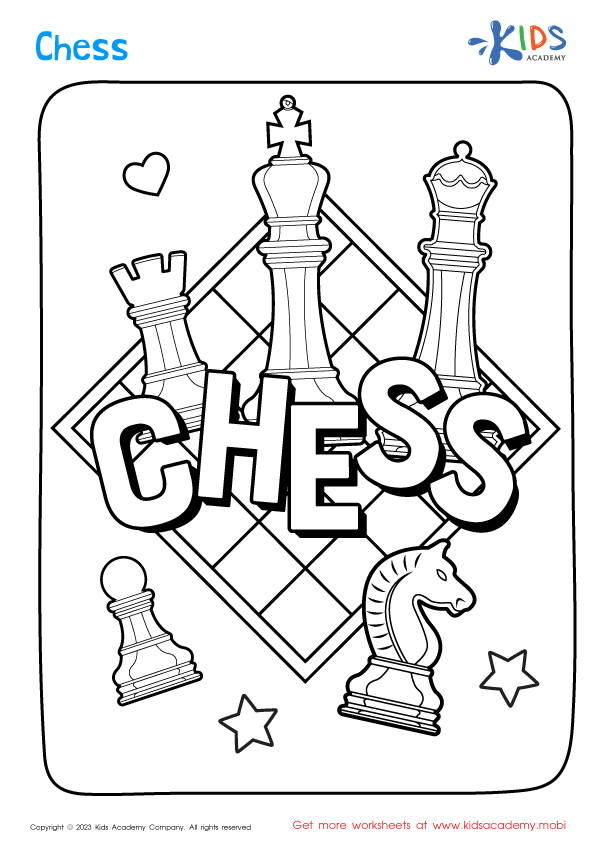
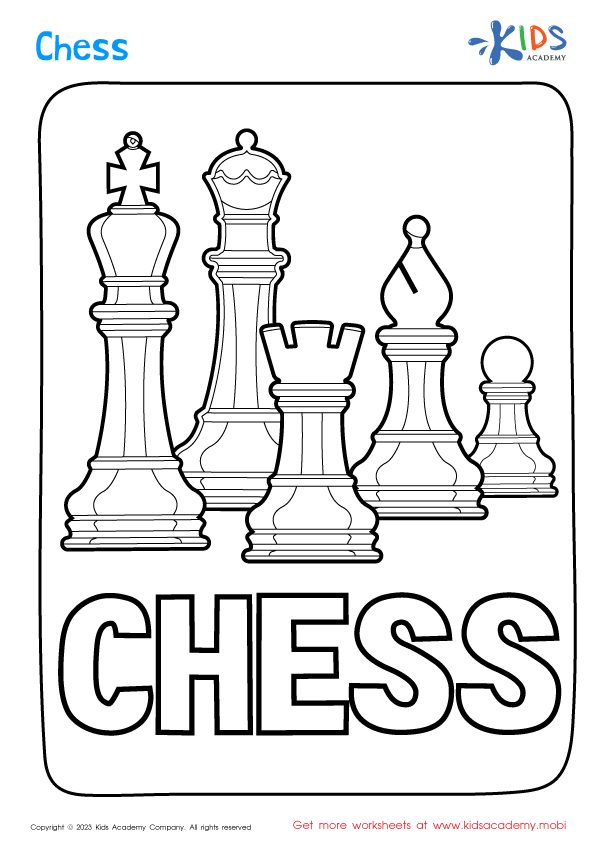
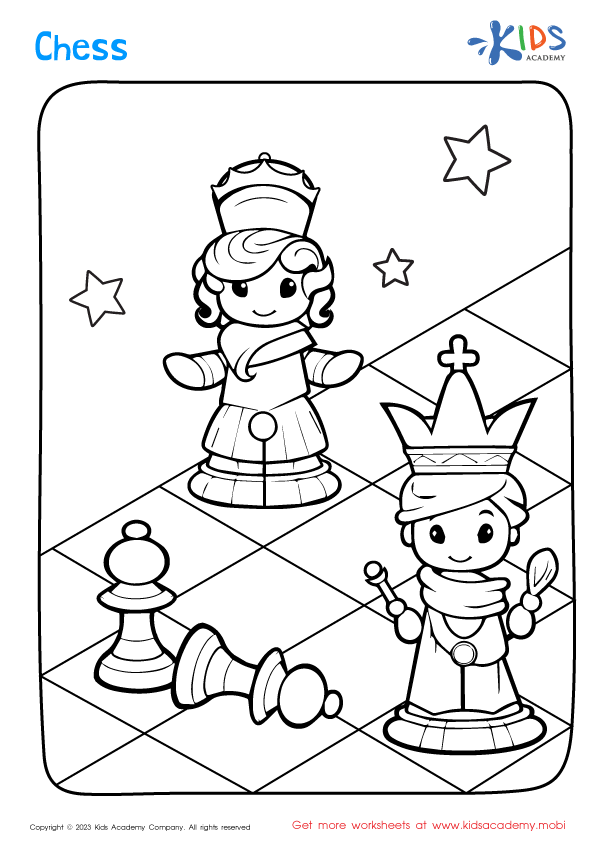
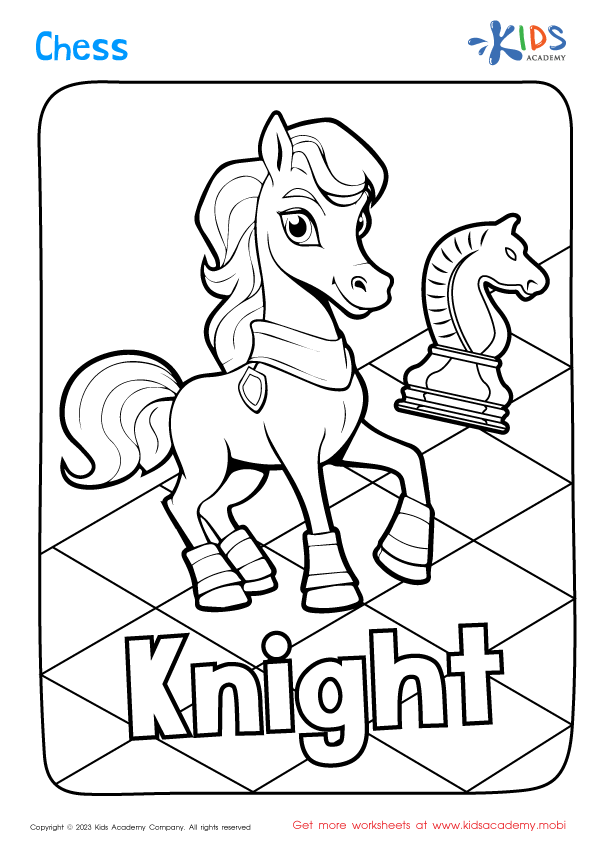
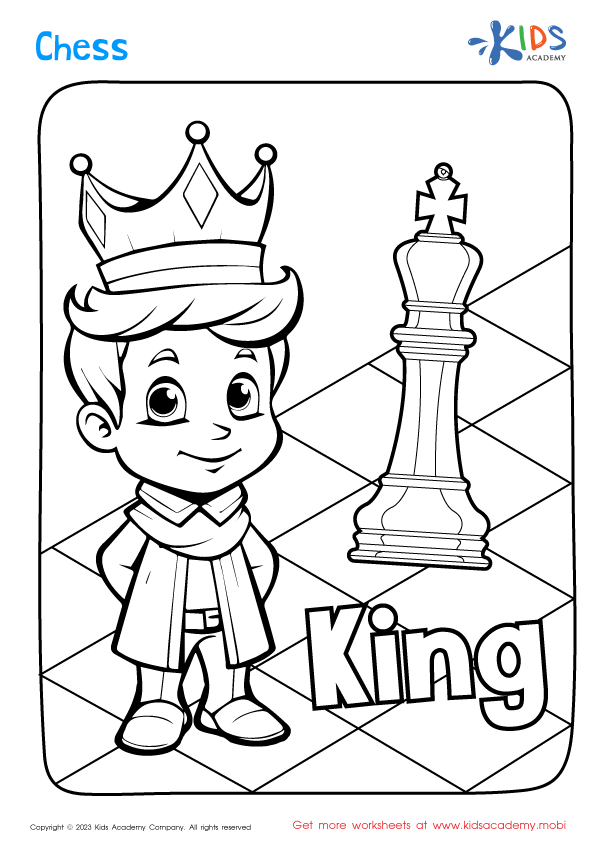
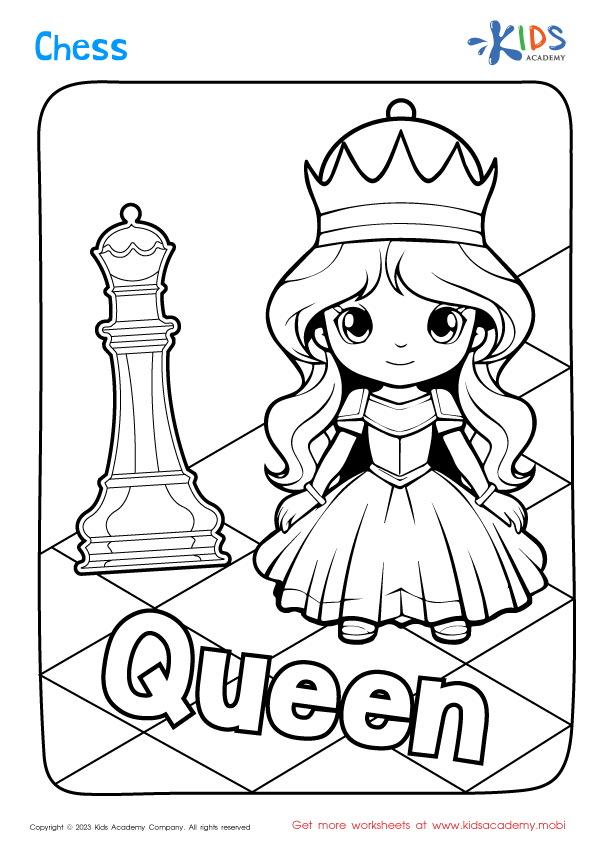


International Chess Day is an excellent opportunity for parents and teachers to engage children aged 4-8 in a meaningful way. Chess is not just a game; it fosters critical thinking, problem-solving, and strategic planning skills—all essential cognitive abilities for young learners. By introducing chess during these formative years, children can develop patience, concentration, and resilience as they learn to make decisions and cope with challenges.
Furthermore, chess encourages social interaction. It provides a platform for kids to connect with peers, enhancing their communication and teamwork skills. For parents, celebrating International Chess Day can be a fun, family-oriented activity that allows them to bond with their children while instilling valuable life skills.
Teachers can integrate chess into their curriculum, promoting a stimulating learning environment. It can serve as a fun break from traditional academic subjects, helping to create a well-rounded educational experience.
Moreover, participating in events related to International Chess Day could spark a lifelong interest in the game, leading to future academic and social opportunities. In essence, valuing International Chess Day is a way to advocate for the holistic development of children, equipping them with essential skills that extend far beyond the chessboard.