Letter Tracing English for Beginners Worksheets for Ages 4-8
6 filtered results
-
From - To
Enhance your child’s English proficiency with our "Letter Tracing English for Beginners" worksheets tailored for ages 4-8. Our expertly designed, printable worksheets offer an engaging, step-by-step approach that simplifies letter recognition and handwriting skills. Each worksheet combines clear instructions with enjoyable activities, suitable for young beginners learning English as a second language. Whether for home or classroom use, these worksheets build confidence, ensuring every child masters the basics of letter formation. Start paving the way for your little learner’s successful language development with our fun and educational letter tracing resources today!
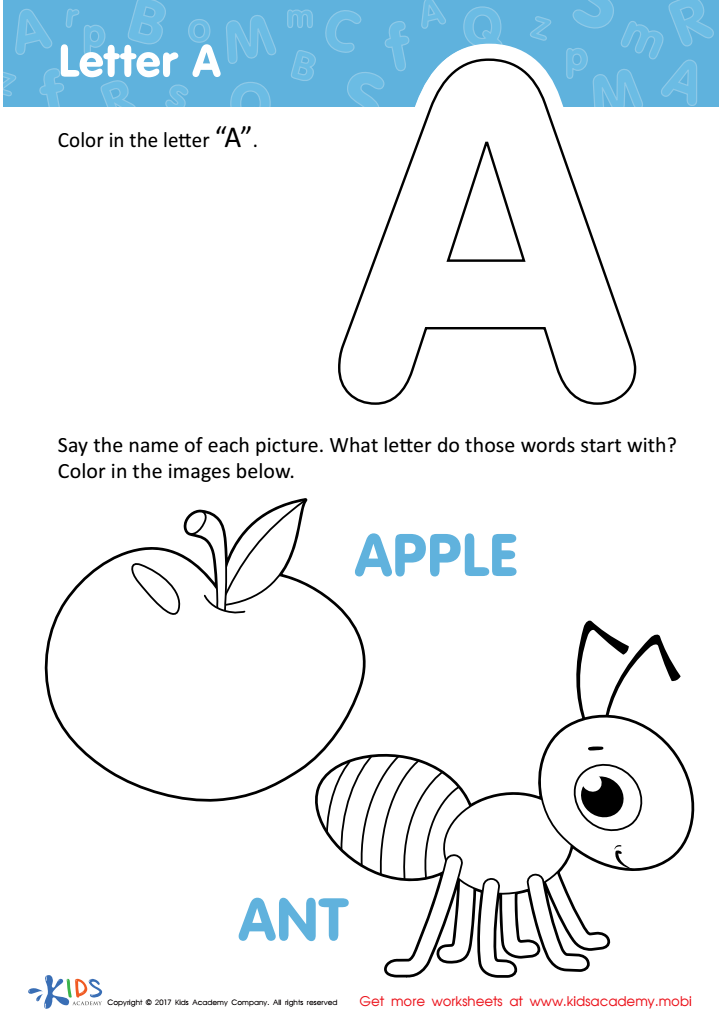
Letter A Coloring Sheet
 Assign to My Students
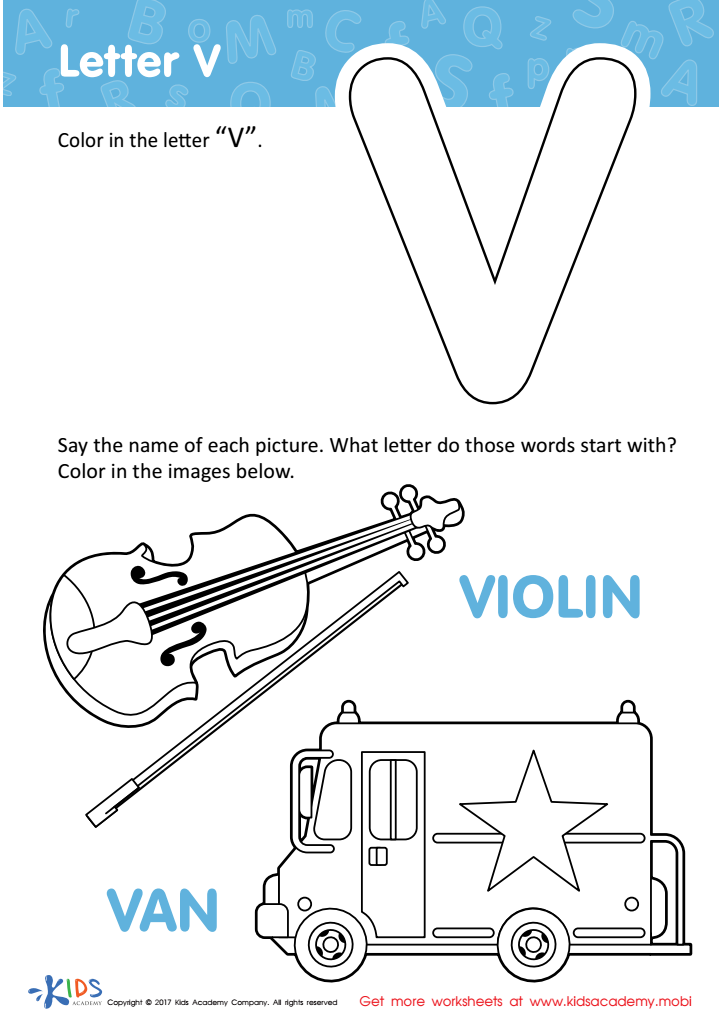
Letter V Coloring Sheet
Assign to My Students
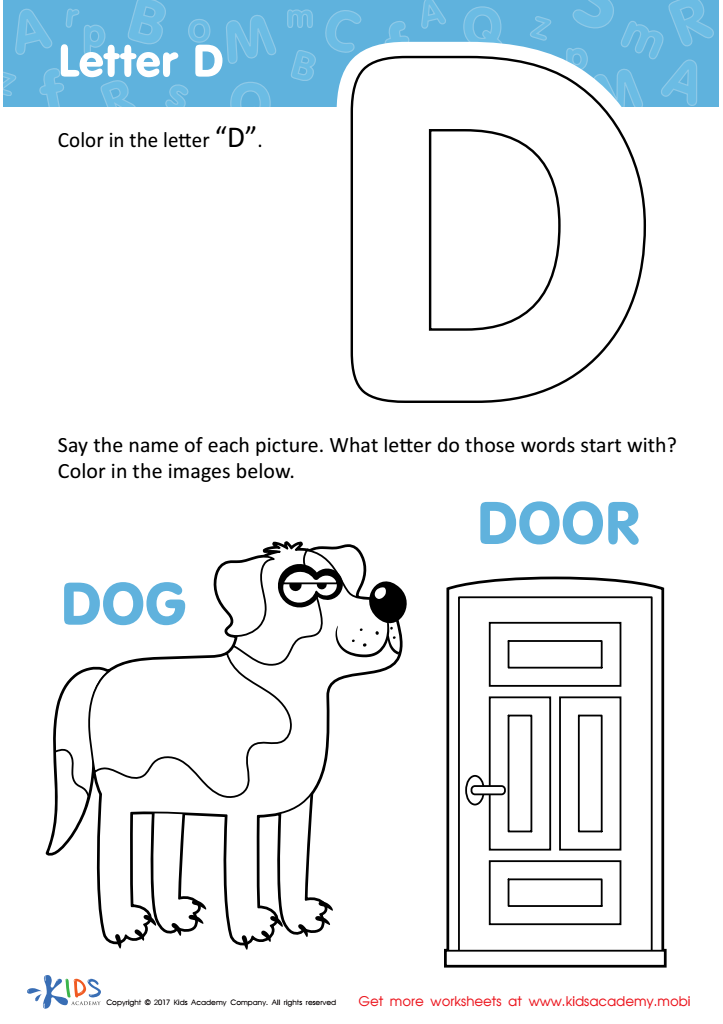
Letter D Coloring Sheet
Assign to My Students

Letter O Coloring Sheet
Assign to My Students
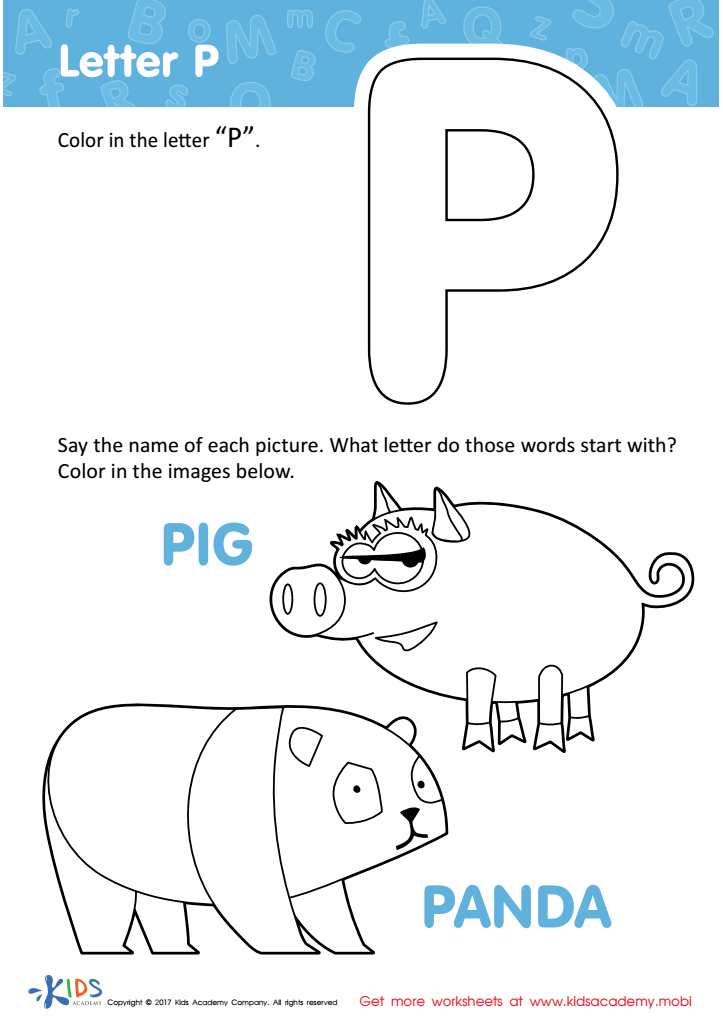
Letter P Coloring Sheet
Assign to My Students
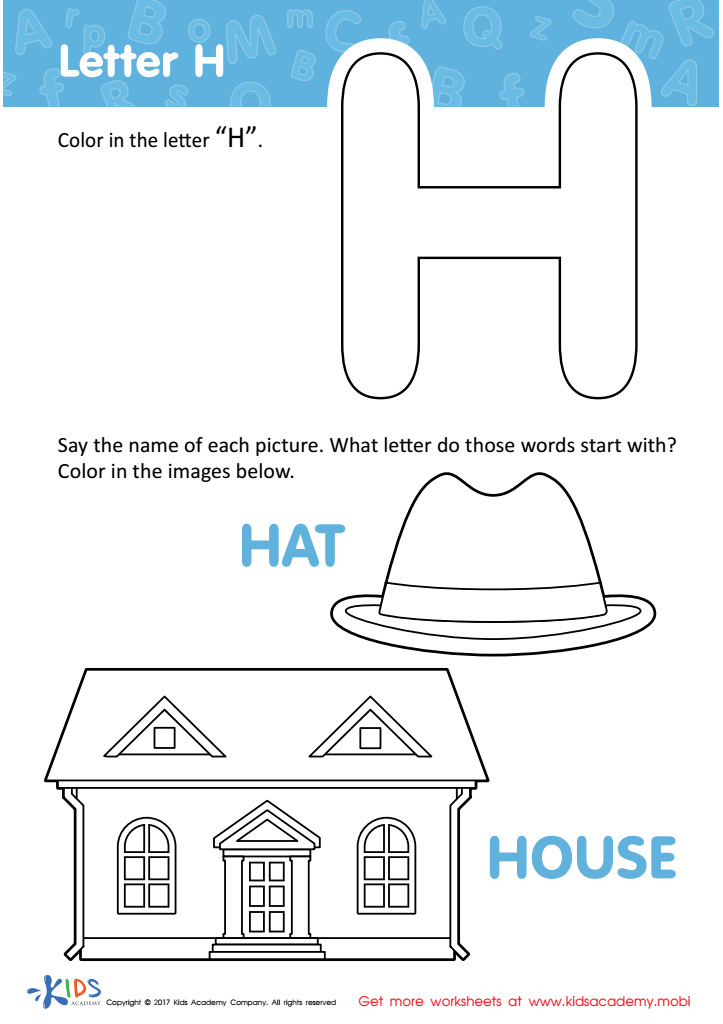
Letter H Coloring Sheet
Assign to My Students





Parents and teachers should value Letter Tracing English for Beginners for ages 4-8 because it forms the foundation for essential literacy skills. This critical activity helps young children develop fine motor skills needed for writing by guiding them in the precise movements necessary to form each letter. When children trace letters, they build muscle memory in their hands, fingers, and wrists, which is vital for the fluid and legible handwriting required as they progress academically.
Moreover, letter tracing enhances letter recognition and phonetic awareness, fundamental aspects of reading readiness. Through repeated practice, children become familiar with the shapes and sounds of each letter, making the transition to word formation more intuitive. This process boosts both their confidence and motivation to learn, effectively preparing them for more complex literacy tasks such as reading and writing sentences.
In addition, engaging in letter tracing can be a playful, stress-free way for children to interact with letters, often incorporating fun elements like colors and creative shapes that hold their interest. Overall, investing time in letter tracing lays a robust groundwork for future learning, ensuring that children have the skills, confidence, and enthusiasm needed to succeed in their educational journey.