Writing practice English for Beginners Worksheets for Ages 4-8
13 filtered results
-
From - To
Unlock your child's potential with our "Writing Practice English for Beginners Worksheets for Ages 4-8." Our expertly designed resources foster essential writing skills in young learners. Each engaging worksheet offers a variety of fun-filled activities that motivate children to practice letter recognition, sentence formation, and handwriting basics. Perfect for ESL students and native speakers alike, these worksheets boost confidence and improve literacy in an enjoyable way. Developed by educational experts, they're a fantastic supplement to any curriculum. Get ready to watch your child's writing skills flourish effortlessly. Explore our collection on Kids Academy today!
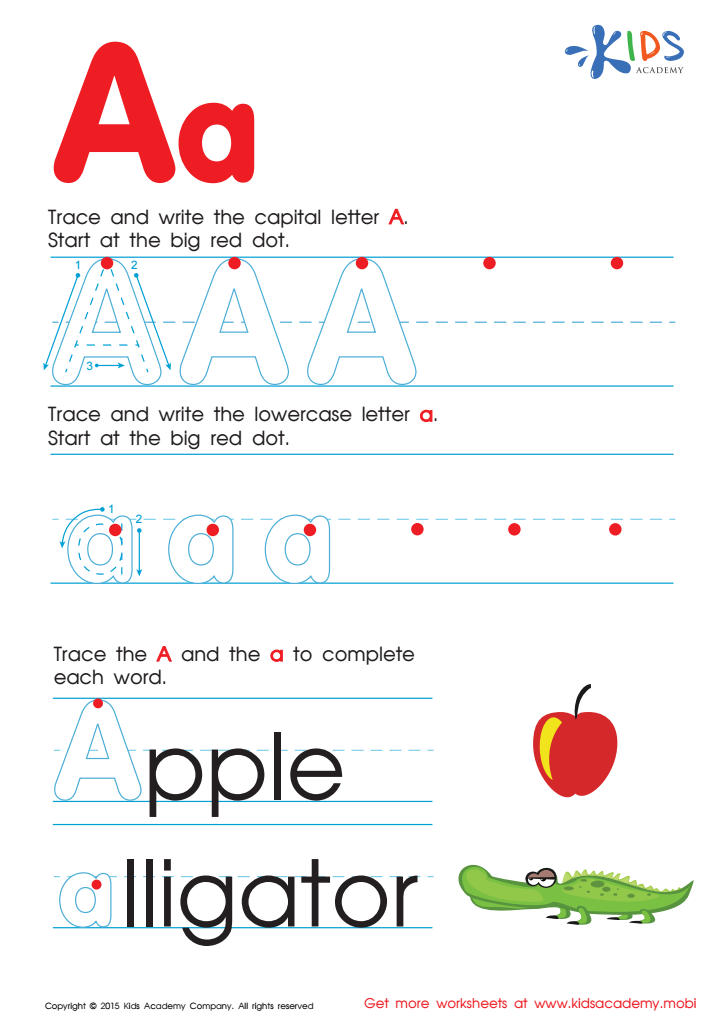
Letter A Tracing Page
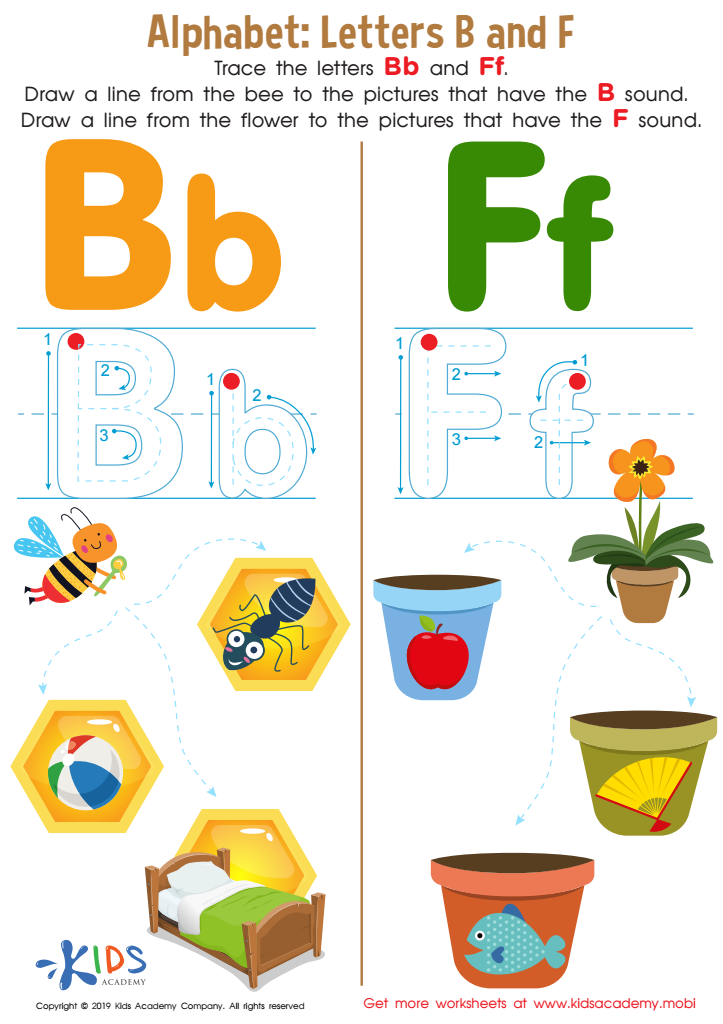
Letters B and F Tracing Worksheet
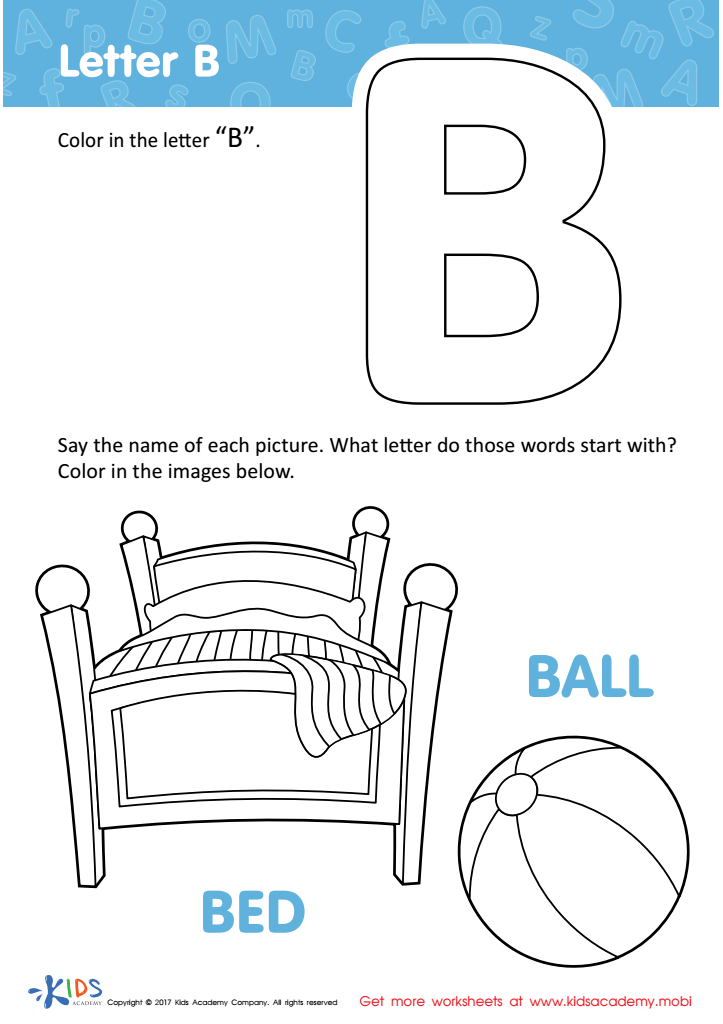
Letter B Coloring Sheet
 Assign to My Students
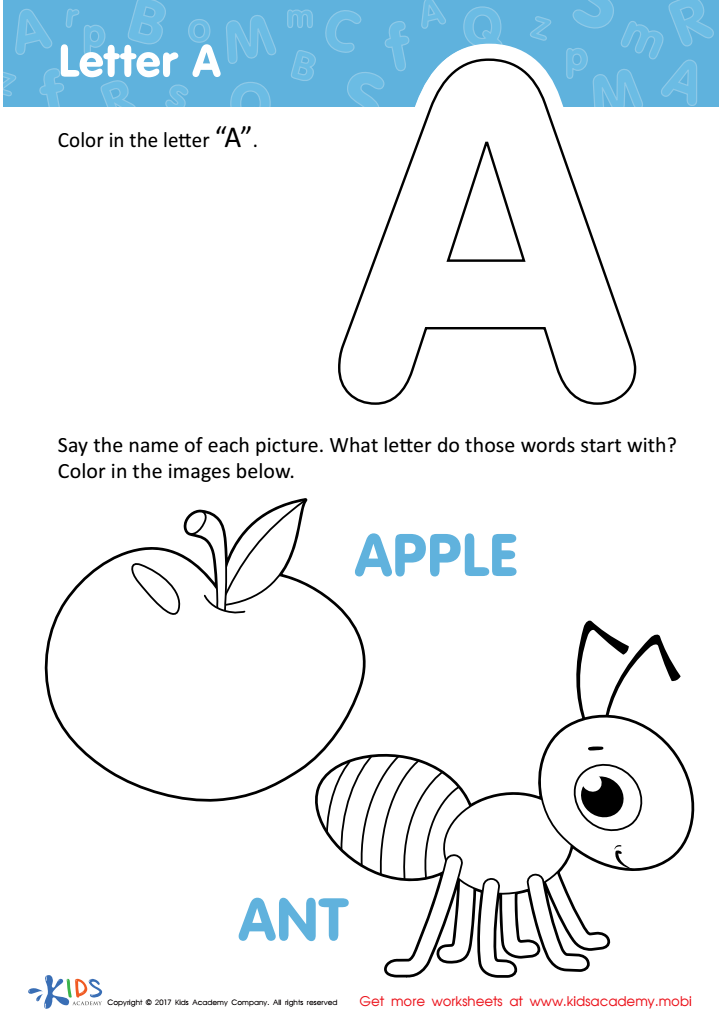
Letter A Coloring Sheet
Assign to My Students

Letter H Tracing Page
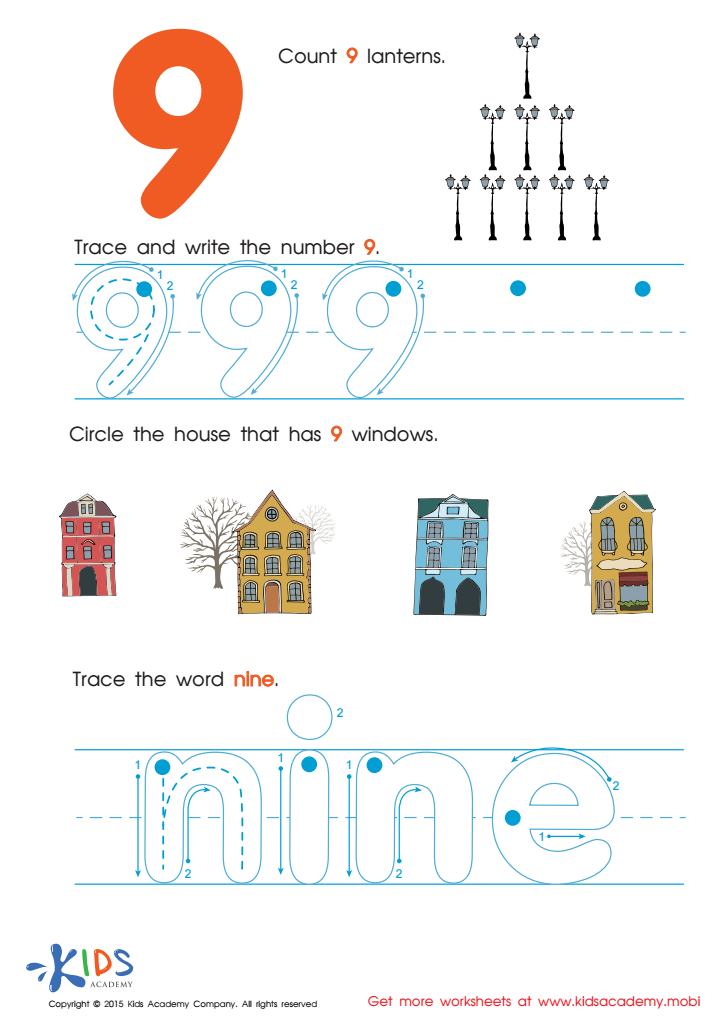
Tracing And Learning to Write Number 9 Worksheet
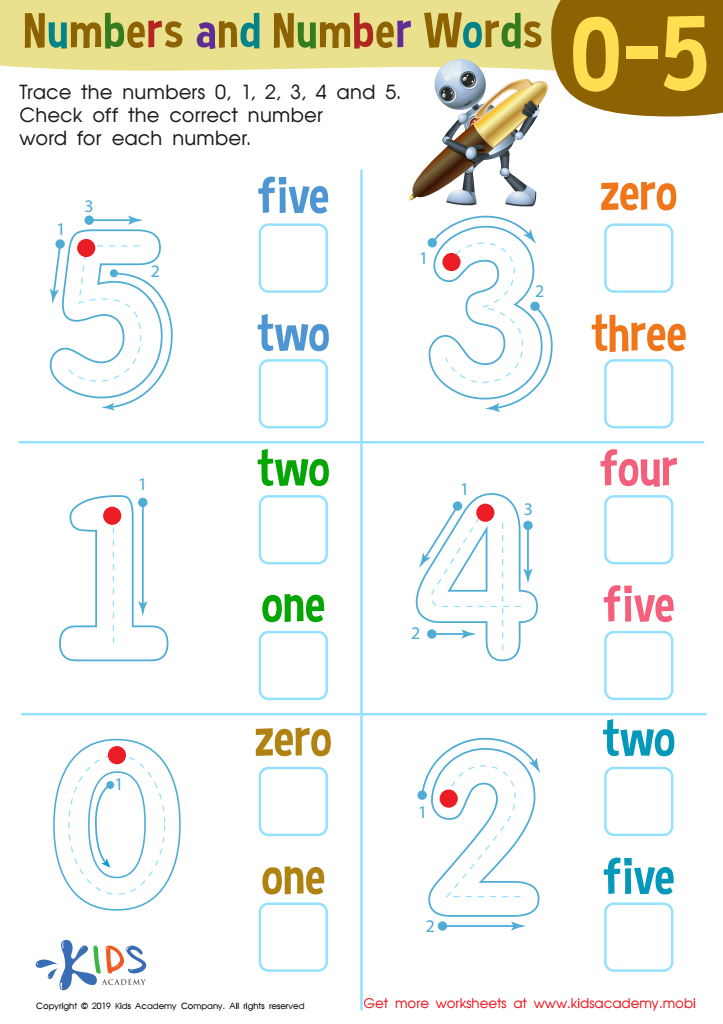
Numbers and Number Words Worksheet
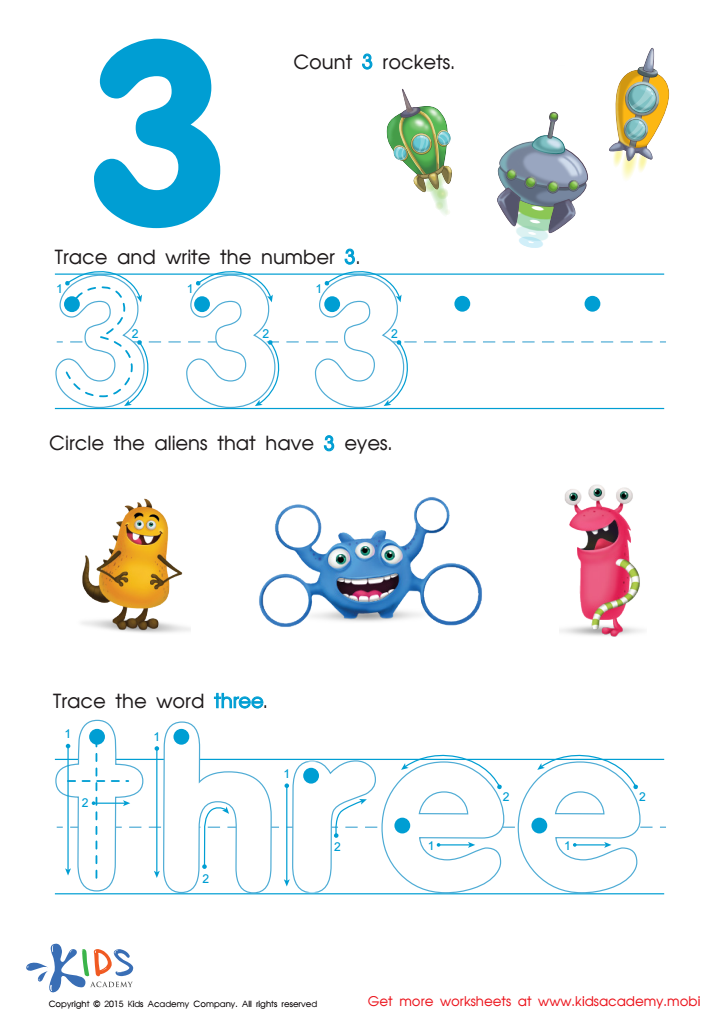
Learning Number Three Worksheet
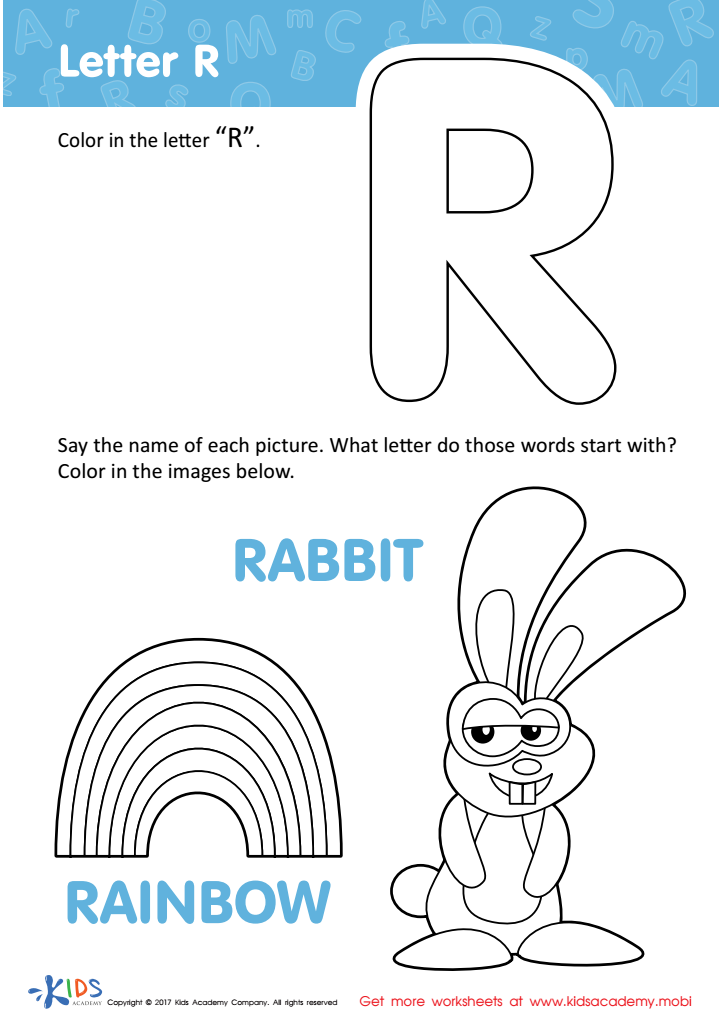
Letter R Coloring Sheet
Assign to My Students
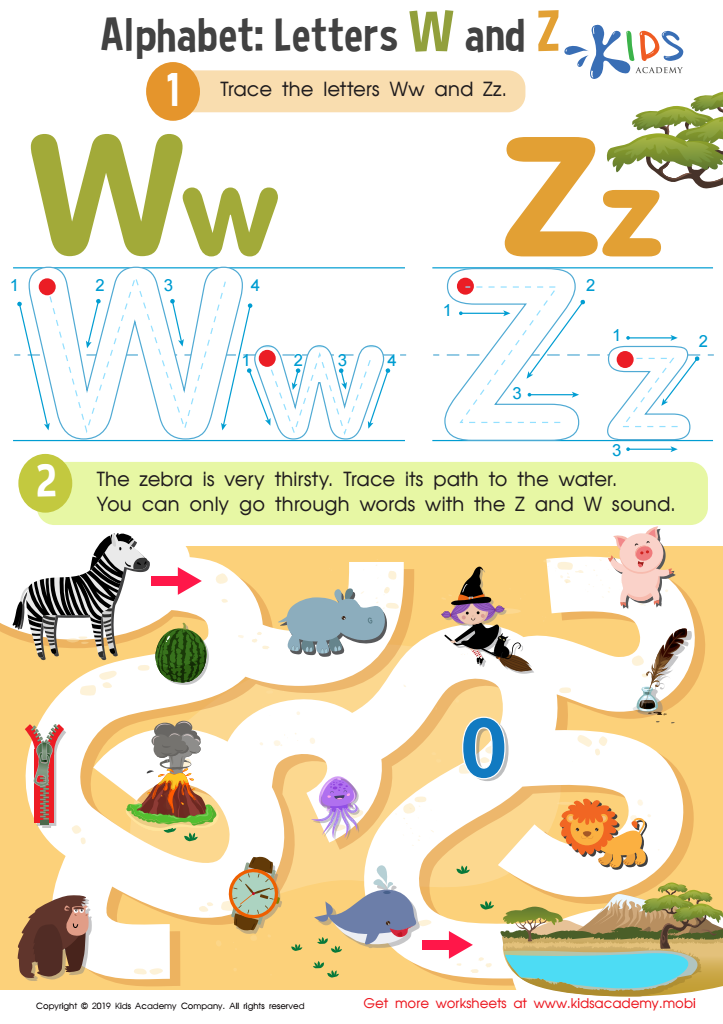
Letters W and Z Tracing Worksheet
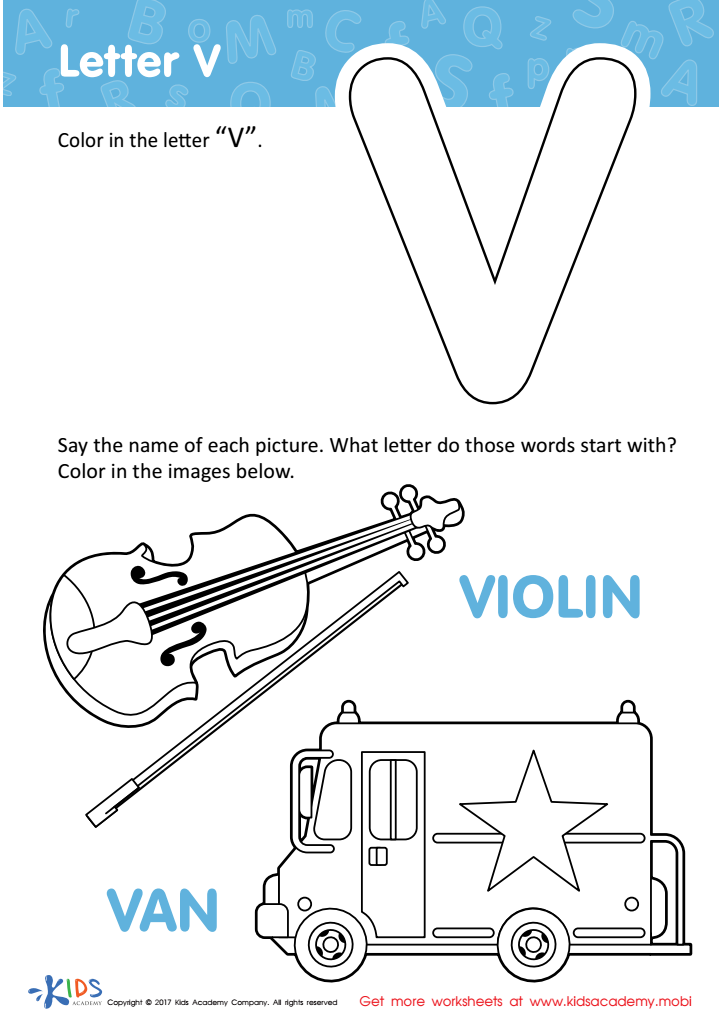
Letter V Coloring Sheet
Assign to My Students
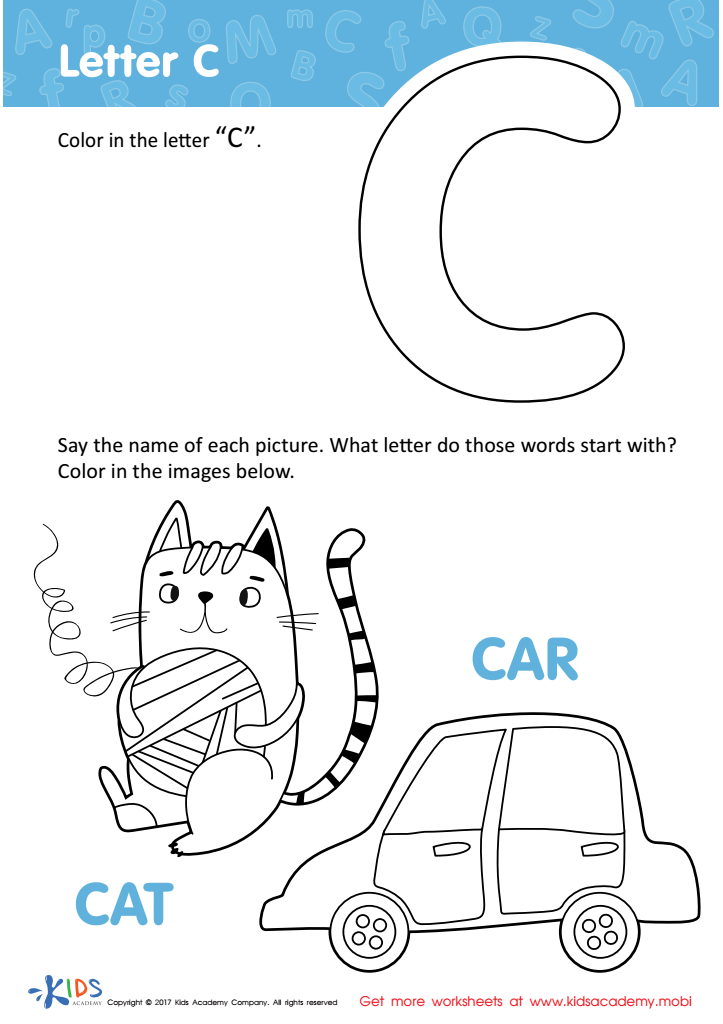
Letter C Coloring Sheet
Assign to My Students
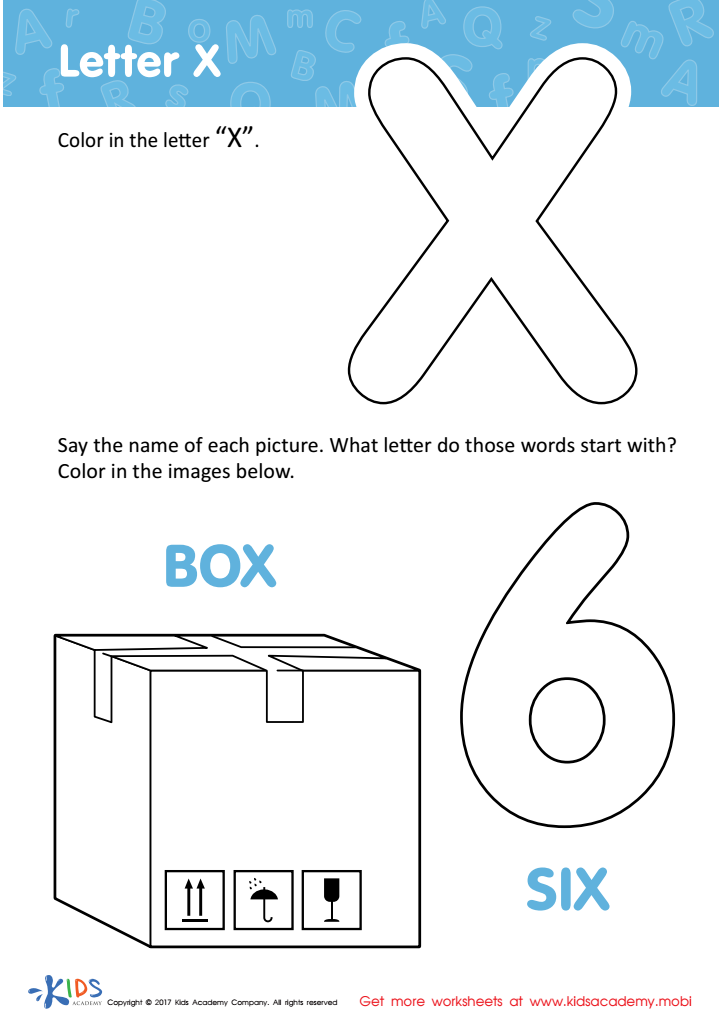
Letter X Coloring Sheet
Assign to My Students




Writing practice for young children aged 4-8 is incredibly important for several reasons, and it's essential for both parents and teachers to recognize its value. Firstly, writing helps develop fine motor skills. Holding a pencil, forming letters, and navigating lines on paper enhance a child’s hand-eye coordination and muscle control in their hands and fingers.
Secondly, writing supports literacy development. When children practice writing, they also reinforce their understanding of letter shapes, sounds, and the connection between spoken and written language. This simultaneous enhancement of reading and writing skills sets a strong foundation for future literacy and communication abilities.
Additionally, writing stimulates cognitive development. It encourages children to organize their thoughts, improves memory, and fosters critical thinking. For instance, writing simple sentences requires children to consider grammar and vocabulary, boosting their overall language comprehension.
Moreover, writing practice nurtures creativity and self-expression. As youngsters become more familiar with writing, they gain confidence in using it as a tool to share stories, ideas, and feelings, fostering emotional intelligence.
Finally, parental involvement in writing practice builds an essential bridge between home and school, encouraging children and showing them that learning is a valued and enjoyable part of life. Teachers, on the other hand, gain deeper insights into each student's learning process, enabling more tailored educational support.