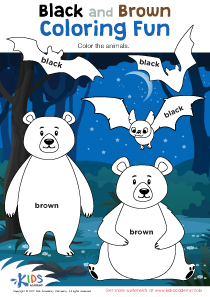
Writing skills English for Beginners Worksheets for Ages 4-8
3 filtered results
-
From - To
Unlock your child's potential with our "Writing Skills English for Beginners Worksheets" designed for ages 4-8. Our expertly crafted resources make learning fun and engaging, helping young learners develop essential writing techniques. These printable worksheets cover everything from letter formation and basic sentence structure to early punctuation use. Perfect for both native speakers and ESL students, each activity is designed to build confidence and foundational skills. Ideal for parents and teachers, our materials are a vital tool in guiding children on their journey to becoming proficient and enthusiastic writers. Start your child's writing adventure today!
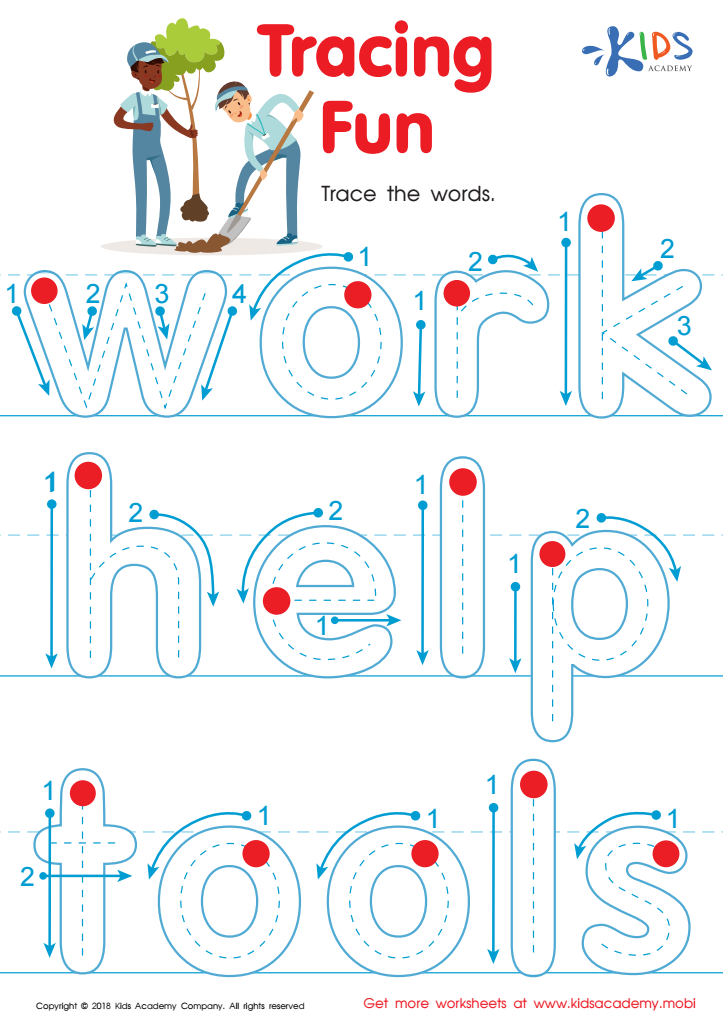
Tracing Fun Worksheet
 Assign to My Students
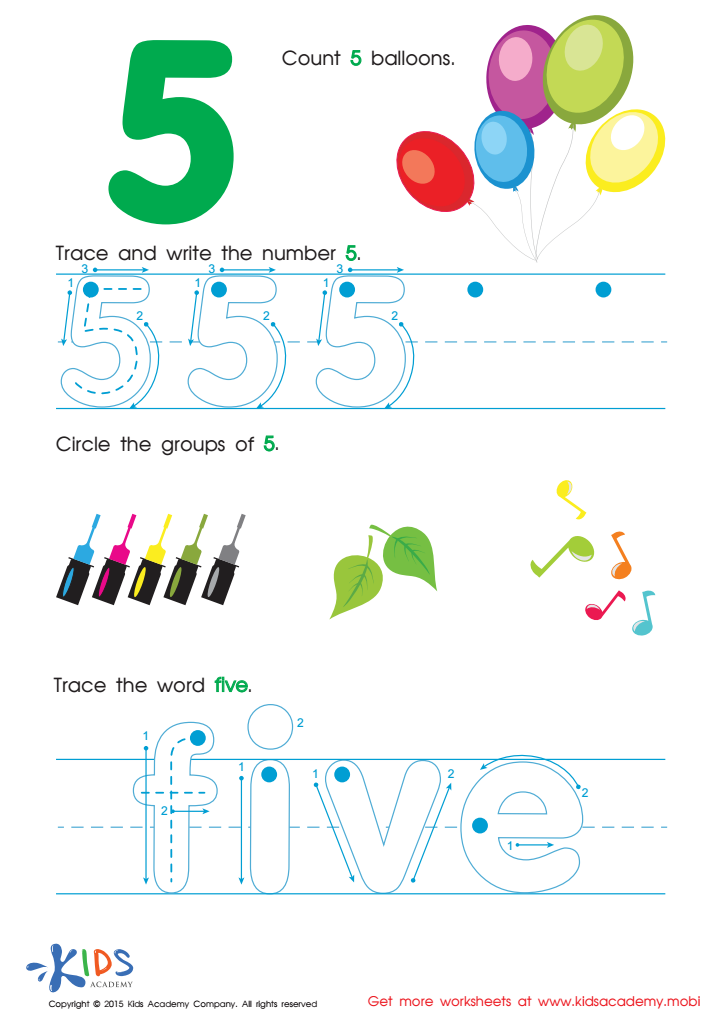
Practice Writing Number 5 Worksheet
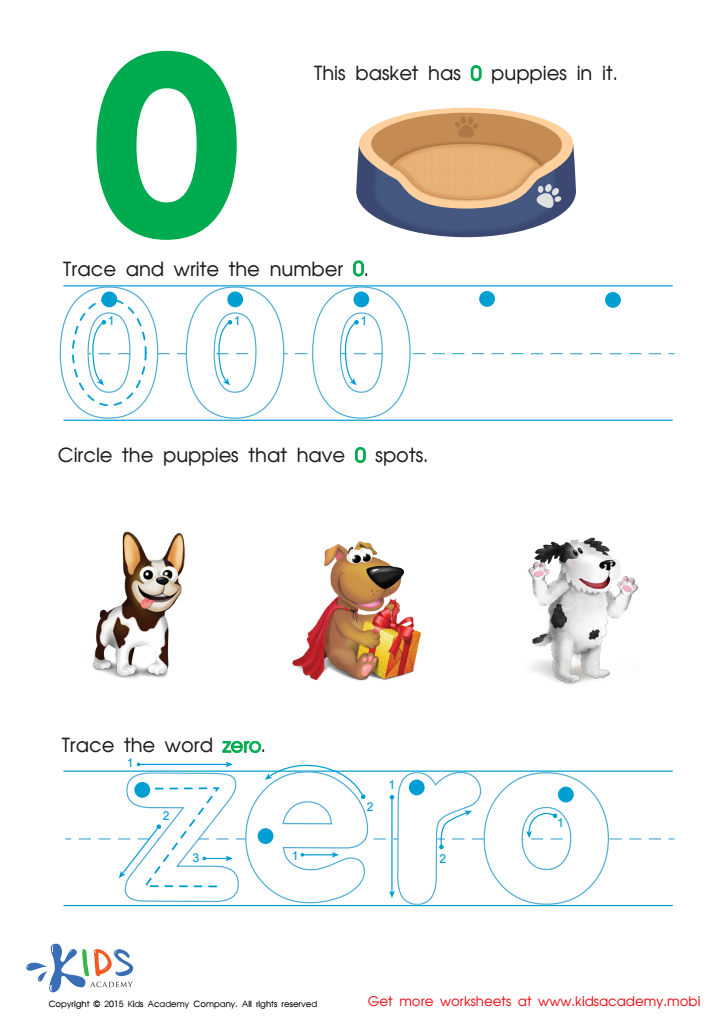
Trace And Write Number 0 Worksheet




Writing skills in English for beginners, especially for ages 4-8, lay the foundation for effective communication and literacy development. First, writing enhances children's cognitive abilities, encouraging them to organize their thoughts and express themselves clearly. This early literacy skills also foster critical thinking, as they must consider how best to convey their ideas to others.
Second, strong writing skills are closely linked with reading proficiency. As children learn to write, they become more aware of language structures, vocabulary, and grammar rules, enhancing their reading comprehension and fluency. This foundational literacy are key to academic success across various subjects.
Moreover, writing is a crucial avenue for self-expression and creativity. When young children are given the tools to express their thoughts, experiences, and imaginations on paper, they develop confidence in their abilities and a sense of accomplishment. This could positively influence their enthusiasm for learning and school-related tasks.
Finally, early writing practice builds fine motor skills that are essential for other daily tasks. It encourages hand-eye coordination, precision, and stamina, benefiting children not just academically but in their overall physical development.
In summary, investing in writing skills for young learners equips them with invaluable tools that advance their intellectual growth, academic success, emotional development, and physical coordination. Parents and teachers play a pivotal role in nurturing these foundational skills.