Alphabet Recognition Worksheets for Ages 4-8
79 filtered results
-
From - To
Explore our engaging Alphabet Recognition Worksheets designed for children ages 4-8 to spark their love for learning! These interactive worksheets provide a fun and effective way for young learners to identify and recognize letters, enhancing their early literacy skills. Packed with vibrant graphics, games, and various activities, our resources encourage children to practice letter formation, phonics, and matching letters with objects. Perfect for home or classroom use, our worksheets support individual learning styles and developmental stages. Help your child build a strong foundation in reading and writing with our thoughtfully crafted materials. Download your favorite worksheets today and watch your child's confidence grow!
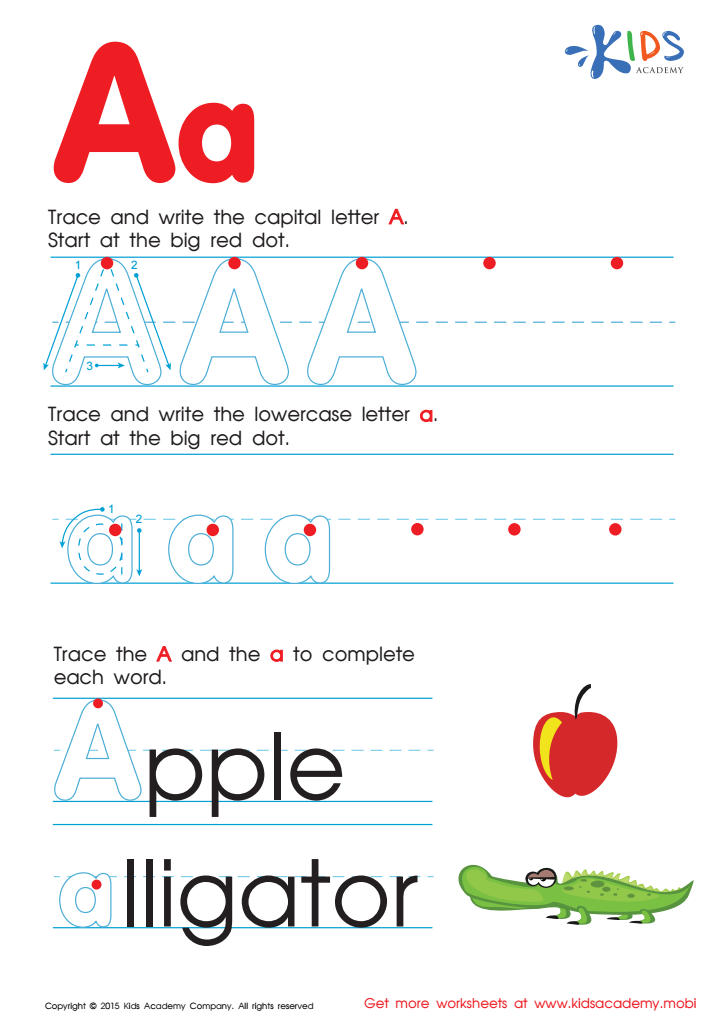
Letter A Tracing Page
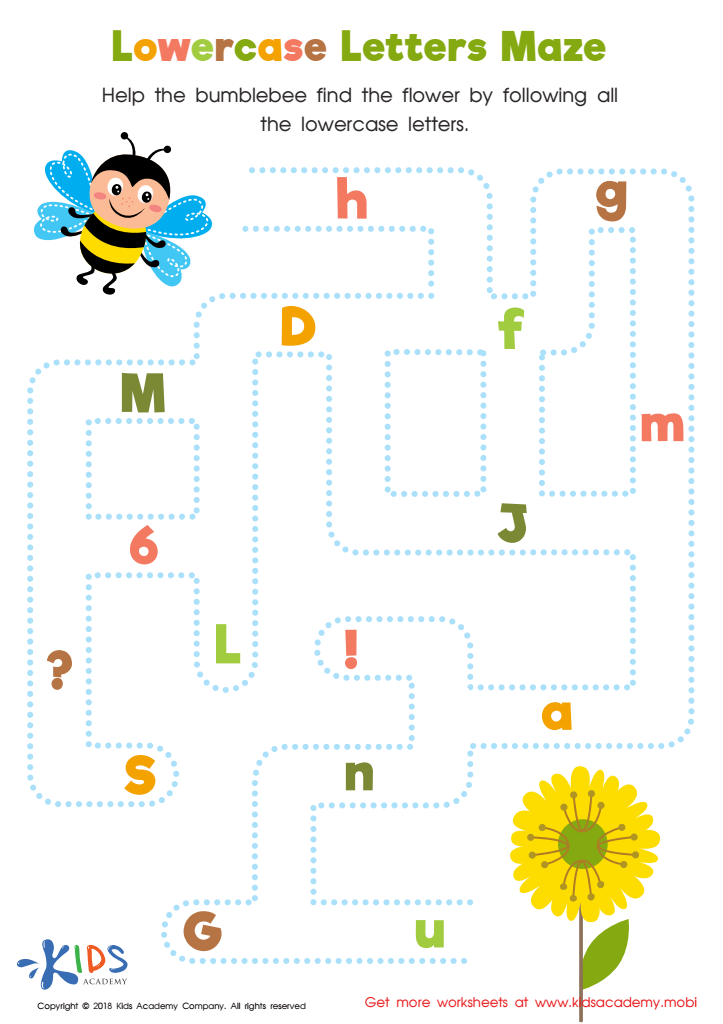
Lowercase Letters Maze Worksheet
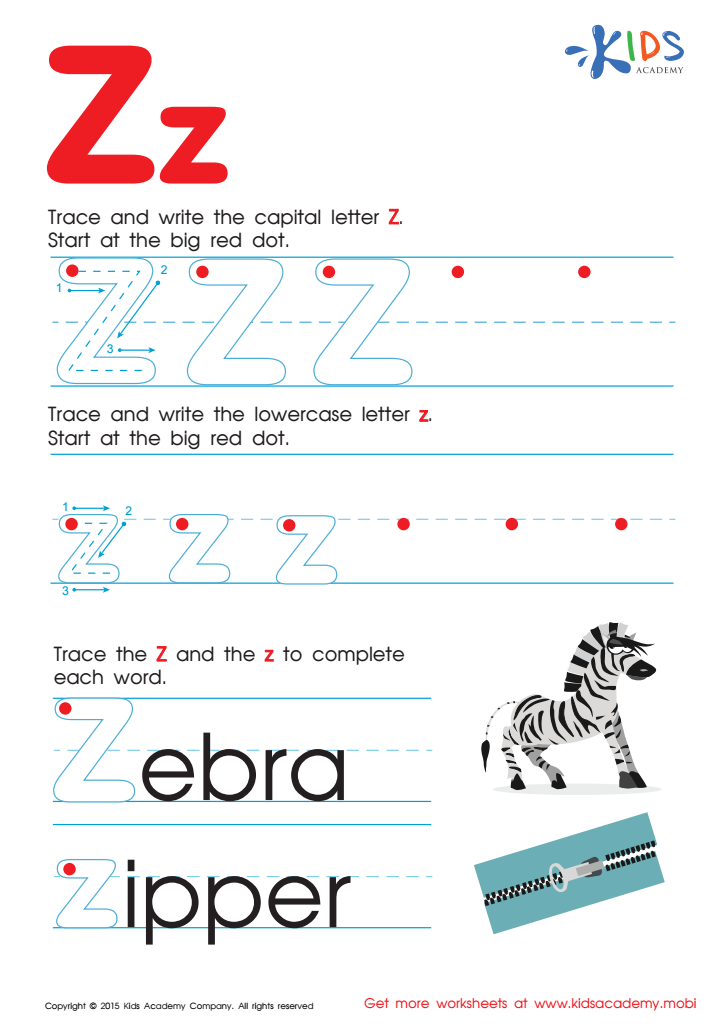
Letter Z Tracing Page
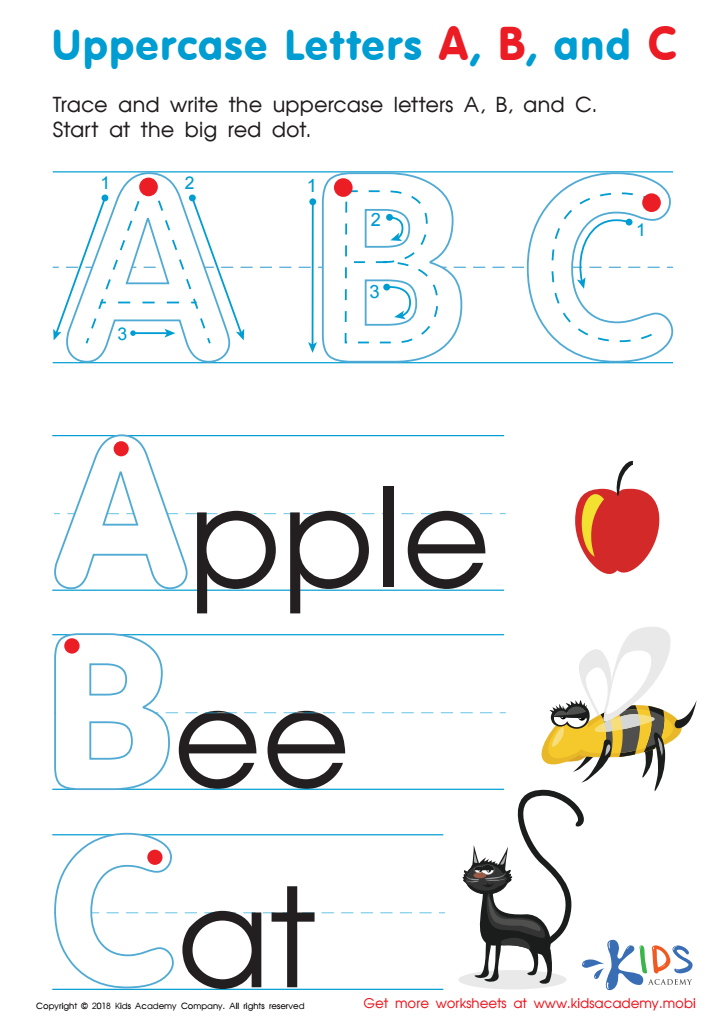
Uppercase Letters A, B, and C Worksheet
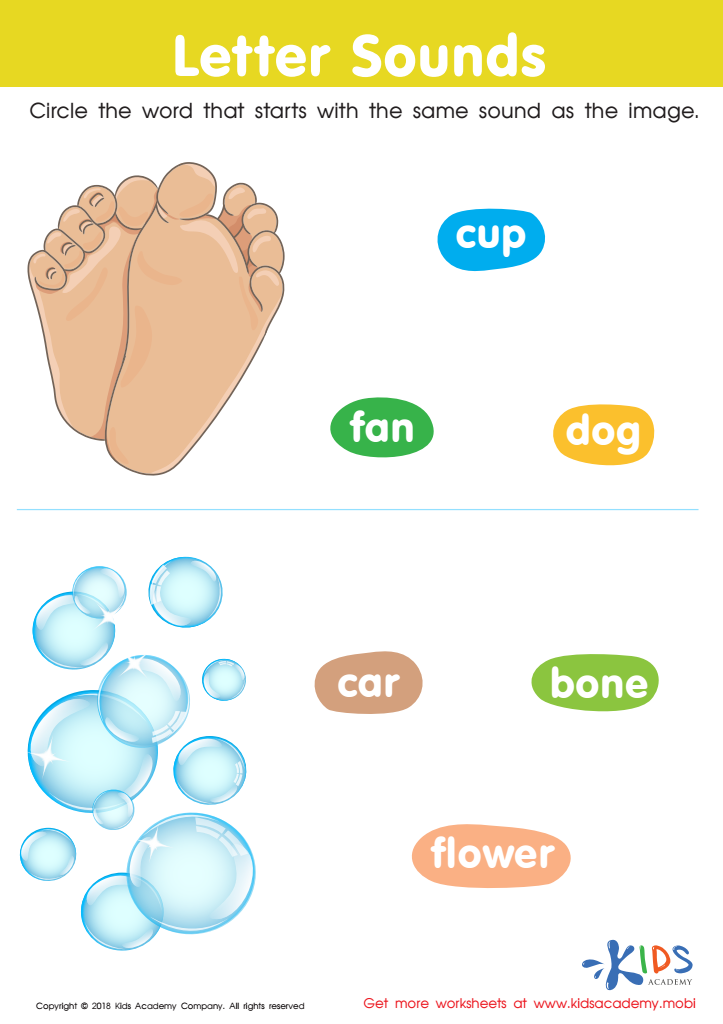
letter sounds Worksheet
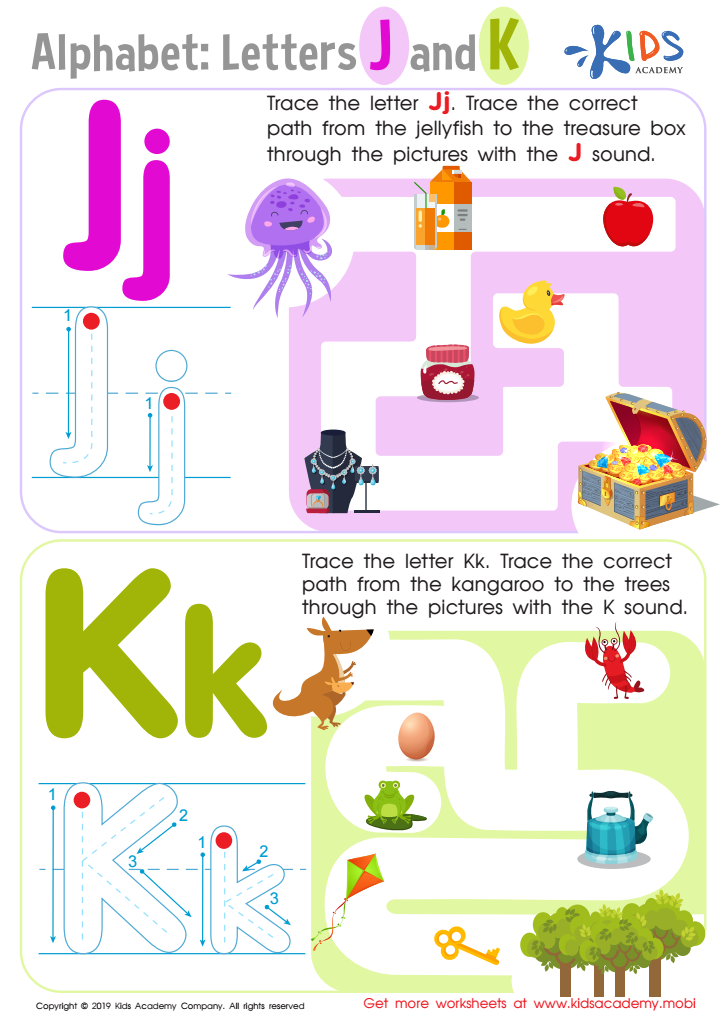
Letters J and K Tracing Worksheet
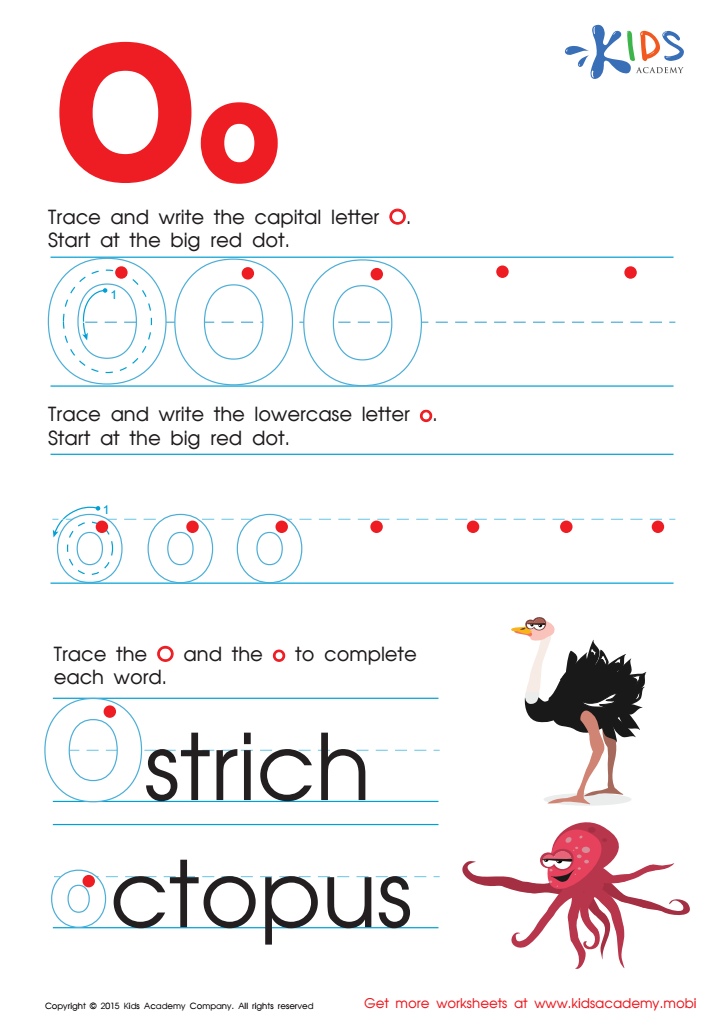
Letter O Tracing Page
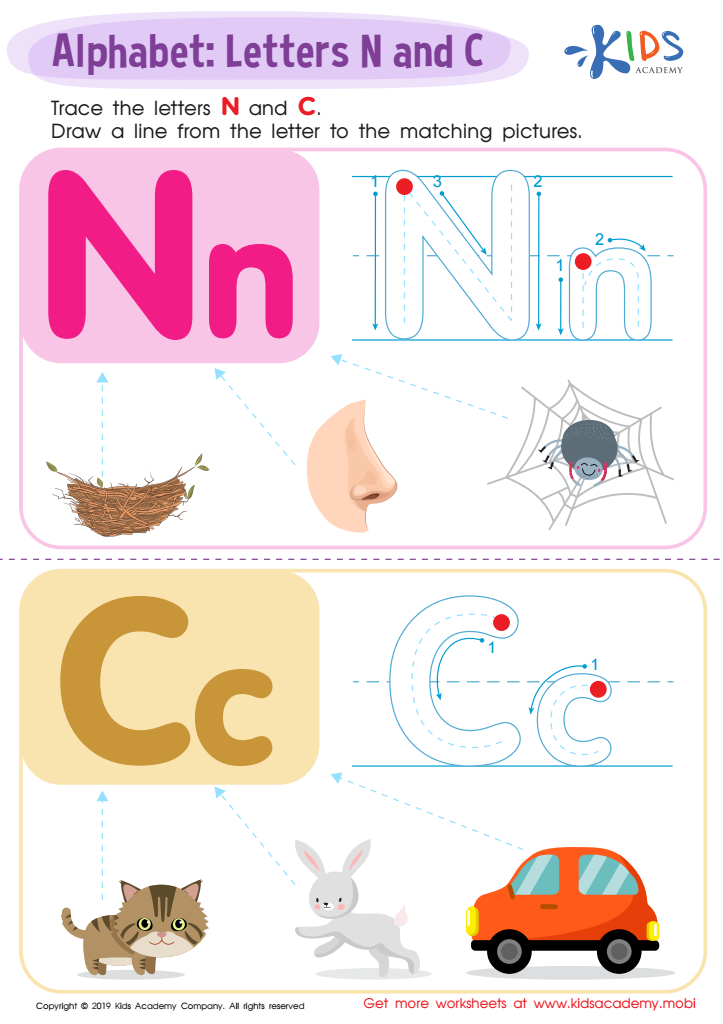
Letter N and C Tracing Worksheet
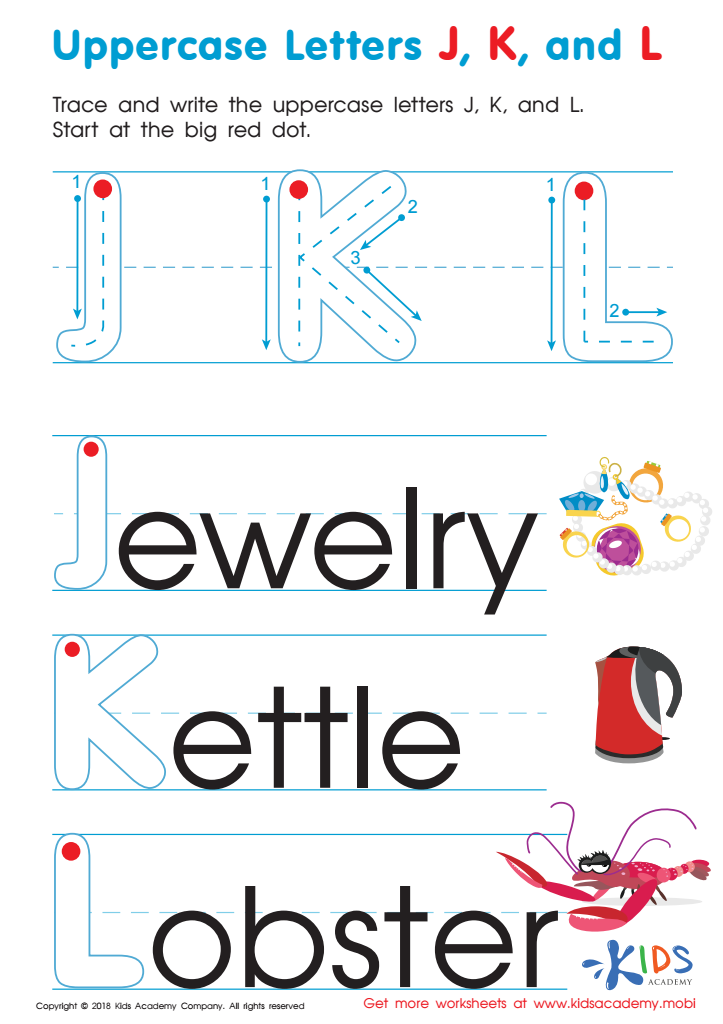
Uppercase Letters J, K, and L Worksheet
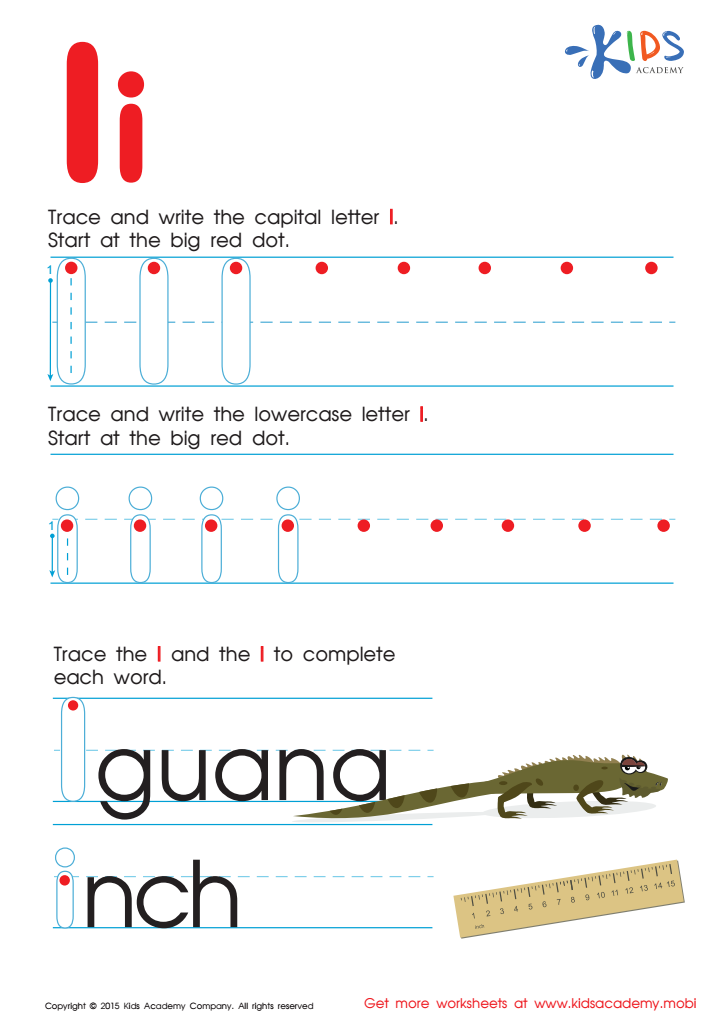
Letter I Tracing Page
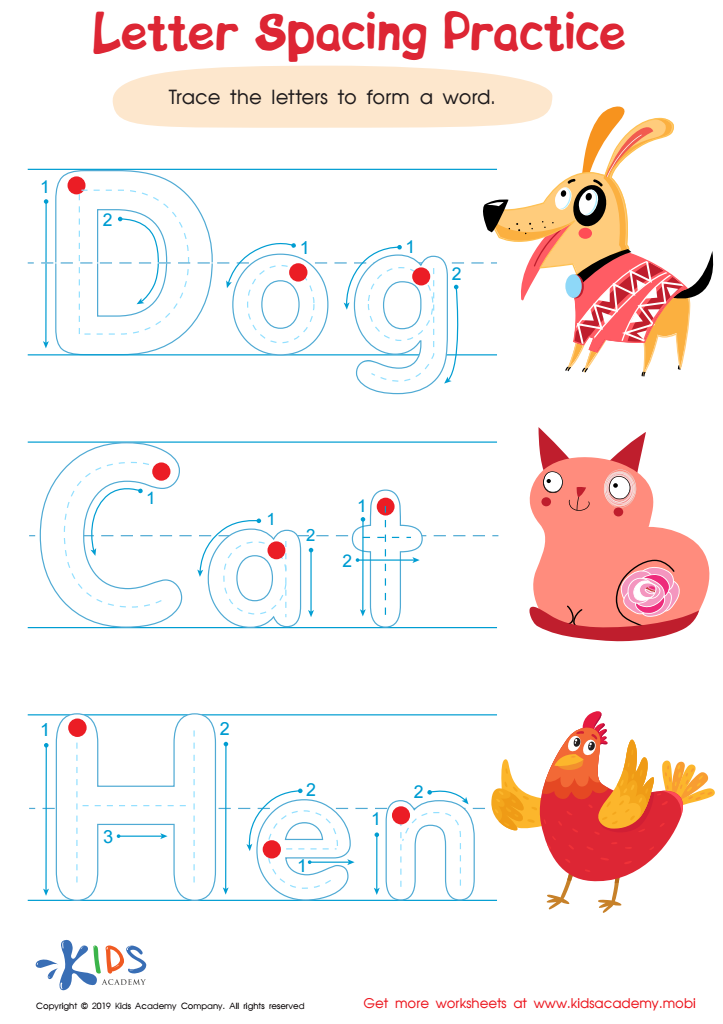
Letter Spacing Practice Worksheet
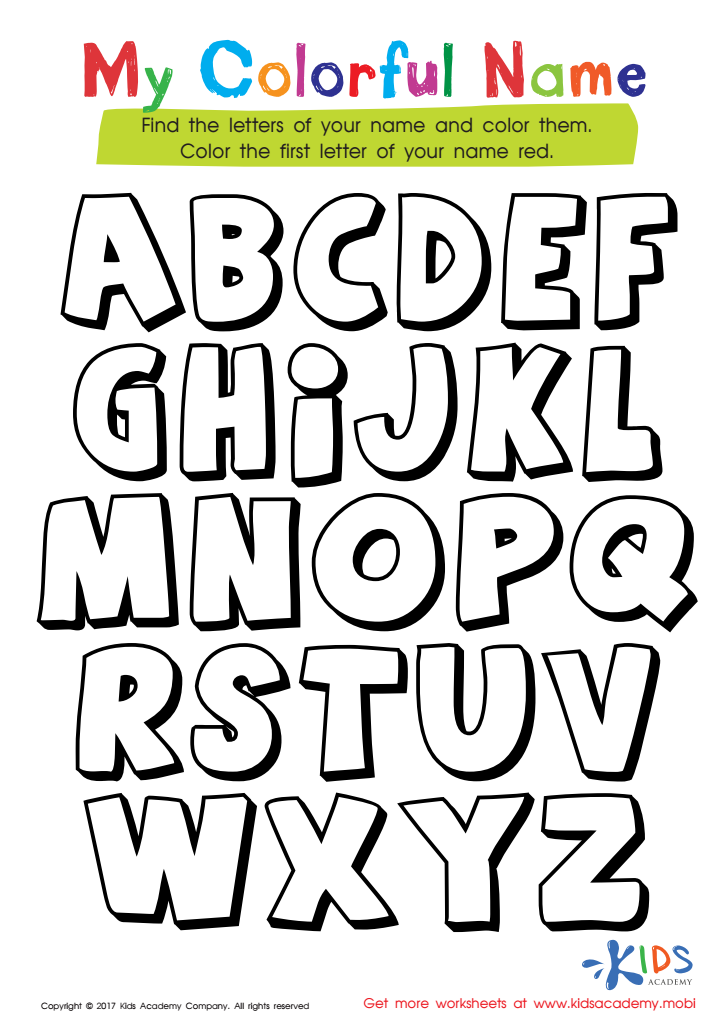
My Colorful Name Worksheet
 Assign to My Students
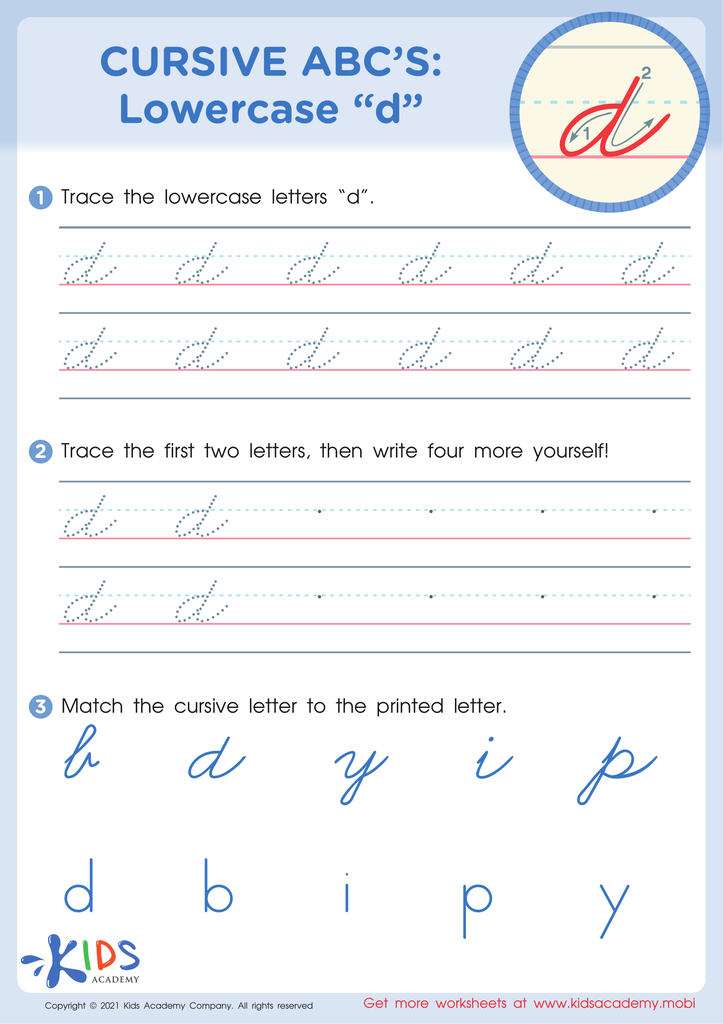
Cursive ABCs: Lowercase d
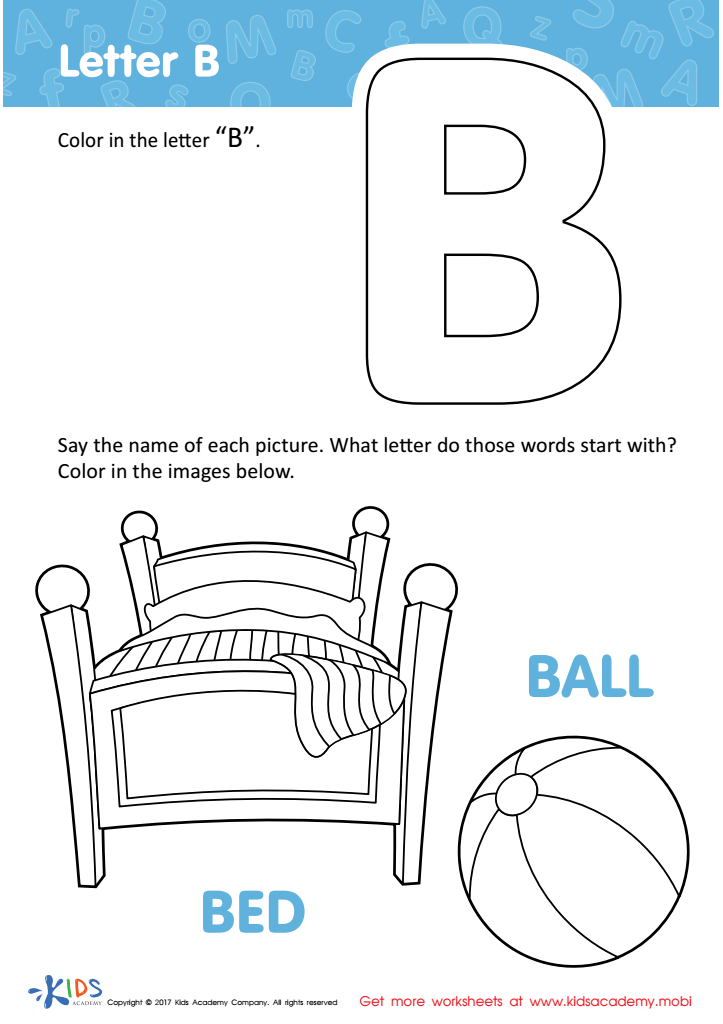
Letter B Coloring Sheet
Assign to My Students
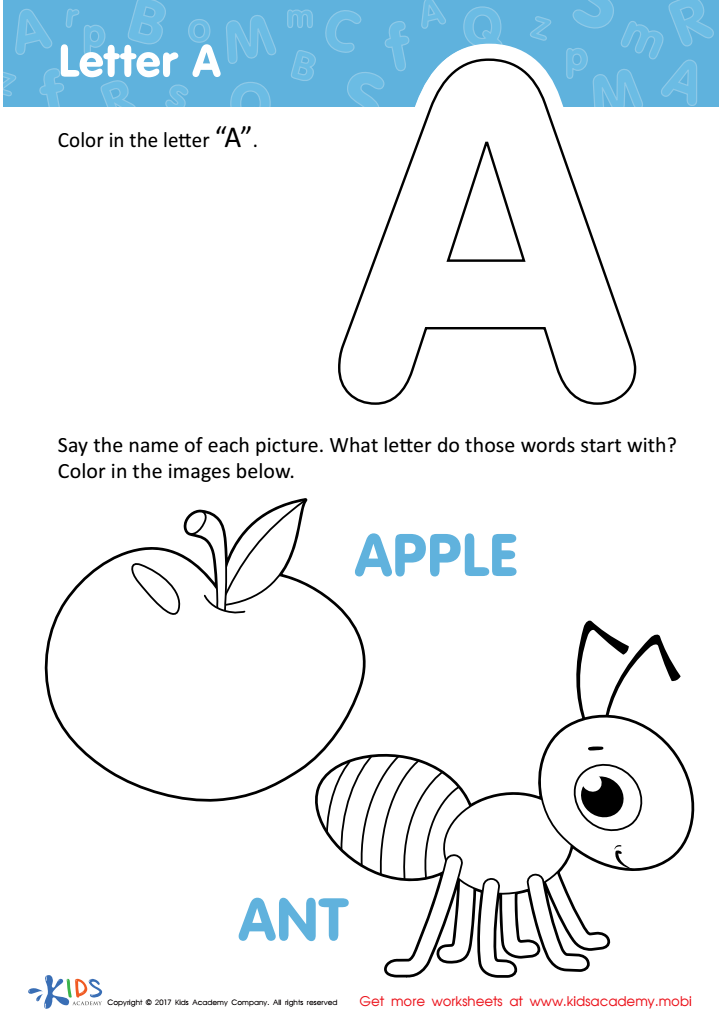
Letter A Coloring Sheet
Assign to My Students
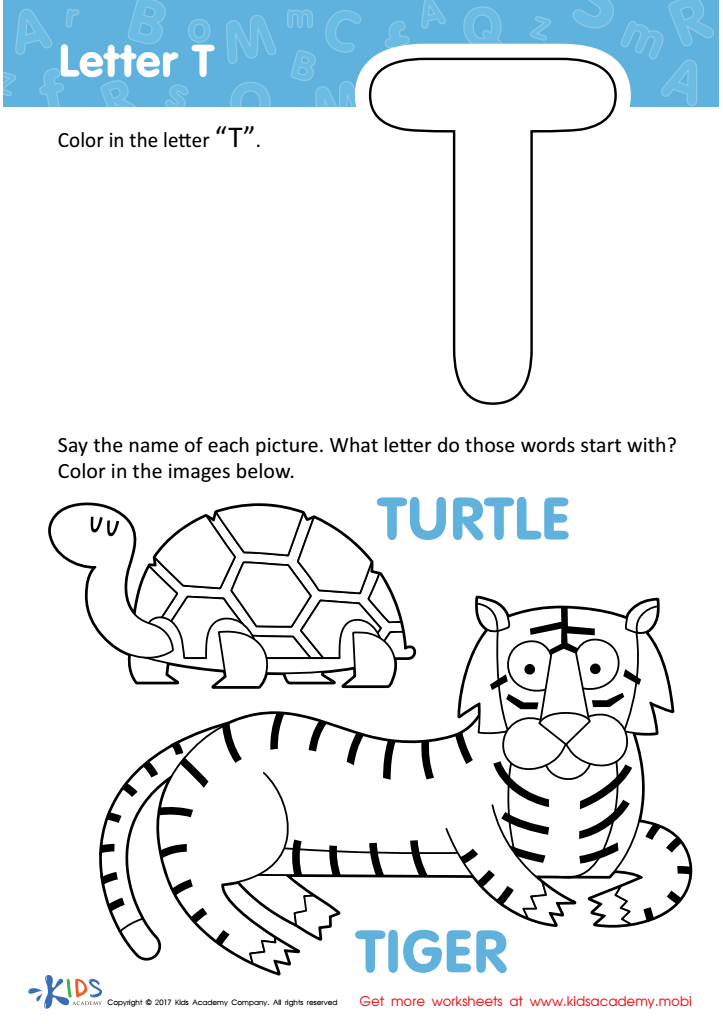
Letter T Coloring Sheet
Assign to My Students
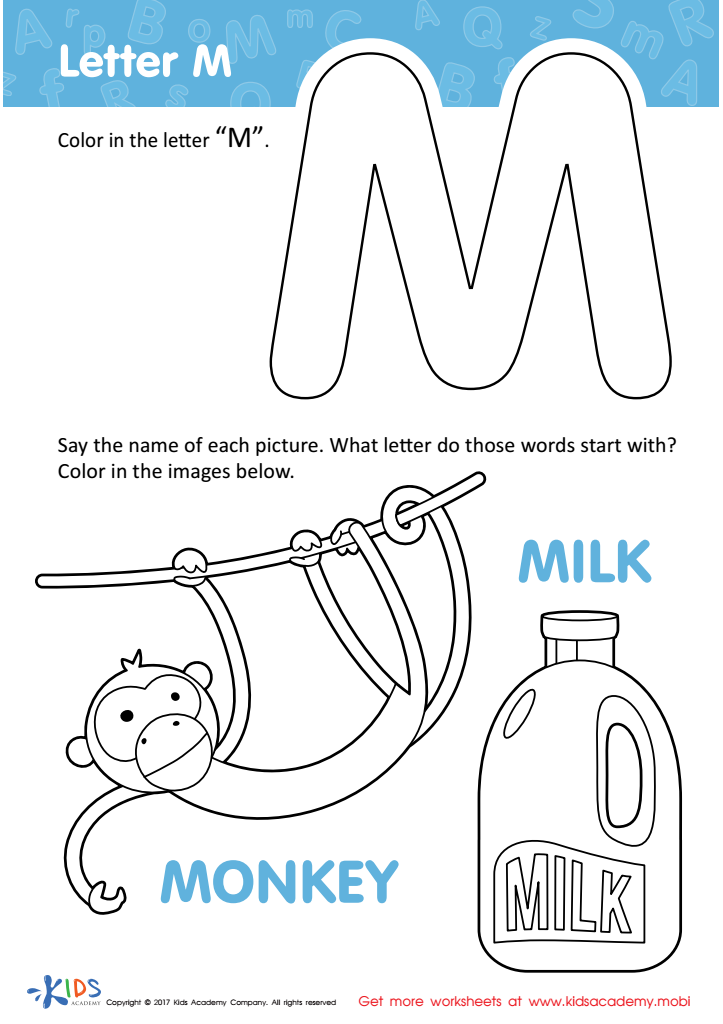
Letter M Coloring Sheet
Assign to My Students
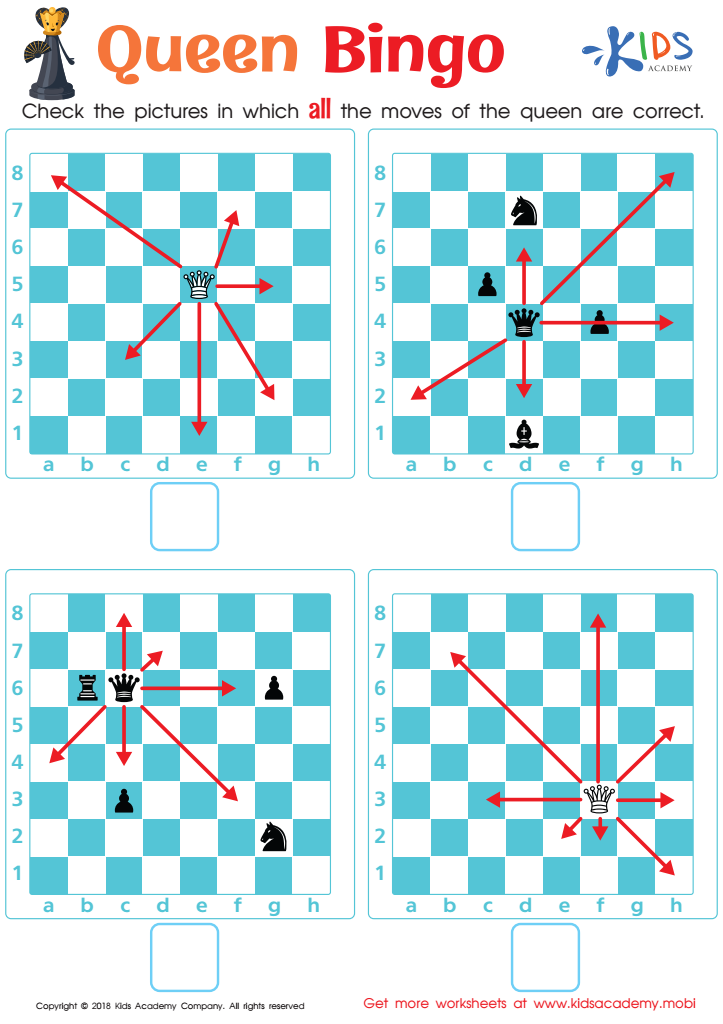
Queen Bingo Worksheet
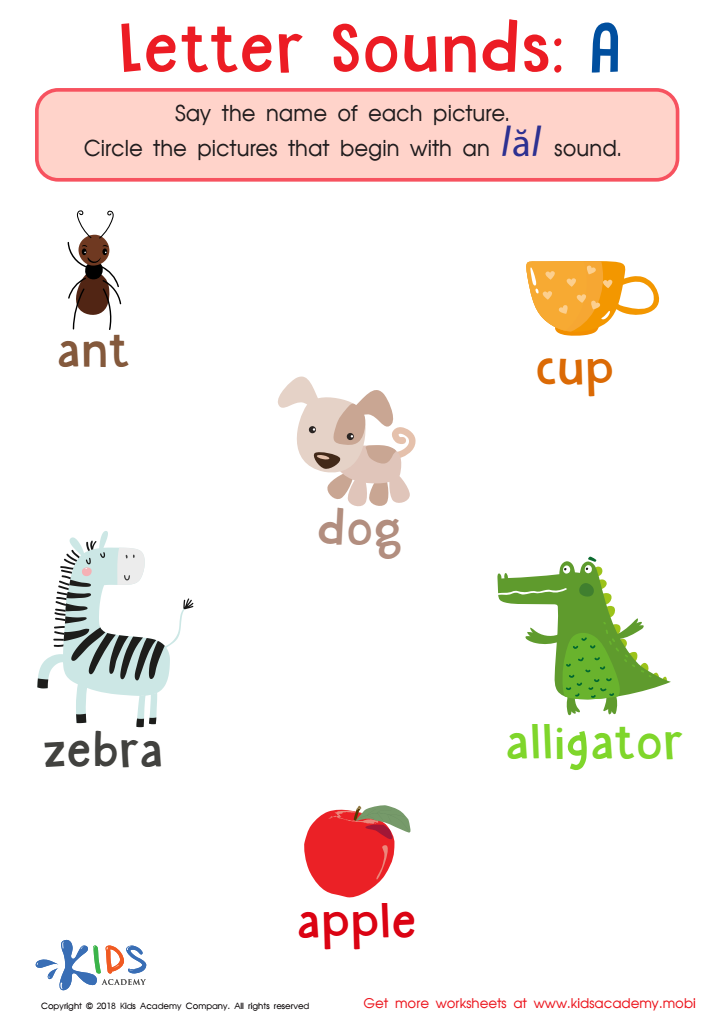
Letter A Sounds Worksheet
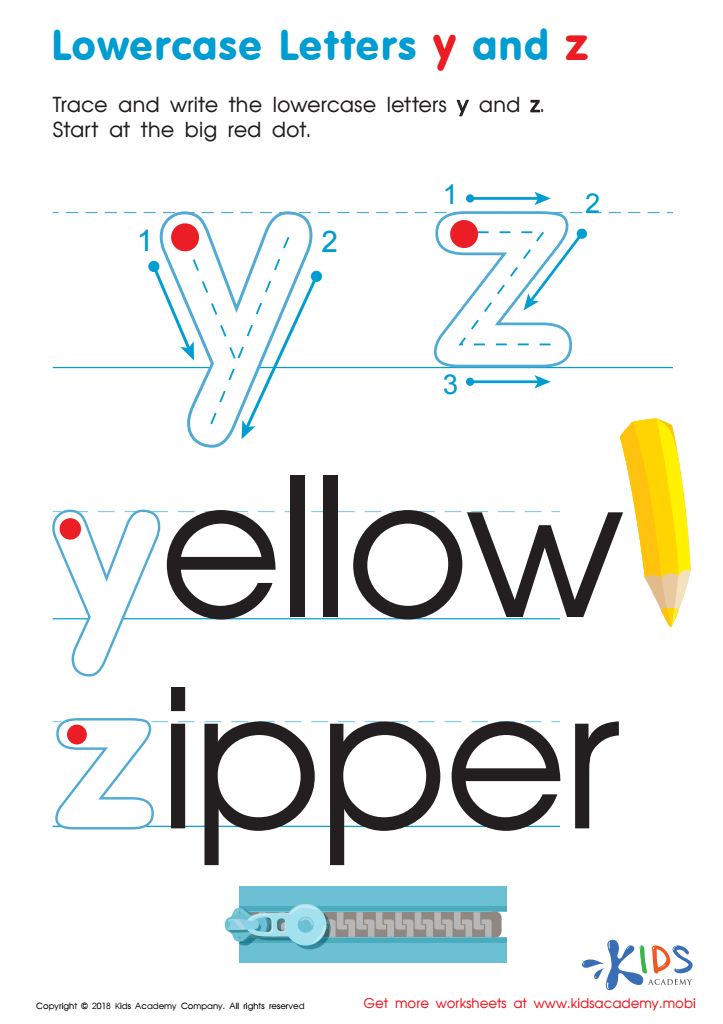
Lowercase Letters y z Worksheet
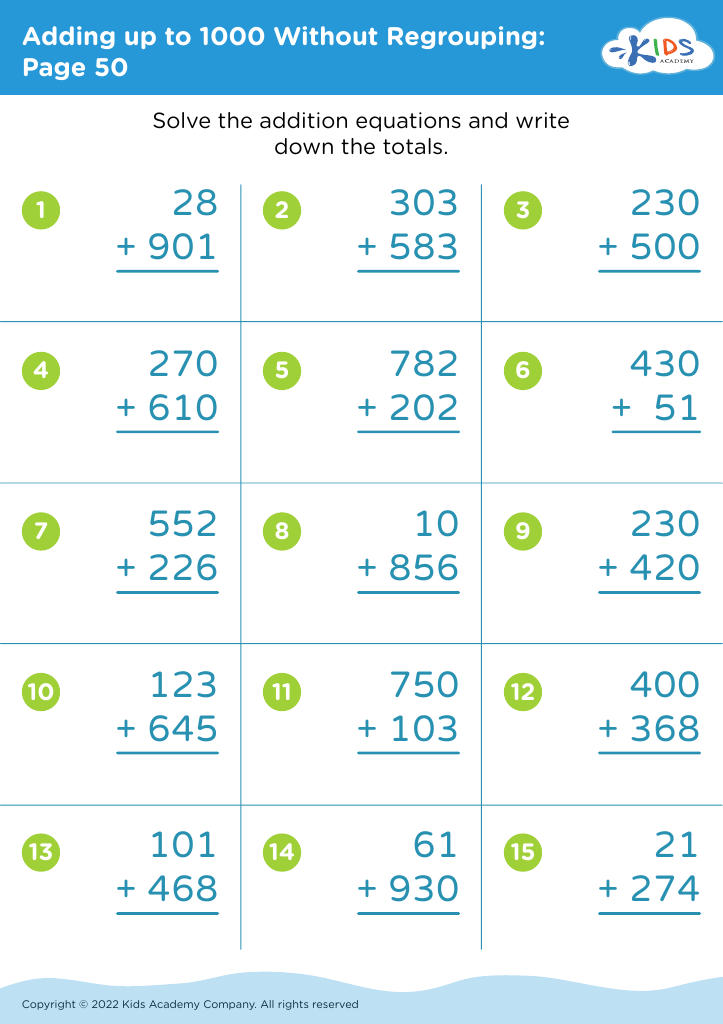
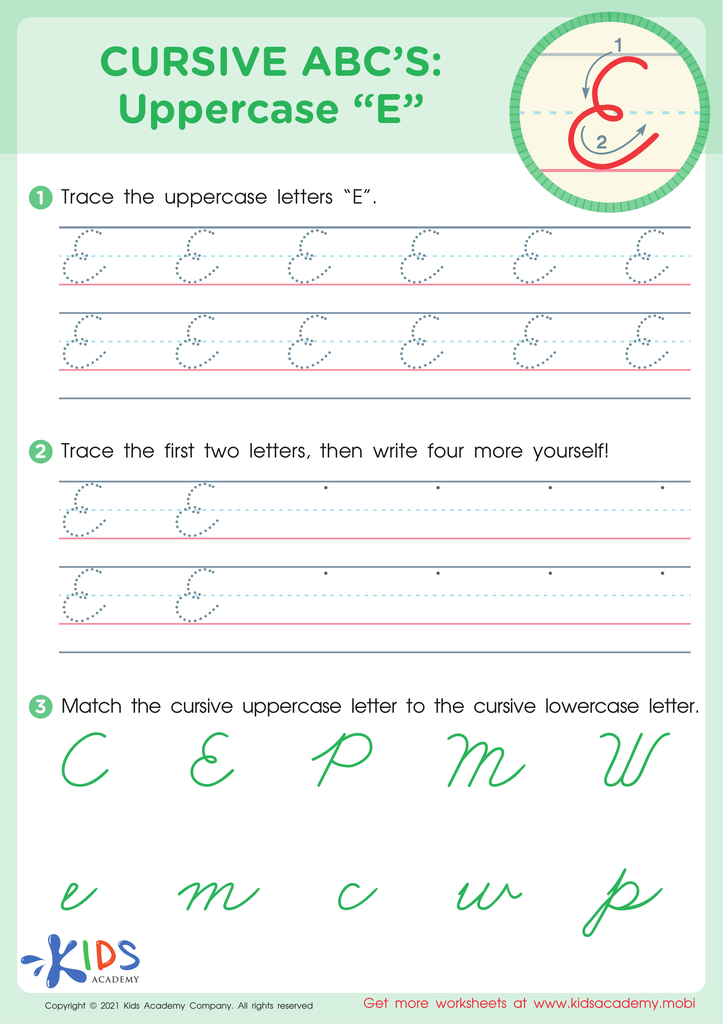
Cursive ABCs: Uppercase E








Alphabet recognition is a critical foundational skill for children aged 4 to 8, forming the basis for all future reading and writing. Understanding letters, their shapes, and sounds helps children decode words and develop linguistic skills essential for effective communication. Parents and teachers should prioritize alphabet recognition for several reasons.
Firstly, it enhances literacy skills. Mastering the alphabet allows children to engage with printed materials, fostering a love for reading and learning. This ability helps them read books independently, supporting cognitive and language development.
Secondly, it improves confidence. Children who recognize letters and sounds feel empowered to participate in early reading activities, boosting their self-esteem and motivation. Confident readers are more likely to explore literature, ask questions, and express their thoughts clearly.
Additionally, early alphabet skills can influence academic success in later years. Children who struggle with letter recognition may find it challenging to catch up with peers in reading and writing, potentially impacting their overall educational trajectory.
Lastly, alphabet recognition sets a strong bedrock for critical thinking and reasoning skills. By supporting children in mastering this fundamental milestone, parents and teachers equip them for lifelong learning and effective communication. Thus, fostering this essential skill is imperative for holistic child development.








