Animal recognition Worksheets for Ages 4-8 - Page 3
121 filtered results
-
From - To
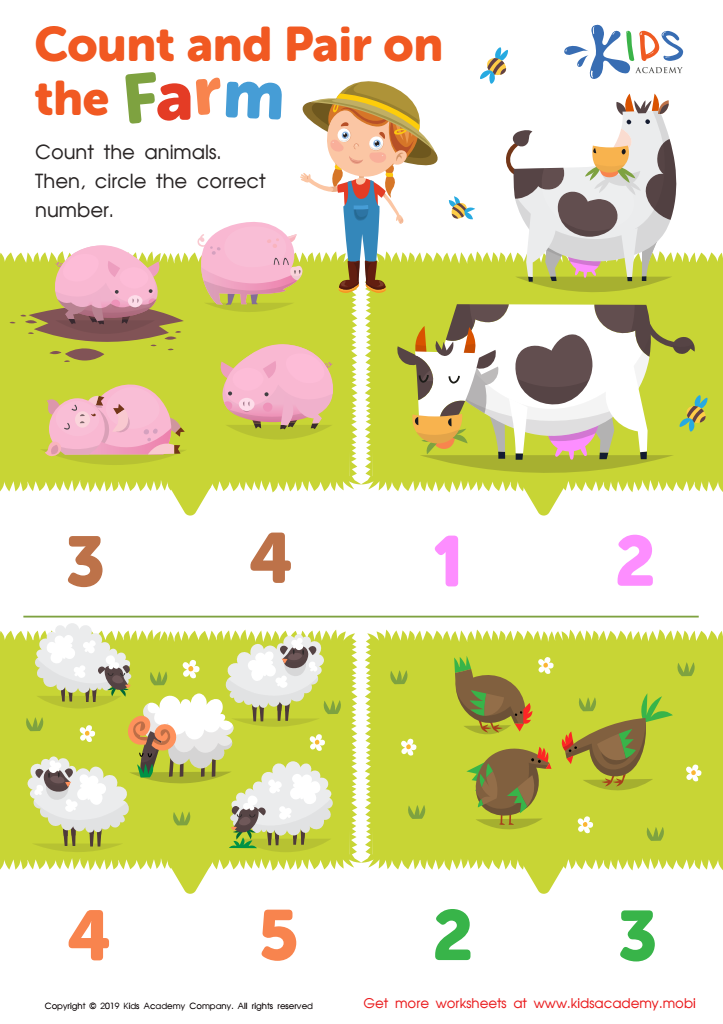
Count and Pair on the Farm Worksheet
 Assign to My Students
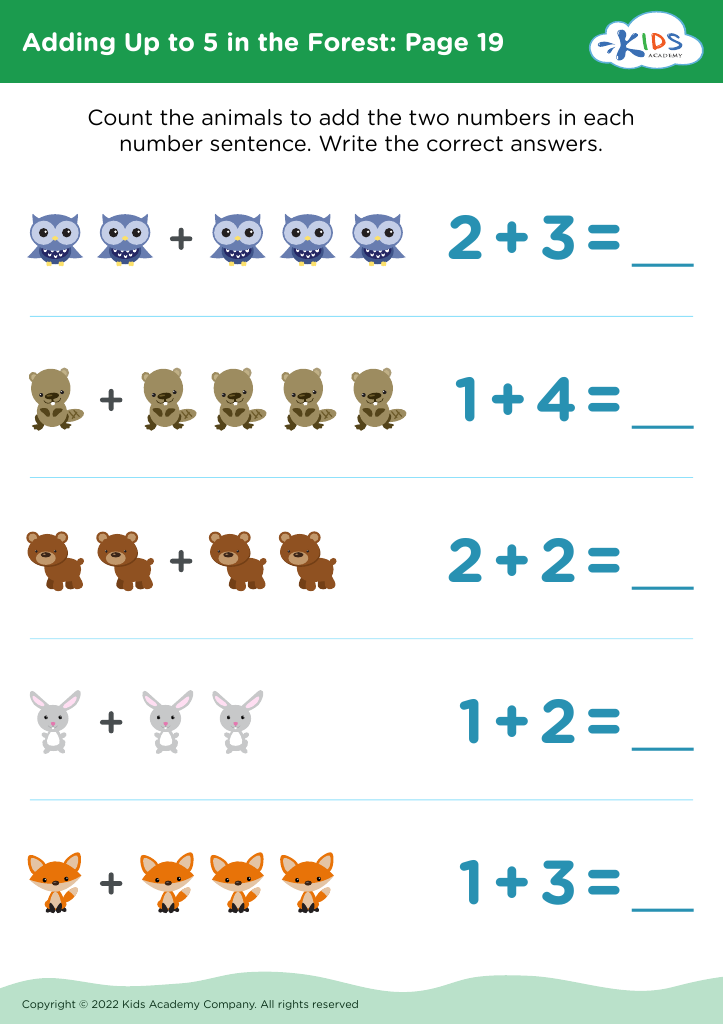
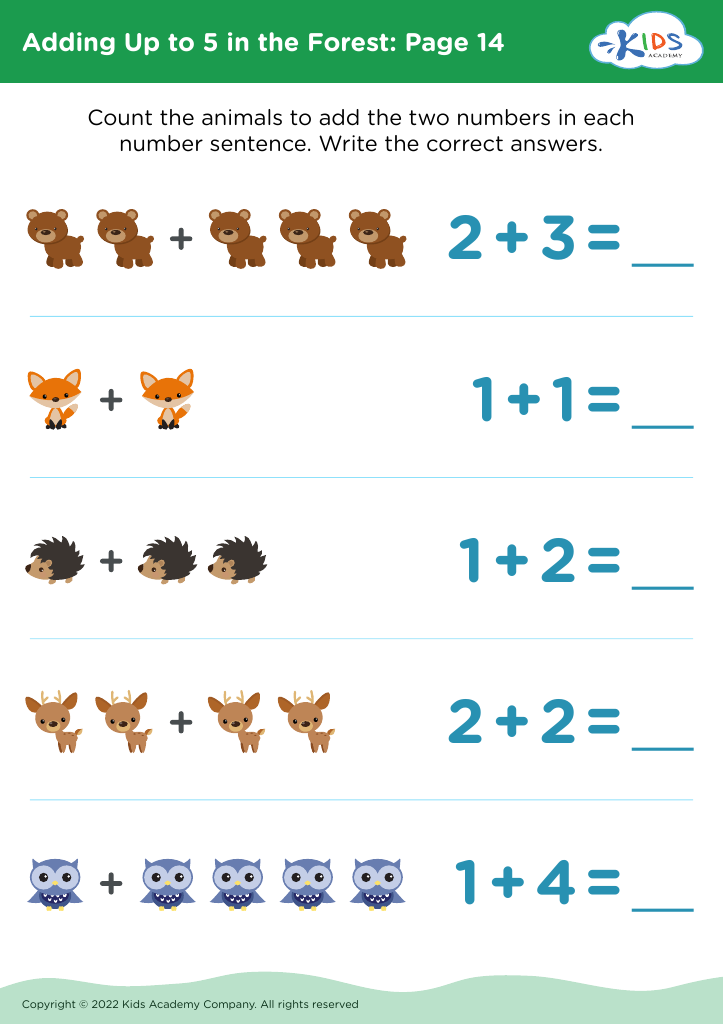
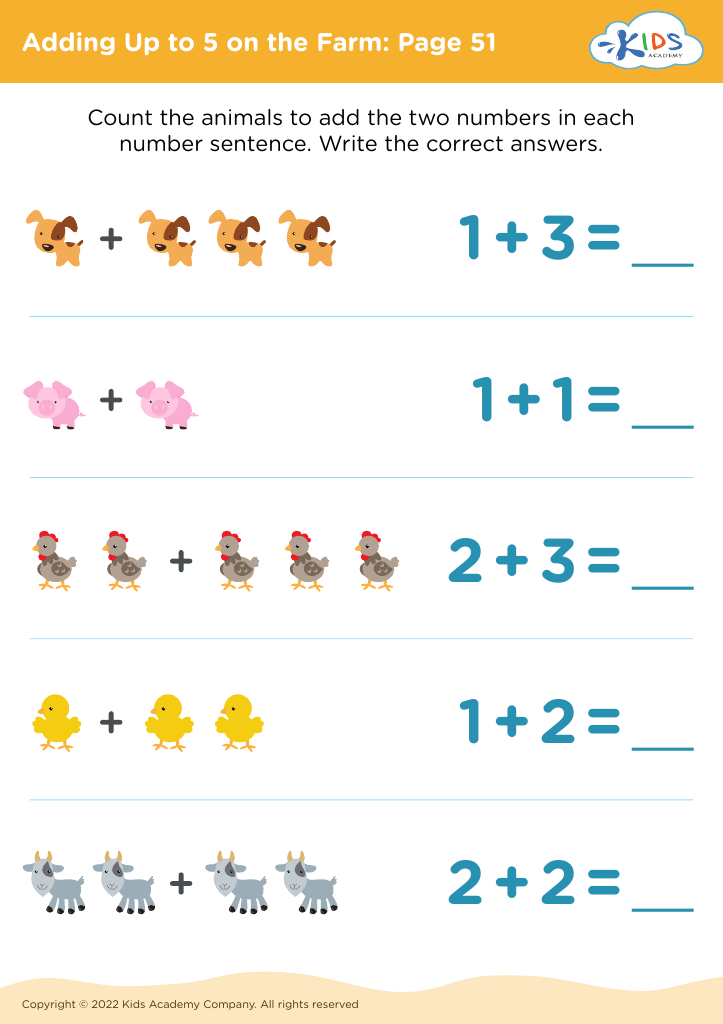
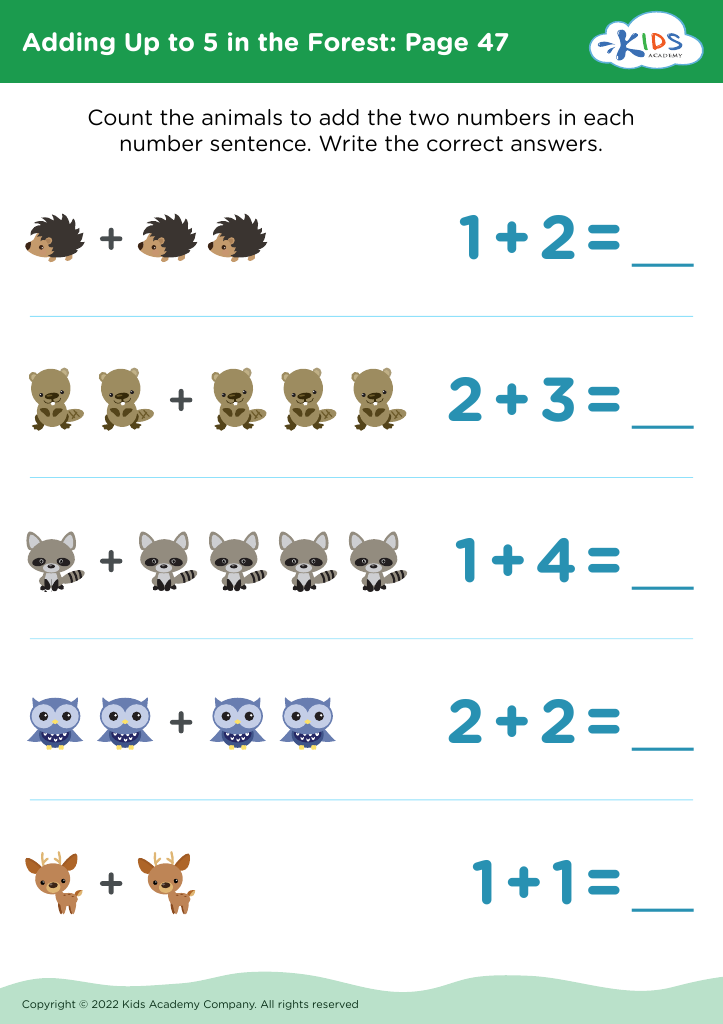
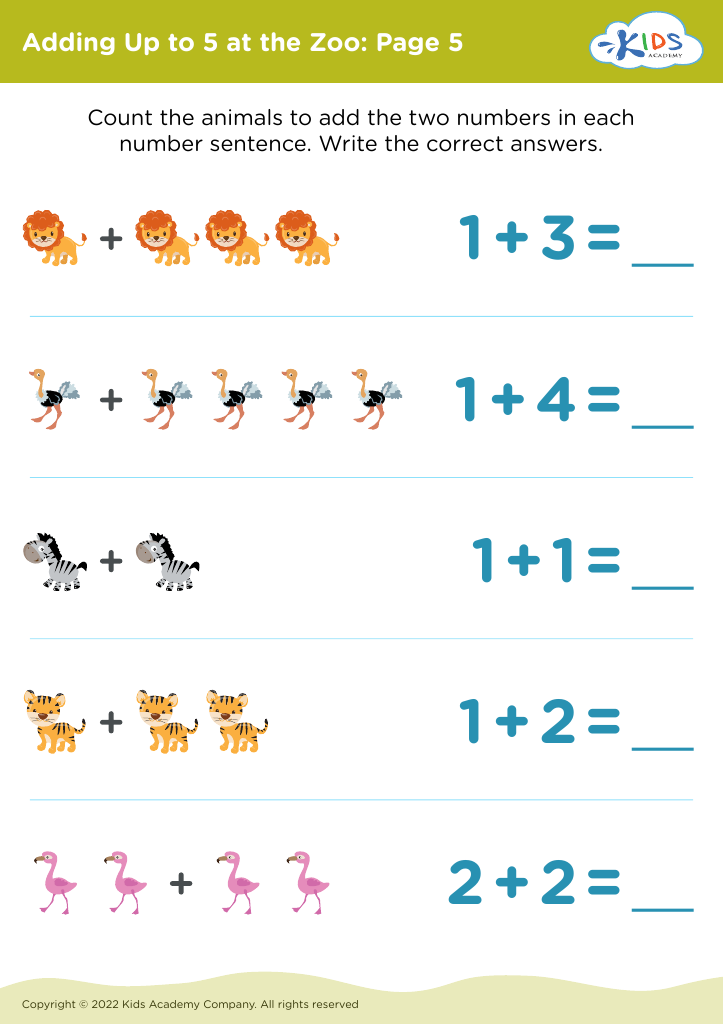
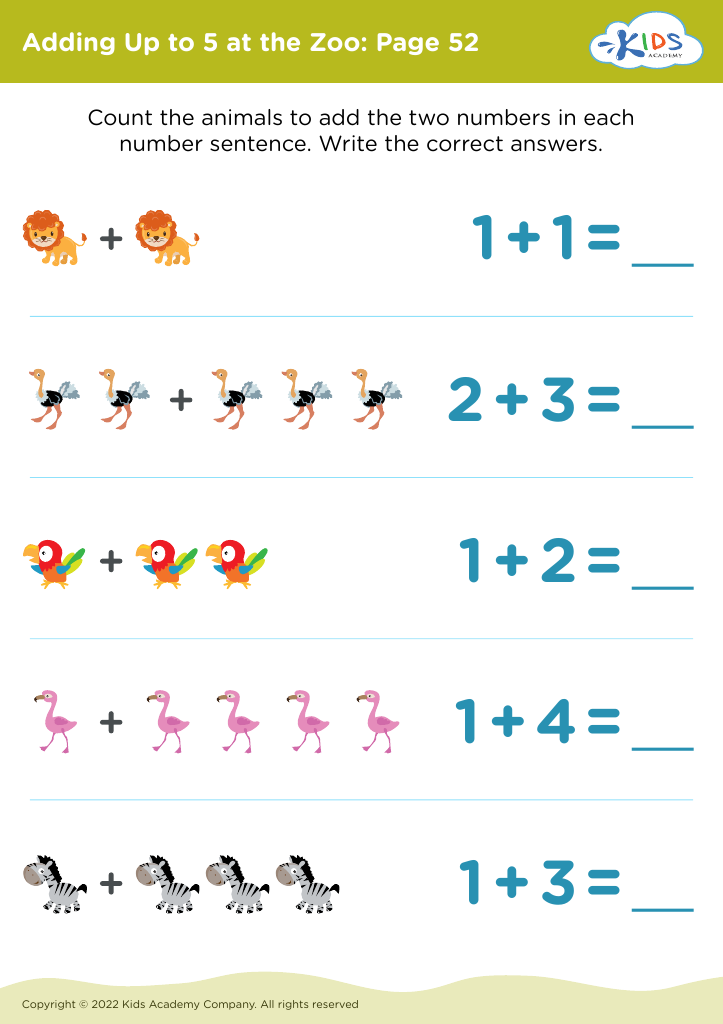
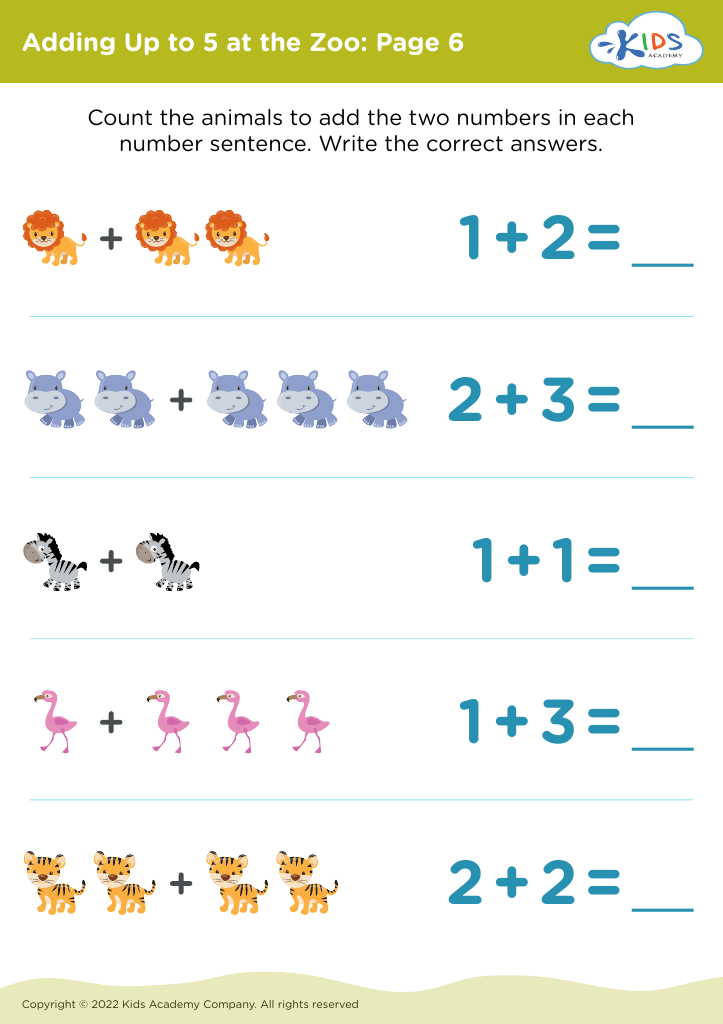
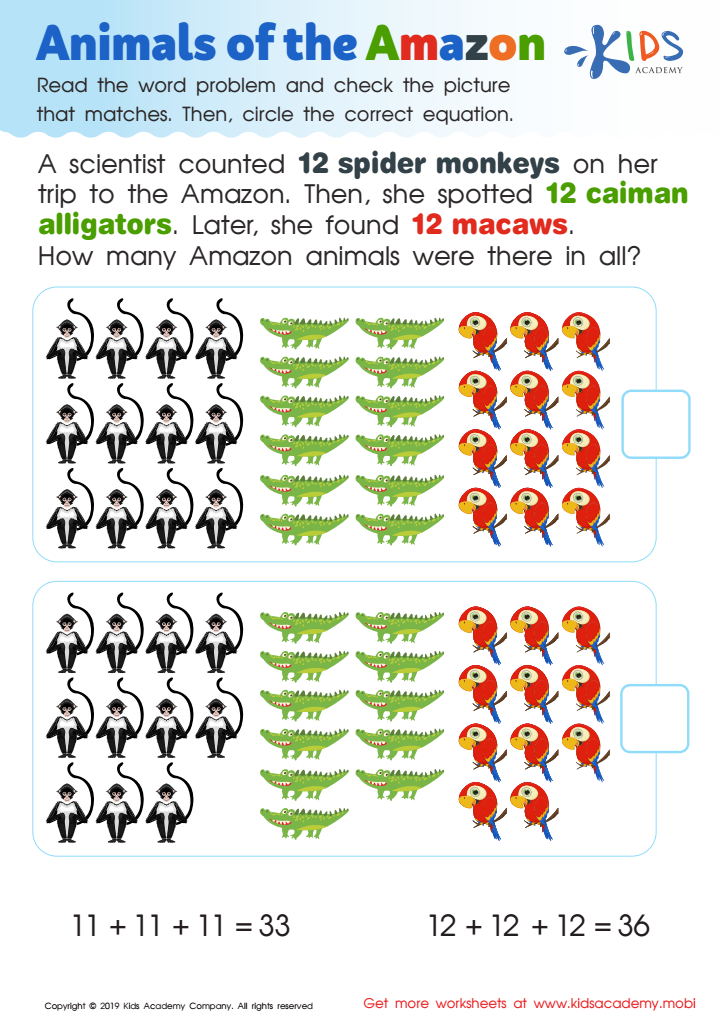
Animals of Amazon Worksheet
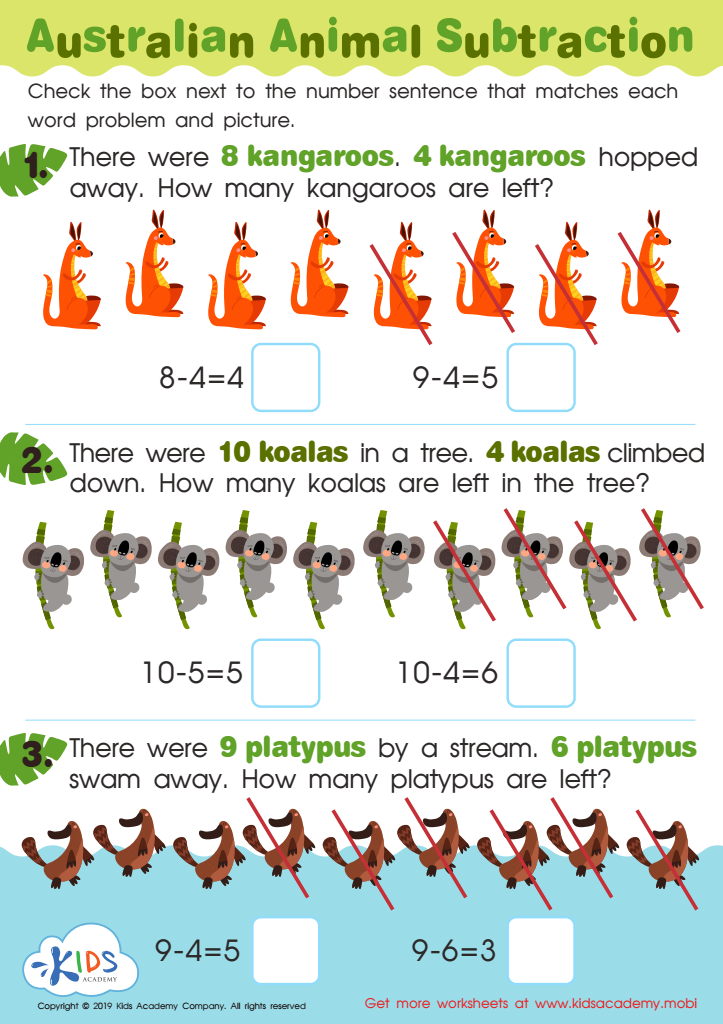
Australian Animal Subtraction Worksheet
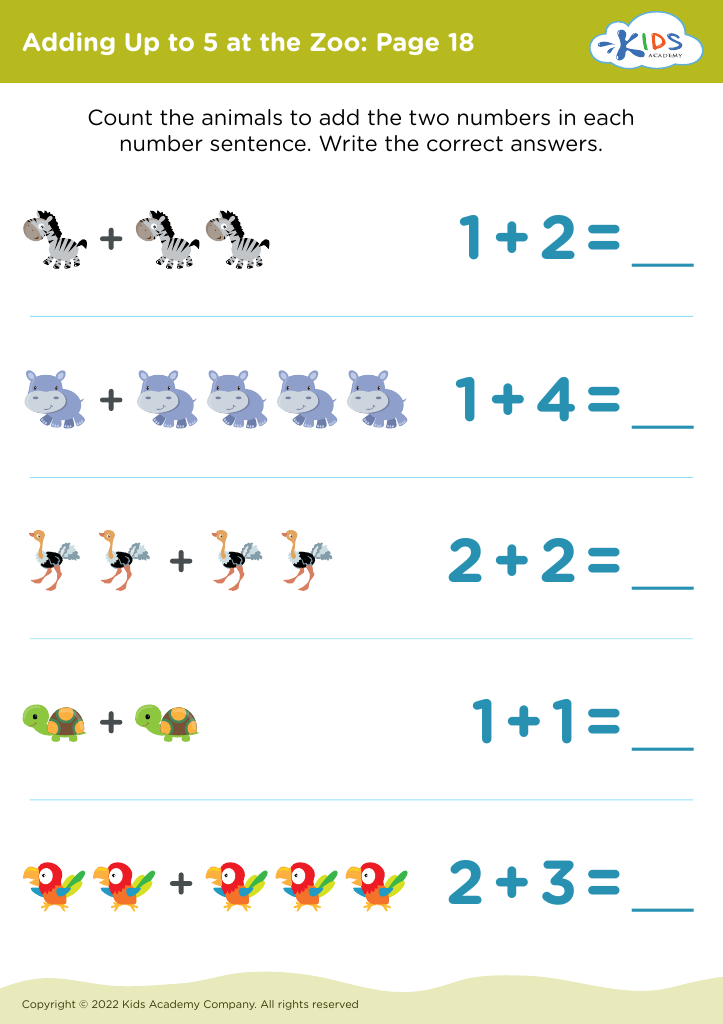
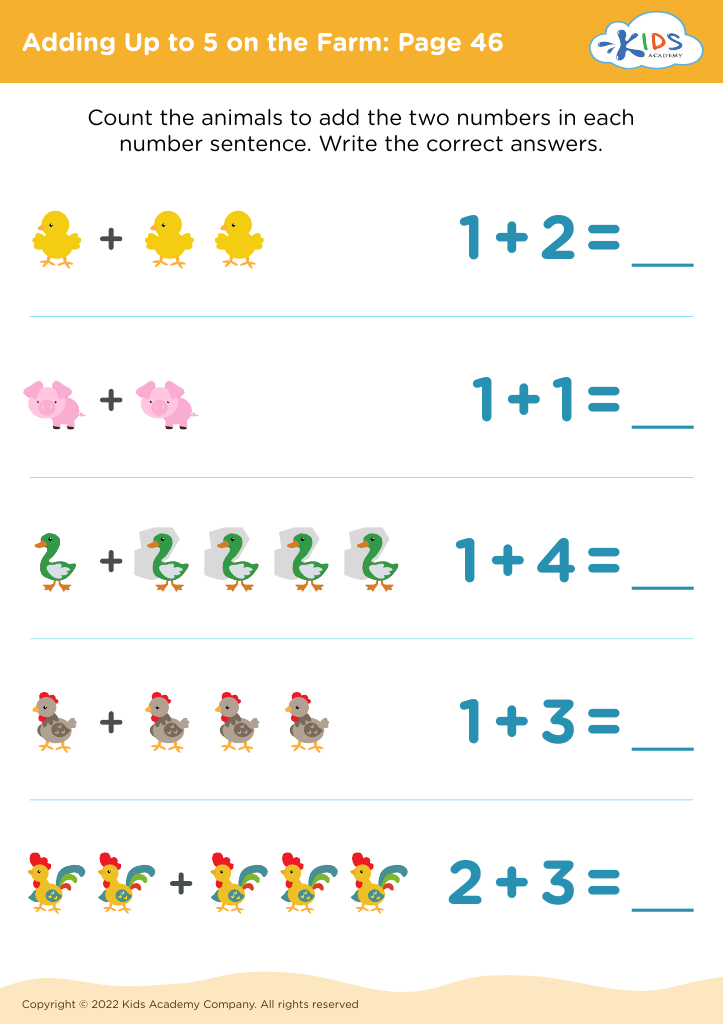
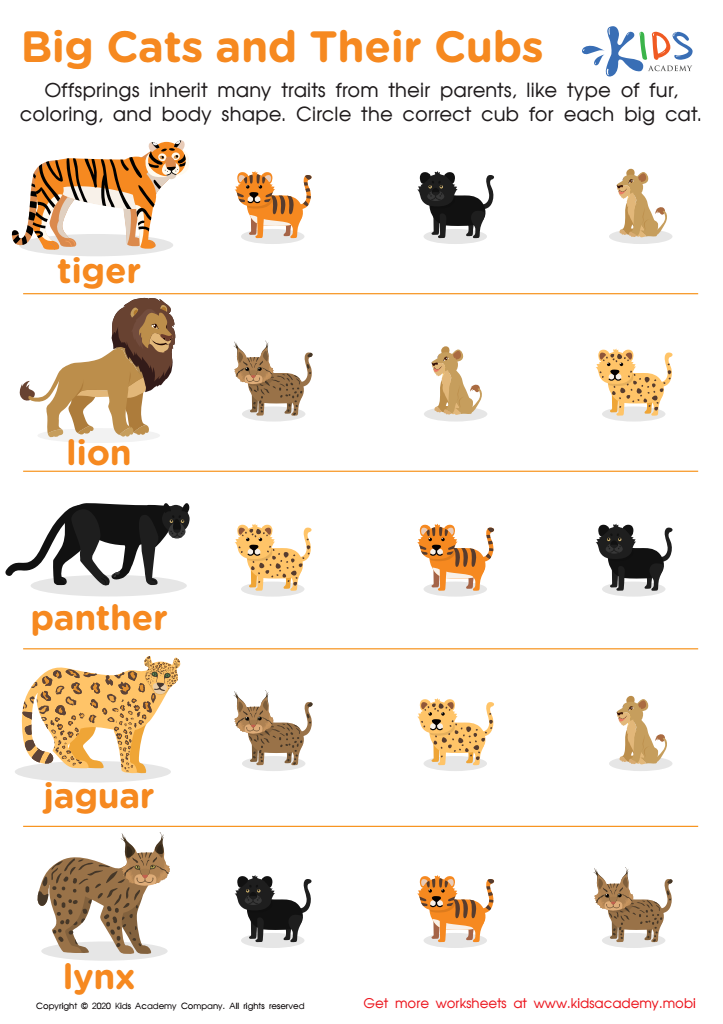
Big Cats and Their Cubs Worksheet
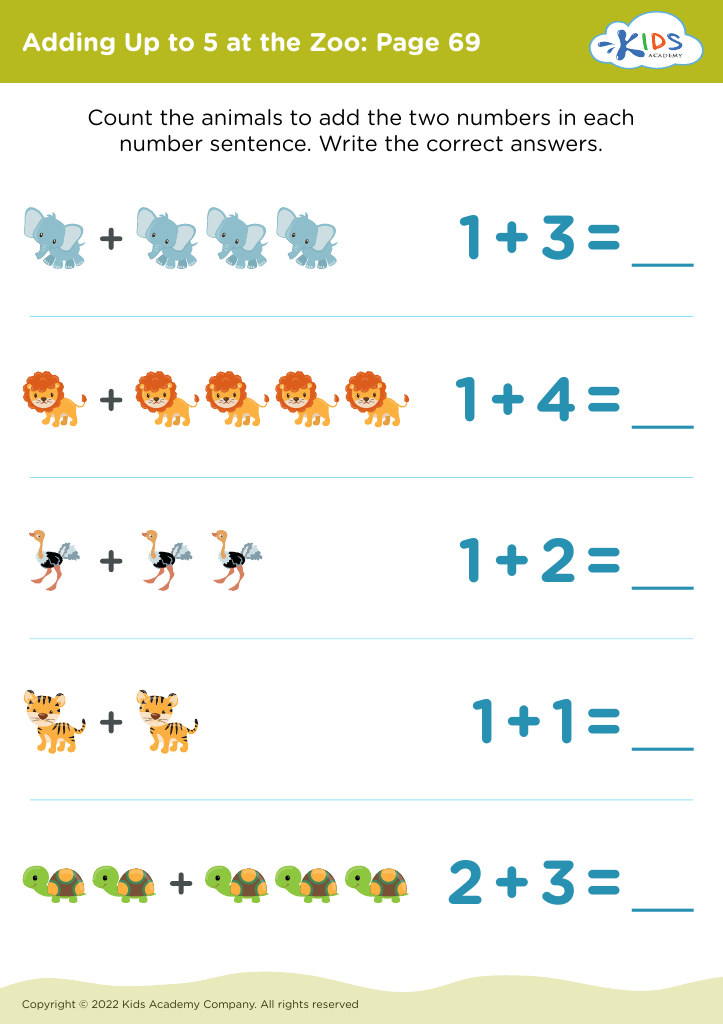
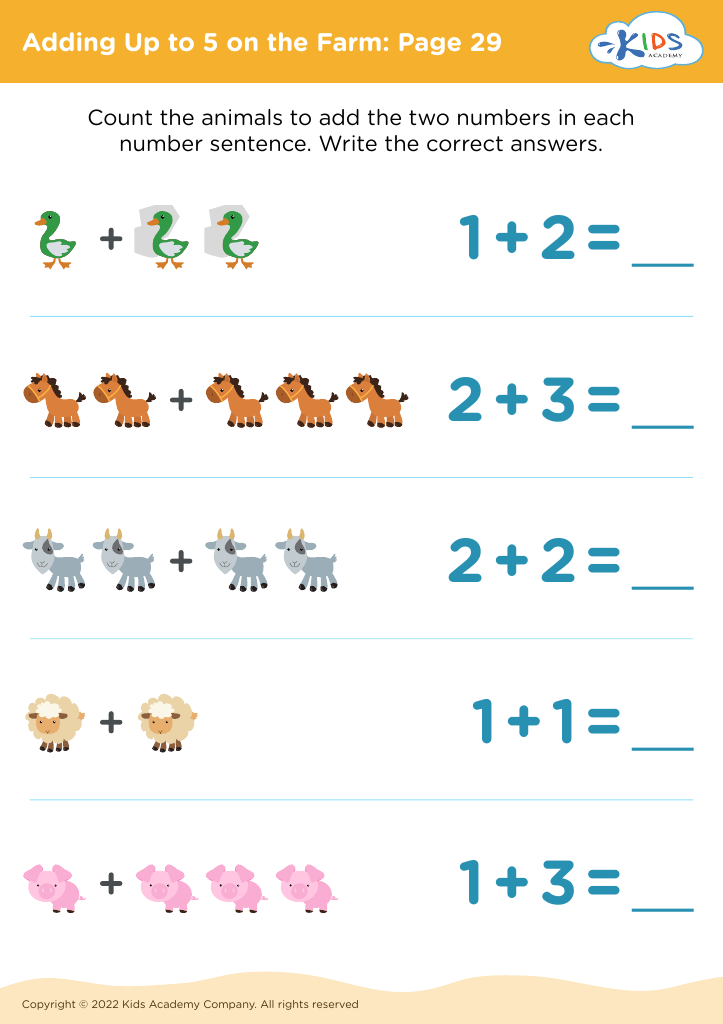
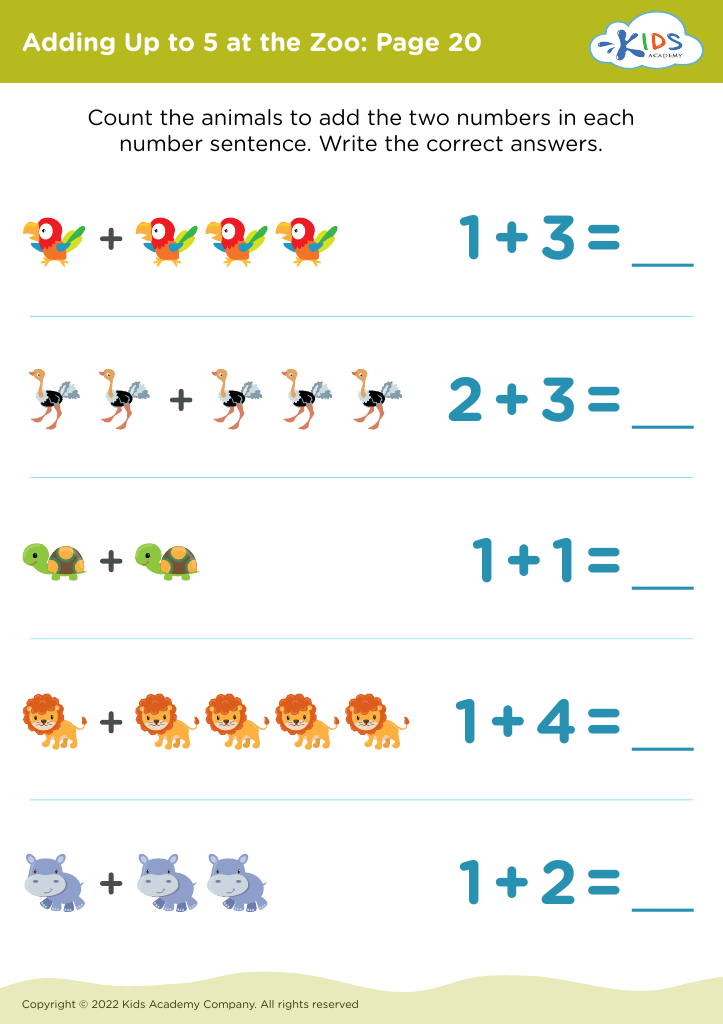
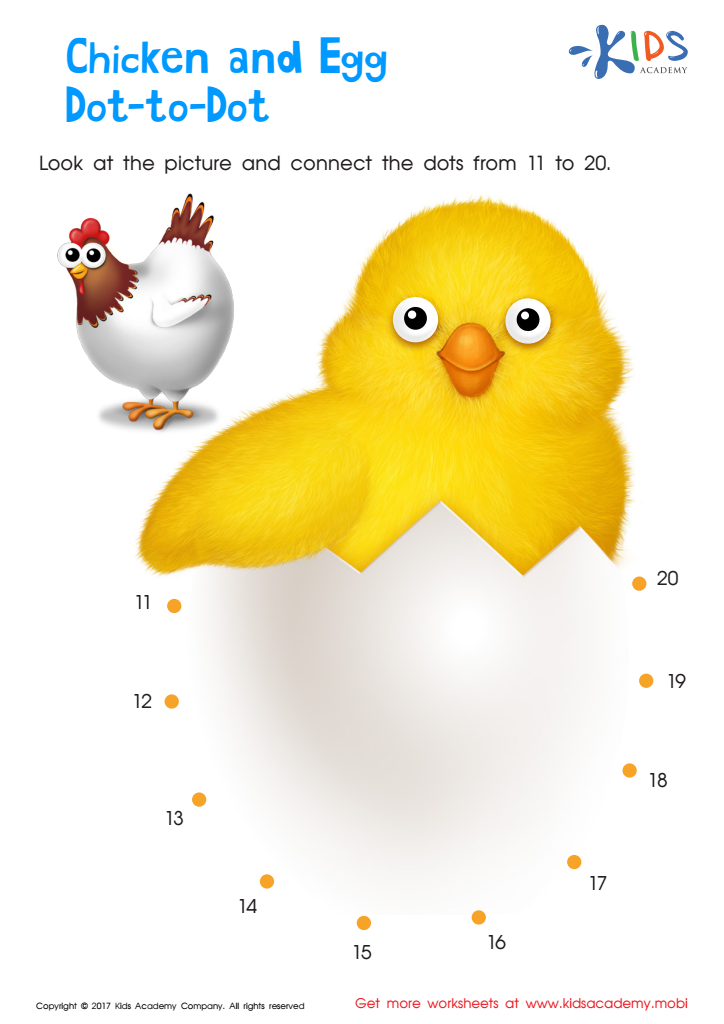
Ordering 11–20: Chicken & Egg Dot–to–dot Worksheet
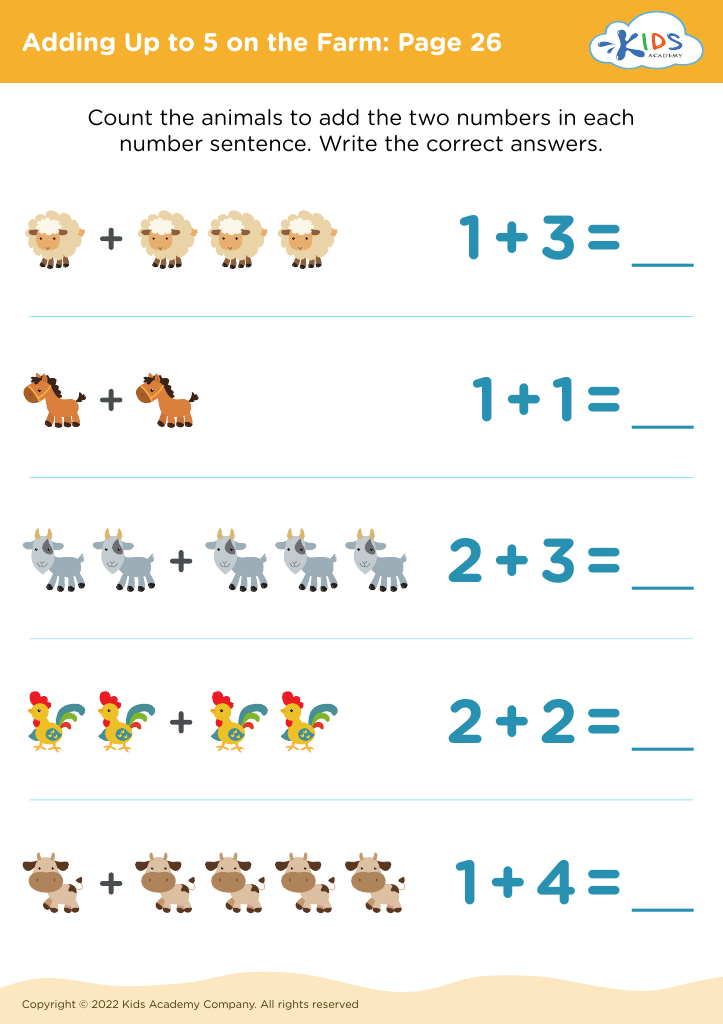
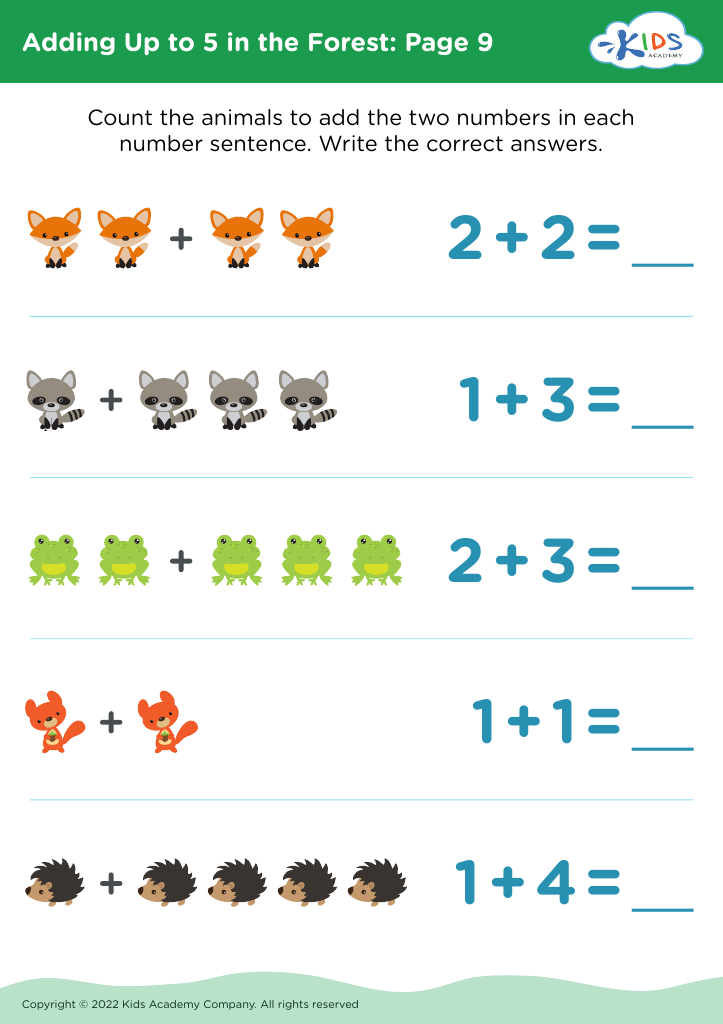
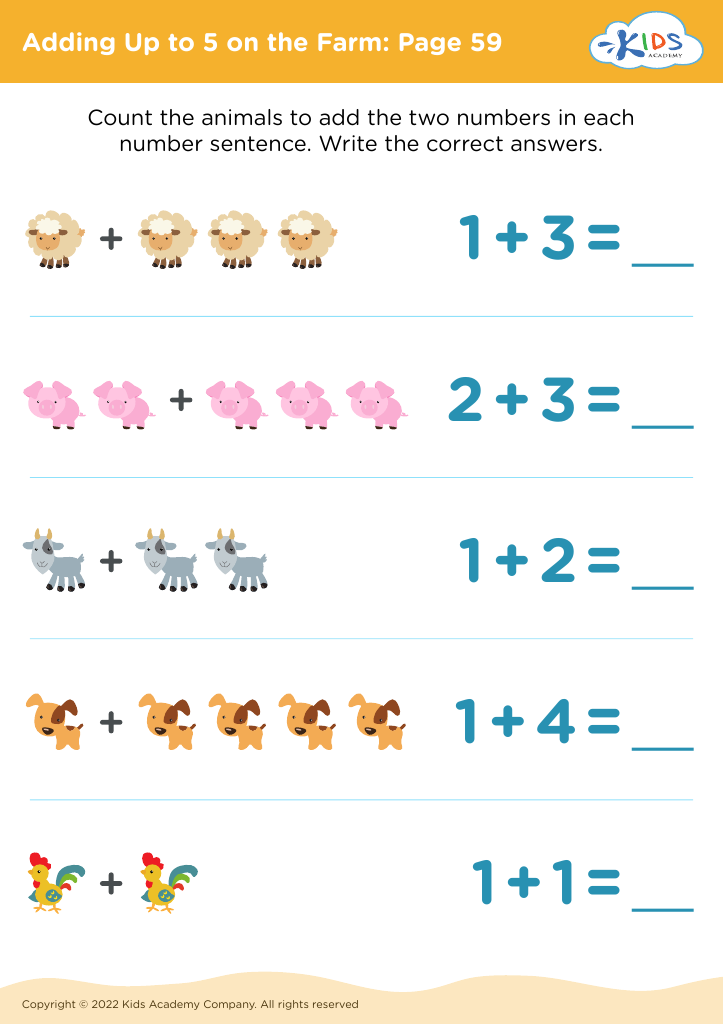
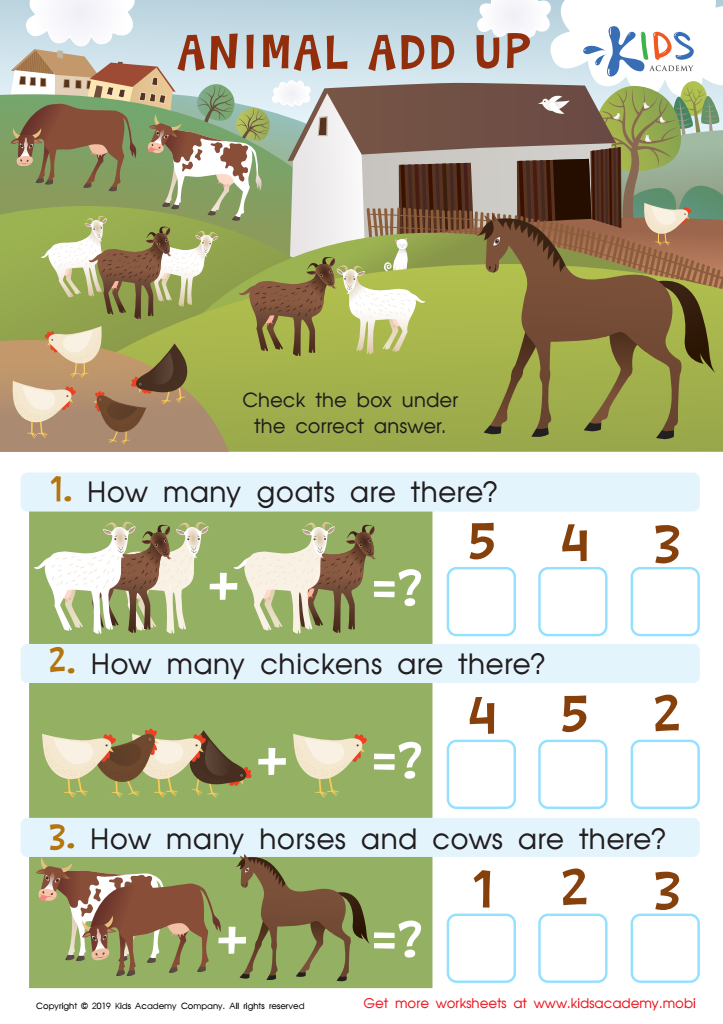
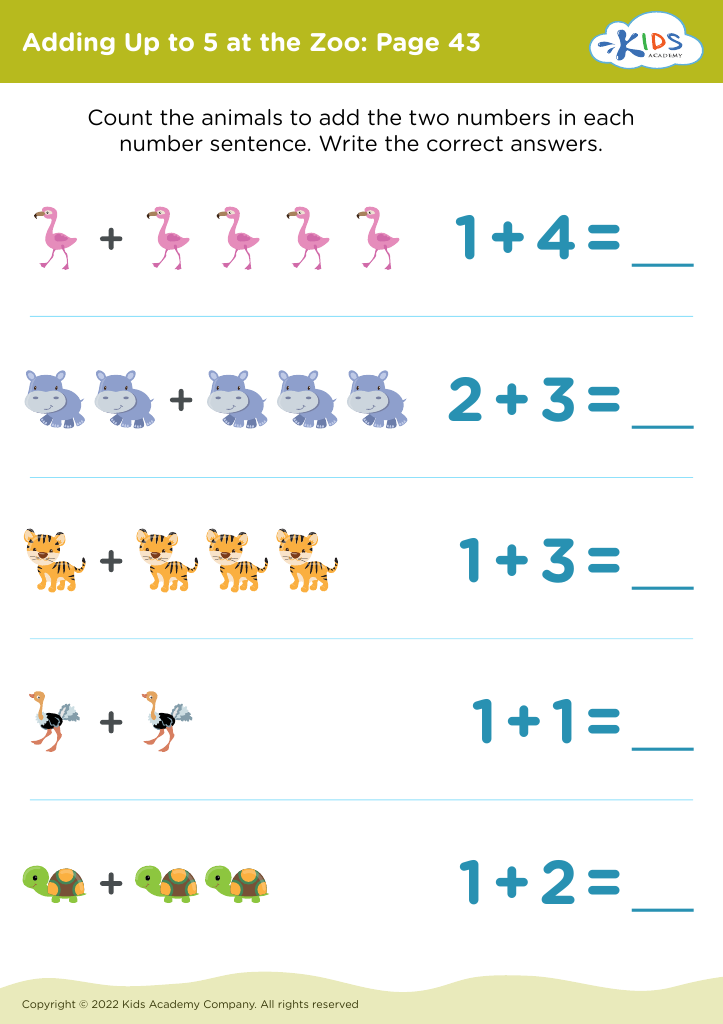
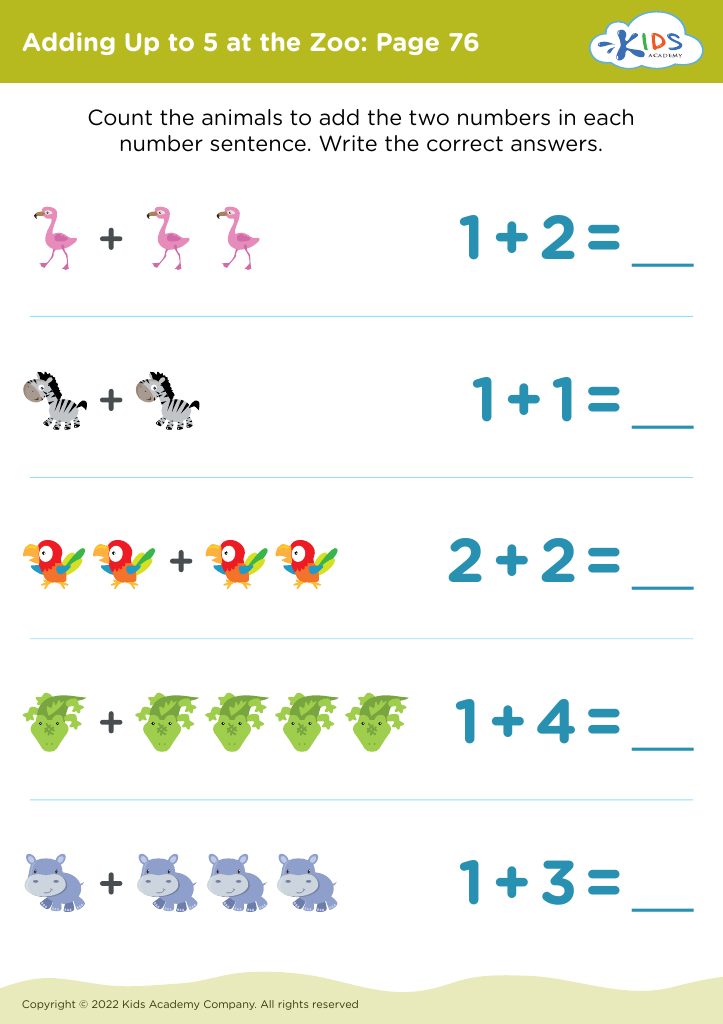
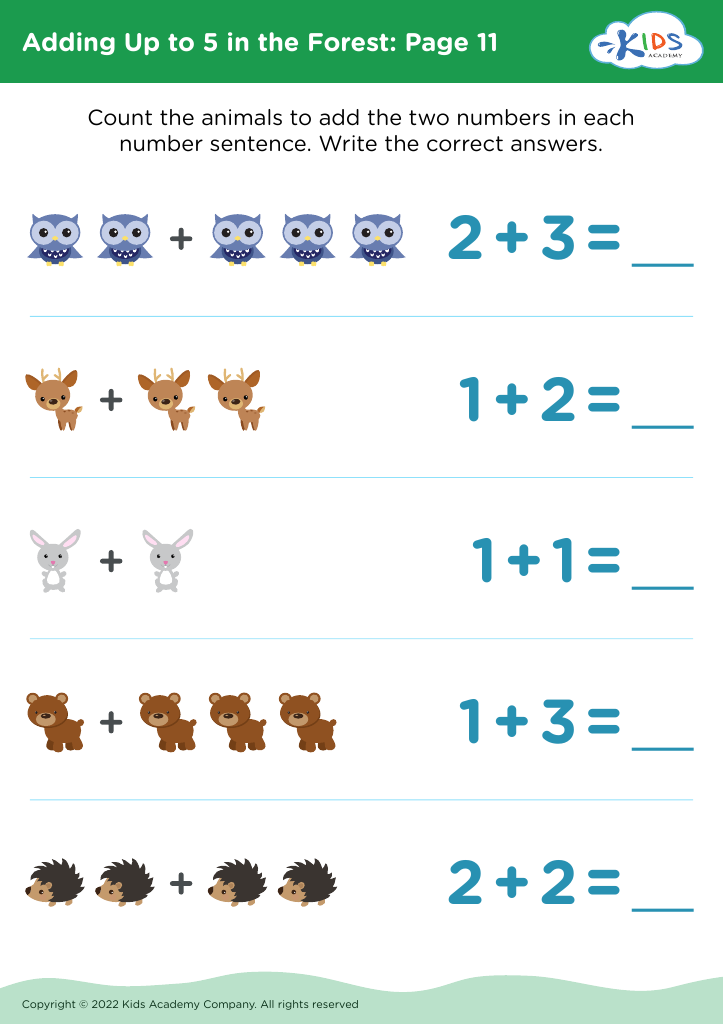
Animal Add Up Worksheet








Animal recognition is an essential skill for children ages 4-8, and both parents and teachers should prioritize its development. First, recognizing different animals enhances children’s cognitive skills, enabling them to learn about biodiversity and ecological concepts. This foundational knowledge encourages curiosity about the natural world and fosters a sense of responsibility towards the environment.
Moreover, animal recognition supports language development. As children learn the names and characteristics of various animals, they expand their vocabulary and improve their ability to communicate ideas efficiently. Discussions about animals also encourage storytelling and imaginative play, enriching children's social and emotional learning.
Furthermore, understanding animals can be beneficial for developing empathy. When children learn about various species and their habitats, they often cultivate a sense of compassion, which is crucial for fostering kindness toward all living beings.
Finally, activities centered around animal recognition, such as visiting zoos or nature reserves, create engaging, hands-on learning experiences. These outings not only provide educational value but also promote bonding moments between parents, teachers, and children.
In summary, prioritizing animal recognition equips young children with vital knowledge, skills, and emotional intelligence that are essential for their overall growth and development.








