Associative learning Worksheets for Ages 4-8
7 filtered results
-
From - To
Enhance your child's cognitive development with our Associative Learning Worksheets for Ages 4-8! Designed to boost memory and reasoning, these interactive worksheets help young learners connect concepts, recognize patterns, and improve problem-solving skills. Our fun and engaging activities span various topics, ensuring a thorough understanding of essential ideas through hands-on practice. Available for easy download and print, these resources are perfect for both classroom and home learning environments. Support your child's educational journey and foster a love for learning with our expertly crafted associative learning materials! Visit Kids Academy for a comprehensive selection of worksheets tailored to young minds.
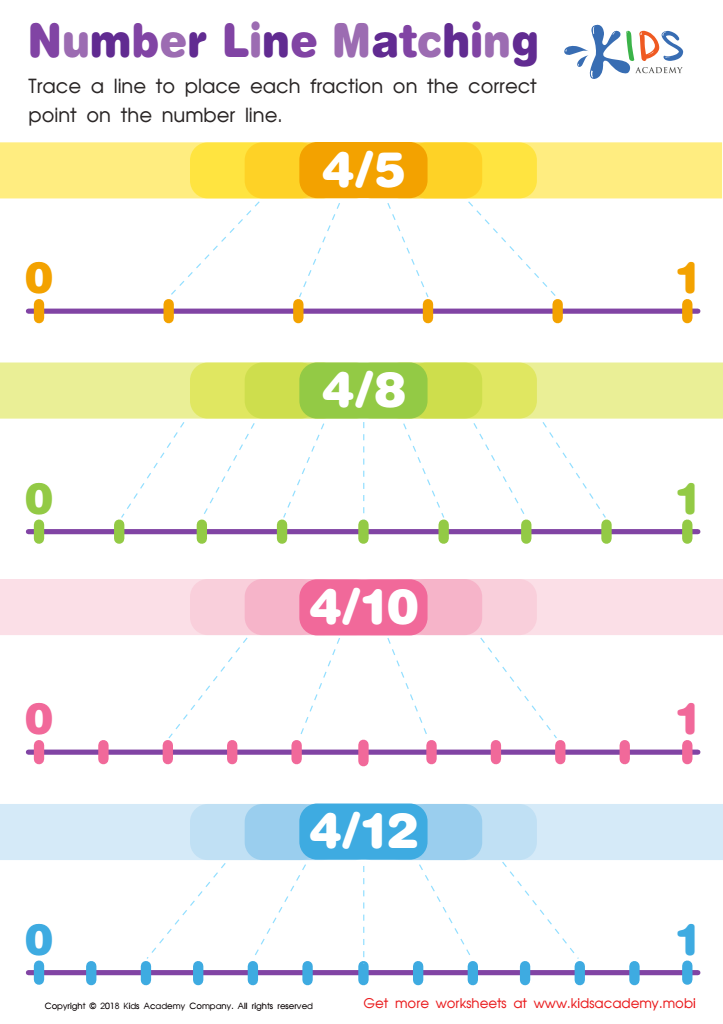
Number Line Matching Worksheet
 Assign to My Students
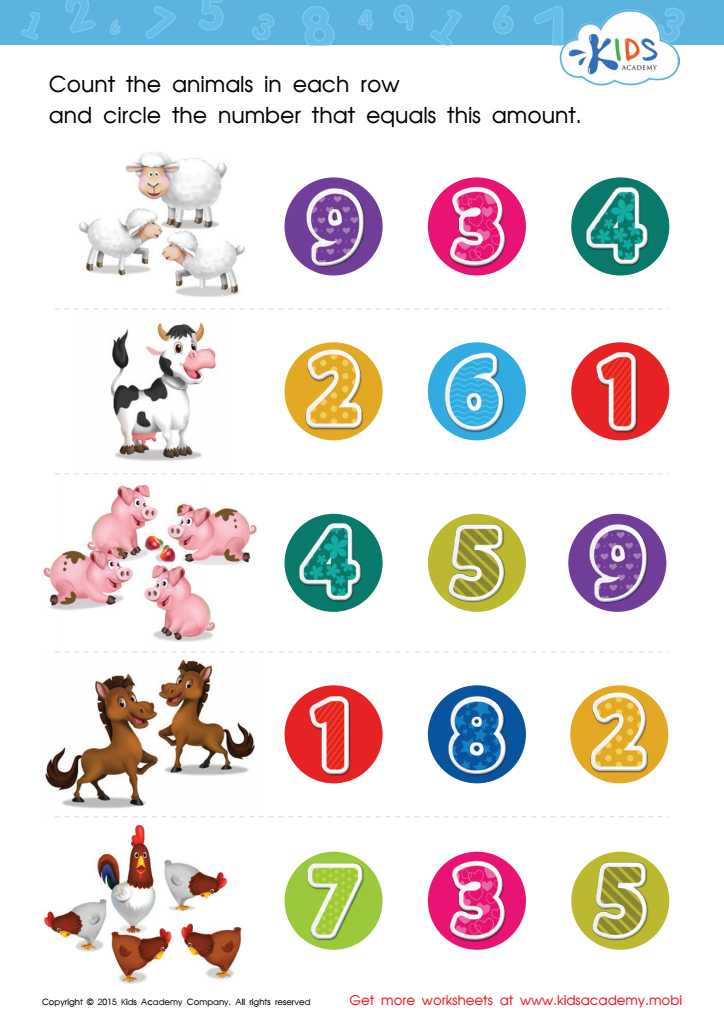
Count and Match 1 – 5 Math Worksheet
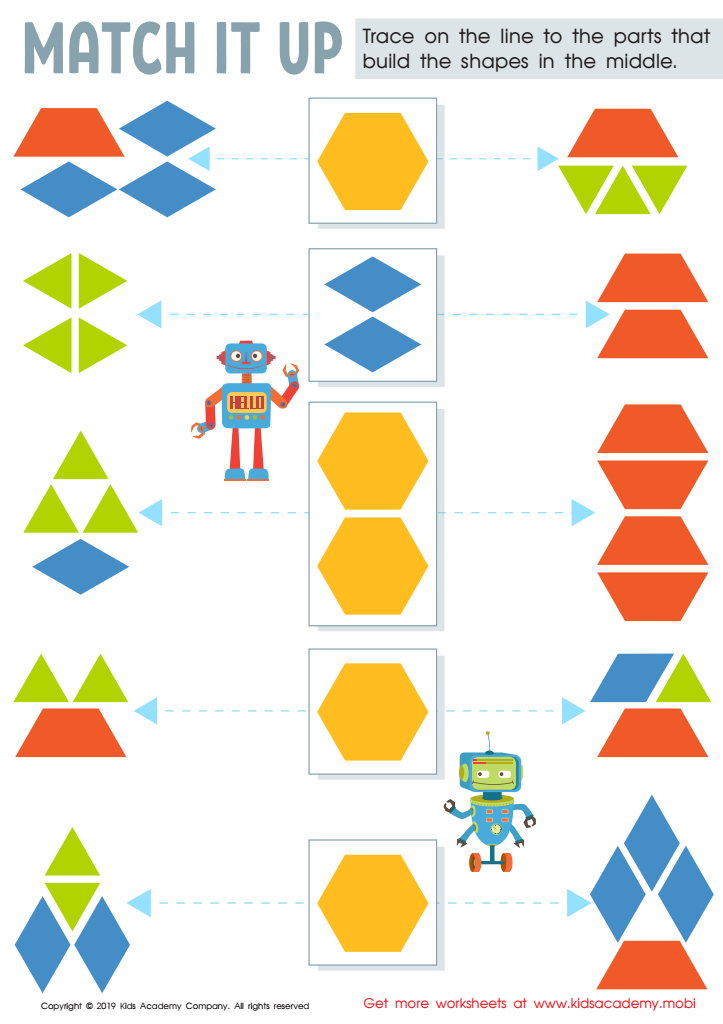
Match It up Worksheet
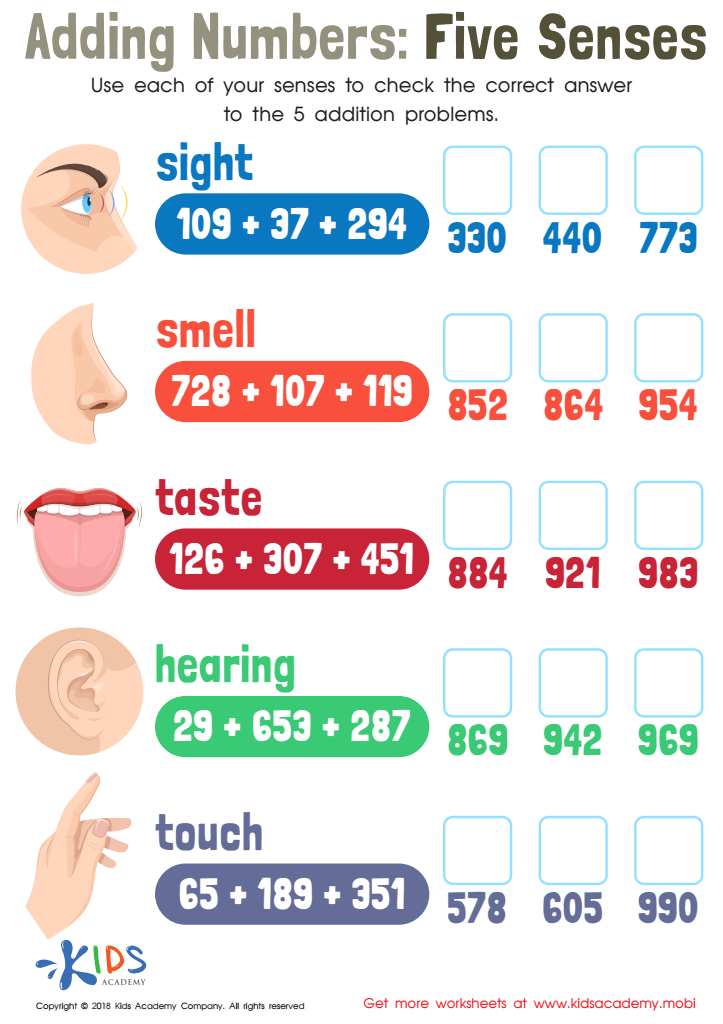
Adding Numbers: Five Senses Worksheet
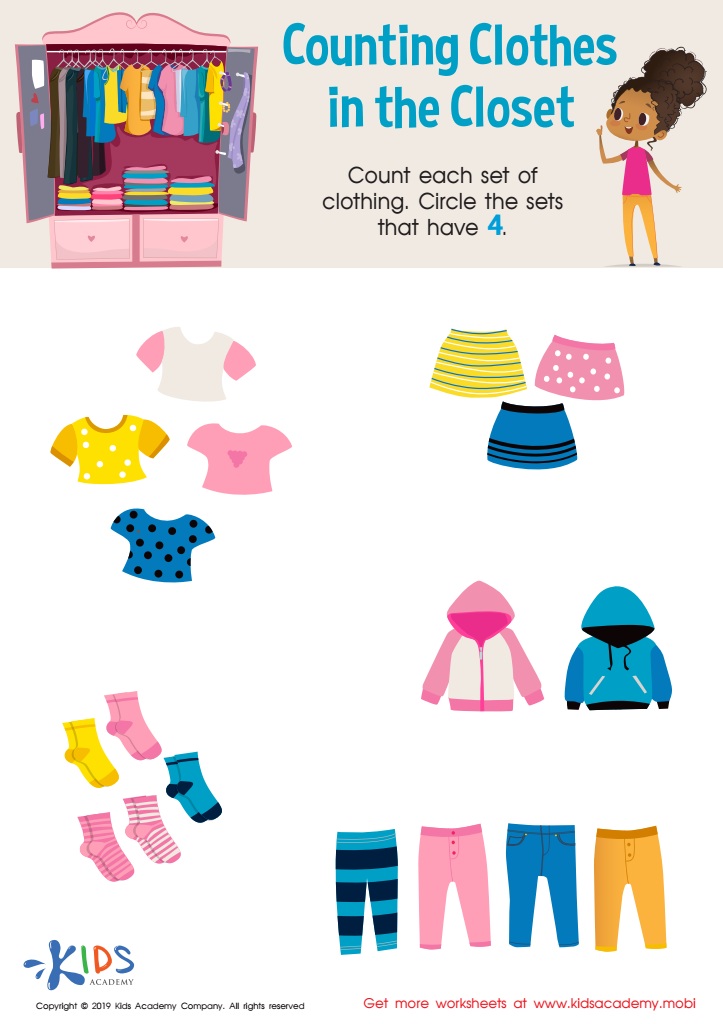
Counting Clothes Worksheet
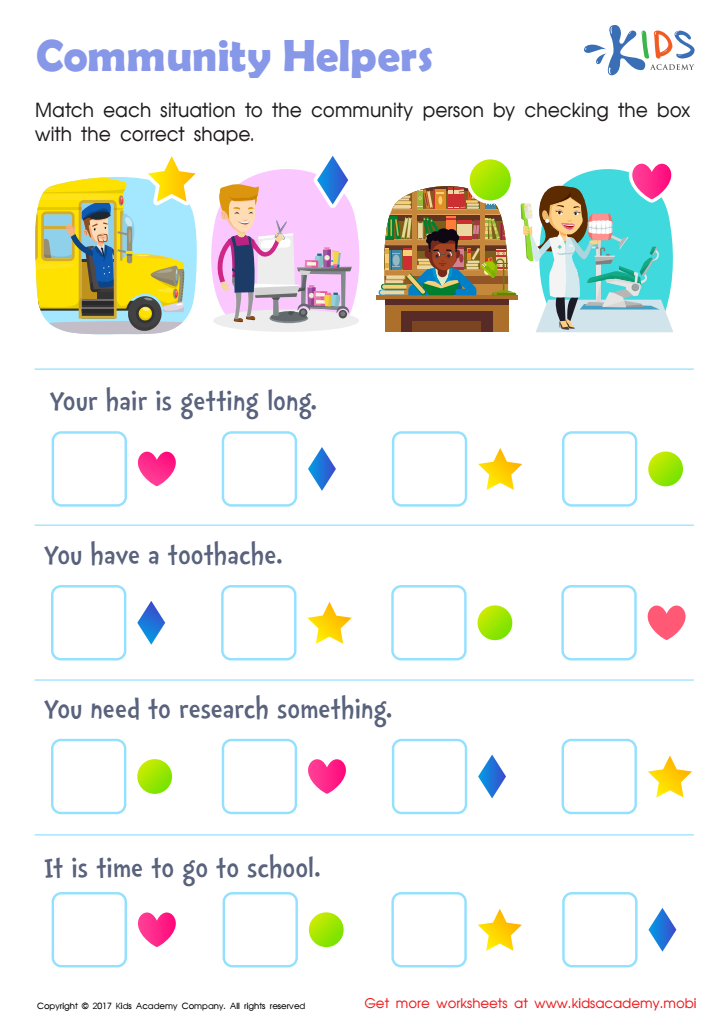








Associative learning—for ages 4-8—is vital and should be a primary concern for both parents and teachers because it lays the foundation for a child's cognitive and social development. At these early stages, children's brains are developing rapidly, making them especially receptive to forming associations between events, behaviors, and consequences. Through associative learning, children begin to understand cause-and-effect relationships. For example, they learn that sharing toys leads to positive social interactions, while not sharing may lead to conflict. This understanding helps them navigate social contexts effectively.
Additionally, associative learning enhances memory development. When children link new information with known concepts, it becomes easier for them to recall and build upon their existing knowledge. For instance, associating the letter "A" with the apple image aids in retaining alphabet recognition skills.
Moreover, associative learning involves sensory experiences that foster neurological growth. Engaging multiple senses—such as sight, sound, and touch—during learning activities can deepen understanding and retention. Activities like singing alphabet songs or cooking can introduce mathematical concepts through enjoyable, tangible experiences.
Overall, when caregivers and educators prioritize associative learning, they help cultivate adaptable thinkers and socially aware individuals, setting a robust foundation for lifelong learning and personal growth.








