Comprehension development Worksheets for Ages 4-8
3 filtered results
-
From - To
Enhance your child's reading skills with our Comprehension Development Worksheets designed for ages 4-8! These engaging and interactive worksheets are perfect for improving understanding and critical thinking. Crafted to cater to various learning styles, each activity focuses on key comprehension skills, including identifying main ideas, making inferences, and predicting outcomes. Our colorful graphics and age-appropriate content keep young learners engaged while building essential literacy skills. Perfect for use at home or in the classroom, these worksheets provide a fun way for children to practice and develop their comprehension abilities, setting the foundation for a lifelong love of reading. Explore our collection today!
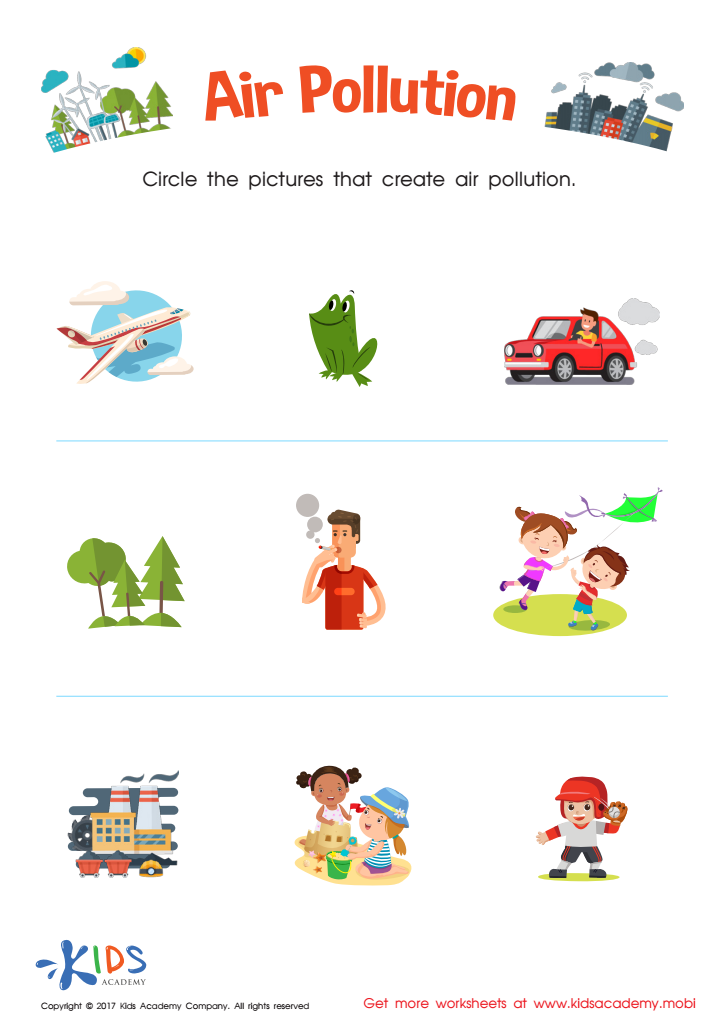
Air Pollution Worksheet
 Assign to My Students
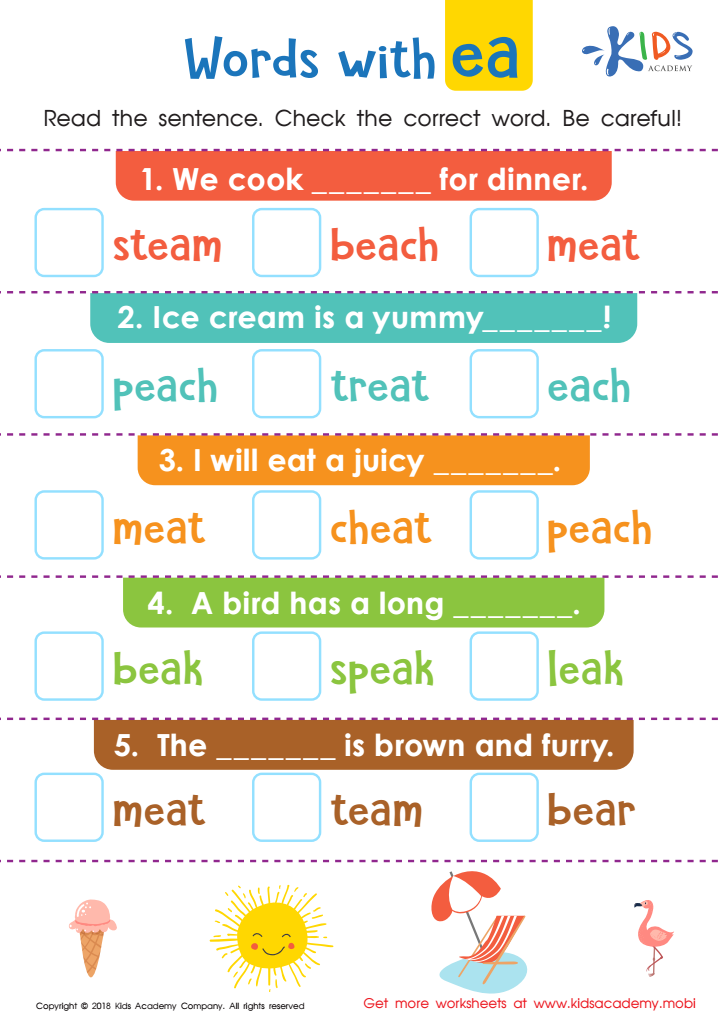
Words with ea Worksheet
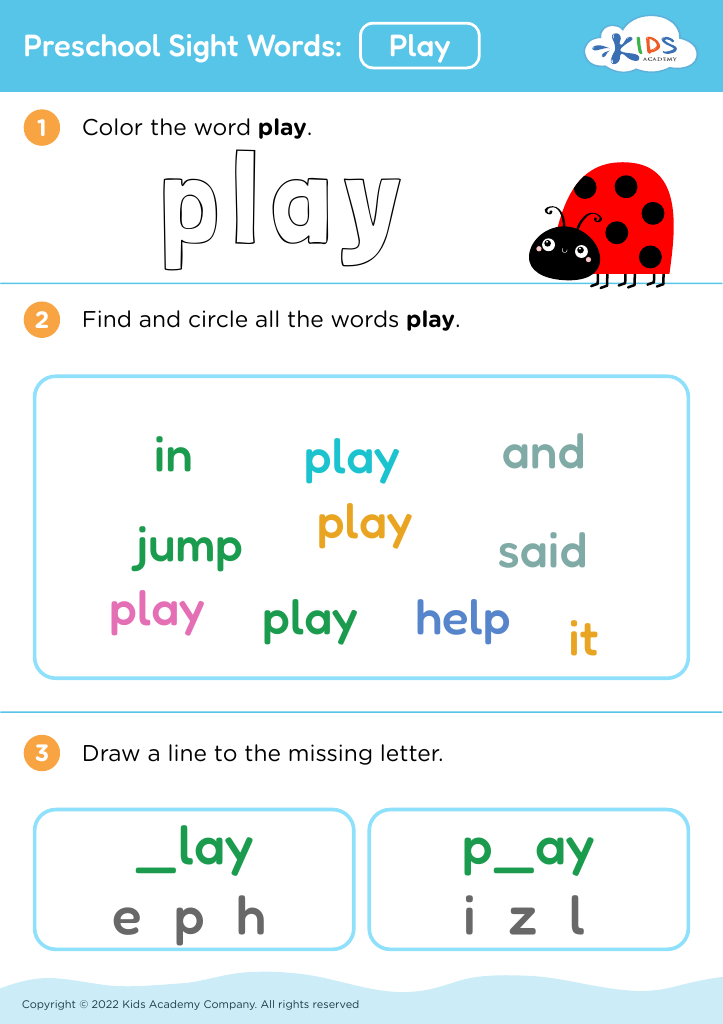







Comprehension development is crucial for children aged 4-8, as it lays the foundation for their future academic success and overall literacy. During these early years, children engage in their initial experiences with reading, which greatly influences their ability to understand and interpret texts. When parents and teachers prioritize comprehension, they help children develop critical thinking skills, enhance their vocabulary, and foster a love for learning.
In these formative years, children are learning to make connections between the text and their experiences, which aids in building context. Supporting comprehension also encourages children to ask questions, make predictions, and derive meaning from various narratives, laying the groundwork for more complex reading when they encounter more challenging texts.
Furthermore, strong comprehension skills are linked to better performance in all subjects. Children who understand content are more likely to engage meaningfully in discussions and grasp concepts. Parents and teachers can nurture comprehension through interactive read-aloud sessions, asking open-ended questions, and encouraging dialogue about stories. Ultimately, fostering comprehension development in young learners not only enhances academic ability but also cultivates lifelong learners capable of critical analysis and emotional understanding. This investment in early education is essential for their personal and academic growth.








