
Develop fine motor skills Worksheets for Ages 4-8
13 filtered results
Difficulty Level
Grade
Age
-
From - To
Subject
Activity
Standards
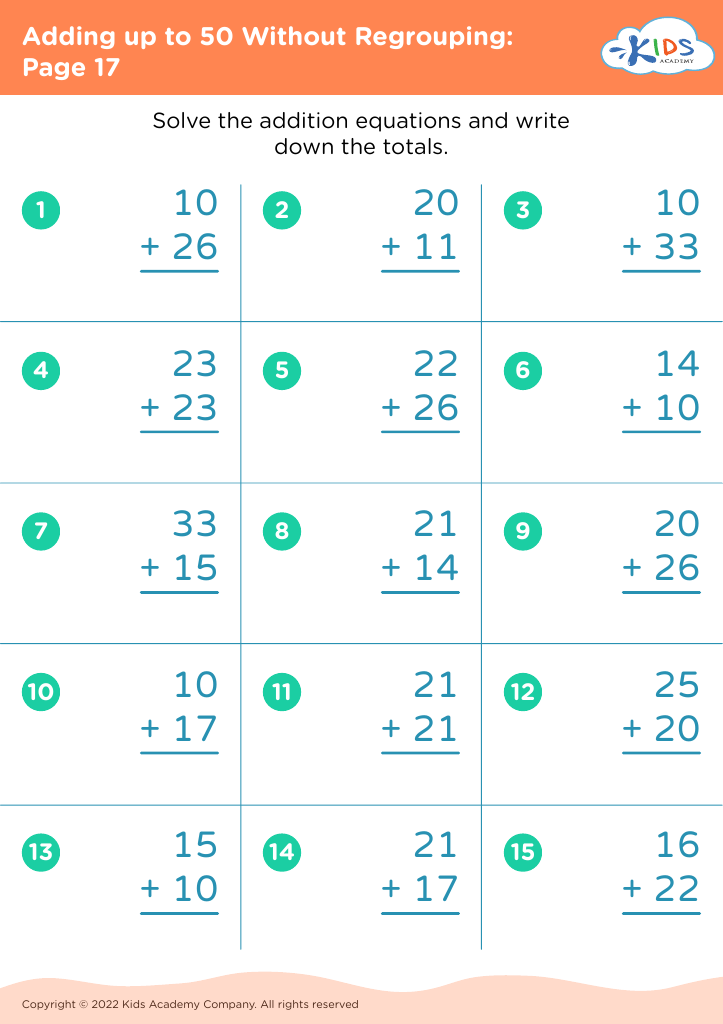
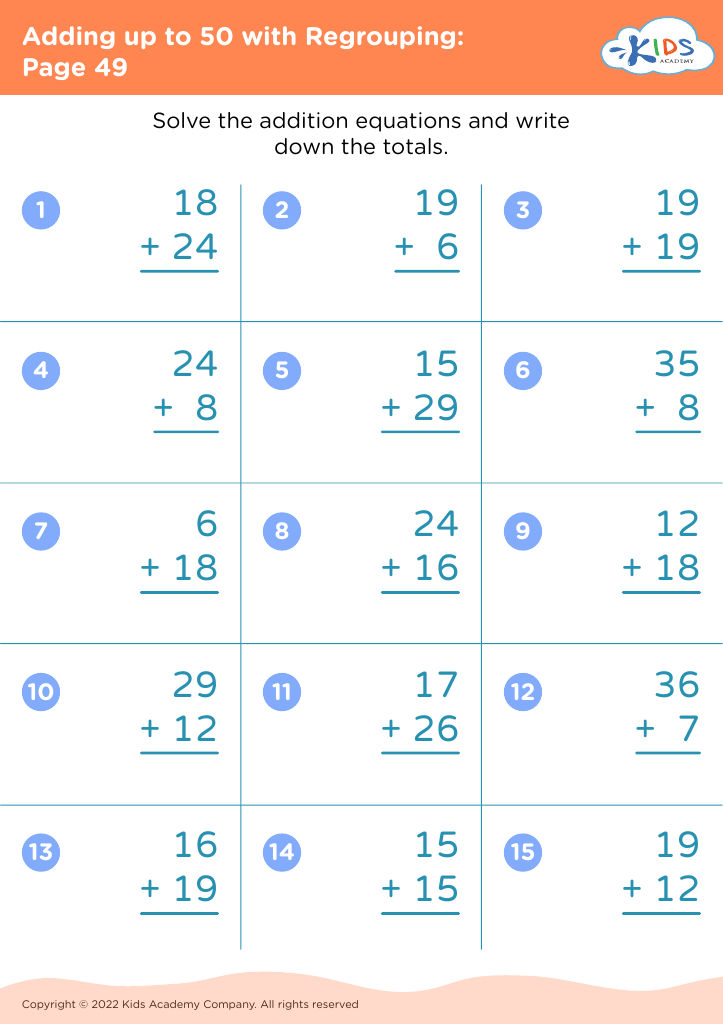
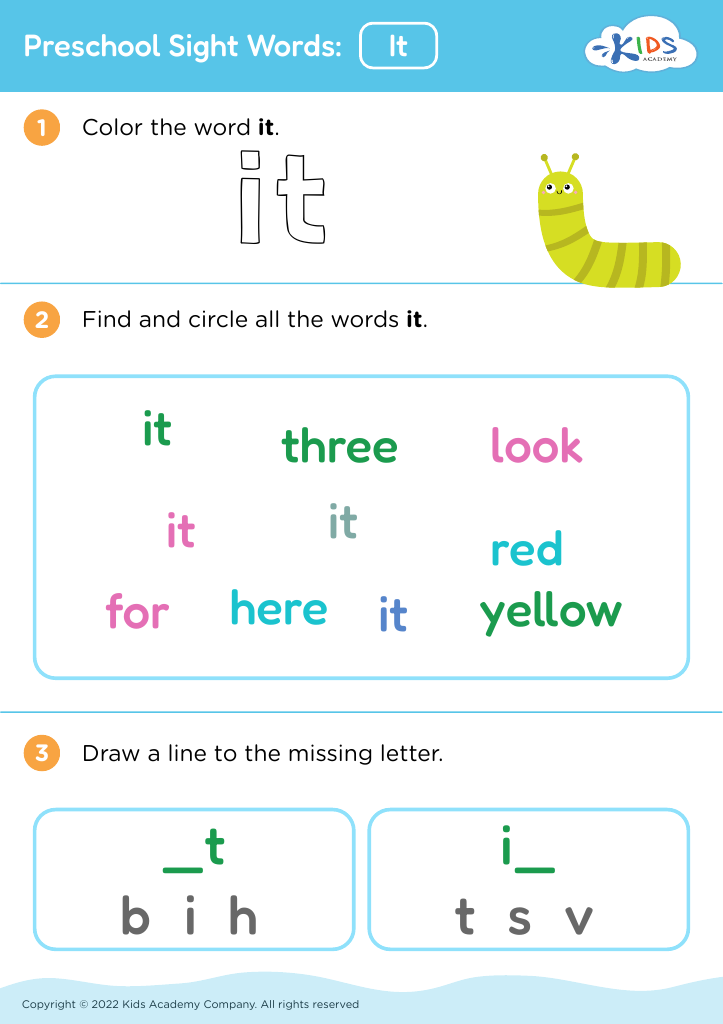
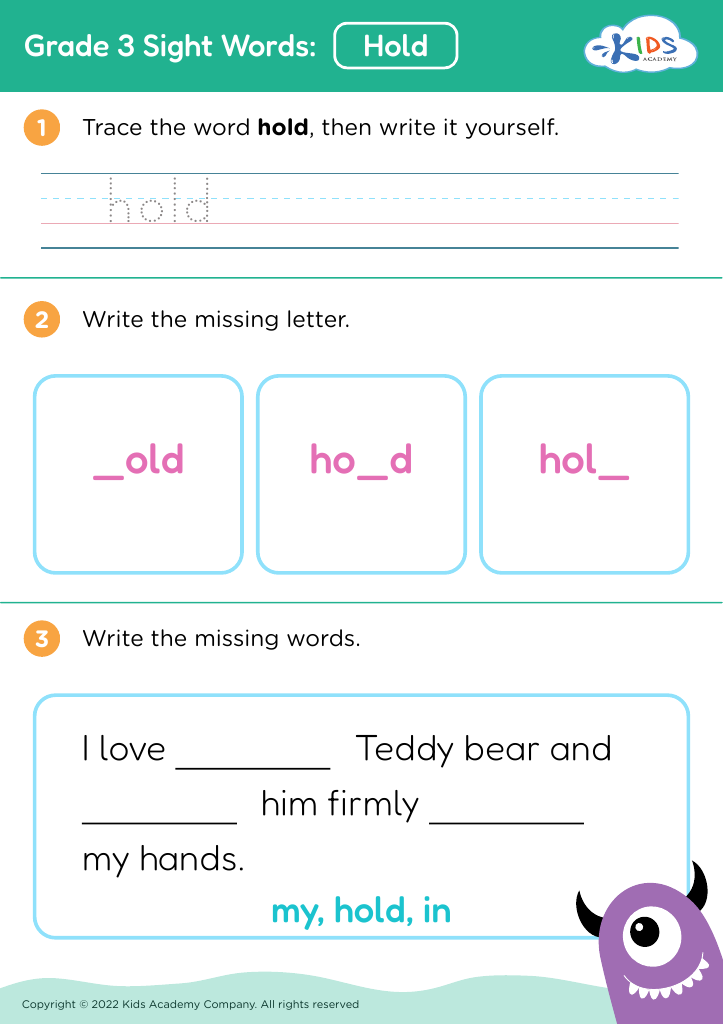
Enhance your child's fine motor skills with our specially-designed worksheets for ages 4-8. These engaging activities focus on improving hand-eye coordination, dexterity, and control, essential for everyday tasks and academic success. Featuring fun tracing, cutting, and coloring tasks, our worksheets keep young minds entertained while fostering developmental progress. Tailored to meet educational standards, our resources offer a comprehensive approach to skill-building through play. Perfect for parents, teachers, and caregivers, these printable worksheets provide an easy and effective method to boost your child's confidence and competence. Explore our collection to give your child the tools needed for future success!
Favorites
With answer key
Interactive
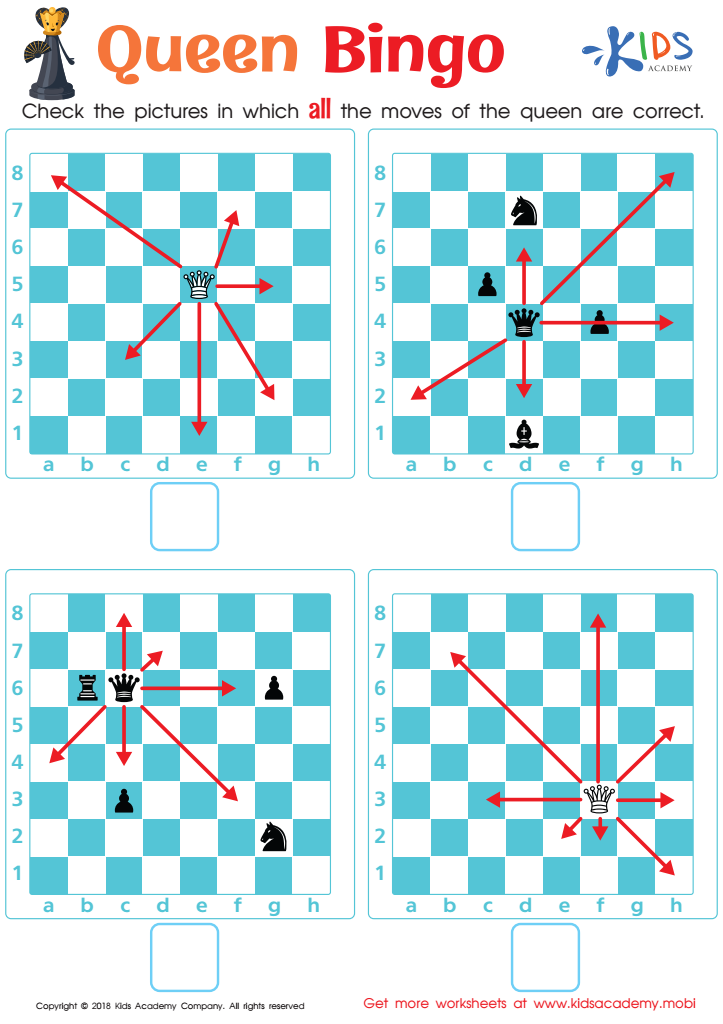
Queen Bingo Worksheet
Test your child's knowledge of chess rules and moves with this free worksheet! Kids look at four pictures and must decide if the queen moves are correct. This exercise helps hone your little one's chess skills!
Queen Bingo Worksheet
Worksheet

Connecting the Monster's Socks Printable
The cute monster did some washing yesterday, but now he can't put his socks back together! Children must focus on the color and pattern to make the right matches, improving their cognitive and fine motor skills. Get more educational games by Kids Academy!
 Assign to My Students
Connecting the Monster's Socks Printable
Worksheet
Join Kids Academy for Free
Who is primarily going to use this learning content?








Parents and teachers should prioritize the development of fine motor skills in children ages 4-8 because these skills are crucial for a child’s overall growth and future success. Fine motor skills involve the small muscles in the hands and fingers, essential for performing everyday tasks like writing, buttoning clothes, and using utensils. Strengthening these muscles enhances hand-eye coordination, dexterity, and precision, all of which are foundational for academic and practical activities.
Building fine motor skills prepares children for school by enabling them to hold pencils correctly, cut with scissors, and manipulate small objects. This, in turn, supports learning in other areas, such as math and science, where tasks may involve sorting objects or using tools. Effective development in this area also fosters independence and confidence, as children are better able to complete tasks autonomously.
Moreover, engaging in activities that enhance fine motor skills, such as drawing, crafts, or playing with building blocks, promotes creativity and problem-solving. It also allows for better cognitive development through tactile and spatial awareness. Ensuring strong fine motor skills lays a robust foundation for higher-level skills required throughout a child's educational journey and everyday life, making it an indispensable aspect of early childhood development.








