Developing spatial awareness Worksheets for Ages 4-8
3 filtered results
-
From - To
Welcome to our interactive space dedicated to "Developing Spatial Awareness Worksheets for Ages 4-8"! These thoughtfully designed worksheets aim to enhance young children's understanding of space and relationships through engaging activities. Perfect for both home and classroom settings, our resources focus on essential skills, including shape recognition, positional language, and visual discrimination. By exploring fun exercises, kids will cultivate essential cognitive abilities that lay the groundwork for mathematics and problem-solving. With vibrant illustrations and age-appropriate tasks, our worksheets ensure a delightful learning experience. Start your child’s journey to spatial mastery today – because developing these skills early sets the stage for future success!
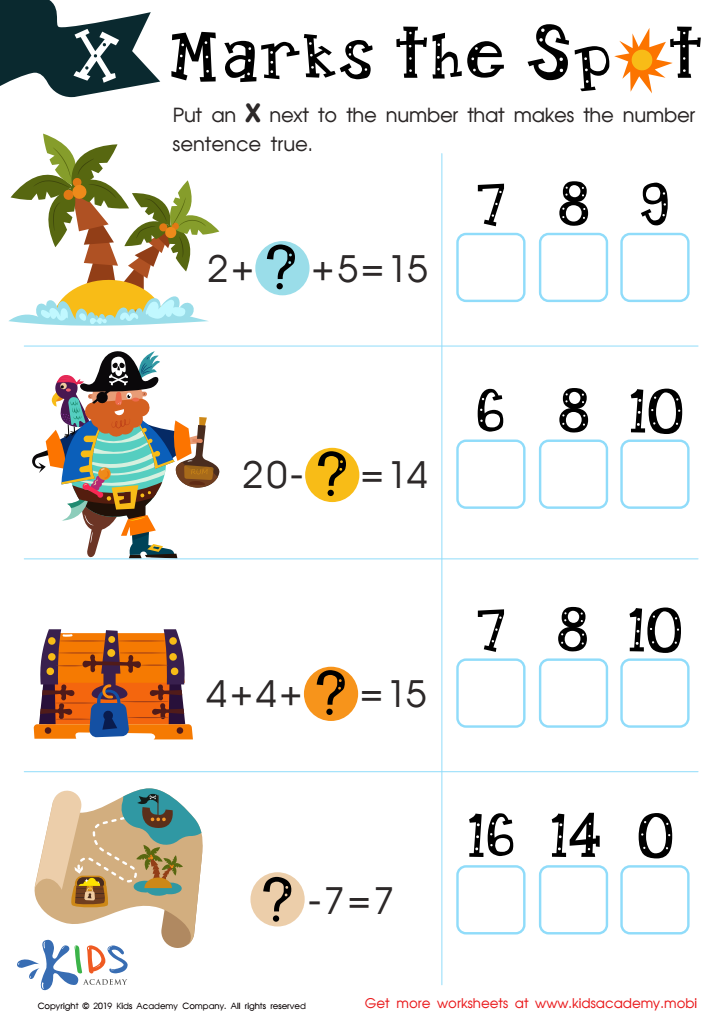
X Marks the Spot Worksheet
 Assign to My Students
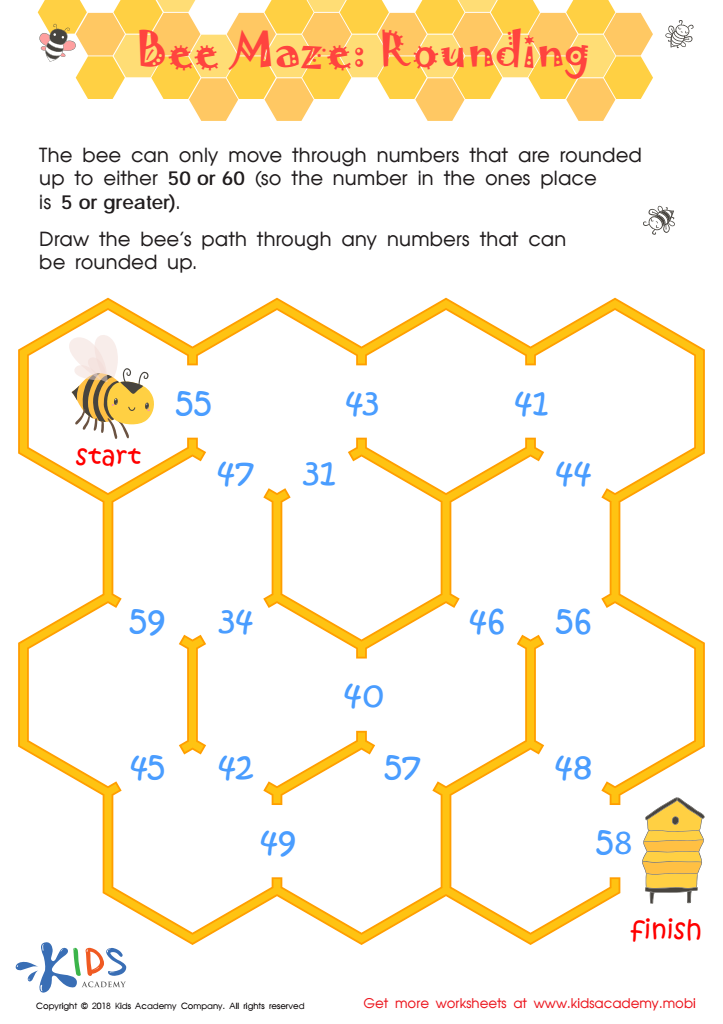
Bee Maze Rounding Worksheet
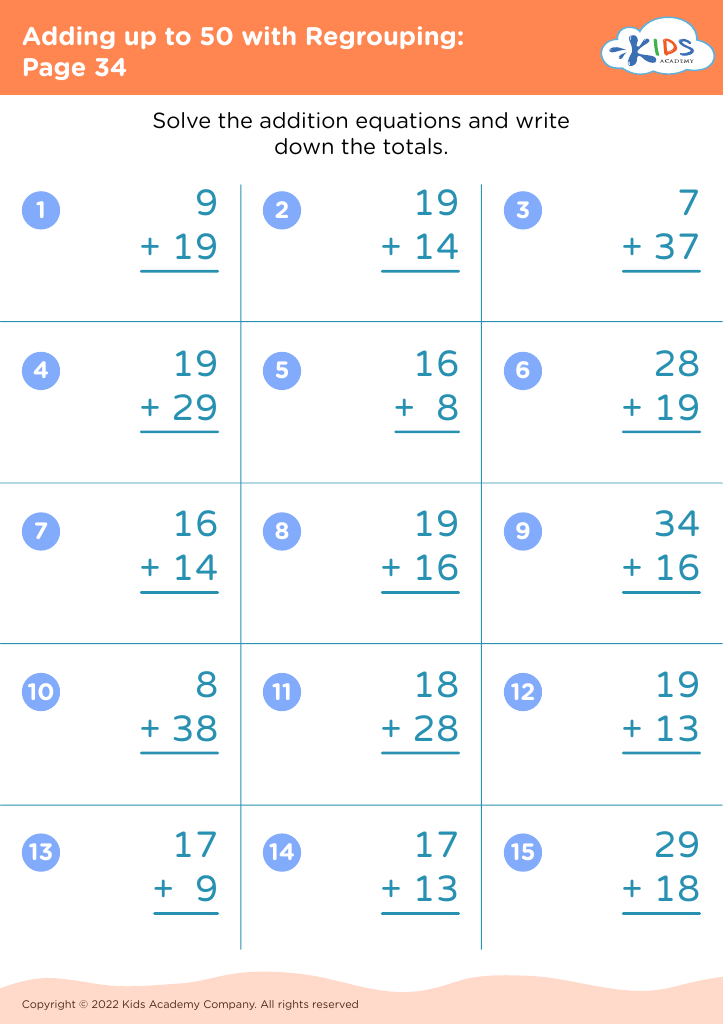





.jpg)
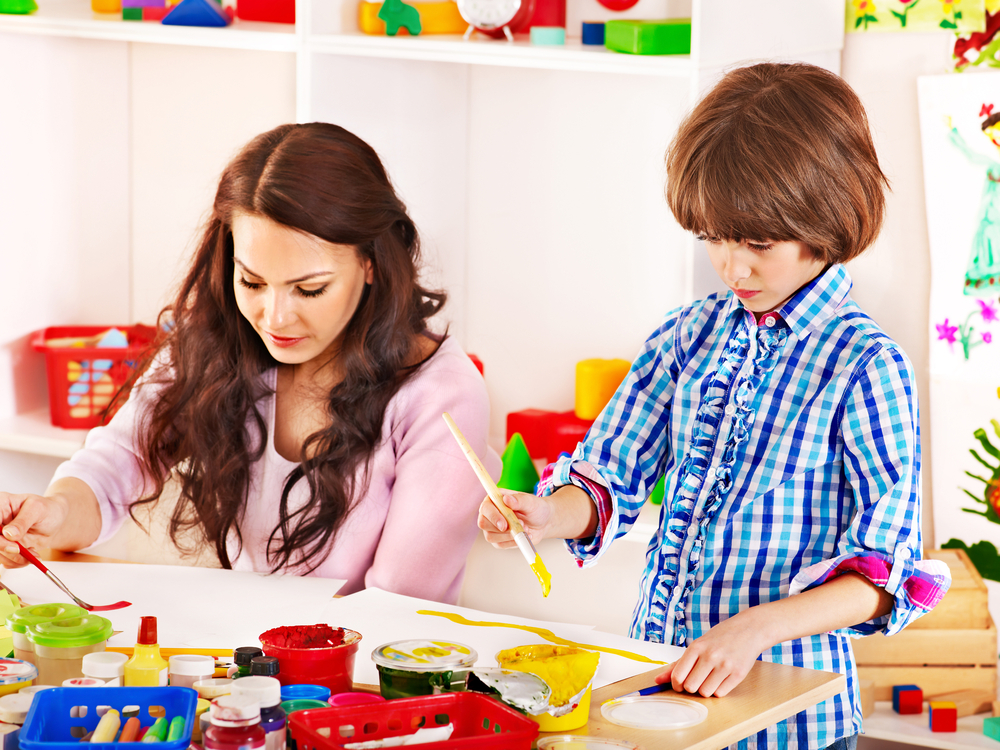
Developing spatial awareness in children aged 4-8 is vital for their overall cognitive and physical development. Spatial awareness refers to the understanding of how objects relate to each other and to oneself in space. When children grasp these concepts, they enhance their problem-solving skills and aptitude in subjects like math and science. For instance, recognizing shapes, understanding directions, and visualizing movement help in geometry and basic arithmetic.
Moreover, strong spatial skills contribute to physical coordination and motor skills, aiding children in activities like sports, dance, and even everyday tasks. As they engage in play, puzzles, or construction activities, children cultivate creativity and critical thinking.
For teachers and parents, fostering spatial awareness can provide a strong foundation for lifelong learning. Engaging children in activities like building blocks, map reading, or virtual spatial games can stimulate their interest and boost cognitive functions. Ultimately, by prioritizing spatial awareness, educators and parents not only equip children with essential skills for academic success but also nurture their ability to navigate and interpret the world around them, cultivating confidence and independence in their everyday experiences.








