
Develops counting skills Worksheets for Ages 4-8
3 filtered results
Difficulty Level
Grade
Age
-
From - To
Subject
Activity
Standards
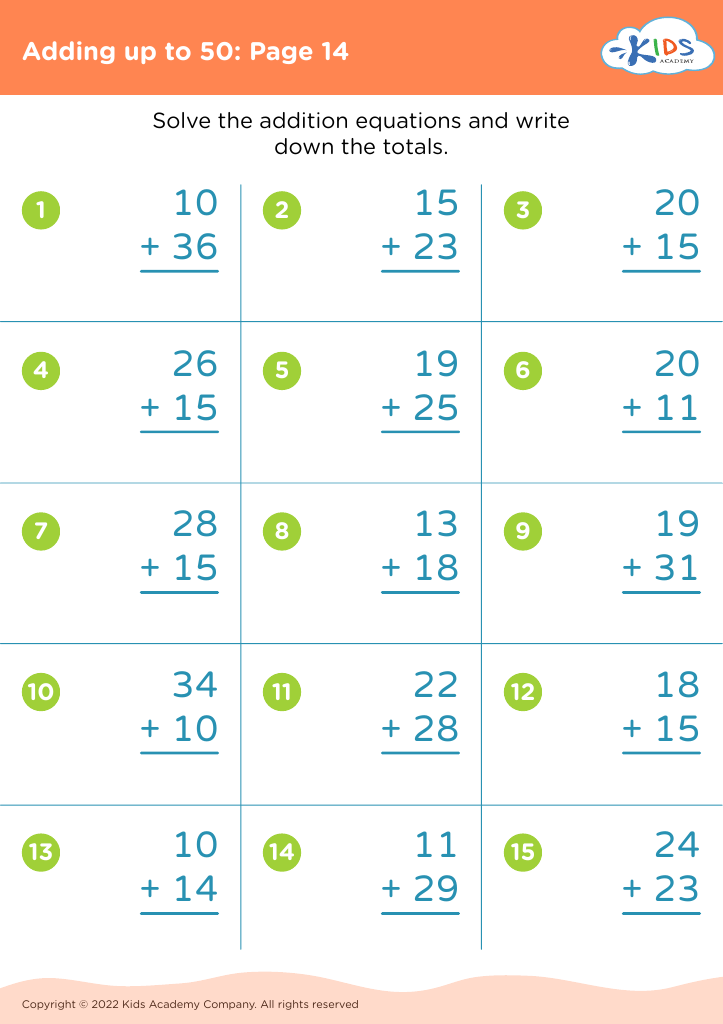
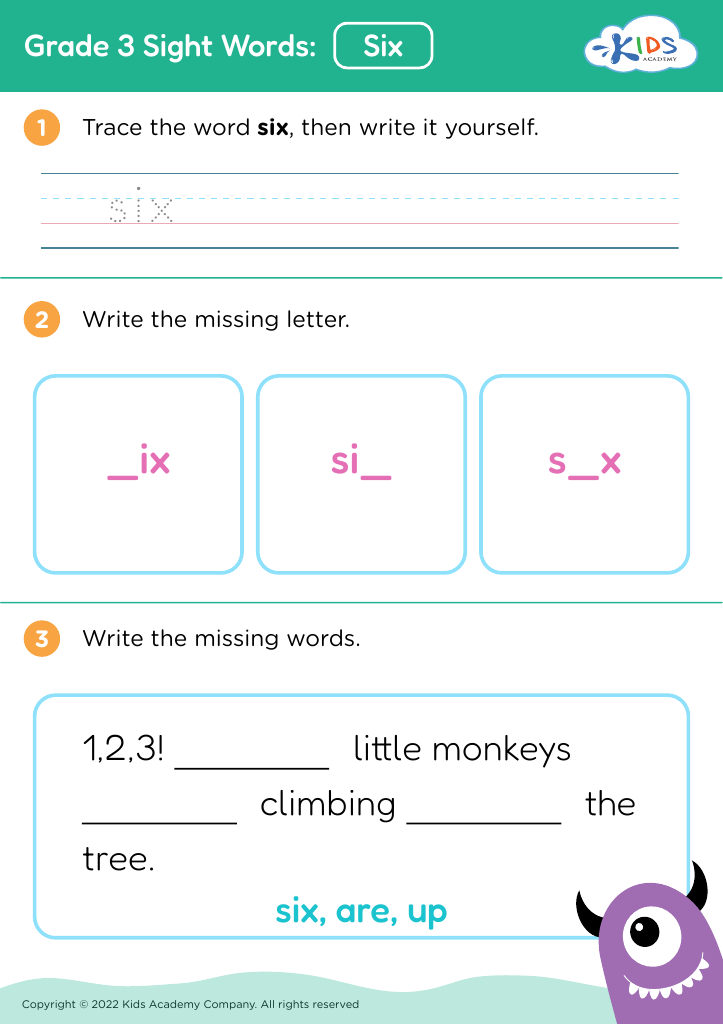
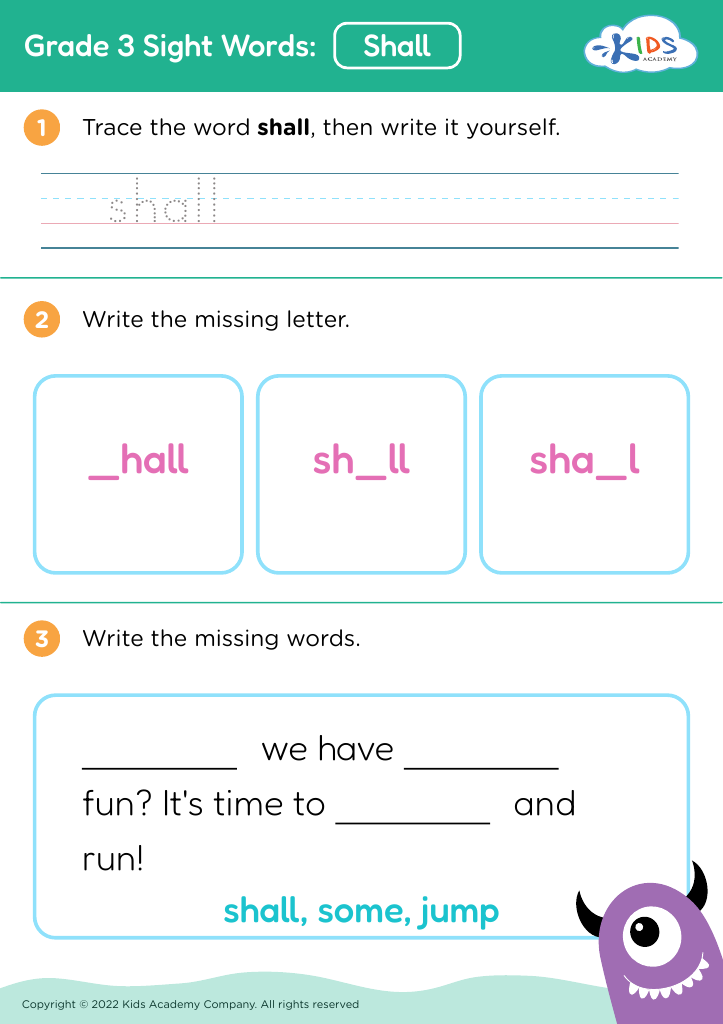
Discover our engaging counting skills worksheets designed for children aged 4 to 8! These printable resources are perfect for fostering early math skills through fun and interactive activities. Our worksheets feature colorful illustrations and varied exercises that encourage children to practice counting objects, understanding numbers, and developing basic math concepts. By incorporating games and creative tasks, these worksheets make learning enjoyable and effective. Ideal for both home and classroom use, our counting skills worksheets help children build a strong math foundation while keeping them engaged. Explore our collection today to support your child's journey to mastering counting and numbers!
Favorites
With answer key
Interactive
Join Kids Academy for Free
Who is primarily going to use this learning content?








Developing counting skills in children aged 4 to 8 is crucial for their overall growth and academic success. During these formative years, children establish foundational numeracy skills that will support their learning in mathematics and science throughout their education. Parents and teachers should care about fostering these skills because they are essential for understanding more complex mathematical concepts, such as addition, subtraction, and even fractions as children progress.
Counting skills enhance cognitive development, promoting critical thinking and problem-solving abilities. When children learn to count, they engage in pattern recognition, sorting, and categorization, benefiting both their mathematical understanding and their logical reasoning skills. Moreover, counting is not just about numbers; it connects children with everyday life experiences, like understanding quantity in play or shopping scenarios, fostering a strong sense of independence and confidence.
Furthermore, strong counting skills correlate with academic success as they transition into primary education. By emphasizing the importance of counting, parents and teachers create a supportive learning environment, encouraging curiosity and discovery. Ultimately, investing time in developing counting skills lays a crucial groundwork for lifelong learning and success in both academic and real-world contexts.








