Eye-hand coordination Worksheets for Ages 4-8
3 filtered results
-
From - To
Enhance your child's eye-hand coordination with our engaging worksheets designed for ages 4-8! Our carefully crafted activities help young learners develop essential skills through fun and interactive tasks. From tracing and color matching to cutting and pasting exercises, our worksheets promote focus and dexterity while keeping kids entertained. Ideal for home or classroom use, these resources support developmental milestones and foster a love for learning. Join us in nurturing your child's growth as they engage with our vibrant, easy-to-use worksheets that make practice enjoyable. Start building their coordination skills today, setting the stage for future success in various activities!
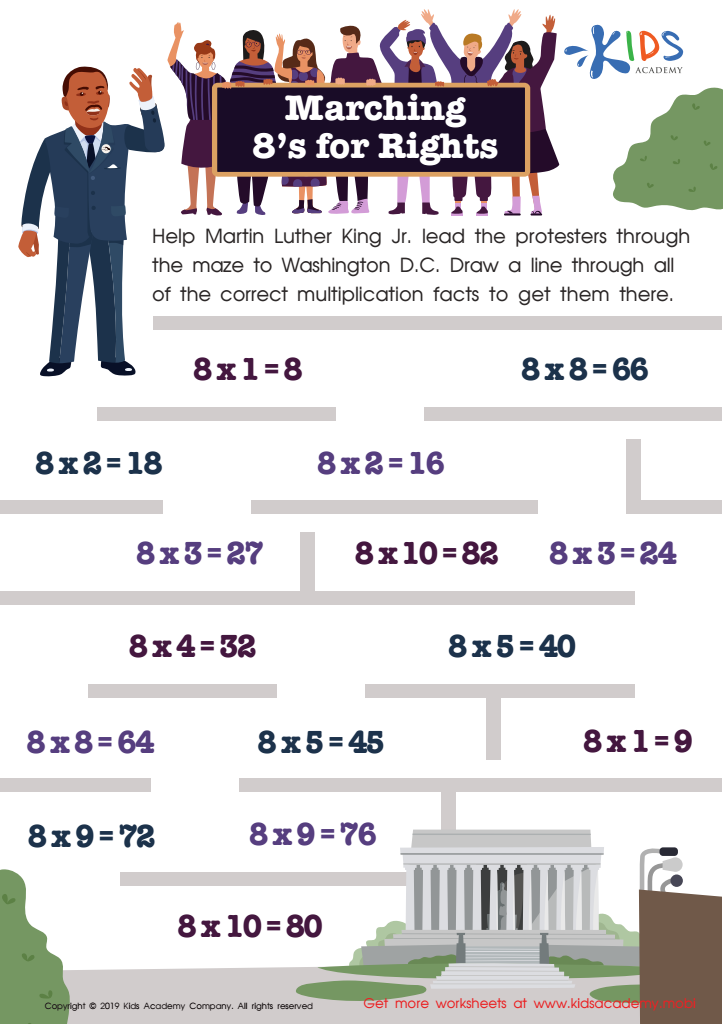
Marching 8’s for Rights Worksheet
 Assign to My Students



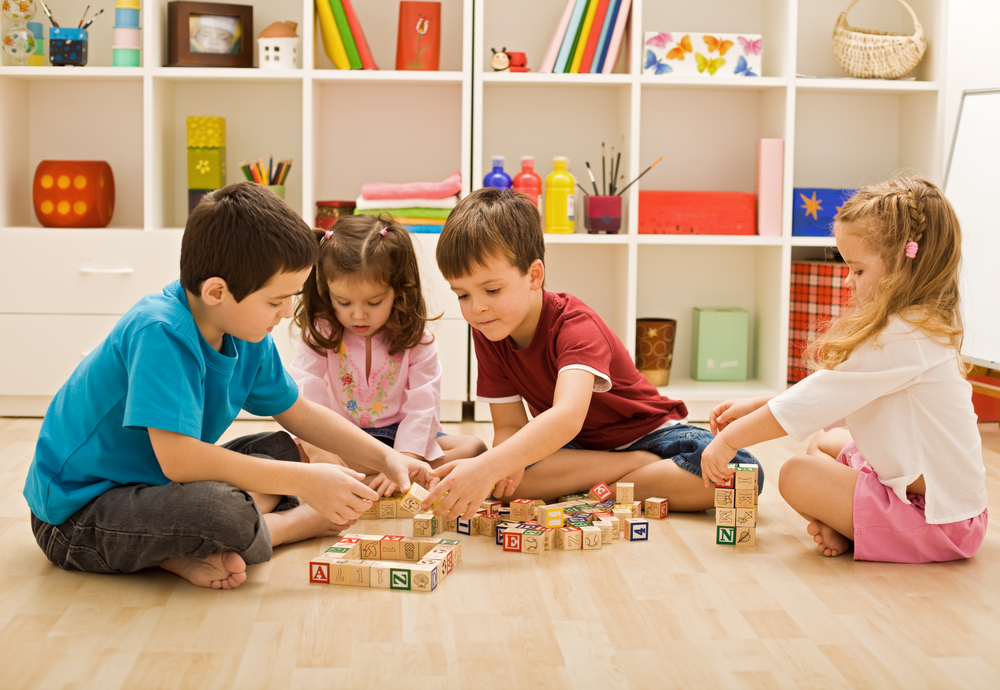



Eye-hand coordination is a critical skill for children ages 4-8, significantly influencing their overall development and daily activities. At this age, children engage in various activities that require precise movements, such as writing, drawing, and participating in sports. Exceptional eye-hand coordination helps them achieve mastery in these tasks, fostering self-esteem and motivation.
Additionally, strong eye-hand coordination contributes to fine motor development, which is essential for academic skills like handwriting and proficient use of school tools. It also plays a vital role in play-based learning and social interactions, where physical skills boost confidence and encourage engagement with peers.
From a developmental perspective, children refine their coordination through practice running, jumping, and playing. When parents and teachers actively encourage activities that promote eye-hand coordination—such as puzzles, crafts, or ball games—they help children build the foundation for future learning and problem-solving skills.
Moreover, investing time in nurturing these skills can lead to long-term academic and social success, enhancing overall cognitive abilities. Hence, fostering eye-hand coordination should be a priority for parents and teachers alike, ensuring comprehensive growth in these formative years.








