Fraction conversion Worksheets for Ages 4-8
4 filtered results
-
From - To
Engage young minds with our Fraction Conversion Worksheets tailored for ages 4-8. Designed to simplify learning, these fun and educational worksheets help children seamlessly grasp the concept of fractions and conversions. Through vibrant visuals and interactive exercises, kids will effortlessly transition from dividing shapes into equal parts to converting fractions into different forms. Ideal for both classroom and home environments, our printable resources ensure foundational understanding in a stress-free manner. Boost your child's confidence in math and set the stage for future success with Kids Academy’s expertly crafted fraction conversion worksheets. Start now and watch their fraction fluency flourish!
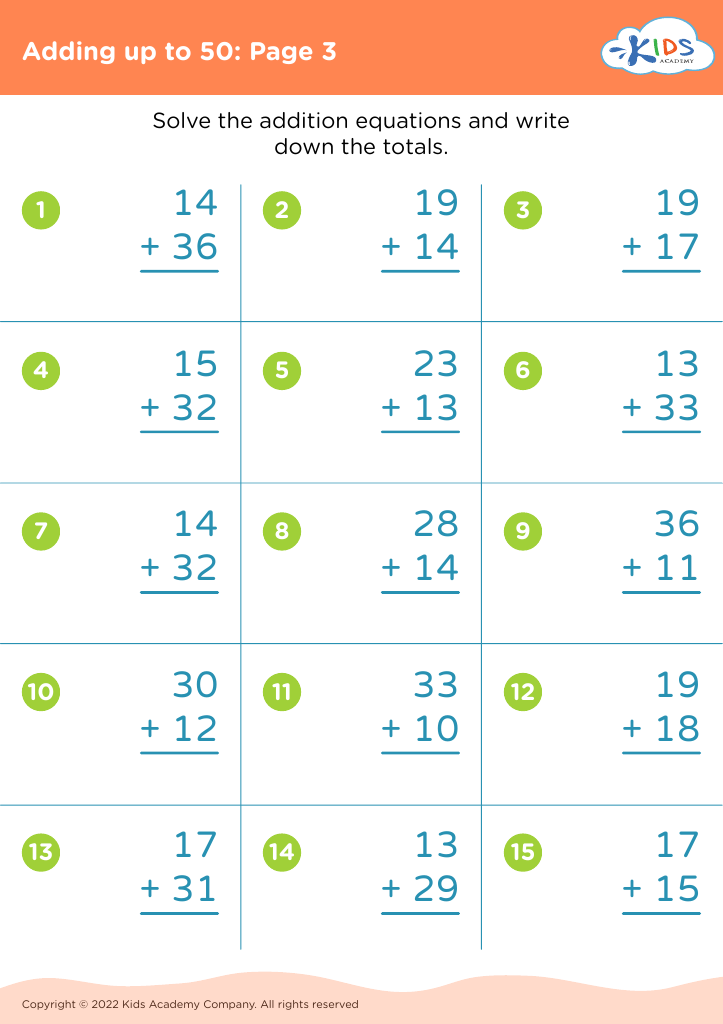
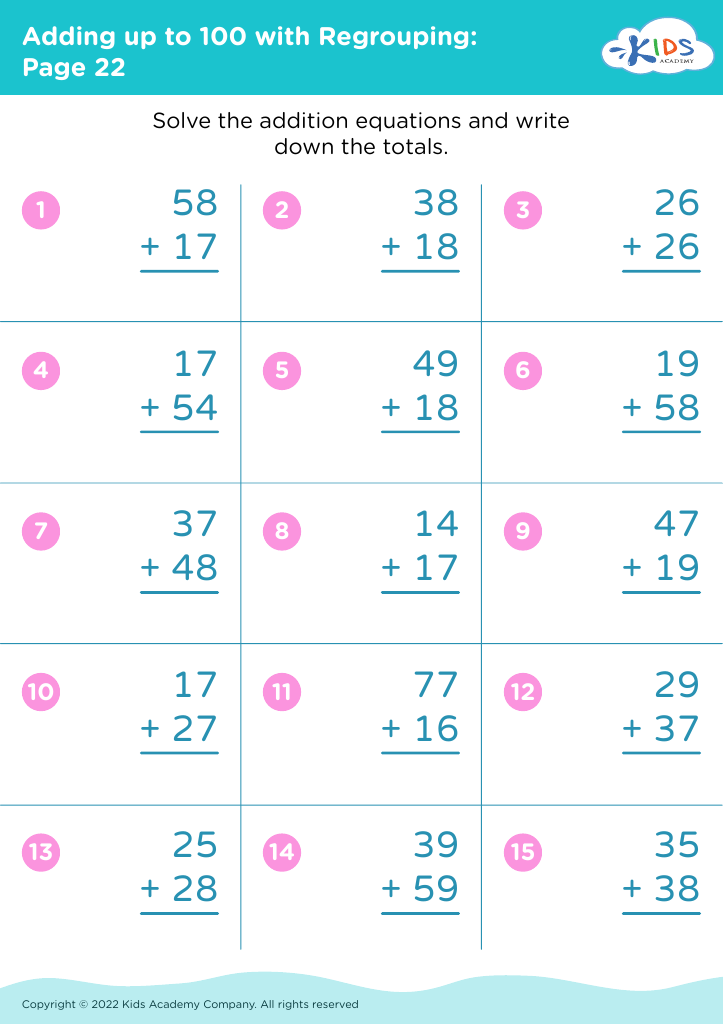
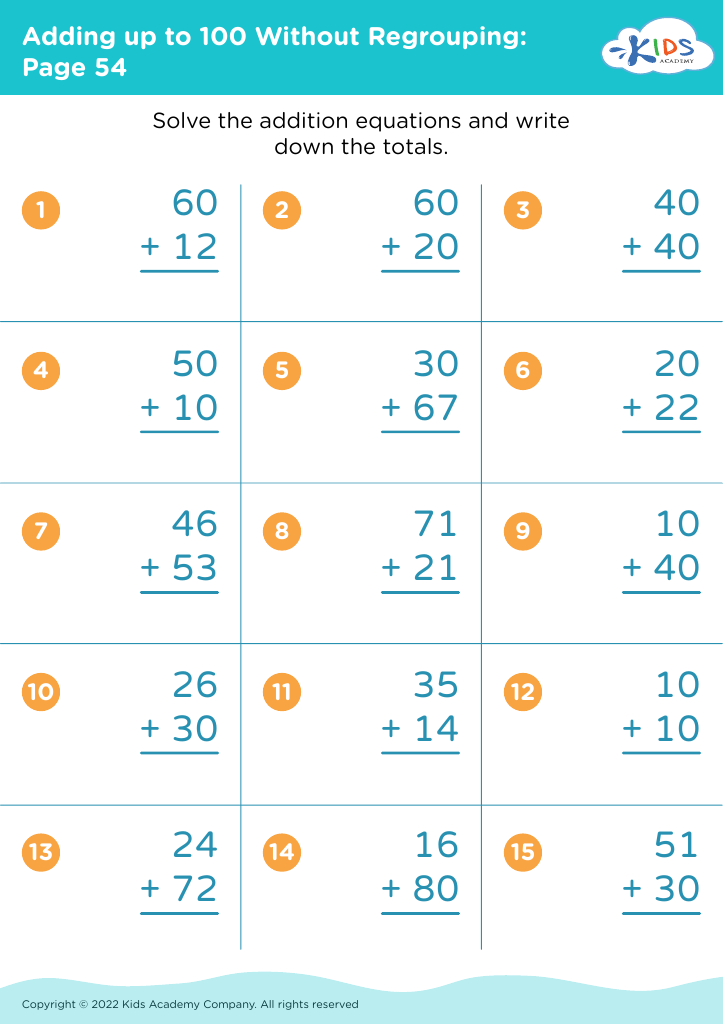
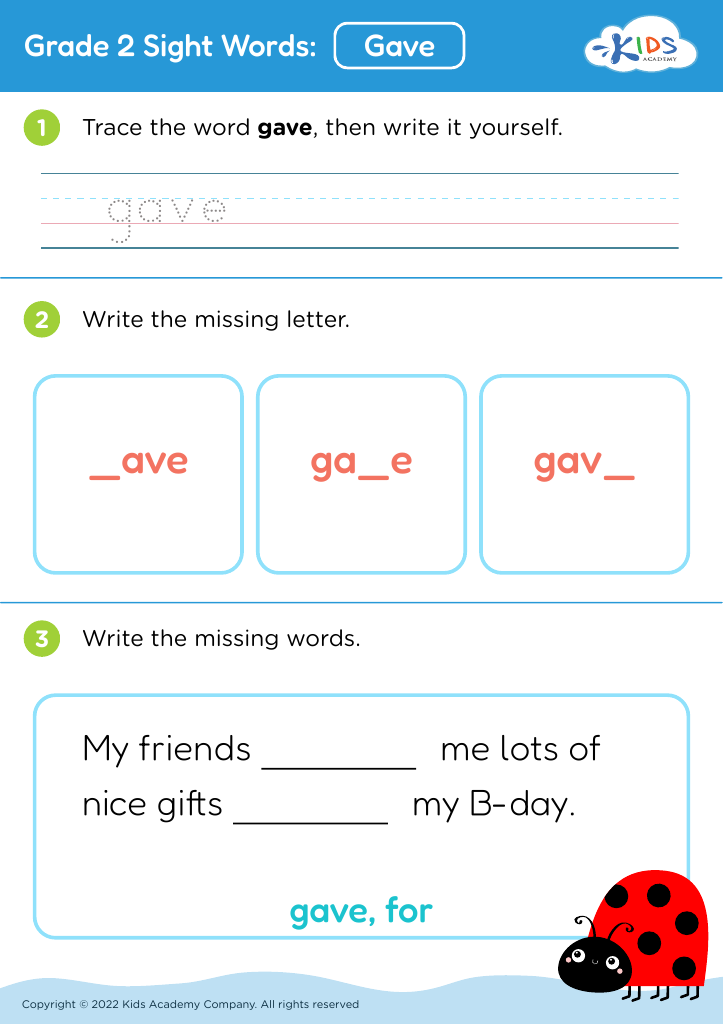







Introducing fraction conversions to young children, ages 4-8, is crucial for their foundational mathematical development. This early exposure helps build a strong numerical sense and understanding of parts, wholes, and proportions. Developing these concepts at a young age can make children more comfortable with complex mathematical problems in later grades.
At this early age, children are naturally curious and absorb information quickly, making it an ideal time for teaching fundamental concepts. Engaging activities, such as using fruits to illustrate halves and quarters, or using playdough to divide shapes, can make learning fractions fun and intuitive. When children appreciate these basic ideas early, they're less likely to struggle with more challenging concepts like equivalent fractions or fraction addition and subtraction later on.
Furthermore, learning fraction conversions helps develop problem-solving skills, critical thinking, and an intuitive grasp of quantities and measurements. This practical knowledge is essential not only in further mathematical education but also in real-world applications like cooking, sharing, or even shopping.
Most importantly, fostering a positive attitude towards math by making it approachable and understandable from an early age can combat math anxiety, promoting a lifelong confidence in the subject. Teachers and parents play a significant role in making math an enjoyable and relatable subject, setting a solid foundation for future academic success.








