Hand-eye Coordination Worksheets for Ages 4-8 - Page 2
116 filtered results
-
From - To
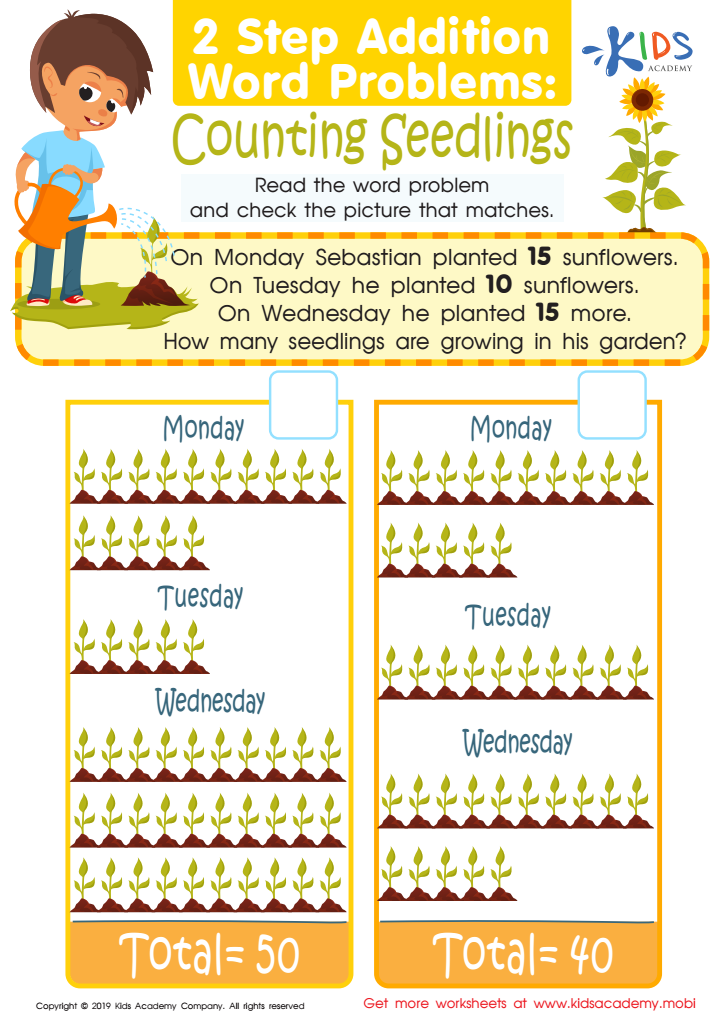
Counting Seedlings Worksheet
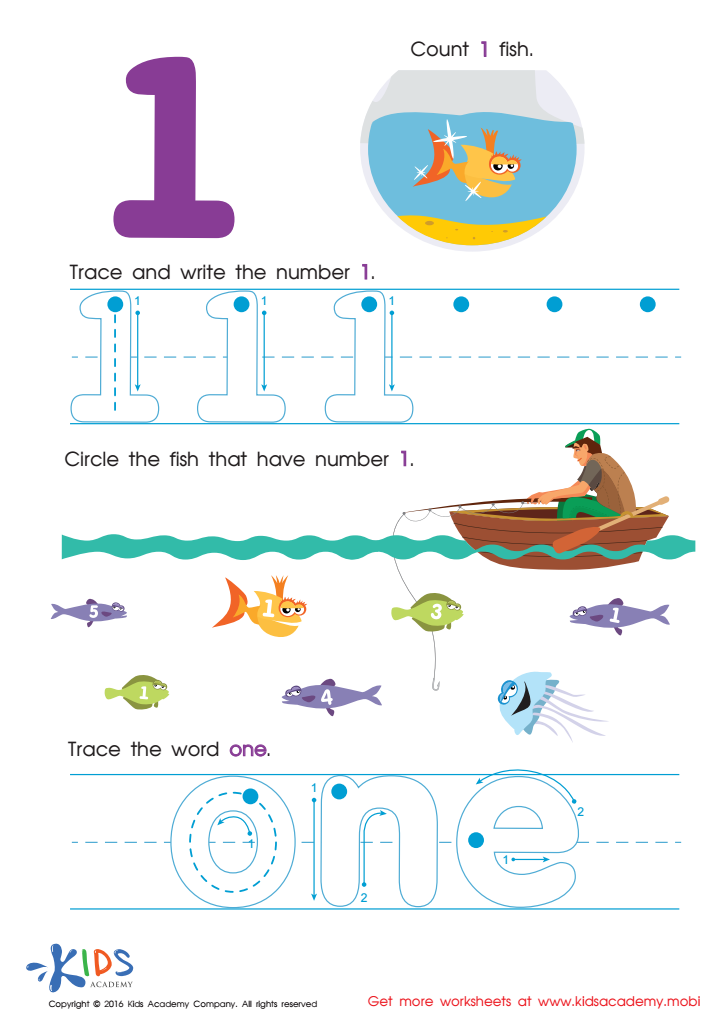
Learning to Write 1 Worksheet
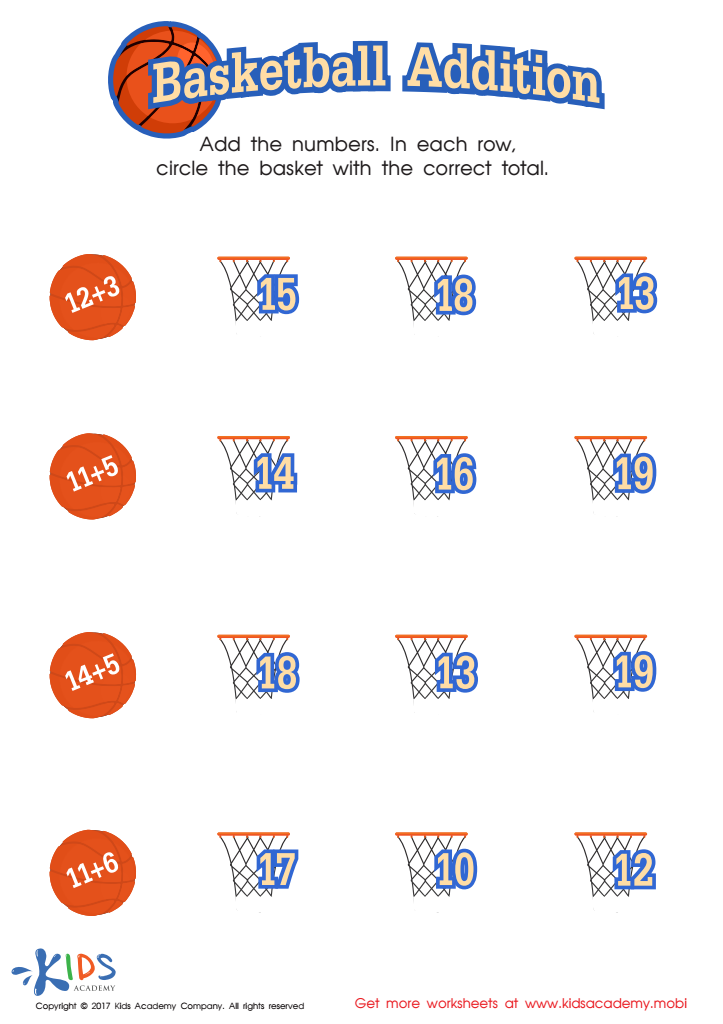
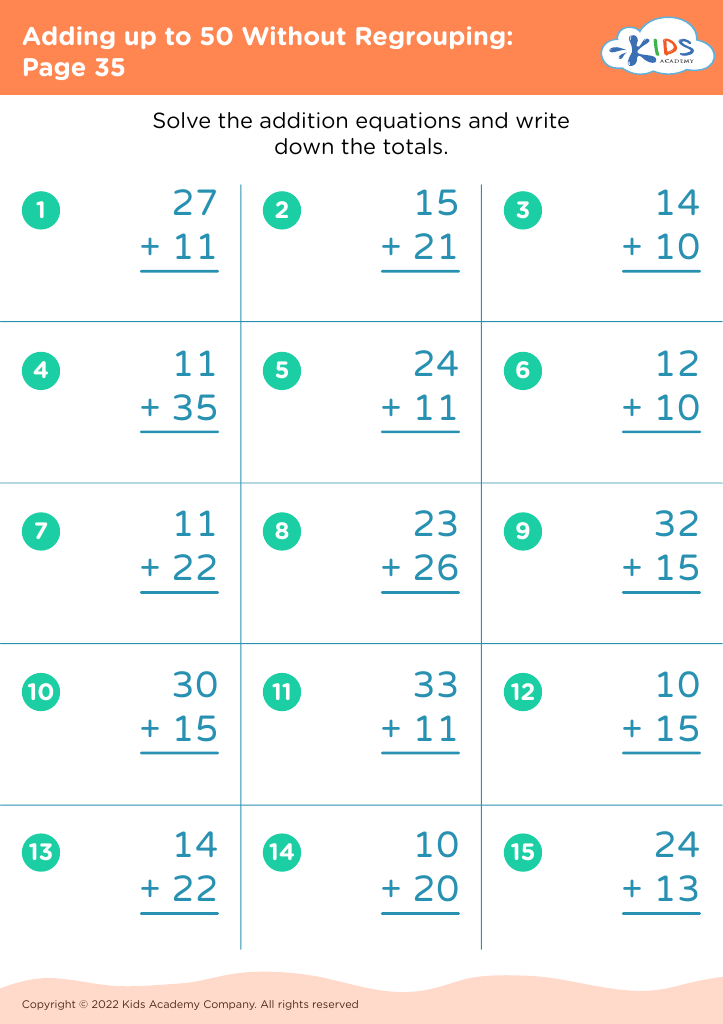
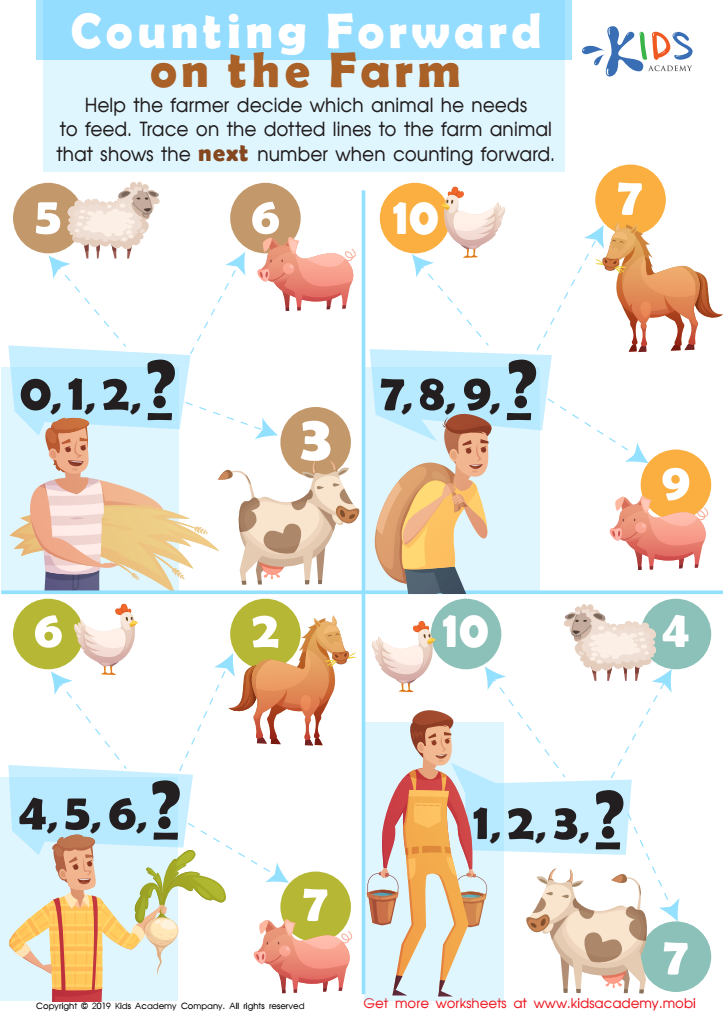
Counting Forward On the Farm Worksheet
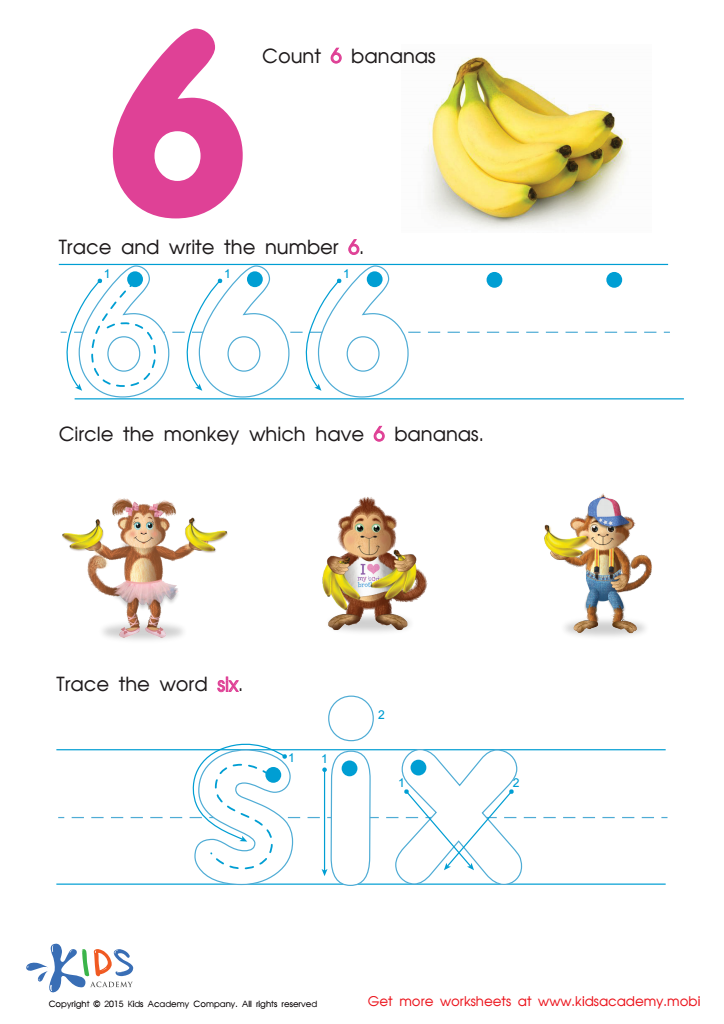
Tracing And Writing Number 6 Worksheet

Letter H Tracing Page
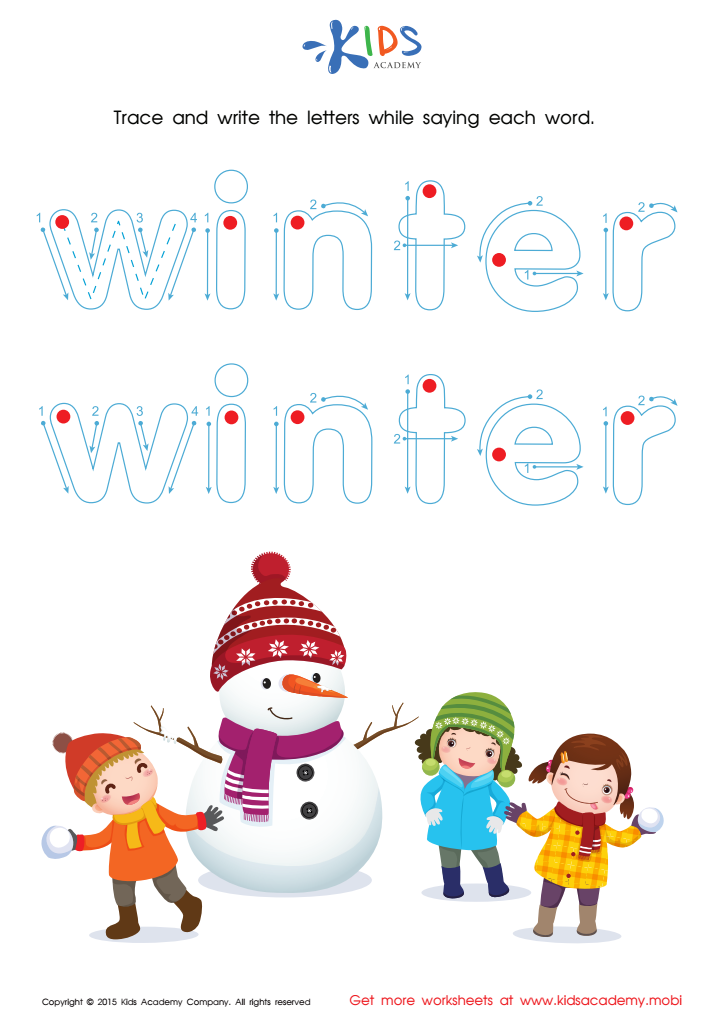
Snowman Tracing Winter Words Worksheet

Spaceship Maze: Galaxies Worksheet
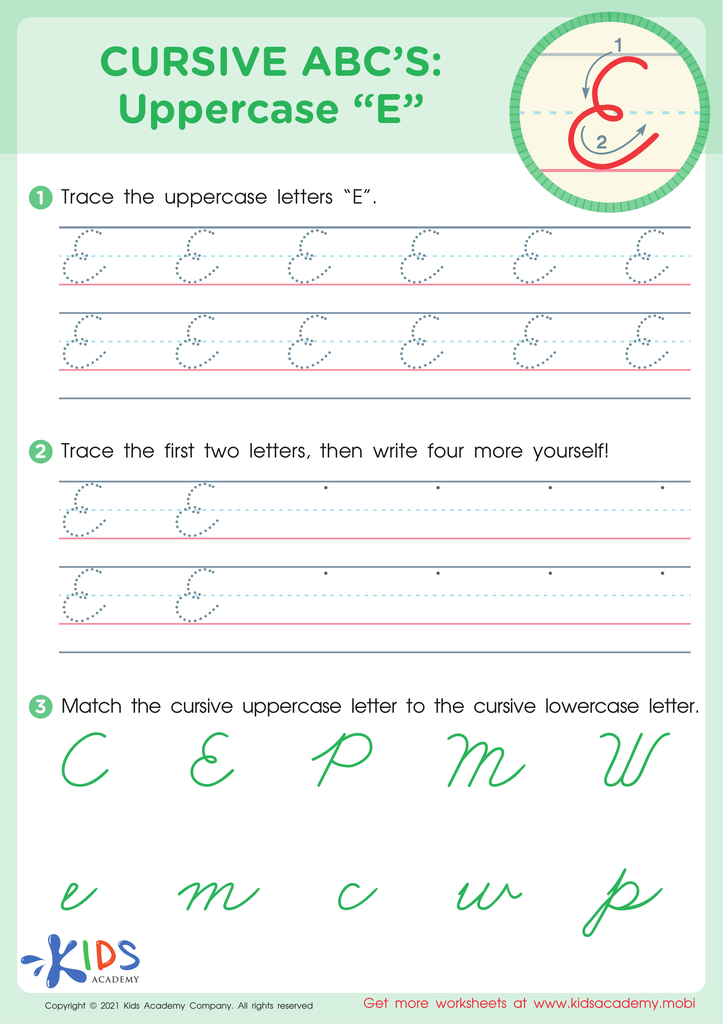
Cursive ABCs: Uppercase E
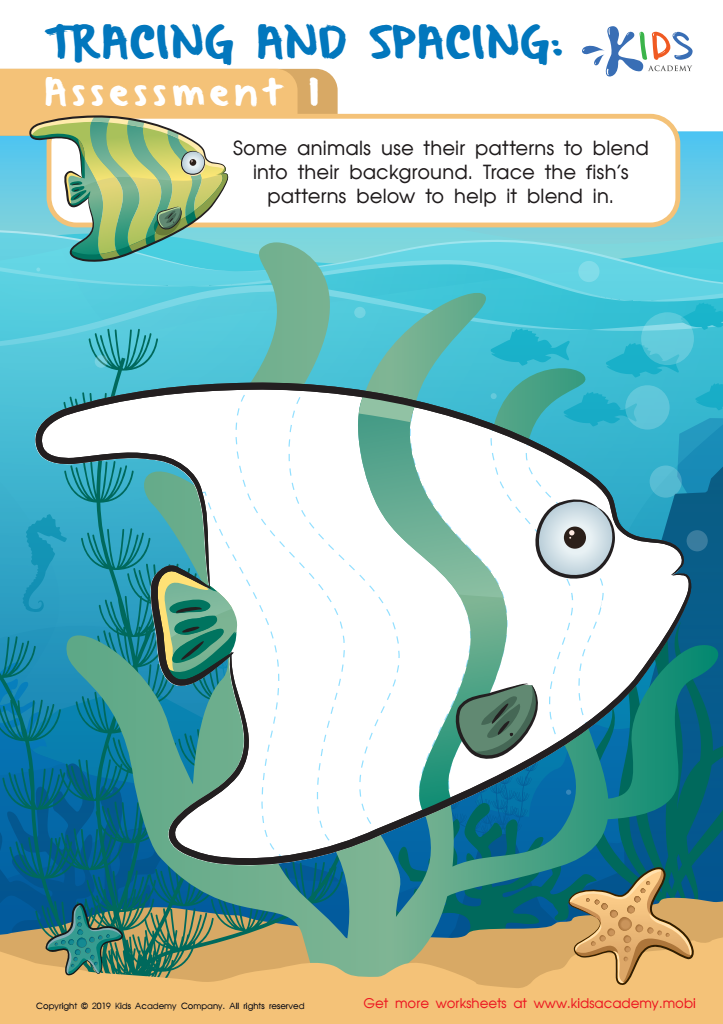
Tracing and Spacing: Assessment 1 Worksheet
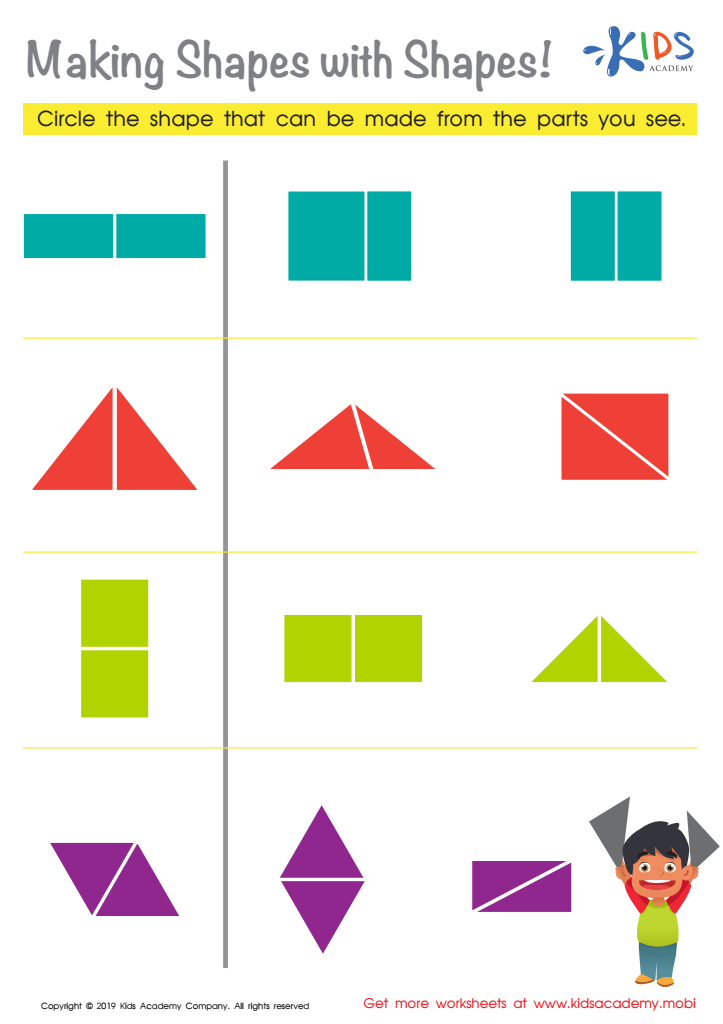
Making Shapes with Shapes Worksheet
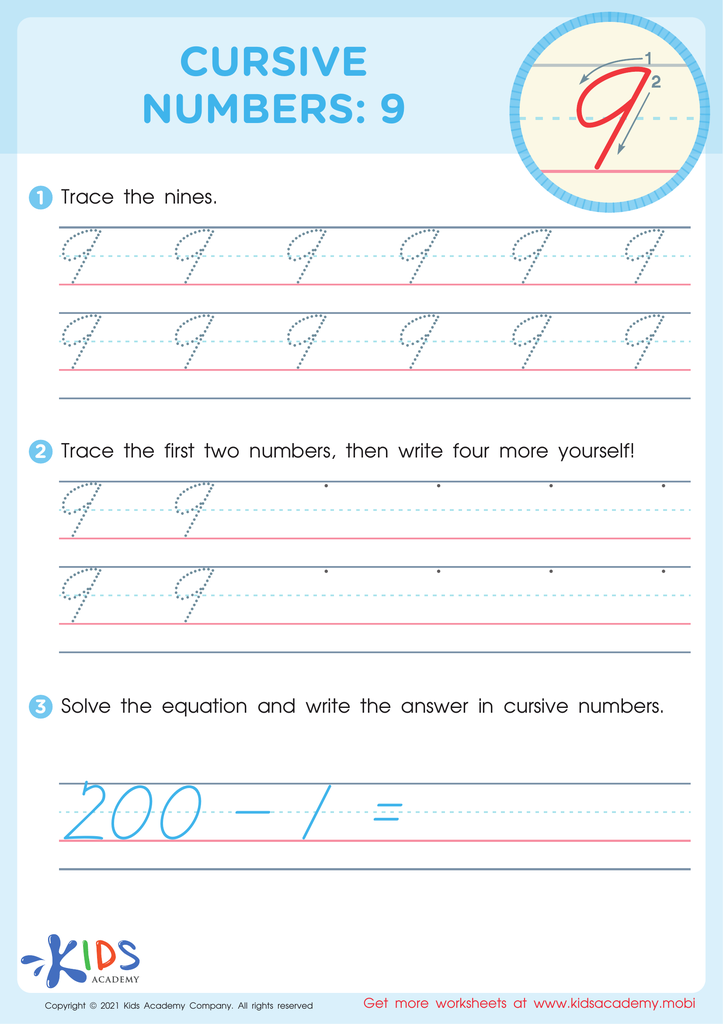
Cursive Numbers: 9 Worksheet
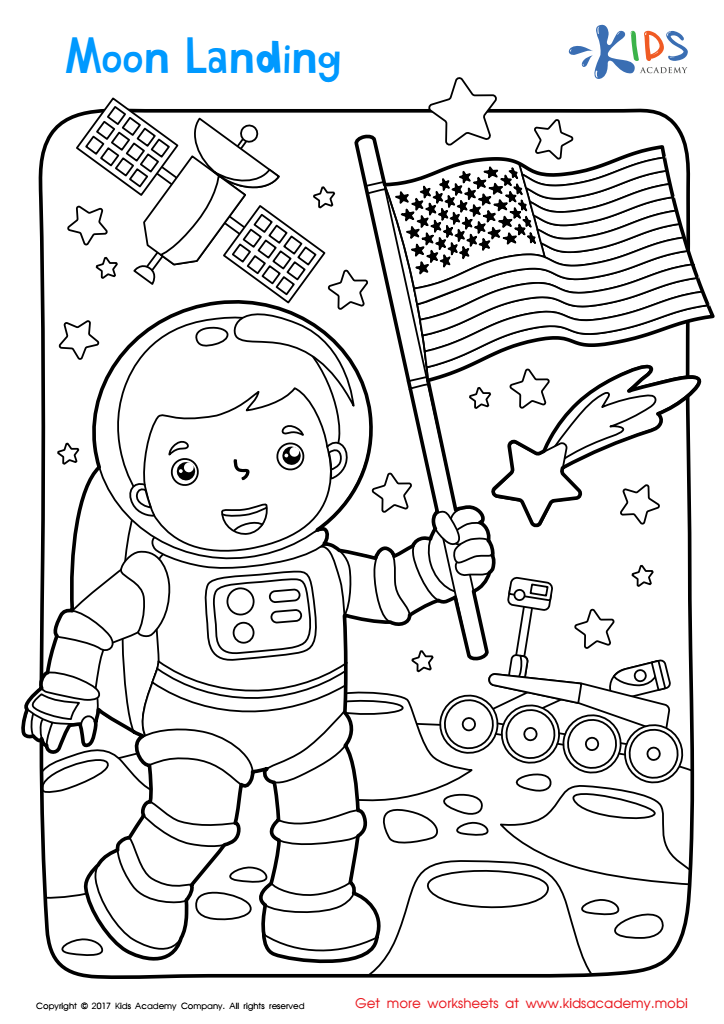
Moon Landing Coloring Page Printable
 Assign to My Students
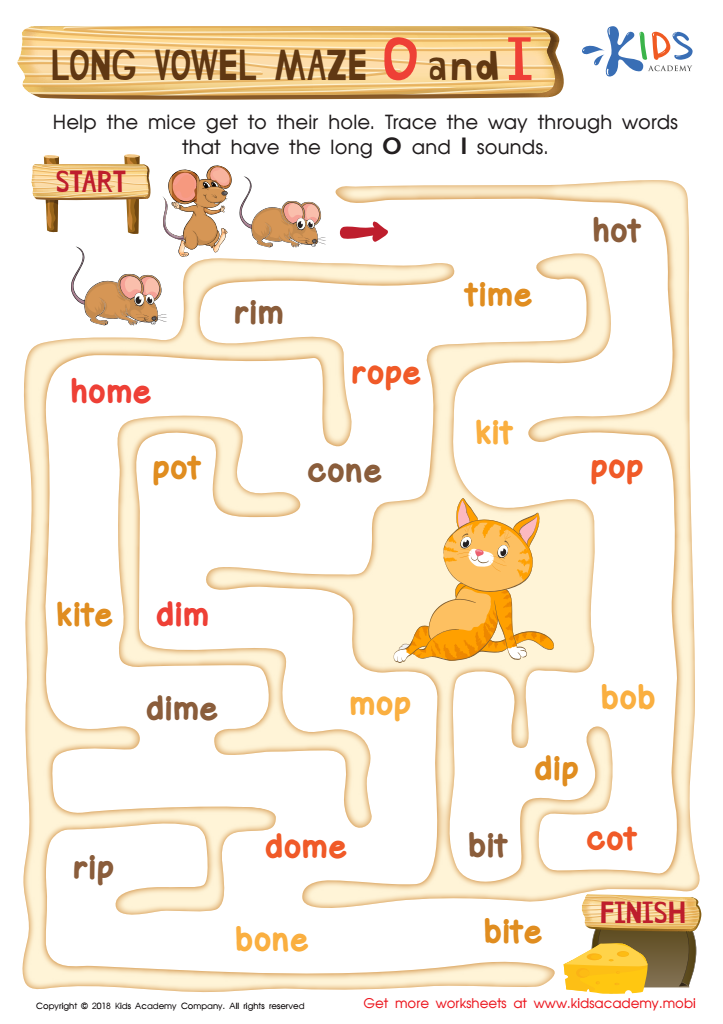
Long Vowel Maze /o/ and /i/ Worksheet
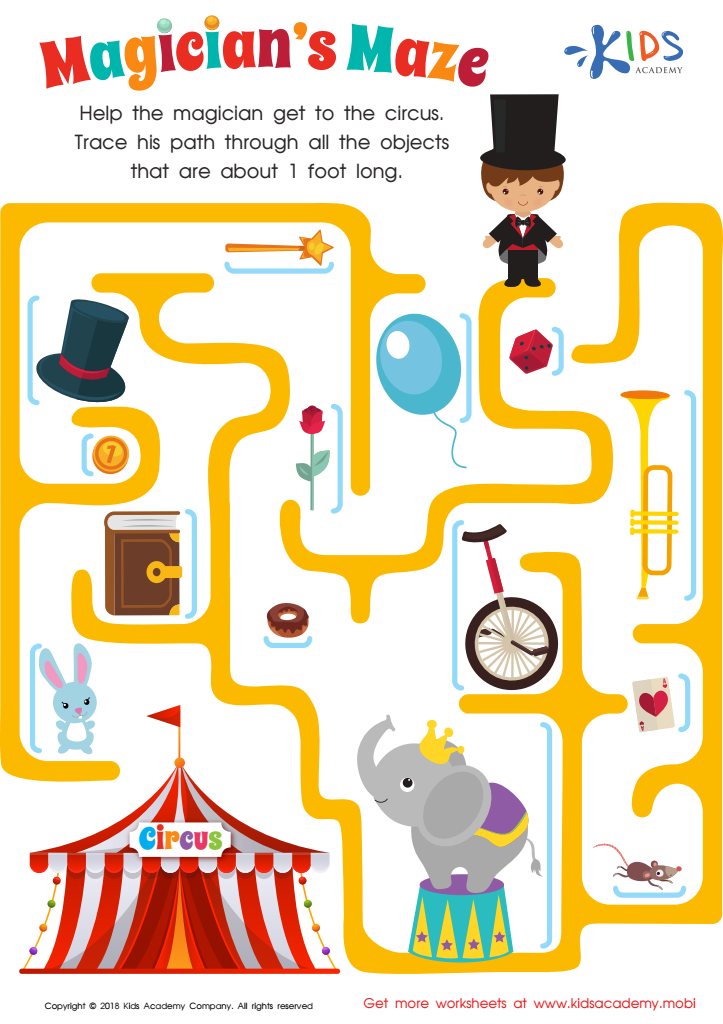
Estimating Length: Magician's Maze Worksheet
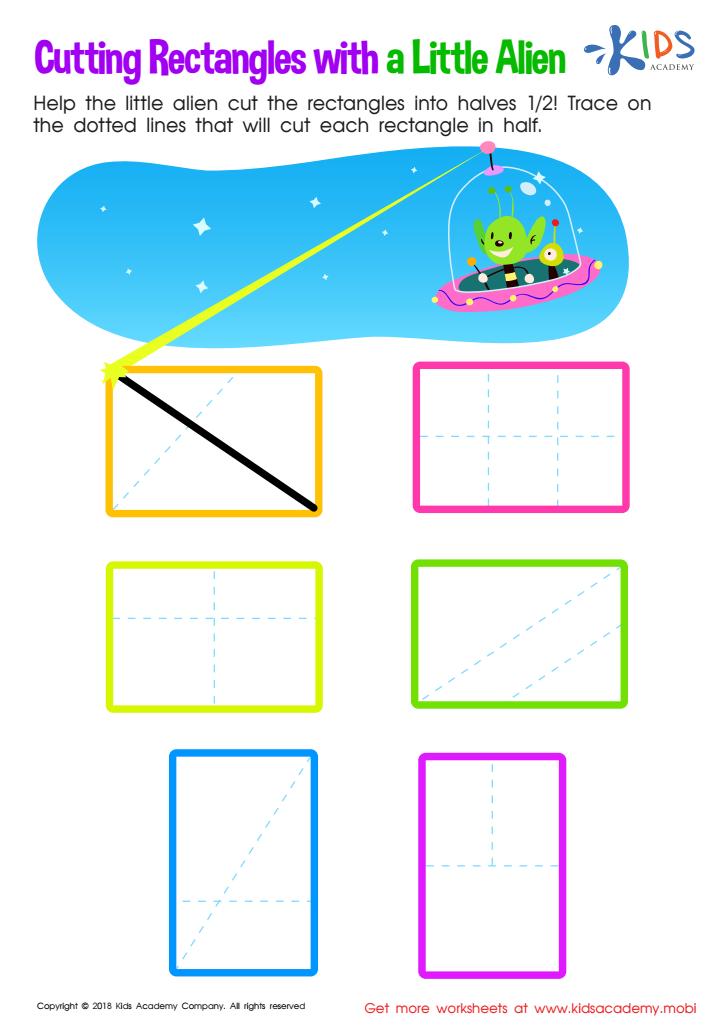
Cutting Rectangles with Alien Worksheet
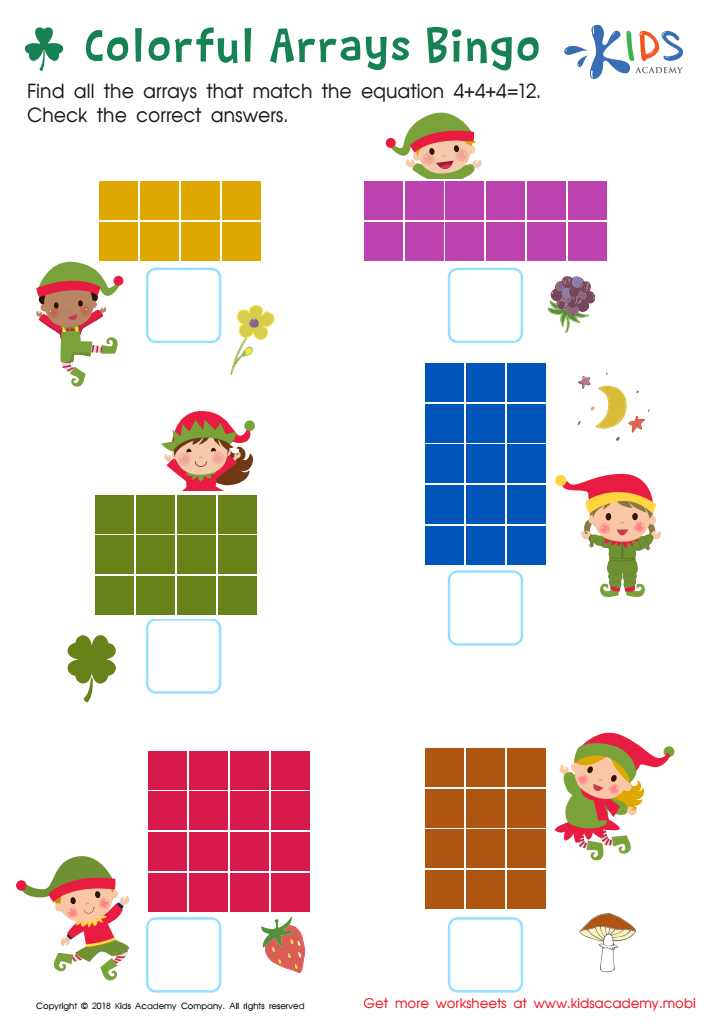
Colorful Arrays Bingo Worksheet
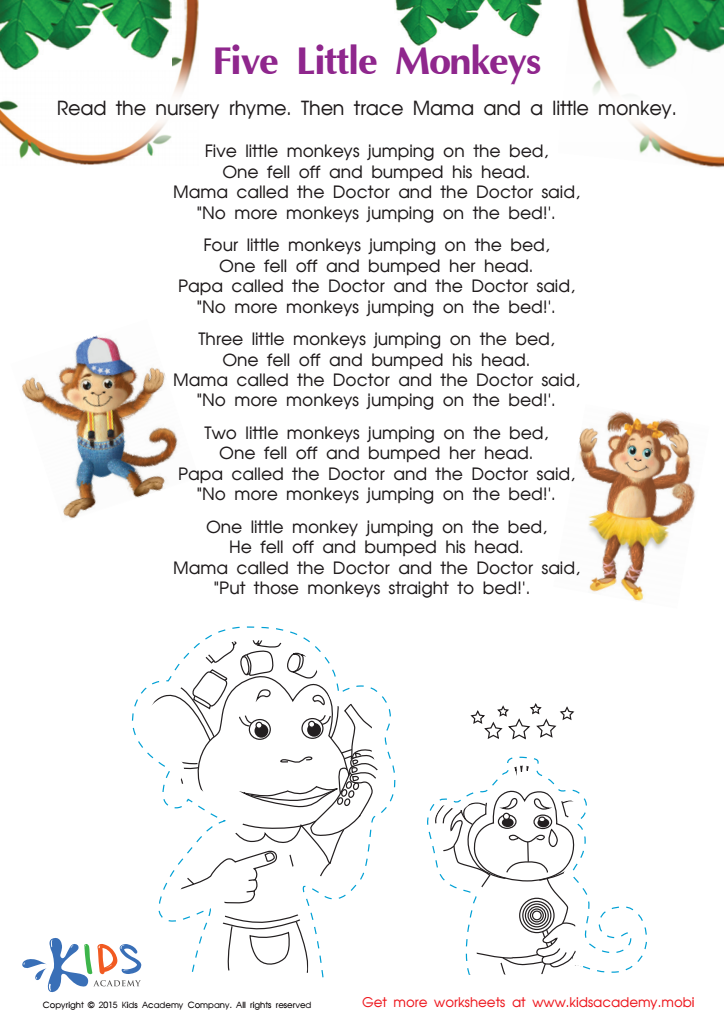
The Five Little Monkeys Nursery Rhyme Worksheet






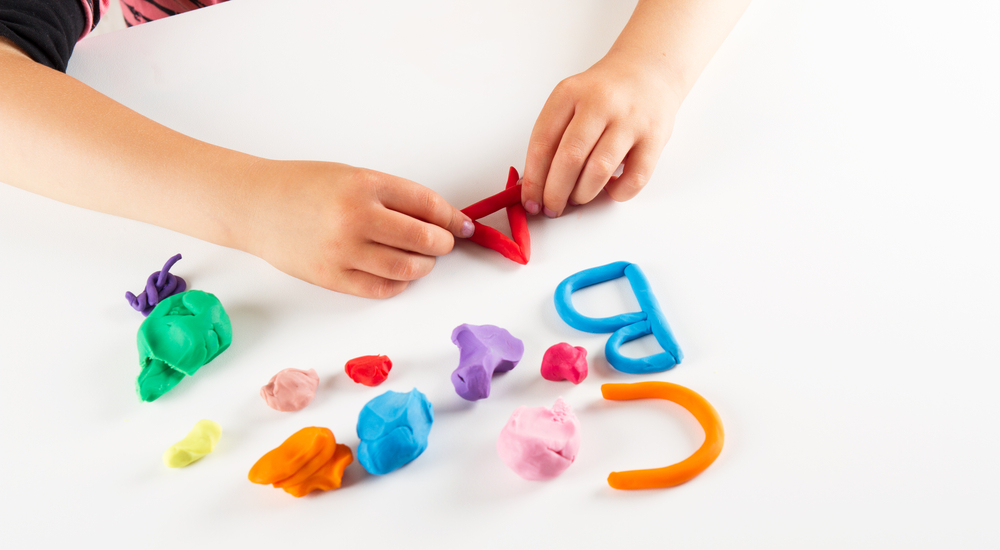
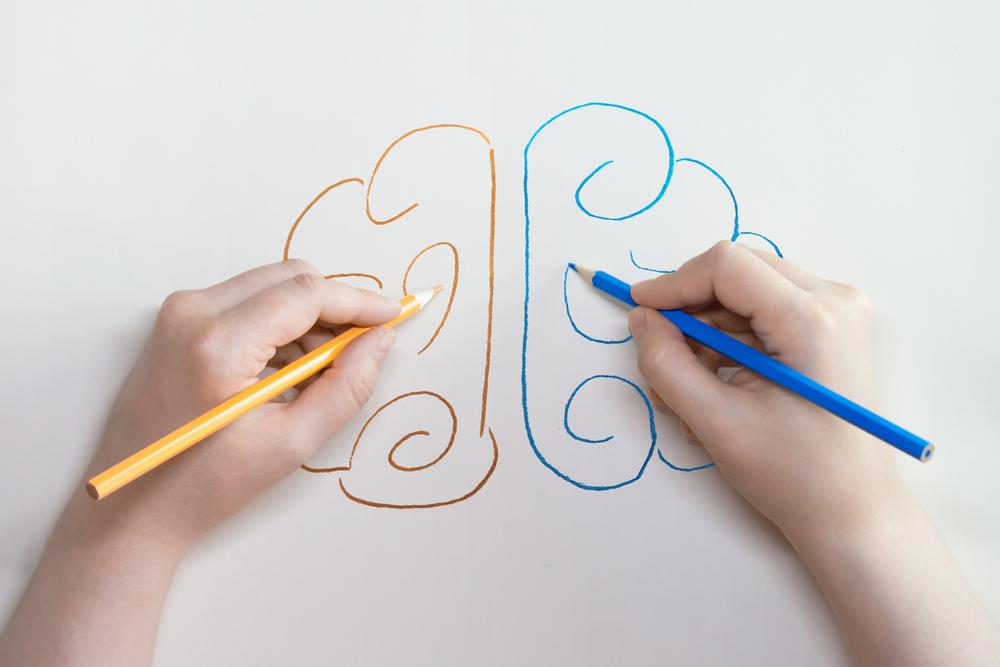
Hand-eye coordination is a crucial developmental skill for children ages 4-8, serving as the foundation for future academic and physical activities. It involves the synchronized control of eye movement with hand movements, enabling children to perform tasks smoothly and efficiently. For young learners, honing this skill is essential for several reasons.
Firstly, hand-eye coordination is vital for fine motor skills development. Activities such as writing, drawing, and cutting with scissors directly depend on the ability to coordinate hand movements with what the eyes are seeing. Proficiency in these fine motor skills prepares children for classroom tasks and academic success.
Secondly, it improves physical health and activity levels. Sporting activities—like catching a ball, playing tag, or even simple exercises—require coordination that develops muscular strength and overall fitness. Encouraging active playtime can also foster a love for physical activity, reducing the risk of childhood obesity.
Moreover, good hand-eye coordination boosts self-esteem and confidence. Mastery over tasks such as tying shoelaces or buttoning a shirt makes children feel accomplished, fostering independence and self-reliance.
Lastly, it enhances cognitive development. Coordinated activities often involve problem-solving and critical thinking, enriching learning experiences and equipping children with essential life skills.
In sum, prioritizing hand-eye coordination during these formative years lays a strong foundation for broad-reaching developmental benefits.








