Identify shapes Worksheets for Ages 4-8
13 filtered results
-
From - To
Explore our engaging "Identify Shapes Worksheets" designed specifically for children aged 4-8! These interactive activities help young learners recognize and distinguish various shapes, enhancing their cognitive development and problem-solving skills. The worksheets feature colorful illustrations and fun challenges, making learning enjoyable and effective. Perfect for homeschooling or classroom use, our resources encourage kids to explore their creativity while building essential math skills. From circles and squares to triangles and rectangles, each worksheet is curated to reinforce shape identification in a playful manner. Get ready to spark your child's interest in geometry with our delightful shape identification worksheets today!
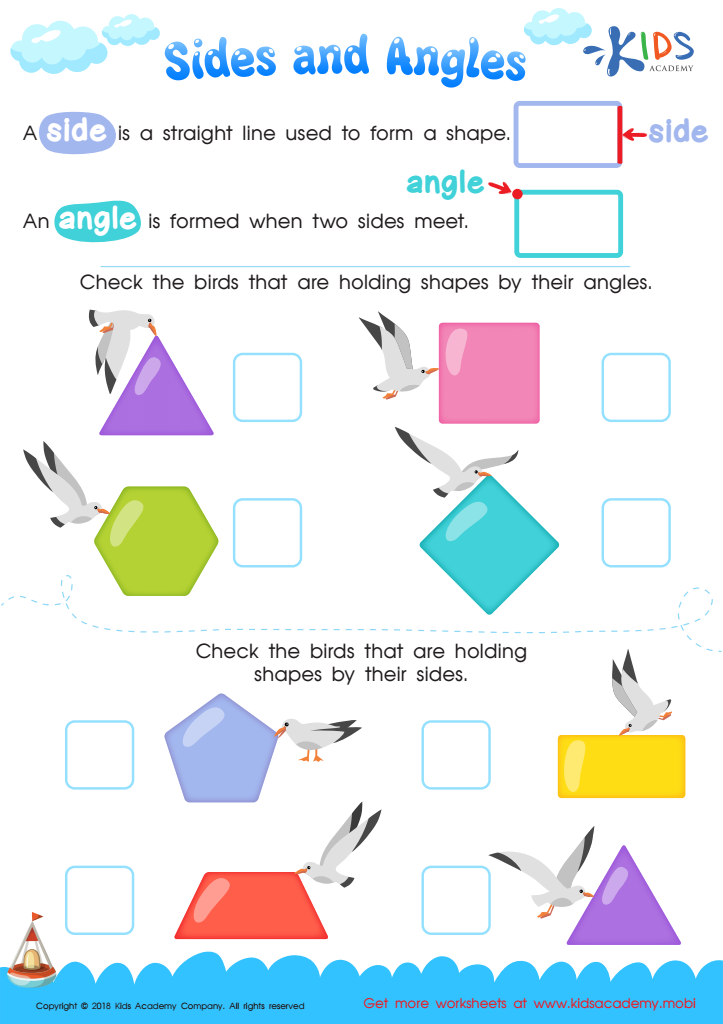
Sides and Angles Worksheet
 Assign to My Students
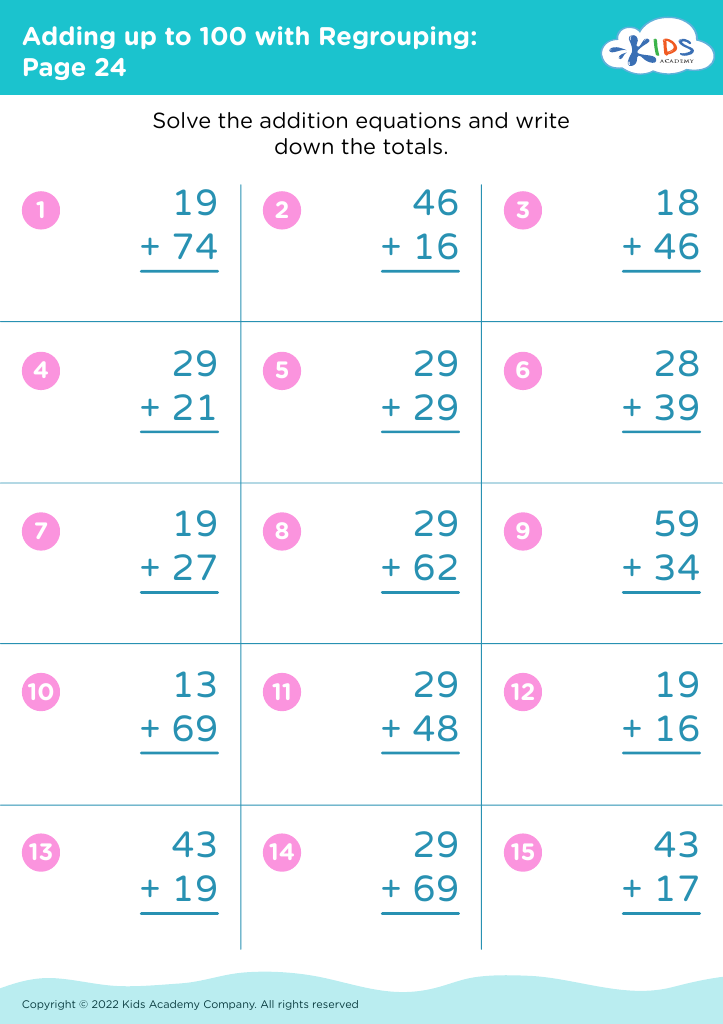
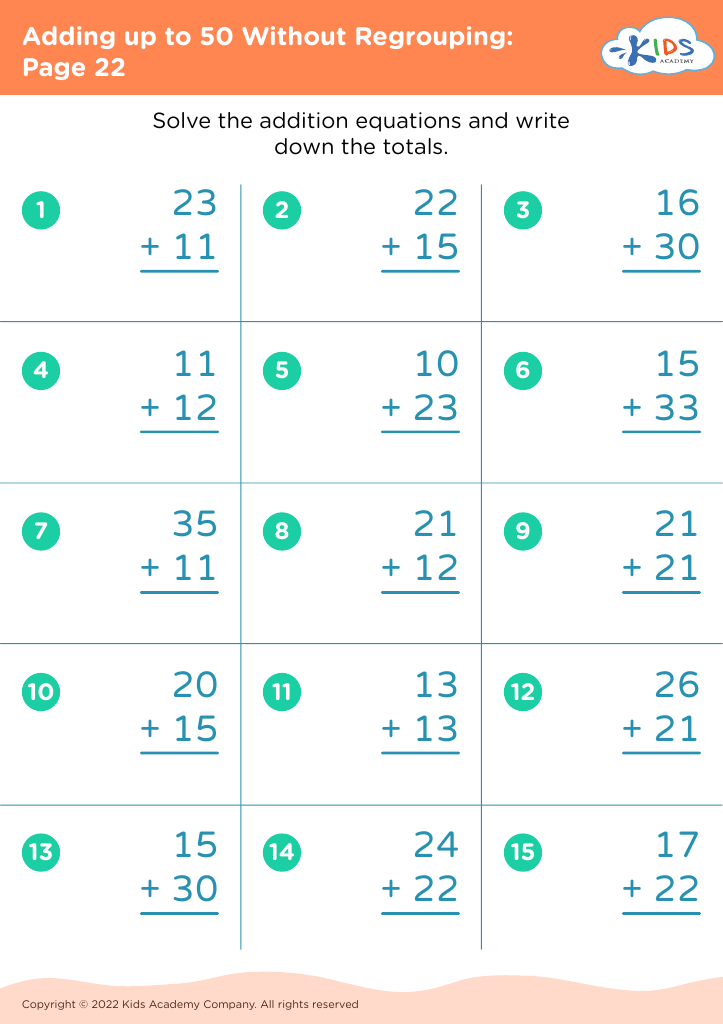
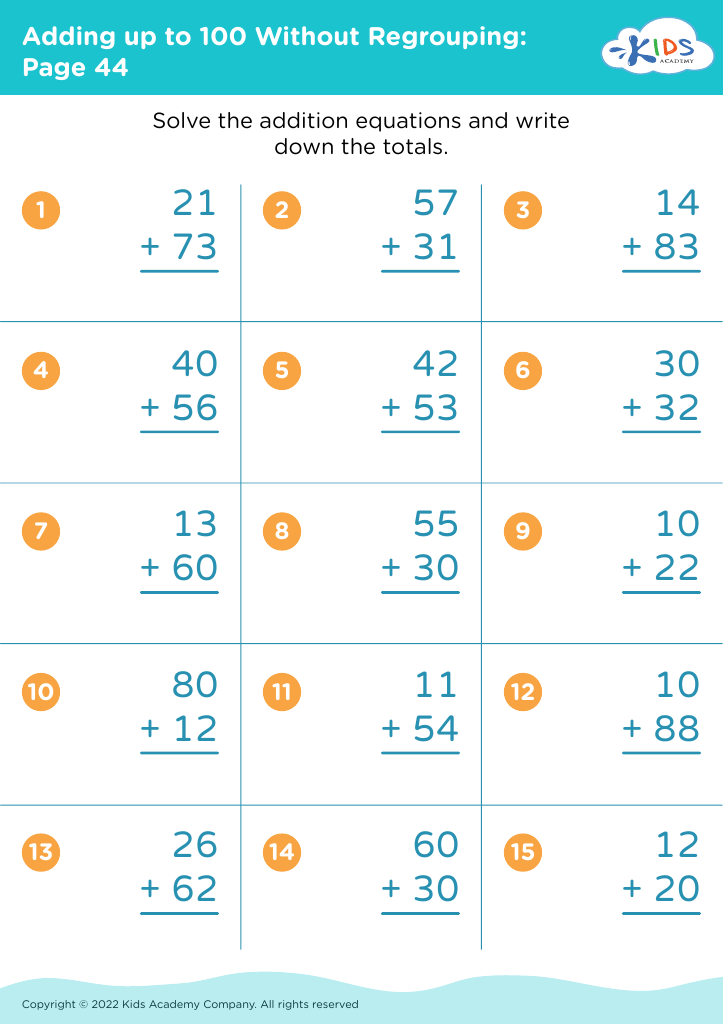






Identifying shapes is a fundamental skill for children aged 4 to 8 that extends beyond mere recognition; it lays the foundation for critical thinking and problem-solving abilities. Understanding shapes enhances spatial awareness, helping children develop the necessary skills to navigate their environment. By learning to identify and classify shapes, children also begin to understand relationships and patterns, which are vital for more advanced mathematical concepts.
Cognitive development is bolstered through the exploration of shapes. For instance, when children compare and contrast different shapes, they engage in analytical reasoning. This is essential for later learning in geometry, engineering, and physical sciences. Additionally, shape identification encourages creativity as children experiment with their understanding of shapes in art and play, fostering innovation and self-expression.
Moreover, shape recognition has real-world applications, from understanding signs and symbols to navigating everyday objects. Parents and teachers play a pivotal role in teaching this essential skill by integrating fun and engaging activities like shape hunts, puzzles, and arts and crafts. Investing time to teach children about shapes will not only enrich their current learning environment but also set the stage for future academic success, giving them the confidence to tackle more complex concepts later in life.








