Identifying equivalent fractions Worksheets for Ages 4-8
8 filtered results
-
From - To
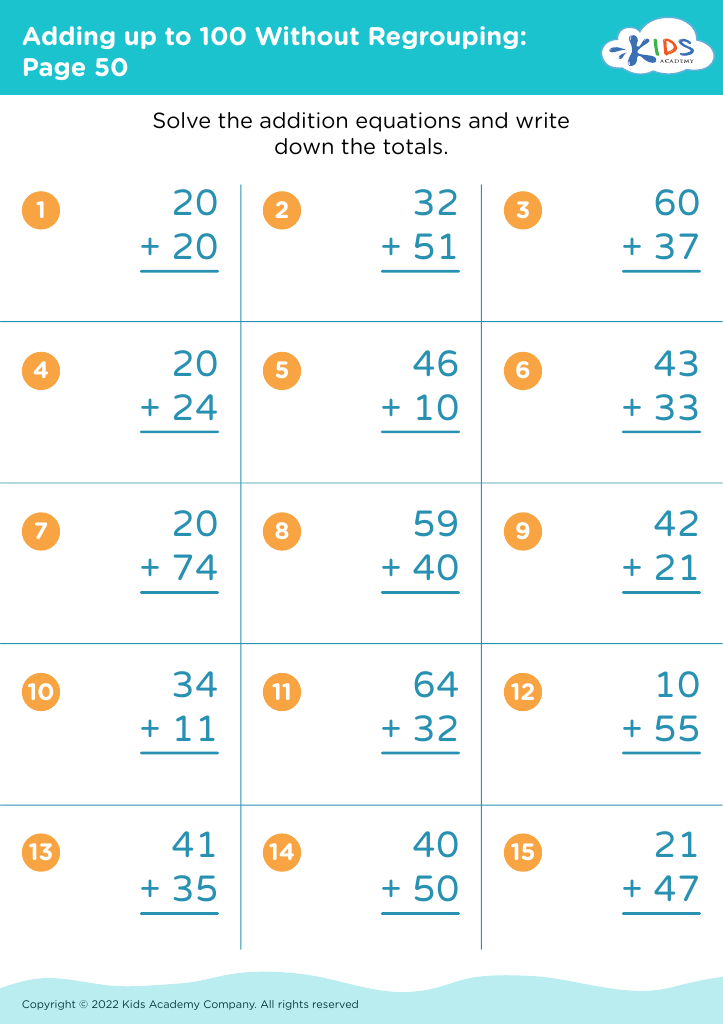
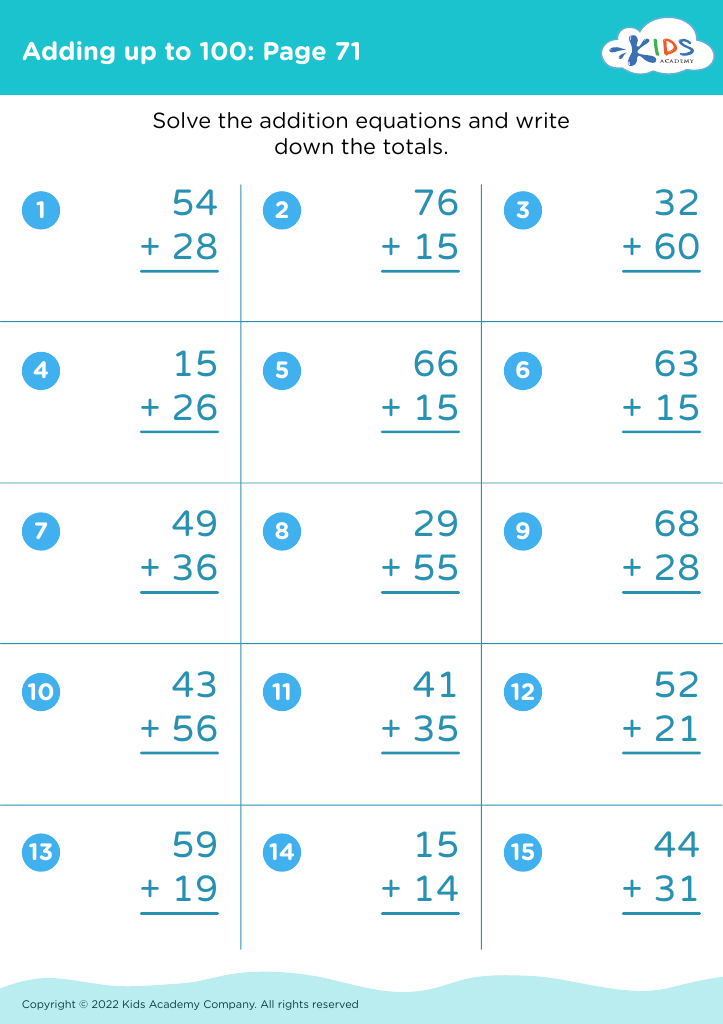
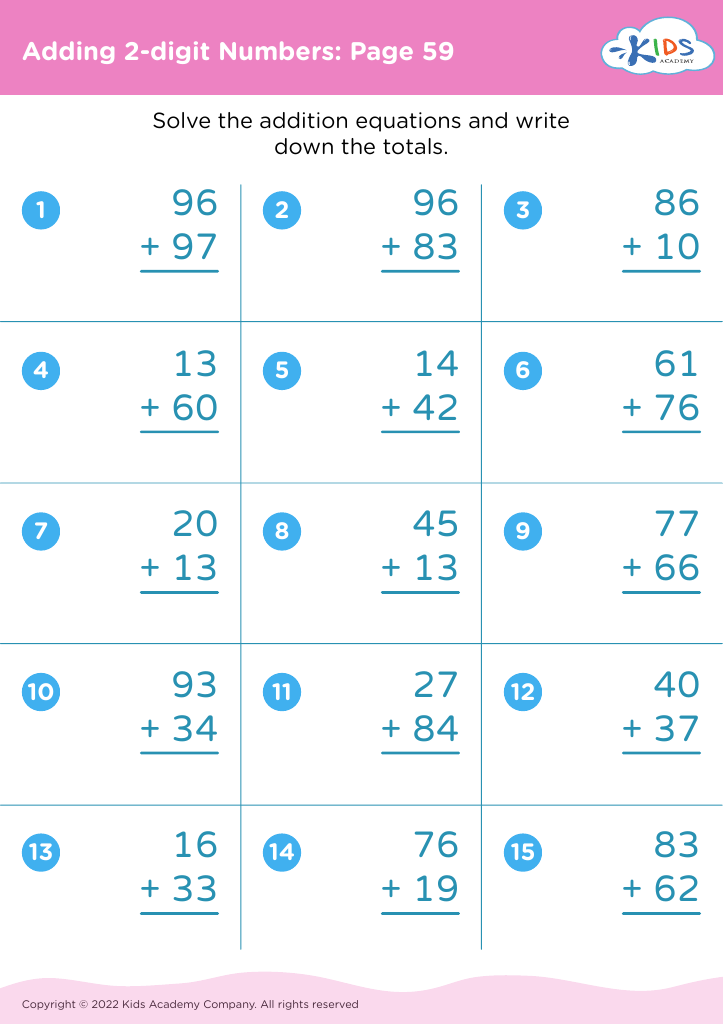
Discover our engaging and educational "Identifying Equivalent Fractions" worksheets designed for ages 4-8. These worksheets help young learners grasp the concept of equivalent fractions through fun activities, colorful illustrations, and step-by-step instructions. Ideal for early graders, they simplify the learning process, making it easy for kids to recognize and compare fractions. Our expertly crafted resources aim to build a solid foundation in mathematics, boosting both confidence and proficiency. Perfect for classroom use or home practice, these worksheets are an excellent way to inspire a love for learning in young minds. Download now and watch their skills soar!






Identifying equivalent fractions is an important foundational skill for young children, and both parents and teachers should prioritize it for several key reasons. First, understanding equivalent fractions helps children grasp the concept that different numbers can represent the same portion or value. This is crucial for developing number sense and flexibility in mathematical thinking. For instance, knowing that 1/2 is the same as 2/4 or 3/6 helps children realize that fractions are not just arbitrary symbols but represent quantities.
Second, early mastery of equivalent fractions sets the stage for more advanced mathematical topics. As children progress in their education, they will encounter more complex problems that require simplifying fractions, adding and subtracting fractions with unlike denominators, and understanding ratios and proportions. A solid grasp of equivalent fractions will make these later concepts more approachable and less intimidating.
Moreover, understanding equivalent fractions boosts problem-solving and critical-thinking skills. It encourages children to look for patterns and relationships between numbers, which can enhance their overall cognitive development.
Lastly, learning these concepts early can bolster confidence in math. Children who build a strong math foundation from a young age often develop a more positive attitude toward the subject, seeing it as logical and solvable rather than confusing and overwhelming. For these reasons, parents and teachers should actively engage children in learning about equivalent fractions.








