
Improve handwriting Worksheets for Ages 4-8
3 filtered results
Difficulty Level
Grade
Age
-
From - To
Subject
Activity
Standards
Discover our "Improve Handwriting Worksheets for Ages 4-8" designed to enhance children's penmanship skills while making learning enjoyable! Our engaging and interactive worksheets are tailored for early learners, providing a perfect blend of fun activities and guided practice. Kids will develop essential motor skills, learn proper letter formation, and gain confidence in their writing abilities. With a variety of exercises, including tracing, dot-to-dot activities, and free writing prompts, these worksheets cater to different learning styles. Help your child express themselves clearly and creatively through writing while paving their way to academic success. Start their handwriting journey today!
Favorites
With answer key
Interactive
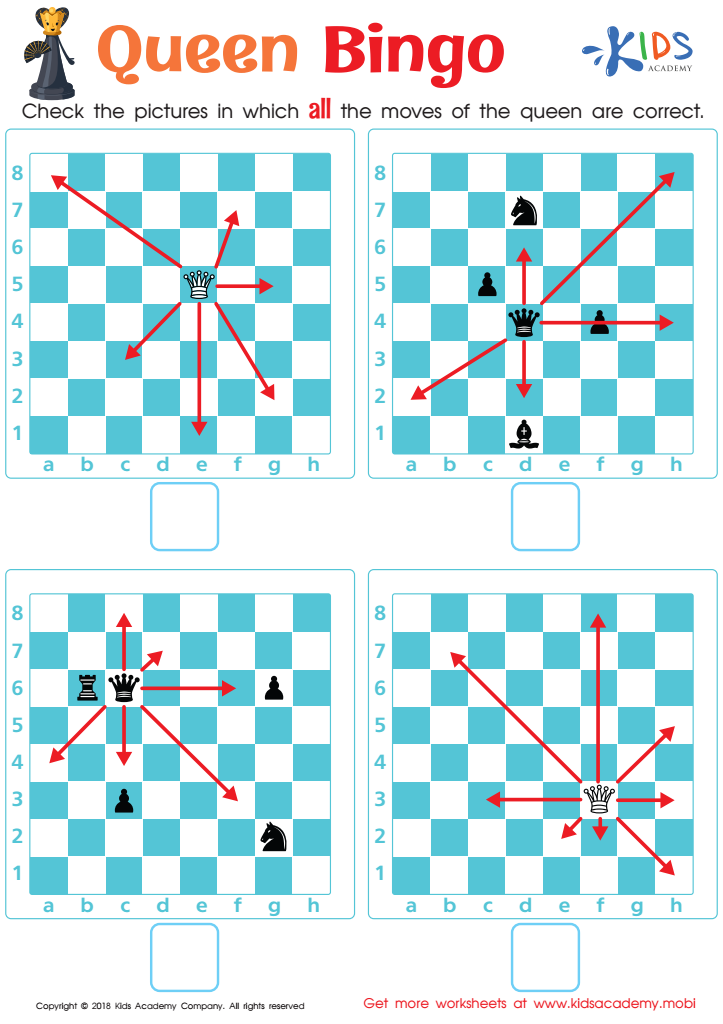
Queen Bingo Worksheet
Test your child's knowledge of chess rules and moves with this free worksheet! Kids look at four pictures and must decide if the queen moves are correct. This exercise helps hone your little one's chess skills!
Queen Bingo Worksheet
Worksheet
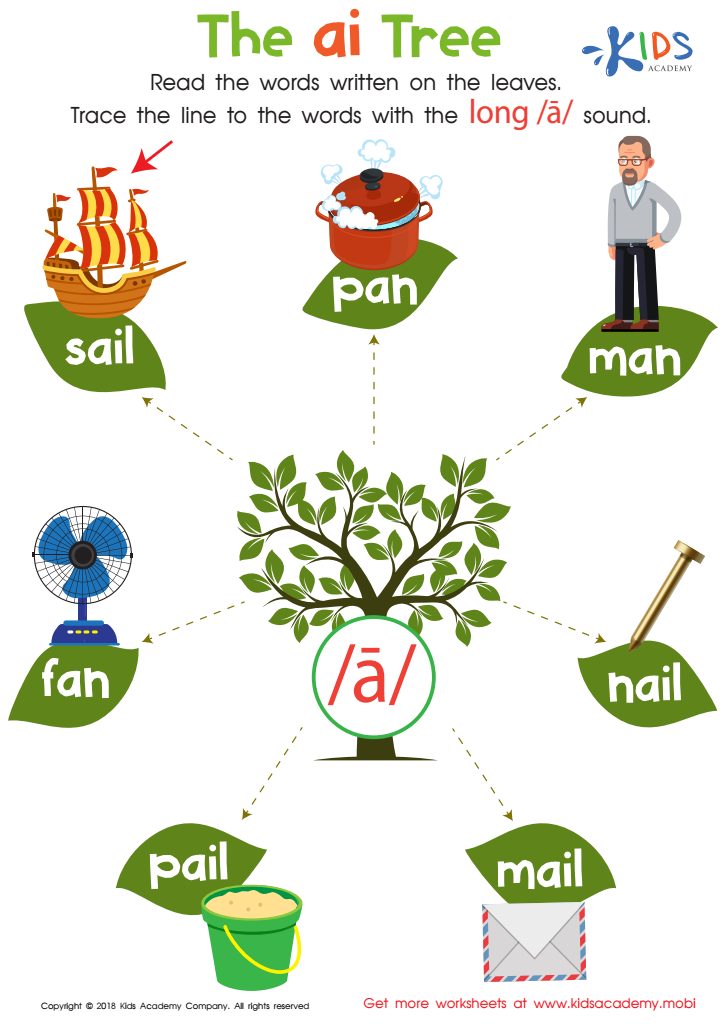
The AI Tree Worksheet
Help your kids learn to read better with this worksheet! Introduce the vowel pair 'ai' and give them familiar examples. Ask them to give you some in return. Then, have them read the words on the leaves and help them trace the ones with the long /a/ sound.
 Assign to My Students
The AI Tree Worksheet
Worksheet
Join Kids Academy for Free
Who is primarily going to use this learning content?


.jpg)





Improving handwriting in children aged 4-8 is crucial for several reasons. Firstly, handwriting is a foundational skill that contributes significantly to long-term educational success. At this developmental stage, children are not only learning letter formation but also enhancing their fine motor skills, which are essential for other academic tasks, such as drawing and later, typing.
Moreover, legible handwriting aids in communication. Children often express their thoughts and creativity through writing; clear handwriting ensures that their messages are understood by others. As they transition into more complex writing tasks, the ability to write neatly can affect their confidence and motivation, influencing their overall attitude towards learning.
In addition, consistent practice of proper handwriting techniques promotes discipline and patience. It helps students develop focus and attention to detail, skills that are valuable in all areas of life. For parents and teachers, encouraging good handwriting habits can set a positive precedent for future academic challenges.
Finally, as standardized testing often includes written components, proficient handwriting can contribute to better performance. Thus, fostering great handwriting skills in young children is an investment in their academic journey and overall development.








